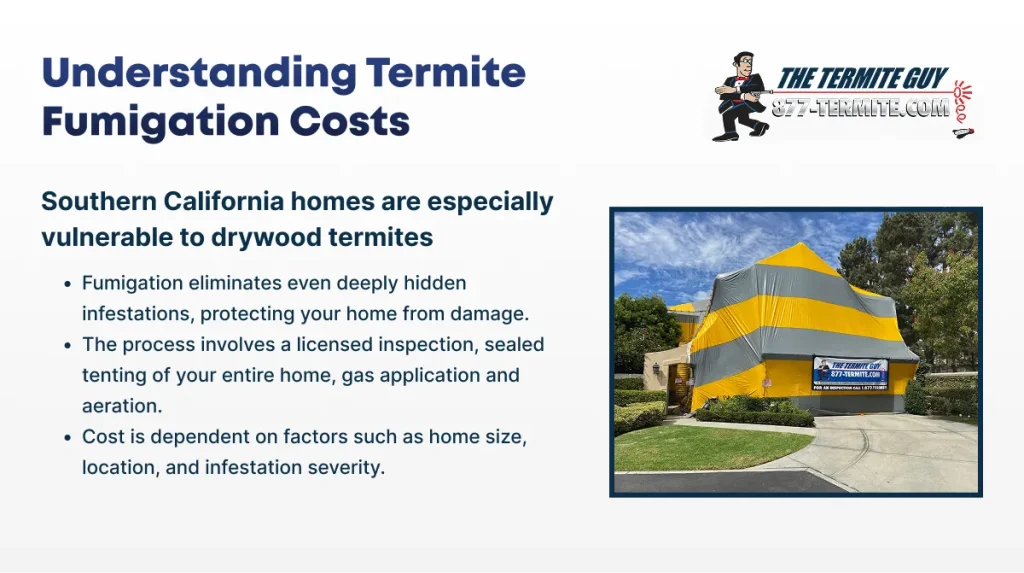
Are you worried about termites damaging your home? You might have heard about termite tenting as a solution, but how much does termite tenting actually cost?
Understanding the price can help you make the right decision for protecting your property without breaking the bank. You’ll discover the key factors that affect termite tenting costs and learn how to plan your budget wisely. Keep reading to find out everything you need to know before scheduling termite tenting for your home.
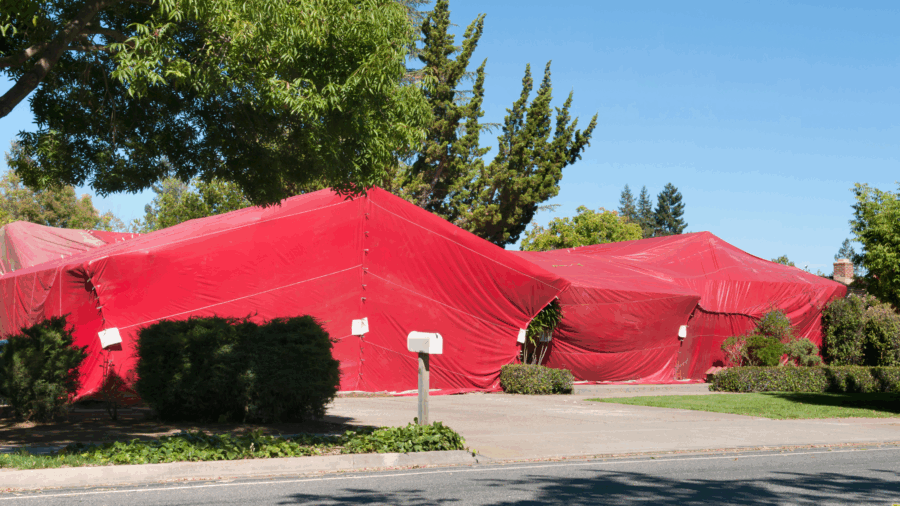
Credit: www.agpest.com
Termite Tenting Basics
Termite tenting is a common method to get rid of termites in a building. It involves covering the entire structure with a large tent.
The tent traps the fumigant gas inside, which kills the termites living in the wood and soil.
What Is Termite Tenting
Termite tenting is a pest control process. It uses a gas to kill termites inside a home or building.
- The building is covered with a large tent made of heavy plastic.
- Fumigant gas is released inside the tent.
- The gas spreads throughout the structure and reaches all termite colonies.
- The building stays sealed for a set time to let the gas work.
- After treatment, the tent is removed and the home is aired out before people return.
When Is Tenting Necessary
Tenting is needed when termites have deeply infested a building. Other treatments may not reach all the insects.
| Situation | Why Tenting Helps |
| Large termite colony inside walls | Gas reaches hidden areas |
| Wood damage is severe | Kills all termites quickly |
| Soil treatment failed | Directly treats the whole house |
| Prevent spread to nearby structures | Eliminates termites in one treatment |
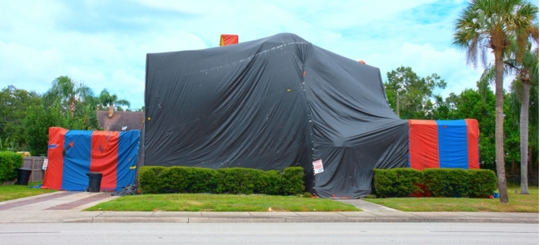
Credit: www.242pest.com
Factors Influencing Termite Tenting Costs
Termite tenting is a common method to remove termites from buildings. The cost varies based on several factors. Understanding these can help you prepare for the expense.
Each factor affects the price differently. Some increase costs while others may reduce them. Below are the main factors to consider.
Home Size And Structure
Larger homes need more tenting materials and chemicals. Complex structures require extra work to cover all areas. Both increase the overall cost of termite tenting.
Extent Of Infestation
The severity of termite damage impacts the cost. A mild infestation is cheaper to treat. Severe infestations need more chemicals and longer tenting periods.
- Light infestation: Lower chemical use and time
- Moderate infestation: Medium chemical use and time
- Heavy infestation: High chemical use and longer time
Location And Accessibility
Homes in remote areas may cost more due to travel fees. Hard-to-reach places inside the home take extra effort and time. These factors raise the termite tenting price.
Type Of Chemicals Used
| Chemical Type | Effectiveness | Cost |
| Standard Fumigants | Good | Moderate |
| Eco-friendly Products | Moderate | Higher |
| High-Potency Chemicals | Best | High |
Choosing chemicals depends on your preference and budget. Some chemicals need special handling, which may add to the cost.
Labor And Equipment Charges
Experienced workers may charge more for quality service. Specialized equipment needed for tenting also adds to the price. Labor and equipment fees are key parts of the total cost.
Average Cost Range For Termite Tenting
Termite tenting is a common method to treat severe termite infestations. It involves covering a whole house with a tarp and applying gas to kill termites. The cost can vary widely based on several factors.
Understanding the average price range helps homeowners plan their budgets. This guide breaks down national averages, regional differences, and DIY versus professional options.
National Average Prices
On average, termite tenting costs between $1,200 and $2,500 in the United States. The price depends on the size of your home and the extent of the infestation.
| Home Size | Average Cost |
|---|---|
| Up to 1,000 sq. ft. | $1,200 – $1,500 |
| 1,000 to 2,000 sq. ft. | $1,500 – $2,000 |
| Over 2,000 sq. ft. | $2,000 – $2,500 |
Cost Variations By Region
Prices for termite tenting vary by region due to local pest control rates and termite activity. Homes in warmer climates usually pay more because termites are more common.
- South and Southeast:$1,500 to $2,500
- Midwest:$1,200 to $1,800
- Northeast:$1,300 to $2,000
- West Coast:$1,400 to $2,200
Comparing Diy Vs Professional Services
DIY termite tenting kits are available but are not common due to safety risks. Professionals have the right equipment and training to handle chemicals safely.
- DIY Tent Kits:Cost about $500 to $1,000. Risk of improper use and incomplete treatment.
- Professional Services:Cost $1,200 to $2,500. Safer and more effective treatment with guarantees.
Additional Expenses To Consider
Termite tenting can be costly. Besides the main cost, there are other expenses. These extra costs can add up. They are important to consider in your budget.
Understanding these expenses helps in planning. This ensures you are not surprised later. Careful planning saves time and money.
Pre-treatment Preparation Costs
Before termite tenting, you need to prepare your home. This can include packing food and moving plants. Some items must be double-bagged or removed. This takes time and sometimes costs money.
Professional services can help with preparation. They charge fees for their help. You might need to hire them if you have a busy schedule.
- Packing food and items
- Moving plants and pets
- Hiring professional help
Post-treatment Repairs
After tenting, some repairs might be needed. Termites can cause damage to wood and structures. Fixing this damage can be costly. It’s important to check your home after treatment.
Repairing wood structures is common. You might need a carpenter. If the damage is severe, costs can rise quickly.
- Repairing wood structures
- Fixing any structural damage
- Hiring a carpenter
Preventive Maintenance Plans
After treatment, preventive maintenance is wise. This helps stop termites from returning. Maintenance plans cost money. They are an ongoing expense.
These plans often include regular inspections. They help in early detection of termites. Many homeowners find these plans helpful.
- Regular inspections
- Ongoing pest control services
- Peace of mind for homeowners
Ways To Save On Termite Tenting
Termite tenting can be costly, but there are ways to lower the price. Planning ahead and choosing smart options helps save money.
Knowing how to save on termite tenting lets you protect your home without overspending. Here are some tips to consider.
Bundled Pest Control Services
Many pest control companies offer bundles that include termite tenting and other services. Bundling saves money by combining treatments.
Choosing a package deal reduces the cost compared to paying for each service alone. It also keeps your home protected from multiple pests.
- Combine termite tenting with regular pest control
- Look for yearly service plans
- Ask about discounts for bundled services
Seasonal Discounts
Pest control companies sometimes offer lower prices during off-peak seasons. Scheduling your termite tenting during these times can save money.
Winter or early spring may have fewer termite treatments booked. This can mean discounts or special deals to attract customers.
- Ask about seasonal promotions
- Schedule treatments in less busy months
- Sign up for company newsletters to get alerts
Choosing Licensed Professionals
Hiring licensed termite professionals ensures proper treatment. This reduces the chance of needing repeat tenting, saving money in the long run.
Licensed experts follow safety rules and use the right products. This protects your home and family while preventing costly mistakes.
- Verify the company’s license and certifications
- Check reviews and references
- Avoid unlicensed or cheap services that may cause problems

Credit: www.homeyou.com
Signs You Need Termite Tenting
Termite tenting is a treatment that kills termites in your home. It is often needed when termites cause serious damage. Knowing the signs helps you act fast and save your house.
This guide explains common signs you need termite tenting. Watch for visible damage and results from professional inspections.
Visible Damage Indicators
Termites eat wood from inside, so damage may be hidden. Some signs show when damage is severe. Check your home for these visible indicators.
- Hollow-sounding wood when tapped
- Cracked or bubbling paint on walls
- Wood that looks warped or damaged
- Small piles of termite droppings near wood
- Swollen floors or ceilings
- Visible termite tunnels in wood or soil
These signs mean termites may be active inside your home. Termite tenting helps remove them and protect your property.
Professional Inspection Results
A professional termite inspection finds damage you might miss. Experts use tools and knowledge to check your home carefully.
If the inspection shows termite activity or damage, tenting is often recommended. This treatment kills termites in all areas of your home.
- Termite presence confirmed through inspection
- Signs of active termite colonies
- Structural damage that affects safety
- Previous treatments that failed to stop termites
Professional inspections give you clear reasons to use termite tenting. Acting on these results can save your home from worse damage.
Alternatives To Termite Tenting
Termite tenting is a common way to get rid of termites. It uses gas to kill termites inside a building. Some people look for other options because tenting can be costly or disruptive.
There are several alternatives to termite tenting. These options may work better depending on your home and termite problem.
Localized Treatments
Localized treatments focus only on the areas where termites live. This method uses chemicals or heat to kill termites without treating the whole house. It is less disruptive and cheaper than tenting.
- Spot treatments with termiticides
- Heat treatments for small infestations
- Foam or dust applications in wall voids
- Direct wood treatments
Baiting Systems
Baiting systems attract termites to poisoned bait stations. Termites carry the poison back to their colony. This method can take longer but can control termites without chemicals inside your home.
| Type of Bait | How It Works | Time to Work |
| Cellulose Bait | Termites eat and share poison | Weeks to Months |
| Insect Growth Regulators | Stops termite development | Several Months |
| Chitin Synthesis Inhibitors | Prevents termite molting | Weeks |
Fumigation Vs Other Methods
Fumigation kills termites in the entire building at once. Other methods treat specific areas or use bait stations. Each method has pros and cons based on cost, time, and impact.
- Fumigation: fast and thorough but requires leaving the home.
- Localized Treatments: less disruptive but may need repeat visits.
- Baiting Systems: slow but eco-friendly and safe for people.
Frequently Asked Questions
What Factors Influence Termite Tenting Costs?
Termite tenting costs depend on home size, infestation severity, and location. Additional services or warranties may increase prices. Seasonal demand can also affect pricing.
How Long Does Termite Tenting Take?
Termite tenting usually takes 1 to 3 days. Preparation and ventilation time add to the total duration. It varies based on home size and infestation level.
Is Termite Tenting Safe For Pets And People?
Termite tenting chemicals are toxic during treatment. Pets and people must vacate the home for 2-3 days. Proper ventilation ensures safety before re-entry.
Can Termite Tenting Prevent Future Infestations?
Tenting eliminates current termites but doesn’t prevent new infestations. Regular inspections and maintenance are essential to avoid future termite problems. Use barriers and treatments for prevention.
Conclusion
Termite tenting costs vary depending on home size and damage level. Most homeowners spend between $1,000 and $3,000 for treatment. This price covers fumigation and sealing the house. Knowing these costs helps plan your budget better. Don’t wait if you see signs of termites.
Acting fast can save money and protect your home. Choose a trusted pest control company for the best results. Regular inspections can prevent future infestations and expenses. Keep your home safe and termite-free with proper care.