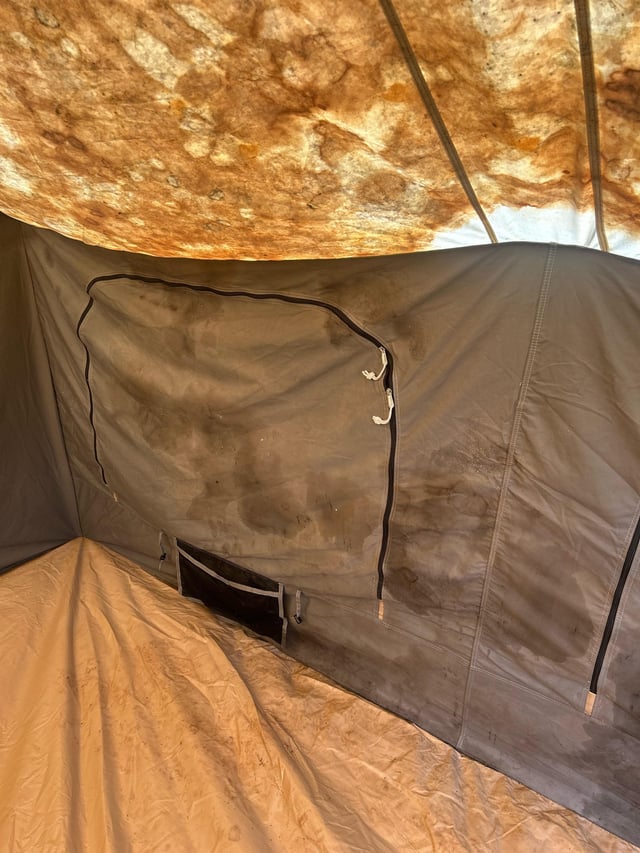
Mold in your tent is more than just an eyesore—it can damage your gear and even harm your health. If you’ve ever opened your tent to find those nasty black or green spots, you know how frustrating it can be.
But don’t worry—getting mold out of your tent is easier than you think. In this post, you’ll discover simple, effective steps to clean your tent and keep it mold-free for your next adventure. Keep reading, and you’ll learn how to protect your tent and enjoy the great outdoors without the worry of mold.
Identifying Mold In Your Tent
Mold can grow inside your tent if it stays damp. It can damage the fabric and smell bad. Knowing how to spot mold helps keep your tent safe and clean.
Look carefully for any signs of mold before you pack your tent away. Early detection stops mold from spreading and causing harm.
Common Mold Signs
Mold often appears as dark or colored spots on the tent fabric. These spots may be black, green, or gray. Mold feels fuzzy or slimy to the touch.
You might notice a musty or damp smell inside the tent. The smell does not go away even after airing out the tent. Mold can hide in seams, corners, and folds.
- Dark spots on the fabric
- Green or gray patches
- Fuzzy or slimy texture
- Musty or damp odor
- Mold in seams and corners
Health Risks To Consider
Mold can cause health problems, especially for people with allergies or asthma. Breathing mold spores may lead to coughing, sneezing, or skin irritation. Some molds produce toxins that are harmful.
It is important to clean mold quickly. Avoid sleeping in a moldy tent to protect your health. Keep your tent dry and well-ventilated to stop mold growth.
- Allergic reactions
- Asthma attacks
- Skin irritation
- Respiratory problems
- Toxic mold exposure

Credit: www.reddit.com
Preparing For Cleaning
Removing mold from a tent needs careful preparation. Good preparation makes cleaning easier and safer.
Before you start, gather the right tools and pick a good place to clean your tent.
Gathering Supplies
Collect all cleaning supplies before you begin. This helps you work without stopping.
- Soft brush or sponge for scrubbing
- Mild soap or tent cleaner
- White vinegar or baking soda for mold removal
- Spray bottle for applying solutions
- Gloves to protect your hands
- Old towels or rags to dry the tent
- Bucket to mix cleaning solutions
Choosing The Right Location
Pick a spot outside with good air flow. Fresh air helps dry your tent fast.
A shaded area protects your tent from direct sunlight. Sun can damage tent fabric during cleaning.
- Use a flat surface to spread out the tent
- Choose a place where water can drain easily
- Avoid windy spots to keep mold spores from spreading
- Work away from your home to protect indoor air
Basic Cleaning Methods
Keeping your tent mold-free ensures a safe and enjoyable camping experience. Mold can be stubborn, but basic cleaning methods can help.
Here, we will explore effective ways to remove mold from your tent using simple techniques.
Brushing Off Mold Spores
Begin by taking your tent outside to a sunny and dry area. This prevents mold spores from spreading indoors.
- Use a soft-bristled brush to gently scrub the affected areas.
- Avoid using too much force to prevent damaging the fabric.
- Shake the tent to remove loose mold spores.
Using Mild Soap Solutions
Mild soap solutions are effective in cleaning mold without harming the tent fabric.
Let the solution sit for a few minutes to break down the mold. Rinse thoroughly with clean water and allow the tent to dry completely in the sun.

Credit: www.reddit.com
Effective Mold Removal Techniques
Mold can damage your tent fabric and cause bad smells. Removing mold quickly keeps your tent safe and clean. Use simple household items to get rid of mold effectively.
Below are three common and easy ways to remove mold from your tent. Each method uses a different natural cleaner to help kill mold and prevent it from coming back.
Vinegar Treatment
White vinegar is acidic and kills most types of mold. It works well on tent fabric without damaging it. Use it as a spray or soak to clean moldy areas.
- Mix equal parts white vinegar and water in a spray bottle.
- Spray the moldy spots on your tent thoroughly.
- Let it sit for at least one hour to kill the mold.
- Wipe the area with a clean cloth or brush.
- Air dry the tent completely before storing.
Baking Soda Application
Baking soda cleans and deodorizes your tent. It also helps remove mold stains. This method is gentle and safe for most fabrics.
To use baking soda, follow these simple steps:
- Make a paste with baking soda and water.
- Apply the paste to moldy areas using a soft brush.
- Scrub gently to lift mold and stains.
- Rinse with clean water to remove residue.
- Leave the tent to dry fully in sunlight.
Hydrogen Peroxide Use
Hydrogen peroxide is a strong mold killer. It breaks down mold spores and lightens stains. Use it carefully to avoid fabric damage.
| Step | Action | Notes |
| 1 | Pour 3% hydrogen peroxide into a spray bottle. | Do not dilute for better effectiveness. |
| 2 | Spray the moldy tent areas evenly. | Wear gloves to protect your skin. |
| 3 | Let it sit for 10 minutes. | Do not leave longer to avoid fabric damage. |
| 4 | Wipe off mold with a clean cloth. | Use gentle strokes to protect fabric. |
| 5 | Air dry the tent fully. | Sunlight helps kill remaining spores. |
Drying And Preventing Future Mold
Mold grows easily on tents if they stay wet or damp for long. Drying your tent properly stops mold from forming again. Good storage also helps keep your tent safe from mold.
This guide shows you how to dry your tent right and store it to prevent mold in the future.
Proper Drying Tips
Dry your tent fully before packing it away. Even small damp spots can cause mold. Follow these tips to dry your tent well.
- Set up your tent in a sunny, breezy spot.
- Open all windows and doors to let air flow.
- Hang the rainfly separately to dry faster.
- Check seams and folds for hidden moisture.
- Use a clean towel to wipe off any wet areas.
- Allow at least a few hours of sun exposure.
- Do not pack your tent until it is completely dry.
Storing Your Tent Mold-free
Storing your tent correctly stops mold growth during off seasons. Avoid damp or dark places where mold thrives.
| Storage Tip | Why It Helps |
|---|---|
| Keep tent loose in a breathable bag | Prevents moisture build-up and allows air flow |
| Store in a cool, dry place | Stops mold from growing in warm, damp areas |
| Use silica gel packs | Absorbs extra moisture in storage space |
| Check tent every few months | Detects mold early before it spreads |
| Avoid plastic bags for storage | Plastic traps moisture and promotes mold |
When To Seek Professional Help
Mold in a tent can be a simple problem to fix at home. Small patches often clean well with basic methods. But some situations need expert care.
Knowing when to call a professional can save your tent and keep you safe. This guide explains signs that mold is severe and when restoration services are best.
Severe Mold Cases
Severe mold looks like large black or green patches inside or outside your tent. It often smells musty and spreads fast. If your tent fabric feels weak or crumbly, mold may have damaged it deeply.
- Mold covering more than 10% of the tent surface
- Strong, persistent musty odor
- Fabric feels soft, torn, or damaged
- Repeated mold growth after cleaning
- Visible mold inside tent seams or poles
If you see these signs, home cleaning might not be enough. Mold can cause health risks and ruin your tent material permanently.
Restoration Services
Restoration services use special tools and treatments to remove mold safely. They also repair or replace damaged parts to restore your tent’s strength.
| Service | What It Does | When to Use |
| Mold Inspection | Finds hidden mold and damage | After severe mold signs appear |
| Deep Cleaning | Removes mold with special chemicals | When home cleaning fails |
| Fabric Repair | Fixes tears and weak spots | When fabric is damaged |
| Waterproofing | Protects tent from future mold | After cleaning and repair |

Credit: hot-tent.com
Frequently Asked Questions
How Do You Remove Mold From A Tent Safely?
To remove mold safely, first brush off loose mold outdoors. Use a mixture of water and mild soap or vinegar. Gently scrub affected areas, then rinse and dry the tent completely in sunlight to prevent mold regrowth.
Can Vinegar Kill Mold On Camping Tents?
Yes, vinegar is effective in killing mold on tents. Its acidic nature breaks down mold spores. Spray undiluted vinegar on moldy spots, let it sit for an hour, then scrub and rinse. Vinegar is a natural, safe alternative to harsh chemicals.
How Long Should You Dry A Tent After Cleaning Mold?
Dry the tent for at least 24 hours in direct sunlight. Sunlight helps kill remaining mold spores and evaporates moisture. Ensure the tent is fully dry before storing to prevent mold from returning.
What Household Items Can Remove Tent Mold Effectively?
Common items like white vinegar, baking soda, and mild dish soap remove tent mold effectively. Vinegar kills mold, baking soda deodorizes, and soap cleans fabric. These safe, affordable products protect your tent without harsh chemicals.
Conclusion
Keeping your tent mold-free takes regular care and quick action. Clean the fabric gently but thoroughly after each trip. Dry the tent completely before packing it away. Store your tent in a cool, dry place to prevent mold growth. Using natural cleaners helps protect both your tent and the environment.
Follow these simple steps to enjoy a fresh, safe tent every time you camp. Don’t let mold ruin your outdoor adventures. Stay proactive and your tent will last longer.