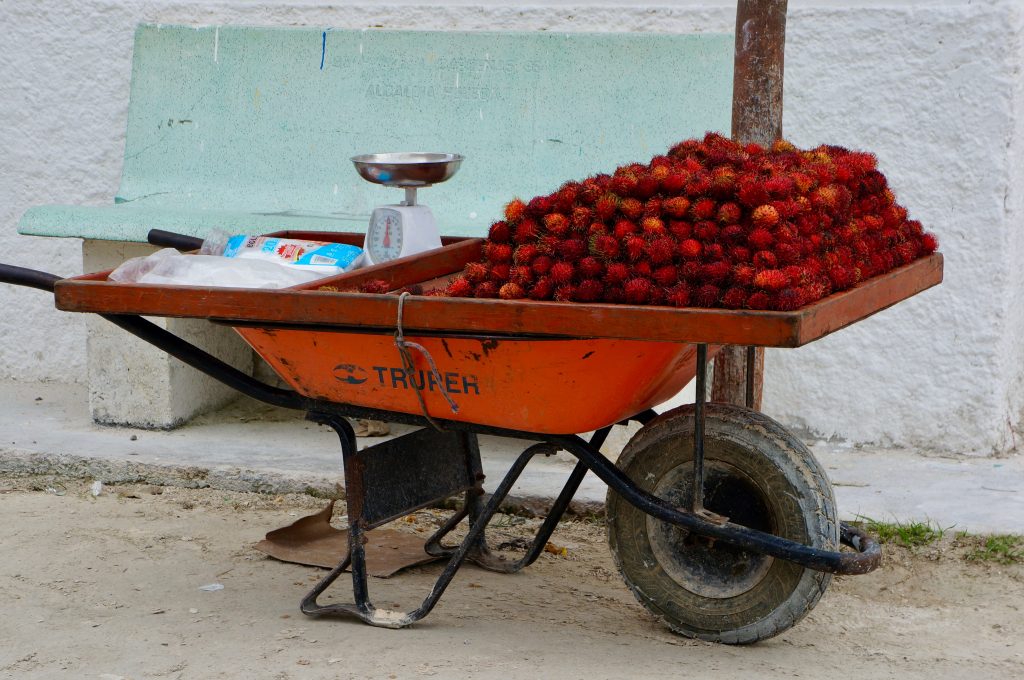
Have you ever stopped to think about how a simple tool like a wheelbarrow works? It might seem like just a handy way to carry things, but it’s actually a perfect example of a second-class lever in action.
Understanding this can change the way you see everyday tools and even help you use them more effectively. You’ll discover why a wheelbarrow fits this special category and how this knowledge can make your work easier and smarter. Keep reading, and you’ll never look at a wheelbarrow the same way again!

Credit: www.freepik.com
Second-class Lever Basics
A wheelbarrow is a good example of a second-class lever. This simple machine helps us lift heavy loads with less effort. Understanding how it works can make tasks easier.
Second-class levers have three main parts: the fulcrum, the load, and the effort. Knowing their positions helps explain why a wheelbarrow is so useful.
Lever Classes In Simple Machines
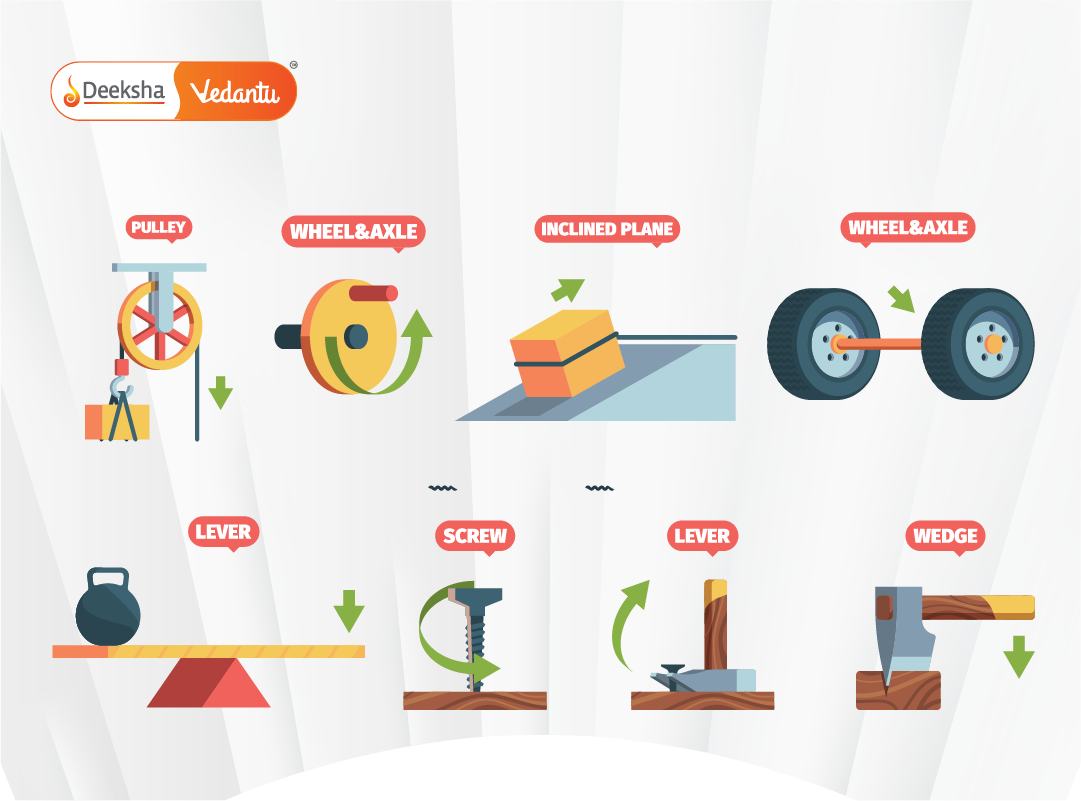
Levers are simple machines that help us lift or move objects. They come in three classes based on the position of the fulcrum, load, and effort.
The classes are:
- First-class levers: Fulcrum is between effort and load.
- Second-class levers: Load is between fulcrum and effort.
- Third-class levers: Effort is between fulcrum and load.
How Second-class Levers Work
In second-class levers, the load sits in the middle. The fulcrum is at one end, and the effort is applied at the other end. This setup makes lifting heavy loads easier.
A wheelbarrow uses this principle. The wheel acts as the fulcrum, the load is inside the barrow, and you apply effort by lifting the handles.
- Fulcrum: The wheel of the wheelbarrow.
- Load: The material inside the wheelbarrow.
- Effort: The force you apply on the handles.
Credit: deekshalearning.com
Wheelbarrow As A Second-class Lever
A wheelbarrow is a simple tool used to carry heavy loads easily. It is a good example of a second-class lever.
Understanding how a wheelbarrow works helps us see how levers make work easier.
Position Of Load
The load in a wheelbarrow sits between the effort and the fulcrum. This is the key feature of a second-class lever.
The load is placed in the bucket or tray of the wheelbarrow. This helps balance the weight for easier lifting.
Effort
The effort is applied at the handles of the wheelbarrow. This is where you lift and push the tool.
Applying effort at the handles helps move the load with less force than lifting it directly.
Fulcrum
The wheel acts as the fulcrum of the lever. It is the pivot point where the wheelbarrow turns.
Because the fulcrum is at the front, the wheelbarrow balances the load and effort effectively.
Design Features Enhancing Efficiency
The wheelbarrow’s design helps reduce the effort needed to move heavy things. Its shape and parts work well together.
Key design features include a large wheel, strong handles, and a sturdy tray to hold loads safely.
- Large wheel reduces friction and eases movement
- Handles provide good grip and control
- Tray holds loads securely without spilling
- Balance between load, effort, and fulcrum makes lifting easier
Mechanical Advantage Of Wheelbarrows
A wheelbarrow is a tool that helps us lift and move heavy loads. It works like a second-class lever. This type of lever gives us a mechanical advantage. This means we can move heavier things with less effort.
In a wheelbarrow, the wheel acts as the fulcrum. The load is placed in the middle, and you apply force at the handles. The design helps us use less force to lift and move heavy objects.
Calculating Force And Load
To understand a wheelbarrow’s advantage, we look at force and load. The force is what you apply at the handles. The load is the weight you want to move.
The mechanical advantage is the ratio of load to force. If a wheelbarrow has a large mechanical advantage, you need less force to move a heavy load.
- Force applied at handles
- Load placed in the wheelbarrow
- Wheel acts as fulcrum
Benefits In Lifting And Moving Heavy Loads
Wheelbarrows are helpful in gardening and construction. They let us move heavy items like soil or bricks easily. This reduces the strain on our bodies.
Using a wheelbarrow, you save time and energy. It makes work faster and safer. You can lift and move more with less effort.
- Reduces physical strain
- Saves time in moving loads
- Increases efficiency in work
Practical Uses Of Wheelbarrows
A wheelbarrow is a simple tool that helps carry heavy loads. It uses a second-class lever to make work easier.
This tool is common in many places like farms, gardens, and construction sites. It saves time and energy.
Construction And Gardening Applications
In construction, wheelbarrows carry bricks, cement, and tools. Workers move materials fast with less effort.
Gardeners use wheelbarrows to transport soil, plants, and mulch. They help keep the garden clean and organized.
- Move heavy materials easily
- Carry multiple items at once
- Transport soil and plants without strain
Ergonomic Benefits For Users
Wheelbarrows reduce the strain on the back and arms. The wheel supports the load, making it lighter to lift.
The handles give good control and balance. This lowers the risk of injury during work.
- Less pressure on muscles
- Improves posture while lifting
- Reduces chance of accidents
Improving Wheelbarrow Efficiency
A wheelbarrow is a simple tool that uses a second-class lever. It helps move heavy loads with less effort. Improving its efficiency makes work easier and faster.
Small upgrades and good care can make a big difference. Focus on strong materials and smooth wheels. Keep the wheelbarrow in good shape for best results.
Material And Wheel Upgrades
Using better materials can make the wheelbarrow lighter and stronger. Steel or aluminum frames last longer than wood. Durable trays hold heavy loads without bending.
Upgrading wheels improves movement. Pneumatic tires roll smoothly over rough ground. Solid rubber wheels last longer and need less air.
- Choose rust-resistant metal for the frame
- Pick a tray made from heavy-duty plastic or metal
- Use pneumatic tires for soft surfaces
- Use solid rubber wheels for hard surfaces
Maintenance Tips For Optimal Performance
Regular checks keep the wheelbarrow working well. Clean it after use to stop rust and dirt buildup. Tighten all bolts and nuts often.
Lubricate the wheel axle to avoid squeaks and resistance. Check the tire pressure if you have pneumatic tires. Replace worn or damaged parts quickly.
- Wash and dry the wheelbarrow after use
- Oil the wheel axle monthly
- Check tire pressure weekly
- Tighten loose screws and bolts
- Replace damaged wheels or handles

Credit: studyx.ai
Frequently Asked Questions
What Makes A Wheelbarrow A Second-class Lever?
A wheelbarrow is a second-class lever because the load is between the effort and the fulcrum. The wheel acts as the fulcrum, the load sits in the barrow, and the user applies effort at the handles. This setup increases mechanical advantage.
How Does A Wheelbarrow Increase Lifting Efficiency?
A wheelbarrow increases efficiency by reducing the effort needed to lift heavy loads. The lever system distributes weight, allowing users to move heavy materials easily. This saves energy and reduces strain, making manual labor more effective and less tiring.
Where Is The Fulcrum Located On A Wheelbarrow?
The fulcrum of a wheelbarrow is at the wheel’s axle. This pivot point supports the load and allows the handles to lift and move the load with less effort. Proper fulcrum placement is key to the wheelbarrow’s function.
Why Is The Load Position Important In A Wheelbarrow?
The load is positioned between the effort and fulcrum in a wheelbarrow. This placement classifies it as a second-class lever. It optimizes the force applied, making it easier to lift and transport heavy objects.
Conclusion
A wheelbarrow shows how a second-class lever works well. The load sits between the effort and the fulcrum. This setup helps move heavy things with less force. You see this principle in many tools around you. Understanding levers can make tasks easier and safer.
Next time you use a wheelbarrow, remember its clever design. Simple machines like this help in daily work. They show how physics is part of everyday life.