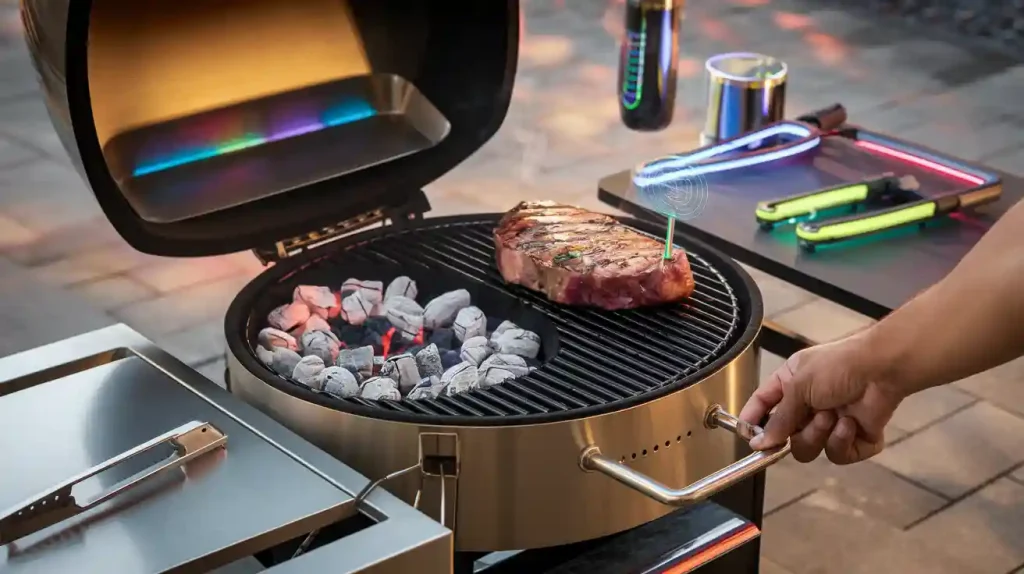
Controlling the temperature on your charcoal grill can feel tricky, but it doesn’t have to be. Imagine perfectly cooked steaks and juicy burgers every time you fire up your grill.
You might think it’s all about luck, but the truth is, you hold the power to master your grill’s heat. You’ll discover simple, effective ways to control your charcoal grill’s temperature so your food turns out just right—no guesswork, no stress.
Ready to become the grill master you’ve always wanted to be? Keep reading, and you’ll learn how to take full control of your grilling experience.

Credit: www.bbqspitrotisseries.com.au
Charcoal Types And Their Heat
Controlling temperature on a charcoal grill depends on the charcoal type. Different charcoals burn at different heat levels. Knowing these differences helps you cook better food.
Two main types of charcoal are lump charcoal and briquettes. Each type has unique features that affect heat and cooking time.
Lump Charcoal Vs Briquettes
Lump charcoal is made from pure wood burned in low oxygen. It lights quickly and burns hotter. This makes it good for high heat cooking like searing.
Briquettes are made from compressed wood byproducts and other additives. They burn slower and more evenly. This is better for low and steady heat over longer times.
- Lump Charcoal:Burns hotter and faster
- Briquettes:Burns longer and steadier
- Lump charcoal:Produces less ash
- Briquettes:More uniform shape and size
Choosing The Right Charcoal
Pick lump charcoal if you want quick heat and strong flames. It is good for grilling steaks and burgers.
Choose briquettes if you need steady heat for a longer time. It works well for smoking and slow cooking.
- Use lump charcoal for fast cooking
- Use briquettes for slow and steady heat
- Consider ash production for easy cleanup
- Think about cost and availability
Setting Up Airflow For Temperature Control
Controlling temperature on a charcoal grill depends mostly on airflow. The air moves through vents to feed the fire.
Adjusting these vents helps you keep the heat just right for cooking your food.
Adjusting Bottom Vents
The bottom vents let air flow into the grill. More air means hotter fire. Less air means cooler fire.
Open the bottom vents wide for high heat. Close them a bit to lower the temperature.
- Fully open vents increase oxygen and fire intensity.
- Partially closed vents reduce oxygen and cool the fire.
- Keep vents clean for smooth airflow.
Managing Top Vents
Top vents control how smoke and heat leave the grill. They affect the fire’s air flow too.
Open top vents allow more smoke out and help air flow. Closing them slows air exit and lowers heat.
- Keep top vents open for hotter and faster cooking.
- Close vents to reduce heat and keep smoke inside.
- Balance top and bottom vents for steady temperatures.
Fuel Arrangement Techniques
Controlling the temperature on a charcoal grill is important for cooking. Different fuel arrangements help manage heat effectively.
Each method of arranging charcoal provides unique benefits. Choose the right setup for your grilling needs.
Direct Heat Setup
Direct heat setup is for quick cooking. It is ideal for burgers and steaks.
Place charcoal evenly across the bottom of the grill. This creates a uniform high heat.
- Spread charcoal in a single layer
- Use for foods that cook in less than 20 minutes
- Great for searing meats
Indirect Heat Setup
Indirect heat is for slow cooking. It works well for larger cuts like roasts.
Arrange charcoal on one side of the grill. This allows for lower, even heat.
- Place charcoal on one side only
- Cook foods indirectly on the opposite side
- Perfect for slow-cooked meals
Two-zone Fire Method
The two-zone fire method offers both direct and indirect heat. It is versatile for different types of foods.
Create a hot zone and a cooler zone. This allows you to sear and then slowly cook.
- Divide grill into two sections: hot and cool
- Use hot zone for searing
- Use cool zone for slow cooking
Lighting Methods And Their Impact
Controlling temperature on a charcoal grill starts with how you light it. The lighting method affects heat control and flavor.
Choosing the right way to light your grill helps keep the temperature steady. It also avoids chemicals that can change taste.
Using Chimney Starters
A chimney starter helps light charcoal evenly and quickly. It uses air flow to start the coals without chemicals.
- Fill the chimney with charcoal.
- Place a crumpled paper or natural fire starter under the chimney.
- Light the paper or fire starter.
- Wait 10 to 15 minutes until the coals are covered with gray ash.
- Pour the hot coals into the grill.
This method gives you good heat control. It also means no lighter fluid taste on your food.
Avoiding Lighter Fluid
Lighter fluid can cause flare-ups and odd flavors. Avoiding it keeps your grill temperature safer and cleaner.
| Reason to Avoid | Effect on Grill |
| Flare-ups | Uneven heat and burnt food |
| Chemical taste | Food flavor changes |
| Health concerns | Inhaling fumes is harmful |
| Hard to control fire | Temperature spikes |
Use natural starters or chimney starters instead. They help keep control and protect flavor.
Monitoring And Maintaining Heat
Controlling the temperature on a charcoal grill is key for good cooking. You need to watch the heat closely and keep it steady.
Using tools and adding charcoal right keeps the heat just right for your food.
Using Grill Thermometers
Grill thermometers help you check the grill’s temperature. They show if the heat is too low, too high, or just right.
- Place the thermometer near the food, not on the hot coals.
- Check the temperature often to avoid big changes.
- Use a built-in grill thermometer or a separate one for better accuracy.
- Know the ideal cooking temperatures for different foods.
Adding Charcoal During Cooking
To keep your grill hot, add more charcoal as the fire burns down. This keeps the heat steady and cooking going.
| When to Add Charcoal | How to Add Charcoal |
| When temperature drops below 250°F (121°C) | Add fresh charcoal on one side for indirect heat |
| After 45 minutes to 1 hour of cooking | Use hot coals to keep steady heat; avoid adding cold charcoal |
| For long cooking sessions over 2 hours | Add small amounts regularly, about every 30 minutes |
| When cooking thick or large cuts of meat | Maintain medium heat by adding charcoal gradually |
Weather Effects On Grill Temperature
Weather plays a big role in how hot your charcoal grill gets. Wind and cold air can change the heat inside your grill. You need to adjust your cooking to match the weather.
Knowing how weather affects your grill helps you cook food evenly. It also keeps your grill working well no matter the season.
Wind Considerations
Wind makes your charcoal burn faster by giving more air to the fire. This can raise the temperature quickly. Strong wind can also blow ashes and make controlling heat hard.
To manage wind, place your grill in a spot shielded by walls or trees. You can also use a windbreak or cover part of the grill to block the wind.
- Use natural barriers like fences or bushes
- Set up a windbreak with boards or heat-safe screens
- Keep vents partly closed to reduce airflow
- Watch the fire often and adjust charcoal as needed
Cold Weather Tips
Cold air cools the grill and slows down cooking. You may need more charcoal or longer cooking times. Cold weather can also make it harder to keep a steady temperature.
Try to grill on warmer days or when the sun is out. Keep the grill lid closed as much as possible to hold heat inside.
- Add extra charcoal to keep the fire hot
- Use a grill cover to block cold air
- Keep the lid closed to trap heat
- Check the temperature often with a grill thermometer
Cleaning And Maintenance Tips
Keeping your charcoal grill clean helps control the temperature better. Dirt and ash buildup can block airflow and cause uneven heat. Regular maintenance keeps your grill working well and lasts longer.
Focus on two key areas: ash removal and grate care. Both are important for steady heat and safe cooking.
Ash Removal
Removing ash after each use improves airflow and temperature control. Ash can block air vents and lower the heat. Let the grill cool before cleaning to avoid burns.
- Wait until the grill is cool to touch.
- Use a small shovel or scoop to remove the ash.
- Empty the ash into a metal container to prevent fire risk.
- Check and clean air vents to keep them clear.
- Dispose of ash safely once fully cooled.
Grate Care
Cleaning the cooking grate helps heat transfer evenly and prevents food from sticking. A clean grate also reduces flare-ups and keeps your grill in good shape.
| Grate Cleaning Tip | Reason |
| Brush the grate after cooking | Removes food bits and grease |
| Soak in warm soapy water | Breaks down stuck residue |
| Rinse and dry completely | Prevents rust and corrosion |
| Oil lightly before next use | Stops food from sticking |
Credit: barbecueathome.com

Credit: www.siuhaau.com
Frequently Asked Questions
How Do Air Vents Affect Charcoal Grill Temperature?
Air vents control airflow and oxygen supply. Opening vents increases oxygen, raising the temperature. Closing vents restricts airflow, lowering heat. Adjust vents gradually for precise temperature control during grilling.
What Is The Best Charcoal Arrangement For Heat Control?
Arrange charcoal in a single layer for even heat. For high heat, pile coals closely. For low heat, spread coals apart or use a two-zone setup. Adjusting charcoal placement helps manage cooking temperature effectively.
How Does Lid Position Influence Grill Temperature?
Keeping the lid closed traps heat and smoke, raising temperature. Opening the lid releases heat, cooling the grill. Use the lid position to regulate temperature and maintain consistent cooking conditions.
Can Water Help Control Temperature On A Charcoal Grill?
Yes, placing a water pan inside absorbs heat and stabilizes temperature. It adds moisture to the cooking environment, preventing food from drying out. This method is useful for low and slow cooking techniques.
Conclusion
Controlling temperature on a charcoal grill takes some practice and patience. Adjust the air vents to manage airflow and heat. Add or remove charcoal to keep the fire just right. Keep the lid closed to hold heat inside. Watch your food closely to avoid burning.
With time, you will find the best ways to cook tasty meals. Enjoy grilling and have fun experimenting with different heat levels. Good control makes every barbecue more enjoyable. Keep these tips in mind for great results every time.