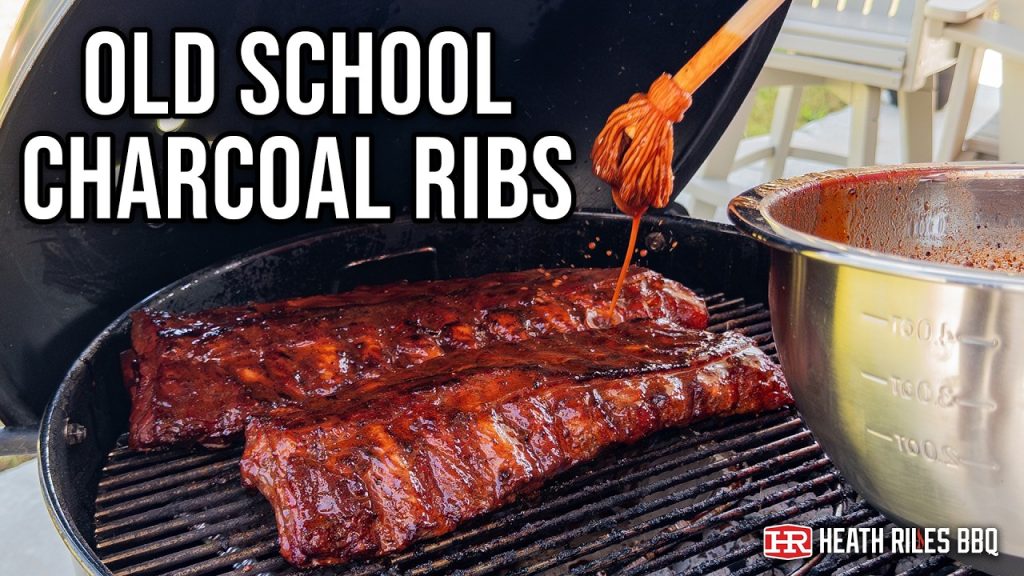
If you want to impress your friends and family with mouth-watering spare ribs, learning how to BBQ them on a charcoal grill is the secret you need. You’ll get that perfect smoky flavor and tender, juicy meat that everyone loves.
But getting it right can be tricky if you don’t know the steps. In this guide, you’ll discover simple tips and tricks to master your charcoal grill and make your spare ribs taste like they came from a top BBQ joint.
Ready to become the grill master at your next cookout? Keep reading—your taste buds will thank you.

Credit: www.heathrilesbbq.com
Choosing The Right Spare Ribs
Choosing the right spare ribs is key for great barbecue. It affects flavor and cooking time.
Knowing the differences between rib types helps you pick what fits your taste and grill style.
Baby Back Vs St. Louis Style
Baby back ribs come from the upper part of the ribcage. They are smaller and leaner.
St. Louis style ribs are cut from spare ribs. They have more fat and a rectangular shape.
| Type | Size | Fat Content | Texture | Cooking Time |
|---|---|---|---|---|
| Baby Back | Smaller | Less fat | Tender | Shorter |
| St. Louis Style | Larger | More fat | Chewier | Longer |
Checking Freshness And Quality
Fresh ribs look pinkish-red and moist. Avoid any that look dry or gray.
- Check for firm texture, not slimy
- Smell should be fresh, no sour odor
- Look for even marbling of fat
- Avoid ribs with broken bones or tears

Credit: www.thepioneerwoman.com
Preparing The Ribs
Preparing spare ribs well is key for tasty BBQ ribs on a charcoal grill. Proper prep helps flavors soak in and makes ribs tender.
Start by cleaning and trimming the ribs. Then add seasoning or marinade to boost flavor before grilling.
Removing The Membrane
The membrane is a thin layer on the back of the ribs. It can block flavors and make ribs tough.
To remove it, slide a knife under the membrane edge. Then grab it with a paper towel and pull it off in one piece.
Trimming Excess Fat
Spare ribs have some fat that adds flavor. But too much fat can cause flare-ups on the grill.
Use a sharp knife to trim large fat pockets. Leave a thin layer to keep ribs moist while cooking.
Applying Dry Rubs And Marinades
Dry rubs and marinades add flavor and help create a tasty crust on ribs. Choose your favorite spices or sauces.
Pat ribs dry, then apply dry rubs evenly on all sides. For marinades, soak ribs for at least 2 hours in the fridge.
- Dry rubs: salt, pepper, paprika, garlic powder
- Marinades: vinegar, soy sauce, brown sugar, spices
- Apply rubs before grilling
- Marinate ribs in a sealed bag or container
Setting Up The Charcoal Grill
Setting up a charcoal grill for spare ribs is key for great flavor. With the right setup, you will enjoy tender ribs.
Let’s explore how to arrange charcoal, choose wood, and control temperature for the perfect barbecue.
Arranging Charcoal For Indirect Heat
Indirect heat is essential for cooking spare ribs evenly. It prevents burning and allows slow cooking.
- Place charcoal on one side of the grill.
- Leave the other side empty for indirect heat.
- Use a drip pan under the ribs to catch drips.
Choosing The Right Wood For Smoke
Wood adds a smoky flavor to your ribs. Picking the right wood enhances the taste.
| Wood Type | Flavor Profile |
| Hickory | Strong, smoky |
| Apple | Sweet, mild |
| Mesquite | Bold, earthy |
Controlling Temperature
Temperature control is crucial for perfect ribs. It ensures they cook evenly and stay juicy.
Use a grill thermometer to monitor heat levels.
Adjust vents to increase or decrease air flow.
Keep the lid closed as much as possible to maintain temperature.
Grilling Techniques For Tender Ribs
Grilling spare ribs on a charcoal grill needs patience and care. Using the right techniques helps make ribs tender and juicy.
This guide explains three key methods to get the best results. Each one adds to the flavor and texture of your ribs.
Low And Slow Cooking Method
Cook ribs at low heat for a long time. This breaks down the fat and connective tissue. The ribs become soft and easy to pull apart.
- Prepare your charcoal for indirect heat.
- Keep the grill temperature between 225°F and 250°F.
- Place ribs away from direct flames.
- Cook ribs for 3 to 4 hours slowly.
- Check ribs often to avoid burning.
Using A Water Pan For Moisture
Placing a pan with water inside the grill adds moisture. This stops the ribs from drying out during cooking.
| Benefit | Explanation |
| Keeps Air Humid | Water evaporates and moistens the grill air. |
| Prevents Dryness | Helps ribs stay juicy and tender. |
| Controls Temperature | Water absorbs heat and stabilizes the grill heat. |
Wrapping Ribs For Extra Juiciness
After a few hours, wrap ribs in foil or butcher paper. This keeps steam close to the meat. The ribs stay moist and cook evenly.
Follow these tips when wrapping ribs:
- Wrap ribs tightly to trap steam.
- Add a small splash of apple juice or broth inside the wrap.
- Cook wrapped ribs for 1 to 2 hours.
- Unwrap near the end to let the surface dry and form a crust.
Adding Flavor With Sauces And Glazes
BBQ sauces and glazes add rich taste to spare ribs cooked on a charcoal grill. They keep the meat juicy and create a tasty crust.
Choosing the right sauce and applying it correctly can make your ribs more delicious. Let’s explore how to do this well.
Choosing The Best Bbq Sauce
Pick a BBQ sauce that matches your flavor preference. Sweet, spicy, tangy, or smoky sauces work well with spare ribs.
Look for sauces made with natural ingredients for the best taste. You can also mix sauces to create your own unique flavor.
- Sweet sauces often have honey, brown sugar, or molasses
- Spicy sauces include chili, cayenne, or hot sauce
- Tangy sauces use vinegar or mustard
- Smoky sauces have liquid smoke or smoked paprika
When And How To Apply Sauce
Apply sauce during the last 20-30 minutes of grilling. This prevents the sugars from burning and turning bitter.
Use a brush to spread the sauce evenly on both sides of the ribs. Add thin layers and let them cook before adding more.
- Start saucing when ribs are almost cooked
- Apply thin coats to avoid burning
- Turn ribs and sauce the other side
- Repeat every 10 minutes until done
Finishing With A Caramelized Glaze
A glaze adds a shiny, sticky layer that enhances flavor and appearance. It often has sugar or honey to caramelize well.
Apply the glaze in the last 5-10 minutes on high heat. Watch closely to avoid burning. The glaze should be thick and glossy.
- Mix glaze ingredients like honey, brown sugar, or fruit jam
- Brush glaze on ribs near grilling end
- Turn ribs carefully to coat all sides
- Remove ribs once glaze is bubbly and sticky
Checking Doneness And Serving
Cooking spare ribs on a charcoal grill is a rewarding process. Knowing when ribs are done ensures they are tender and flavorful. Serving them correctly adds to the meal’s enjoyment.
Use simple techniques to test tenderness and rest ribs before serving. Pair ribs with tasty sides for a complete dish.
Testing For Tenderness
Check ribs by gently pressing or using a toothpick. The meat should feel soft and give easily. A toothpick slides in with little resistance if ribs are tender.
- Press the ribs with your finger; they should bend slightly without breaking.
- Insert a toothpick between the bones; it should slide in smoothly.
- Look for meat pulling back from the ends of the bones.
Resting Time Before Serving
Rest ribs for 10 to 15 minutes after grilling. This lets the juices settle and keeps the meat moist. Cover ribs loosely with foil during resting.
Serving Suggestions And Sides
| Side Dish | Description |
|---|---|
| Coleslaw | Crunchy and tangy, balances rich ribs |
| Baked Beans | Sweet and smoky, classic BBQ side |
| Grilled Corn | Simple and sweet, grilled to perfection |
| Potato Salad | Creamy texture that complements ribs |
Serve ribs with barbecue sauce on the side. Add your favorite cold drink to complete the meal.
Troubleshooting Common Issues
Cooking spare ribs on a charcoal grill can be tricky. Many people face problems like dry meat, flare-ups, or weather challenges.
Knowing how to fix these issues makes your ribs juicy and tasty every time you grill.
Avoiding Dry Ribs
Dry ribs happen if you cook too fast or at too high heat. Low and slow cooking keeps ribs moist and tender.
Use a water pan inside the grill to add moisture. Wrap ribs in foil during the last cooking phase to lock juices.
- Keep charcoal on one side for indirect heat
- Cook ribs at about 225°F to 250°F
- Use a meat thermometer to check doneness
- Wrap ribs in foil after 2 hours of cooking
- Let ribs rest before cutting
Fixing Flare-ups
Flare-ups happen when fat drips on hot coals. This causes flames that burn the ribs outside.
Move ribs away from flames and keep a spray bottle of water nearby to control small fires.
- Use indirect heat by placing coals to one side
- Trim excess fat before grilling
- Keep grill lid closed to reduce oxygen
- Use a spray bottle to calm flare-ups
- Move ribs to a cooler part of the grill if needed
Adjusting For Weather Conditions
Wind, cold, or rain can change grill temperature. This affects cooking time and heat control.
Shield your grill from wind with a barrier. Add more charcoal if the fire gets weak. Plan extra cooking time in cold weather.
- Use a windbreak like a wall or fence
- Keep grill lid closed as much as possible
- Add charcoal gradually to keep heat steady
- Check temperature often with a grill thermometer
- Allow more cooking time on cold or windy days

Credit: cheflolaskitchen.com
Frequently Asked Questions
How Long To Cook Spare Ribs On Charcoal Grill?
Cook spare ribs on a charcoal grill for 3 to 4 hours. Use indirect heat and maintain a temperature of 225-250°F. Turn ribs occasionally to ensure even cooking and tenderness.
What Charcoal Type Is Best For Grilling Ribs?
Use natural lump charcoal for grilling ribs. It burns hotter and cleaner than briquettes. This gives better heat control and enhances the smoky flavor of your spare ribs.
Should I Soak Ribs Before Grilling On Charcoal?
No, soaking ribs before grilling isn’t necessary. Instead, remove the membrane and apply a dry rub. This allows the smoke and seasoning to penetrate better, resulting in tastier ribs.
How To Maintain Temperature On A Charcoal Grill?
Control temperature by adjusting the air vents on the grill. Add more charcoal for higher heat or remove some for lower heat. Use a grill thermometer to monitor and keep consistent temperature.
Conclusion
Grilling spare ribs on a charcoal grill takes patience and care. Keep the heat steady and use indirect cooking for best results. Watch the ribs closely to avoid burning. Add your favorite sauce near the end for extra flavor. Enjoy the smoky taste that only charcoal grilling can give.
With practice, your ribs will come out tender and juicy every time. Give it a try and taste the difference today.