Are you tired of that sharp, persistent pain in your heel? Plantar fasciitis can make every step uncomfortable, turning simple activities into a challenge.
You might be wondering, “Does plantar fasciitis ever go away? ” The good news is, understanding how this condition works and what you can do about it can bring real relief. Keep reading to discover what causes plantar fasciitis, how long it lasts, and the best ways to heal your feet so you can get back to pain-free movement.
Your journey to comfort starts here.
What Is Plantar Fasciitis?
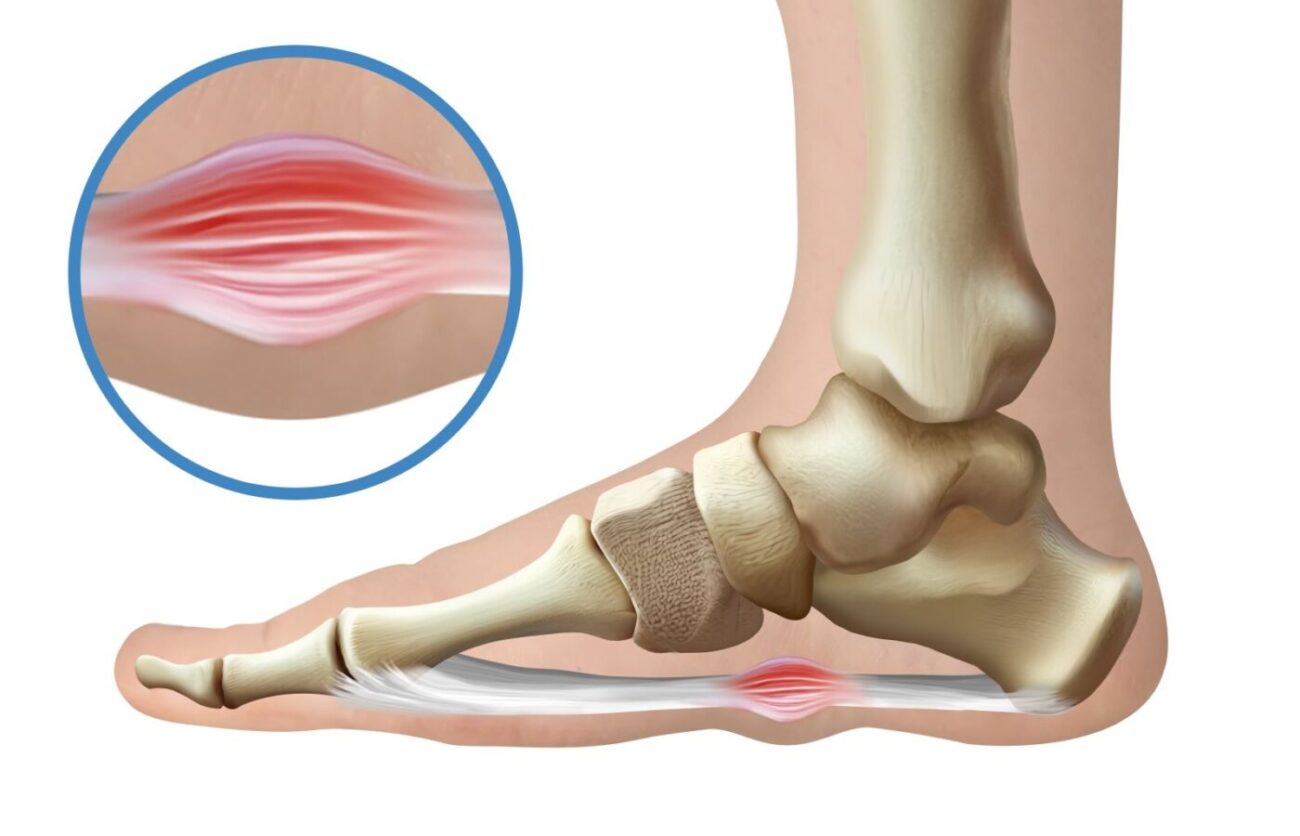
Plantar fasciitis is a common foot problem that causes pain in the heel. It happens when the thick band of tissue under the foot gets irritated or inflamed.
This band, called the plantar fascia, connects the heel bone to the toes. It helps support the arch of the foot and absorbs shock when you walk or run.
Plantar fasciitis can develop from many reasons. Some common causes include:
- Overuse of the foot during exercise or work
- Wearing shoes with poor arch support
- Being overweight, which puts extra pressure on the foot
- Having tight calf muscles or Achilles tendons
- Standing for long periods on hard surfaces
Symptoms Of Plantar Fasciitis
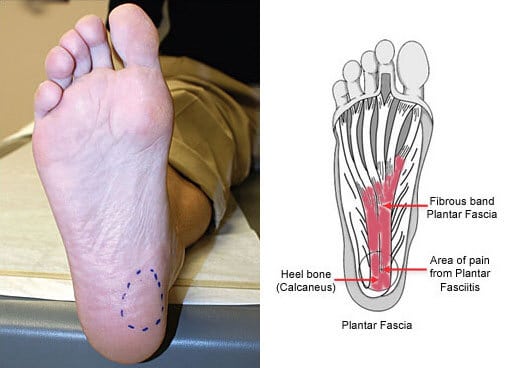
The main symptom is sharp heel pain, especially with the first steps after waking up. The pain may lessen with activity but can return after long standing or sitting.
How Plantar Fascia Works
The plantar fascia supports your foot’s arch and helps you walk. It acts like a bowstring to hold the foot bones in place.
| Function | Description |
|---|---|
| Support | Keeps the arch of the foot stable |
| Shock Absorption | Helps absorb impact when walking or running |
| Movement | Allows smooth foot motion during steps |
Credit: axespt.com
Causes Of Plantar Fasciitis
Plantar fasciitis happens when the tissue on the bottom of the foot gets hurt. This tissue is called the plantar fascia. It connects the heel bone to the toes.
Many things can cause this pain. Knowing the causes helps you prevent or treat the problem better.
Overuse Or Repetitive Stress
Standing or walking for a long time can strain the plantar fascia. People who work on their feet have a higher risk. Running or jumping too much also causes stress.
Foot Shape And Structure
Flat feet or very high arches can increase the risk of plantar fasciitis. These foot shapes put extra pressure on the plantar fascia. This can lead to small tears and pain.
Improper Footwear
Shoes that do not support the foot well can cause plantar fasciitis. Wearing shoes with thin soles or no arch support is risky. Old or worn-out shoes add to the problem.
- Poor arch support
- Thin or worn-out soles
- High heels or flat shoes without cushioning
Obesity Or Excess Weight
Extra body weight puts more pressure on the feet. This pressure can strain the plantar fascia. Over time, this causes pain and inflammation.
Age And Activity Level
People between 40 and 60 years old often get plantar fasciitis. This age group may have less flexible tissues. Low activity or sudden increase in activity can also cause problems.
Tight Achilles Tendon
The Achilles tendon connects the calf muscles to the heel. If it is tight, it pulls on the heel and plantar fascia. This pull causes strain and pain in the foot.
Symptoms To Watch For
Plantar fasciitis is a common foot condition. It causes pain in the heel and bottom of the foot. Knowing the symptoms can help in seeking treatment.
Identifying symptoms early can make a big difference. Let’s explore the signs to watch for if you think you have plantar fasciitis.
Sharp Heel Pain
Many people feel sharp pain in their heel. This often occurs in the morning or after sitting for a long time.
Stiffness In The Foot
Stiffness can be a sign of plantar fasciitis. It is usually felt after resting or sitting.
Swelling And Tenderness
Swelling and tenderness can appear in the heel area. These symptoms are often accompanied by redness.
Difficulty In Walking
Walking might become difficult due to pain. This can affect daily activities and reduce mobility.
Pain After Exercise
Pain might worsen after exercise or standing for long periods. It’s important to pay attention to this symptom.
- Rest and see if the pain reduces.
- Use ice to relieve swelling.
- Choose supportive shoes.
- Consider stretching exercises.
- Consult a doctor if symptoms persist.
Credit: ankleandfootcentre.com.au
Does Plantar Fasciitis Heal On Its Own?
Plantar fasciitis is a common foot condition that causes heel pain. Many people wonder if it will get better without treatment. Understanding how this condition heals can help you manage your pain and know what to expect.
This article explains whether plantar fasciitis can heal on its own and what factors affect recovery.
Plantar fasciitis happens when the tissue under your foot becomes inflamed. This tissue, called the plantar fascia, supports your foot arch. When it gets irritated, it causes sharp heel pain, especially in the morning or after rest.
Can Plantar Fasciitis Heal Without Treatment?
In many cases, plantar fasciitis can improve without medical treatment. The pain often lessens over weeks or months as the tissue heals. Rest and avoiding activities that cause pain help the recovery process.
Healing time varies from person to person. Some recover in a few months, while others may have pain for longer.
Factors That Affect Healing Time
- Age and overall health
- How much you rest your foot
- Weight and pressure on the foot
- Type of shoes worn
- Activity level and exercise habits
People who keep active without resting the foot might experience longer healing times. Good shoe support can reduce strain on the plantar fascia.
Signs Your Plantar Fasciitis Is Healing
| Sign | Description |
| Less Morning Pain | Pain eases after initial steps in the morning |
| Reduced Swelling | Foot feels less swollen and tender |
| Increased Activity | You can walk or stand longer without pain |
| Improved Comfort | Foot feels better during daily activities |
When To See A Doctor
If pain lasts more than six months or gets worse, seeing a doctor is important. They can suggest treatments like physical therapy, orthotics, or other options to help you heal.
Ignoring severe pain can cause more foot problems in the future.
Effective Home Remedies
Plantar fasciitis causes pain in the heel and foot. Many people wonder if it ever goes away. The good news is that with care, it often improves over time.
Simple home treatments can help reduce pain and speed recovery. These remedies focus on resting the foot and improving its support.
Rest And Ice Therapy
Resting your foot is important to reduce inflammation. Avoid activities that cause pain, like running or standing for long periods.
Ice therapy helps lower swelling and numbs the pain. Apply ice for 15 to 20 minutes, three to four times a day.
- Use a cold pack or frozen bag of peas
- Wrap ice in a cloth to protect skin
- Do not apply ice directly on skin
- Rest between ice sessions
Stretching Exercises
Stretching helps loosen the plantar fascia and calf muscles. Gentle stretches reduce tension and improve foot flexibility.
Try to stretch daily, especially before getting out of bed and after long sitting periods.
- Calf stretches on a wall
- Toe stretches by pulling toes toward shin
- Rolling foot over a frozen bottle
- Hold each stretch for 15 to 30 seconds
Proper Footwear Choices
Wearing the right shoes supports your feet and reduces stress on the fascia. Avoid flat shoes or worn-out soles.
Look for shoes with good arch support and cushioning. Use orthotic inserts if needed for extra comfort.
- Shoes with firm arch support
- Shock-absorbing soles
- Avoid walking barefoot on hard floors
- Replace old shoes regularly

Credit: www.compressionstockingsonline.com.au
Medical Treatments Available
Plantar fasciitis can cause pain and discomfort in the heel. Many people want to know if it will ever go away. Medical treatments can help reduce pain and speed healing.
Doctors offer different treatments based on how bad the pain is. Some treatments are simple, and others may need more care. Here are the main medical options.
Physical Therapy Options
Physical therapy helps stretch and strengthen the foot and leg muscles. This can ease stress on the plantar fascia. Therapists use exercises to improve flexibility and support.
Therapists may also use ice, massage, or ultrasound to reduce pain. Regular therapy sessions help speed recovery and prevent future injury.
- Stretching exercises for calves and feet
- Strengthening foot arch muscles
- Ice therapy to reduce inflammation
- Massage to relax tight tissues
- Ultrasound treatment to promote healing
Medications And Injections
Doctors may recommend medicines to reduce pain and swelling. Over-the-counter pain relievers like ibuprofen or naproxen are common choices. These help ease discomfort.
In some cases, steroid injections are given directly into the heel. These shots reduce inflammation quickly. They usually provide short-term relief but may need repeating.
- Nonsteroidal anti-inflammatory drugs (NSAIDs)
- Acetaminophen for pain relief
- Corticosteroid injections for inflammation
- Topical pain relief creams
Surgical Procedures
Surgery is a last option if other treatments fail. It removes part of the plantar fascia to release tension. Surgery can help when pain lasts many months.
Recovery from surgery takes time. Physical therapy is needed after surgery to regain strength. Surgery has risks, so doctors suggest it only if needed.
- Plantar fascia release surgery
- Endoscopic surgery for less invasive treatment
- Post-surgery physical therapy required
- Surgery considered after 6-12 months of pain
Preventing Recurrence
Plantar fasciitis can come back if you do not take care of your feet. Preventing it means keeping good habits and making smart changes.
This guide helps you learn how to keep your feet healthy and adjust your lifestyle to avoid pain again.
Maintaining Foot Health
Strong, flexible feet reduce the chance of plantar fasciitis. You must support your feet every day.
- Wear shoes with good arch support and cushioning.
- Use orthotic inserts if your feet need extra help.
- Stretch your calves and the bottom of your feet daily.
- Avoid walking barefoot on hard surfaces.
- Rest your feet if you feel pain or discomfort.
Lifestyle Modifications
Simple lifestyle changes can lower your risk of plantar fasciitis returning. Focus on habits that ease foot stress.
| Change | Why It Helps |
| Lose excess weight | Less pressure on your feet |
| Limit standing for long times | Reduces foot strain |
| Choose low-impact exercise | Protects your heels from injury |
| Warm up before activity | Prepares muscles and tendons |
| Sleep with foot support if needed | Keeps foot in a relaxed position |
Frequently Asked Questions
Does Plantar Fasciitis Pain Go Away Naturally?
Plantar fasciitis pain can improve naturally with rest and proper care. However, treatment speeds recovery and reduces discomfort. Ignoring symptoms may lead to chronic pain or complications. Early intervention improves the chance of full healing and faster pain relief.
How Long Does Plantar Fasciitis Usually Last?
Plantar fasciitis typically lasts 6 to 18 months without treatment. With proper care, symptoms often improve within weeks to months. Recovery time varies based on severity, activity level, and treatment consistency. Early treatment usually shortens the healing period significantly.
Can Plantar Fasciitis Fully Heal Without Surgery?
Yes, most plantar fasciitis cases heal completely without surgery. Conservative treatments like stretching, orthotics, and rest are usually effective. Surgery is rare and considered only after months of failed non-surgical care. Patience and proper management are key for full recovery.
What Treatments Help Plantar Fasciitis Go Away Faster?
Effective treatments include rest, stretching exercises, orthotic inserts, and anti-inflammatory medications. Physical therapy and night splints also aid recovery. Combining these approaches reduces pain and speeds healing. Consistency and avoiding aggravating activities improve treatment success.
Conclusion
Plantar fasciitis often improves with time and care. Rest, stretching, and proper shoes help ease pain. Many people find relief without surgery. Staying active but gentle on your feet matters. Patience and consistency make a big difference. If pain lasts long, see a doctor for advice.
Your feet can heal and feel better again. Keep up good habits to avoid future problems. Healing takes time, but it is possible.