Have you ever wondered why some fishing rods feel different when you cast or reel in your catch? The secret lies in something called “fishing rod action.”
Understanding this can change the way you fish and help you choose the perfect rod for your style. You’ll discover what fishing rod action really means and how it can make your fishing experience more exciting and successful. Keep reading—you’re about to unlock a simple trick that could boost your fishing skills immediately.

Credit: www.reddit.com
Types Of Rod Action
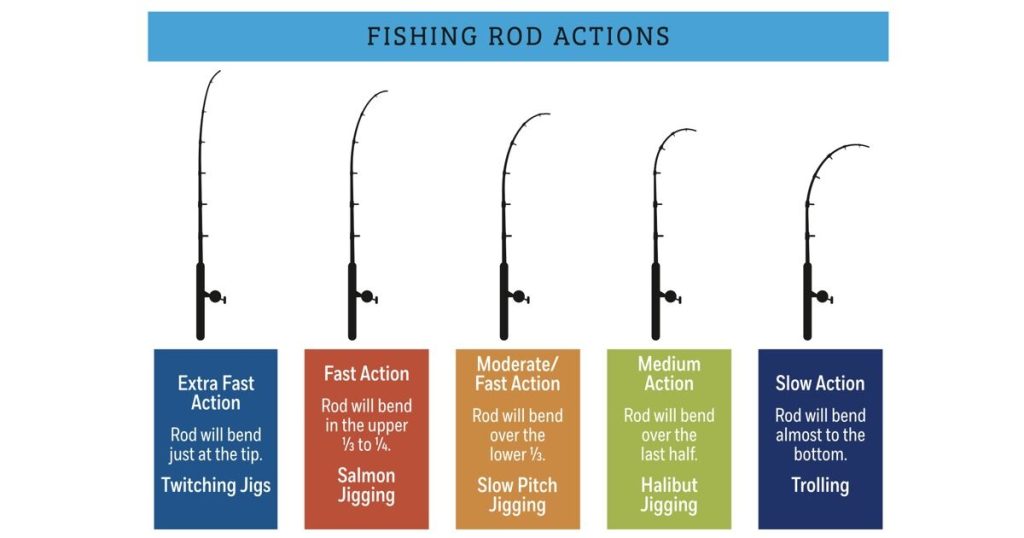
Fishing rod action shows how much a rod bends when you pull the line. It affects how you cast and fight fish. Different actions suit different fishing styles and fish types.
There are three main types of rod action: fast, medium, and slow. Each type bends in a unique way and has special uses.
Fast Action Rods
Fast action rods bend mostly near the tip. They offer quick hook sets and better control. Anglers use them for long casts and fighting strong fish.
- Tip bends only, stiff backbone
- Good for heavy lures and lines
- Precise and sensitive
Medium Action Rods
Medium action rods bend from the tip to the middle. They provide a balance of power and flexibility. These rods work well for many fishing types.
| Feature | Description |
| Bend Area | Tip to midsection |
| Best For | General fishing and medium lures |
| Advantages | Good casting distance and hook setting |
Slow Action Rods
Slow action rods bend from the tip to the handle. They absorb fish fights better. These rods suit light lures and small fish.
Slow action rod benefits include:
- Smoother casting with light lures
- Less chance of line breakage
- Gentle on small fish

Credit: anglersresource.net
How Rod Action Affects Casting
Fishing rod action describes how much and where a rod bends when pressure is applied. It plays a key role in casting performance and fish handling.
Understanding rod action helps anglers improve their casting distance, accuracy, and lure presentation for a better fishing experience.
Casting Distance
Rod action affects how far you can cast your lure. Fast action rods bend mostly near the tip and snap back quickly. This quick recovery launches the lure farther.
Slow action rods bend more along the entire length. They release energy more slowly, which usually results in shorter casts.
Accuracy And Control
Rod action changes how much control you have during casting. Fast action rods offer precise control and help place the lure exactly where you want it.
- Fast action rods allow quick line movement and better aim.
- Medium action rods balance control and flexibility.
- Slow action rods provide less accuracy but are forgiving for beginners.
Lure Presentation
The way a lure moves in water depends on rod action. Fast action rods create sharp, strong movements. Slow action rods produce softer, slower lure actions.
| Rod Action | Lure Movement | Best For |
| Fast | Sharp, quick | Heavy lures, long casts |
| Medium | Moderate, balanced | Versatile fishing styles |
| Slow | Soft, smooth | Light lures, finesse fishing |
Impact On Fish Fighting
Fishing rod action plays a crucial role in how you fight fish. The action of the rod can affect your control and the effectiveness of your fishing techniques.
Understanding different rod actions helps in choosing the right rod for the type of fish you are targeting. Let’s explore how rod action impacts various aspects of fishing.
Hook Setting Power
Hook setting power refers to the ability of the rod to transfer energy to the hook. This is vital for ensuring that the hook penetrates the fish’s mouth properly.
- Fast action rods provide quick hook sets.
- Medium action rods balance power and flexibility.
- Slow action rods are less effective for quick hook setting.
Shock Absorption
Shock absorption is important when a fish makes sudden movements. A rod with good shock absorption helps in maintaining tension and prevents the line from breaking.
| Rod Action | Shock Absorption |
| Fast | Low |
| Medium | Moderate |
| Slow | High |
Handling Different Fish Species
Different fish species require different rod actions for effective handling. Choosing the right rod action can enhance your fishing experience and success rate.
Fast action rods are ideal for bass fishing. Medium action rods work well for trout and walleye. Slow action rods are suited for panfish and small trout.
Choosing Rod Action For Different Techniques
Fishing rod action means how much the rod bends when you pull it. It affects how you feel the fish and how you cast your lure.
Different fishing techniques need different rod actions. Choosing the right action helps you catch fish better and enjoy fishing more.
Spinning Vs. Baitcasting
Spinning rods usually have a softer action to help cast light lures far. Baitcasting rods have a faster action for heavy lures and precise casts.
Fast action rods work well with baitcasting setups because they give better control. Medium or slow action rods suit spinning reels for smooth casts.
- Spinning rods: medium to slow action for light lures
- Baitcasting rods: fast action for heavy lures
- Choose based on lure weight and casting distance
Topwater Fishing
Topwater fishing needs a fast action rod. This action helps set the hook quickly when a fish strikes the surface.
A fast action rod also gives more sensitivity. You can feel small taps and react faster to bites.
- Fast action for quick hook sets
- Good sensitivity to detect light bites
- Medium power helps control fish on surface
Jigging And Bottom Fishing
Jigging and bottom fishing need rods with medium to slow action. These rods absorb the fish’s pull and protect thin lines.
Slow action rods bend more, which helps when fighting fish near rocks or structure. Medium action rods give a balance of power and flexibility.
- Slow action for gentle hook sets and fish protection
- Medium action for power and flexibility
- Sturdy rods help control heavy fish near bottom
Matching Rod Action With Target Species
Fishing rod action affects how the rod bends and feels during a catch. It helps you control the fish better. Choosing the right rod action depends on the type of fish you want to catch.
Different fish need different rod actions. Light action rods work well for small fish. Heavy action rods are good for big, strong fish. Knowing this helps you pick the best rod for your fishing trip.
Small Panfish And Trout
Small panfish and trout are usually delicate fighters. A light or ultralight rod action gives you better sensitivity and control. This helps you feel even small bites and avoid breaking the line.
- Light action rods bend easily near the tip
- They provide quick hook sets for small mouths
- They reduce strain on light fishing lines
- They improve casting accuracy for small lures
Bass And Walleye
Bass and walleye are stronger and more aggressive fish. Medium to medium-heavy action rods work best. They offer a balance between sensitivity and power, allowing you to fight fish without losing control.
| Rod Action | Best Use | Advantages |
| Medium | Most bass fishing | Good hook setting and control |
| Medium-Heavy | Larger bass and walleye | Stronger backbone for big fish |
| Heavy | Big bass in heavy cover | Power to pull fish from weeds |
Saltwater Game Fish
Saltwater game fish like redfish, snook, and tarpon are strong fighters. Heavy or extra-heavy action rods are needed for these species. These rods can handle heavy lines and big lures.
- Strong backbone to fight large fish
- Durable materials to resist saltwater corrosion
- Fast action tips for quick hook sets
- Good power for pulling fish from structure
Material And Construction Influence
The action of a fishing rod depends a lot on the materials used. Different materials make the rod bend and react in unique ways.
How a rod is built also changes its action. The way layers and parts fit together affects strength and flexibility.
Graphite Vs. Fiberglass
Graphite rods are light and sensitive. They bend quickly and snap back fast. This makes them good for quick hook sets.
Fiberglass rods are heavier and bend slower. They give a smooth bend and are strong. They work well for big fish and rough use.
- Graphite: light, fast action, sensitive
- Fiberglass: heavy, slow action, durable
Rod Length And Power
Longer rods bend more and have slower action. Short rods bend less and act faster.
Rod power means how strong the rod is. Strong rods bend less and are good for heavy fish. Light rods bend more for small fish.
- Long rod = slower action, more bend
- Short rod = faster action, less bend
- Heavy power = less bend, strong
- Light power = more bend, flexible
Handle Types
Handles affect how you hold and control the rod. Different materials and shapes change comfort and grip.
Cork handles are light and feel soft. EVA foam handles are tough and resist water well. The handle shape can be straight or contoured for better hold.
- Cork: lightweight, soft, good grip
- EVA foam: durable, water-resistant
- Straight handle: simple, easy to hold
- Contoured handle: fits hand shape better
Testing Rod Action Before Buying
Choosing the right fishing rod action is important for a good fishing experience. It affects how the rod bends and how it feels in your hand.
Testing the rod before buying helps you find the right balance of strength and flexibility for your needs.
Bending The Rod
Hold the rod firmly and press the tip downward. Notice how much the rod bends along its length. Fast action rods bend near the tip, while slow action rods bend closer to the handle.
- Fast action: bends at the top 20% of the rod
- Medium action: bends in the top 30-60%
- Slow action: bends along the entire rod length
Feel And Flexibility
Check how the rod feels when you flex it. A rod with good flexibility will bend smoothly without feeling stiff or too soft. This helps in casting accuracy and fighting fish.
| Rod Action | Flexibility Level | Best For |
| Fast | Low | Long casts and big fish |
| Medium | Moderate | Versatile fishing |
| Slow | High | Small fish and light lures |
Reel Compatibility
Match the rod action with the reel type for better control. Fast action rods work well with baitcasting reels. Medium and slow action rods pair nicely with spinning reels.
- Fast action rods + baitcasting reels = precise casting
- Medium action rods + spinning reels = good versatility
- Slow action rods + spinning reels = gentle line control

Credit: www.reddit.com
Frequently Asked Questions
What Does Fishing Rod Action Mean?
Fishing rod action describes how a rod bends when pressure is applied. It affects casting distance, accuracy, and lure control. Fast action rods bend near the tip, while slow action rods bend throughout the length. Action impacts fishing style and target species.
How Does Rod Action Affect Casting?
Rod action influences casting speed and distance. Fast action rods allow longer, more accurate casts. Slow action rods cast shorter but provide better control. Choosing the right action depends on fishing conditions and lure weight for optimal performance.
Which Rod Action Suits Beginners Best?
Medium action rods are best for beginners. They offer a balance between flexibility and stiffness. This makes casting easier and improves hook-setting. Medium action rods handle various fishing situations, helping new anglers learn effectively.
Can Rod Action Impact Fish Fighting?
Yes, rod action affects how you fight fish. Fast action rods provide more sensitivity and quicker hook sets. Slow action rods absorb shocks better, reducing line breaks. Selecting the right action helps manage fish size and fight intensity.
Conclusion
Choosing the right fishing rod action helps improve your fishing experience. It affects how you cast, feel bites, and fight fish. Fast action rods give quick response and power. Slow action rods bend more and offer better control. Medium action rods balance power and flexibility well.
Knowing rod action helps match your style and target fish. It makes fishing easier and more fun. Keep these points in mind when selecting your next rod. Fish smarter, enjoy more.