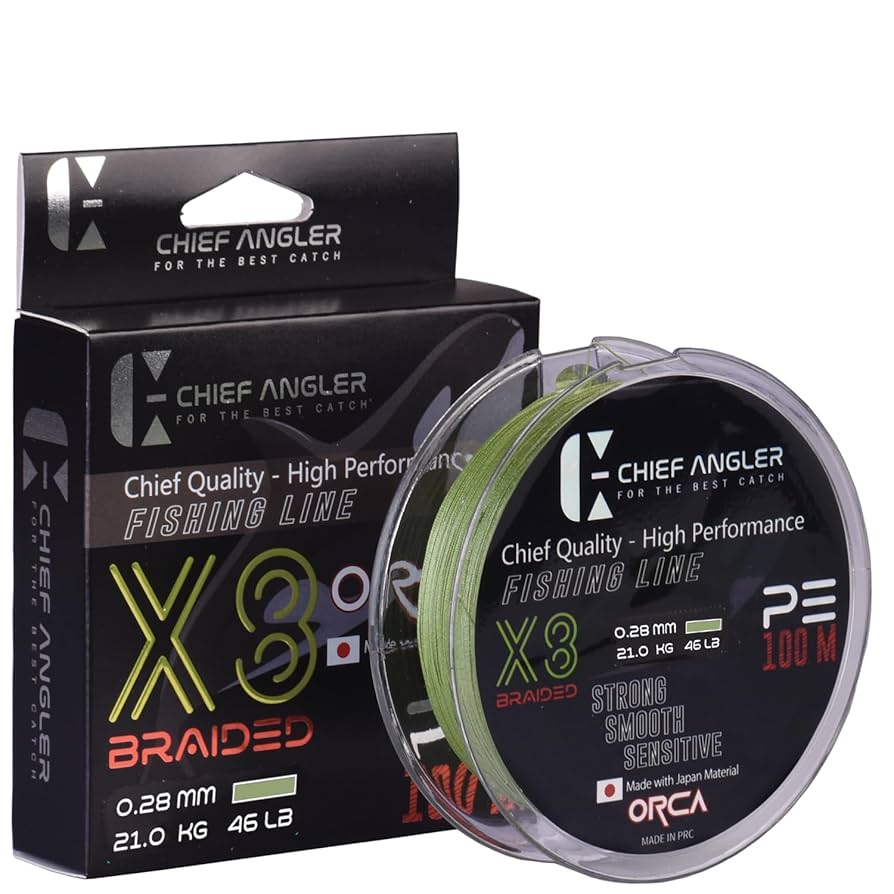
Choosing the best braided fishing line can make a huge difference in your fishing experience. You want a line that is strong, durable, and easy to handle.
But with so many options out there, how do you know which one is right for you? This guide will help you understand what to look for and how to pick the perfect braided line that matches your fishing style.
Keep reading to discover the key factors that will boost your catch and make every cast count.
Braided Line Basics
A braided fishing line is made from several strands of fibers woven together. It is popular among anglers for its strength and thin diameter.
This type of line is different from monofilament or fluorocarbon lines. It does not stretch much and feels very strong for its size.
Material And Construction
Most braided lines use synthetic fibers like Spectra or Dyneema. These materials are very strong and lightweight.
The fibers are tightly woven to make a thin, round line. This tight weave helps the line resist cuts and abrasion.
- Synthetic fibers provide high strength
- Tight weaving adds durability
- Thin diameter allows more line on the reel
Strength And Durability
Braided lines have excellent strength for their size. They can hold heavy fish without breaking.
Because of their construction, they last longer and resist damage from rocks or sharp objects better than other lines.
- High strength-to-diameter ratio
- Great abrasion resistance
- Long-lasting performance
Sensitivity And Casting
Braided lines have very low stretch. This makes them more sensitive to bites and underwater movements.
They also cast well due to their thin diameter and smooth surface. This helps anglers reach longer distances easily.
- Low stretch improves bite detection
- Thin line helps with long casts
- Smooth texture reduces friction
Key Features To Consider
Choosing the best braided fishing line depends on several important features. These features affect your fishing experience and success.
Focus on quality and performance when picking a braided line. Knowing what to look for helps you make the right choice.
Tensile Strength
Tensile strength is the maximum force a line can handle before breaking. A higher tensile strength means you can catch bigger fish without the line snapping.
Check the strength rating on the package. Choose a line that matches the size of fish you want to catch.
Abrasion Resistance
Abrasion resistance shows how well the line stands up to rough surfaces. This is important if you fish near rocks, weeds, or other obstacles.
- Look for lines made with durable fibers
- Choose thicker braids for better resistance
- Consider coatings that protect against wear
Diameter And Visibility
| Feature | Why It Matters |
| Diameter | Thinner lines cut through water easier and cast farther. |
| Visibility | Low visibility lines are less likely to scare fish. |
| Balance | Choose a line with a good mix of thin diameter and strength. |
Knot Strength
Knot strength measures how well the line holds when tied. Weak knots can cause lost fish or broken lines.
Test different knots and see which ones keep the line strong. Practice tying knots to avoid mistakes.
Top Braided Lines For Strength
Braided fishing lines are popular for their strength. They help in catching big fish without snapping. Choosing the right line is important for a successful fishing trip.
There are many types of braided lines. Some are strong and last long. Others are best for saltwater fishing. Let’s explore the top options available.
Premium High-strength Lines
Premium lines offer the best strength. They are made from high-quality materials. These lines are ideal for large fish and challenging conditions.
They may cost more, but their performance is unmatched. Many anglers trust them for tournaments and serious fishing.
- Strong and durable
- Ideal for big catches
- High-quality materials
Affordable Durable Options
These lines are budget-friendly but strong. They offer good performance for everyday fishing. Many beginners start with these lines.
They are great for those who fish often. You get strength without spending too much money.
- Cost-effective
- Good for regular fishing
- Reliable performance
Lines For Saltwater Fishing
Saltwater fishing needs special lines. These lines resist saltwater damage. They are strong and can handle ocean conditions.
Using the right line in saltwater is important. It ensures your line does not break easily during a catch.
- Resistant to saltwater
- Strong for ocean conditions
- Prevents line breakage
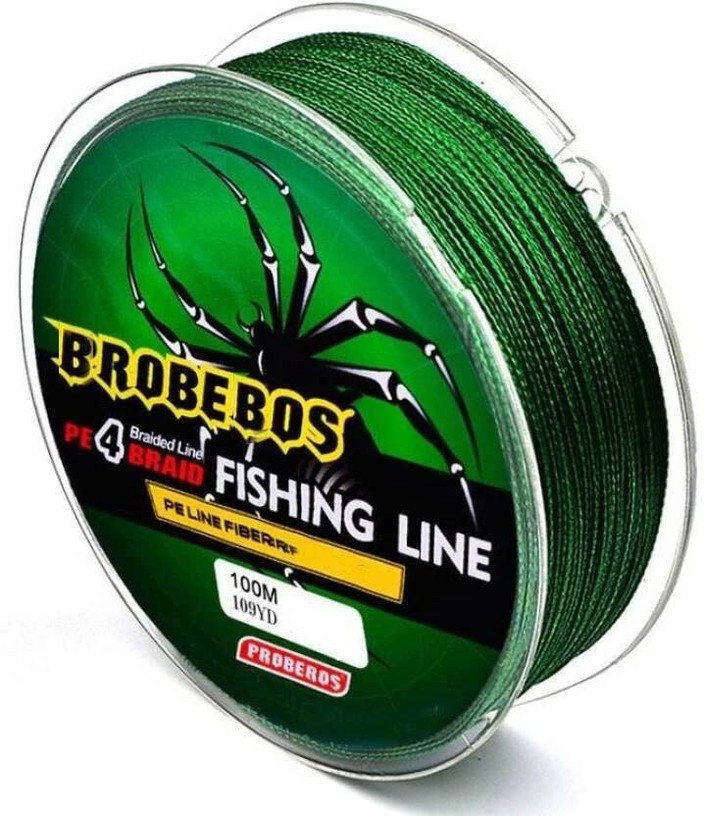
Credit: www.flipkart.com
Choosing The Right Line For Your Needs
Selecting the best braided fishing line depends on your fishing style. Different lines suit different needs and conditions. Knowing what to look for helps you fish better.
This guide covers key points to consider before buying braided line. Focus on your target species, gear compatibility, and budget. These factors affect your choice and success.
Target Species And Conditions
Your choice depends on the fish you want to catch and the water conditions. Stronger fish need thicker, tougher lines. Clear water needs thinner, less visible lines.
- For heavy species like bass or catfish, use thicker lines for strength.
- Smaller fish like trout require thinner lines for sensitivity.
- In saltwater, choose lines that resist abrasion and salt damage.
- In clear water, pick lines with low visibility colors.
- For rough environments, pick braided lines with good abrasion resistance.
Rod And Reel Compatibility
Match your braided line to your rod and reel. The line must fit the reel spool and rod guides. This helps with casting and prevents damage to your gear.
| Gear Type | Recommended Line Strength | Notes |
| Light Spinning Rod | 10-20 lb test | Use thinner braided line for smooth casting |
| Medium Casting Rod | 20-40 lb test | Balanced strength for general use |
| Heavy Saltwater Rod | 50+ lb test | Requires thick, strong braided line |
Budget Considerations
Price matters when buying braided line. Good quality line costs more but lasts longer. Cheaper lines may save money but break easily. Balance cost with quality.
Here are tips to manage your budget:
- Buy from trusted brands to avoid poor quality.
- Consider line thickness versus price; thinner lines are costlier.
- Purchase bulk spools for better value.
- Replace line regularly to avoid losing fish.
Care And Maintenance Tips
Taking care of your braided fishing line helps it last longer. Proper care keeps it strong and ready for fishing.
Simple maintenance steps protect your line from damage and make your fishing trips better.
Proper Storage
Store braided fishing line in a cool, dry place away from sunlight. Heat and light can weaken the fibers.
Keep the line on the spool and avoid tangling. Use a line holder or spool cover if possible.
- Keep line away from chemicals and dirt
- Do not store near sharp objects
- Avoid tight bends or knots
Regular Inspection
Check your braided line often for signs of wear. Look for frays, cuts, or broken fibers.
Inspect the line after each fishing trip. Catching problems early stops bigger damage.
- Run your fingers along the line to feel rough spots
- Check knots and connections for tightness
- Replace damaged sections immediately
Line Replacement Timing
Replace your braided line regularly to keep fishing strong and safe. Old line loses strength and can snap.
Change the line after many uses or if you see damage. Fresh line improves casting and catching.
- Replace line every 6-12 months if used often
- Change immediately if line is frayed or cut
- Use new line before big fishing trips

Credit: www.amazon.in

Credit: cabraloutdoors.com
Frequently Asked Questions
What Is Braided Fishing Line Used For?
Braided fishing line offers high strength and low stretch. It’s ideal for heavy cover, deep water, and large fish. Anglers prefer it for superior sensitivity and durability compared to monofilament or fluorocarbon lines.
How Does Braided Line Compare To Monofilament?
Braided line is stronger and thinner than monofilament. It has minimal stretch, improving hook setting and sensitivity. Monofilament offers more stretch and is easier to handle but is less durable and visible underwater.
What Is The Best Diameter For Braided Line?
Choose diameter based on targeted fish species and fishing conditions. Thinner lines offer better casting and sensitivity. Thicker lines provide more abrasion resistance and strength for heavy cover or large fish.
How Long Does Braided Fishing Line Last?
Braided lines last longer than monofilament but degrade with UV exposure. Proper storage away from sunlight and saltwater extends lifespan. Typically, replace braided lines every 1-2 years or when fraying appears.
Conclusion
Choosing the best braided fishing line depends on your needs and budget. Strong lines last longer and resist wear well. Thin lines help you cast farther and feel bites better. Color and material affect visibility and durability. Testing different lines can help find your perfect match.
Remember, the right line makes fishing more fun and successful. Keep these tips in mind for your next fishing trip.