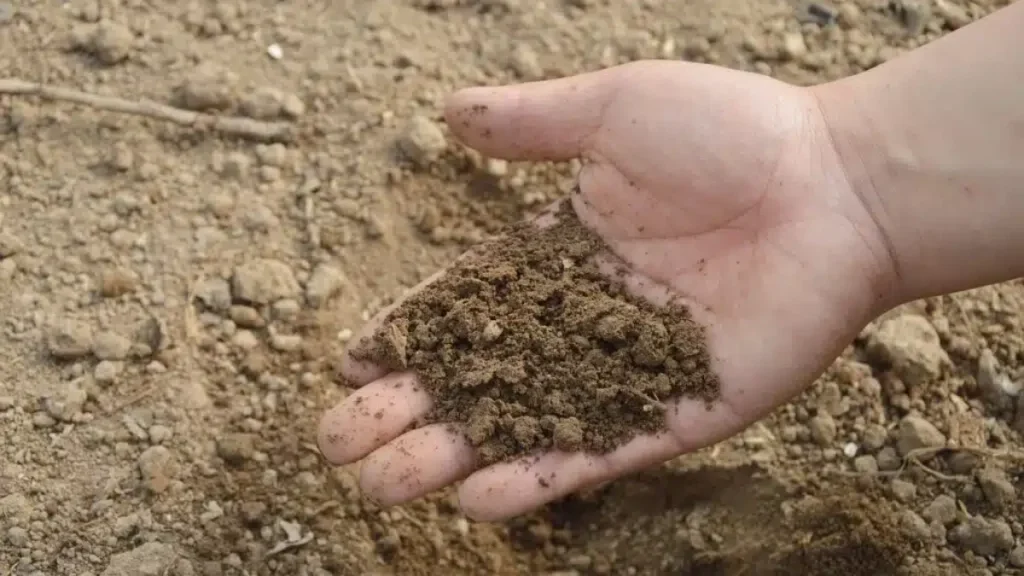
Are you wondering if adding dirt to your compost bin is a good idea? It’s a common question for anyone starting or improving their composting routine.
You want your compost to break down quickly and nourish your garden, but is dirt helping or hurting that process? Keep reading to discover the surprising truth about dirt in compost bins—and learn simple tips to make your compost work better for you.
This could change the way you think about composting forever.

Credit: blissfulbritt.com
Why Add Dirt To Compost
Adding dirt to your compost bin can help the composting process. Dirt contains helpful microbes that break down organic matter. It also helps keep the compost balanced and moist.
Understanding why to add dirt helps you make better compost faster. It supports microbes, controls moisture, and improves texture.
Boosting Microbial Activity
Dirt is full of tiny living organisms like bacteria and fungi. These microbes help turn food scraps and plant waste into rich compost. Adding dirt introduces these microbes to your bin.
More microbes mean faster breakdown of materials and less bad smell. Dirt also gives microbes a place to live and grow.
Balancing Moisture Levels
Dirt helps keep the right moisture level in the compost. Compost needs to be damp but not wet. Dirt can soak up extra water or release moisture when the compost is dry.
- Dirt absorbs excess water to stop soggy compost.
- It holds water to keep compost moist during dry days.
- Maintains a balance that helps microbes work well.
Improving Compost Texture
Dirt adds structure to the compost pile. It helps create small air pockets. These pockets allow air to flow through the compost. Good air flow stops bad odors and helps microbes breathe.
| Benefit | Effect on Compost |
| Air pockets | Improves airflow and prevents smell |
| Structure | Keeps compost loose and easy to turn |
| Mixing | Helps blend green and brown materials evenly |

Credit: www.chelseagreen.com
Types Of Dirt Suitable For Compost
Dirt can be a useful addition to your compost bin. It adds helpful microorganisms that break down organic matter. Not all dirt types work well in compost. Choose the right type for best results.
This guide explains which dirt types suit compost and which to avoid. Use these tips to keep your compost healthy and effective.
Garden Soil
Garden soil is the soil found in your garden beds. It often contains beneficial microbes and organic matter. Adding small amounts to compost helps speed up decomposition.
- Rich in microorganisms
- Contains natural nutrients
- Improves compost texture
- Use soil free from pesticides
Topsoil
Topsoil is the upper layer of soil, usually darker and richer in organic matter. It can add valuable nutrients and microbes to your compost. Use topsoil carefully to avoid adding weed seeds.
| Soil Type | Benefits | Precautions |
| Garden Soil | Good microbes, organic content | Check for chemicals |
| Topsoil | Rich nutrients, organic matter | Avoid weed seeds |
Avoiding Contaminated Soil
Soil from unknown or polluted sites can harm your compost. Avoid soil from construction areas, near roads, or places with chemicals. Contaminated soil can kill beneficial microbes and ruin compost quality.
- Do not use soil near industrial sites
- Avoid soil with visible chemicals or debris
- Test soil if unsure about safety
- Use clean, natural soil only
How Much Dirt To Add
Adding dirt to a compost bin helps balance the organic materials. It improves decomposition and provides essential microorganisms.
But how much dirt should you actually add? Let’s explore the recommended ratios and signs of overuse.
Recommended Ratios
Start by adding a thin layer of dirt to your compost bin. This layer should be about one inch thick. This ratio works well for most compost piles.
Mix dirt with green and brown materials. Aim for a balance that keeps your compost healthy.
- 1 part dirt
- 2 parts green materials
- 3 parts brown materials
Signs Of Overuse
Too much dirt can slow down decomposition. It might make the compost heavy and compact.
Watch for signs that you are using too much dirt. These include a lack of heat and a musty smell.
- Compost feels dense and compact
- Decomposition seems slow
- No heat in the pile
- Musty or earthy smell
Adjusting Based On Compost Stage
As your compost matures, the need for dirt changes. In the early stages, add more dirt for microorganisms.
Later, reduce the amount to avoid slowing down the process. Adjust the ratio as your compost evolves.
- Early stage: More dirt for microbes
- Mid stage: Balanced ratio for decomposition
- Late stage: Less dirt to prevent compaction

Credit: www.reddit.com
Layering Dirt In The Compost Bin
Adding dirt to a compost bin helps speed up the breakdown of materials. It introduces helpful microbes and adds structure to the pile.
Proper layering of dirt with other compost ingredients keeps the process balanced and efficient. This guide explains how to layer dirt well.
Creating Effective Layers
Start by placing a thin layer of dirt at the bottom of the compost bin. This layer helps absorb moisture and holds microbes that break down waste.
Alternate layers of dirt with organic materials. Dirt layers should be thin to keep air flowing and avoid compaction.
- Begin with a dirt layer 1-2 inches thick
- Add a layer of greens like vegetable scraps
- Follow with a layer of browns such as dried leaves
- Repeat layers, ending with a dirt layer on top
Mixing Dirt With Greens And Browns
Mixing dirt with green and brown materials balances moisture and nutrients. Greens provide nitrogen, while browns supply carbon.
Dirt holds microbes that help break down these materials. Mixing them well speeds up composting and reduces bad smells.
- Use equal parts of greens and browns for balance
- Sprinkle dirt between green and brown layers
- Mix gently to combine materials without crushing them
Maintaining Aeration
Air is vital for compost microbes to work well. Dirt can block air if it is layered too thick or packed tightly.
Keep dirt layers thin and fluffy. Turn the compost regularly to add air and mix materials for better breakdown.
- Do not add thick layers of dirt
- Loosen dirt layers to avoid compaction
- Turn compost every few weeks to increase airflow
Common Mistakes When Adding Dirt
Adding dirt to a compost bin might seem helpful. It can add minerals and microbes. But mistakes can slow down composting.
Knowing what to avoid helps keep your compost healthy. Here are common errors when adding dirt.
Adding Too Much Dirt
Putting too much dirt in your compost bin can cause problems. Dirt is heavy and can compact materials. This stops air flow.
Good compost needs air to break down waste. Too much dirt can make the pile soggy and slow the process.
- Dirt should be a thin layer, not a thick pile.
- Mix dirt lightly into the compost.
- Avoid burying fresh waste too deep under dirt.
Using Contaminated Soil
Not all soil is safe for compost. Contaminated soil can have chemicals or harmful germs. This hurts your compost’s quality.
Soil from places treated with pesticides or near roads may be risky. Avoid adding soil from unknown sources.
- Use soil from organic gardens or natural areas.
- Do not add soil with visible chemicals or trash.
- Check soil source before adding to compost.
Ignoring Moisture Control
Dirt can change the moisture level in your compost. Too much moisture makes the pile wet and smelly. Too little moisture stops decomposition.
Check moisture often. Dirt may absorb water or hold too much water depending on type.
- Keep compost damp like a wrung-out sponge.
- Add dry materials if compost is too wet.
- Add water if compost is too dry.
- Mix compost to spread moisture evenly.
Benefits Of Including Dirt In Compost
Adding dirt to your compost bin can help the composting process. It brings tiny organisms that break down waste faster. Dirt also adds nutrients that plants need.
Using dirt in compost improves the final soil quality. It makes the compost richer and better for your garden.
Faster Decomposition
Dirt contains helpful bacteria and fungi. These organisms speed up the breakdown of organic matter. Composting becomes quicker and more efficient with dirt added.
- Introduces microorganisms that digest waste
- Improves moisture retention for microbes
- Helps mix carbon and nitrogen materials
Richer Nutrient Content
Dirt adds minerals and nutrients to compost. These include nitrogen, phosphorus, and potassium. These nutrients support strong plant growth.
| Soil Nutrient | Role in Plants |
| Nitrogen (N) | Supports leaf and stem growth |
| Phosphorus (P) | Helps root development and flowers |
| Potassium (K) | Strengthens plants and disease resistance |
Enhanced Soil Structure
Adding dirt improves how compost holds together. It creates a crumbly texture that is easy for roots to grow through. Good soil structure helps water drain and air flow.
- Increases soil aeration
- Improves water retention
- Encourages root penetration
Frequently Asked Questions
Can You Add Dirt Directly To A Compost Bin?
Yes, you can add small amounts of dirt to your compost bin. It introduces beneficial microbes that speed up decomposition. Avoid adding large amounts to prevent compaction and poor airflow, which can slow down the composting process.
Does Soil Improve Compost Quality?
Soil adds microorganisms that help break down organic materials faster. It also balances moisture and texture in the compost. Adding soil in moderation enhances compost quality and nutrient content, promoting healthier plants when the compost is used.
Will Dirt In Compost Cause Bad Odors?
Adding a small amount of dirt usually does not cause bad odors. Problems arise if excess dirt makes the compost too wet or compacted. Proper aeration and balance of materials prevent unpleasant smells in your compost bin.
How Much Dirt Should Be Added To Compost?
Add only a thin layer or handful of dirt to your compost pile. Excess dirt can hinder airflow and slow decomposition. A small amount is enough to introduce helpful microbes without disrupting the compost balance.
Conclusion
Adding a little dirt to your compost bin can help balance moisture and add microbes. Too much dirt, though, can slow down the composting process. Keep the mix mostly food scraps, leaves, and yard waste for best results. Remember to turn your compost often to help it break down well.
Dirt is not harmful but use it sparingly. Good compost makes your garden healthy and strong. Simple care and the right ingredients bring success. Dirt can be part of the mix, but don’t rely on it alone.