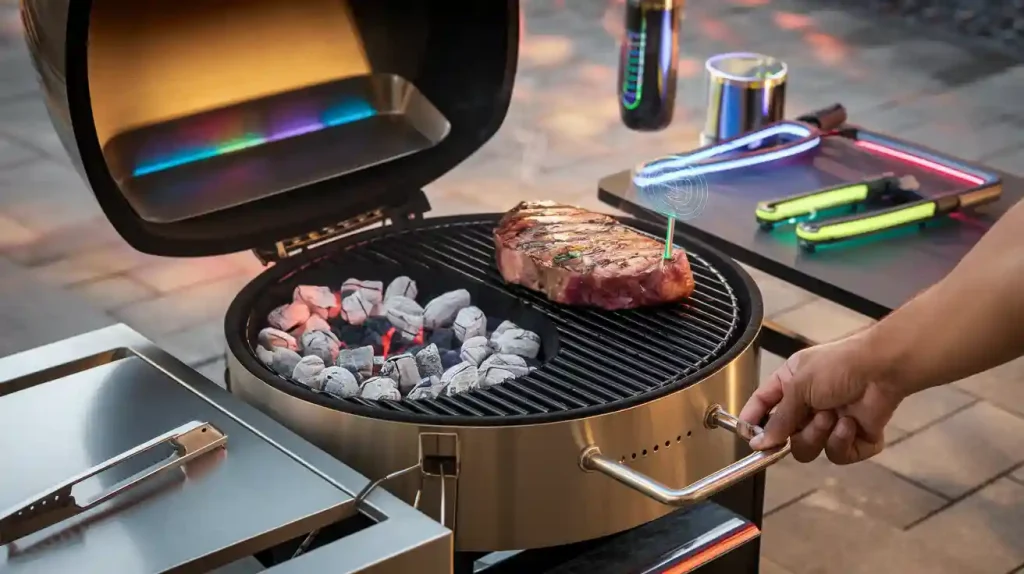
Want to get your charcoal grill hotter fast? Whether you’re aiming for the perfect sear or cooking a big meal, knowing how to boost your grill’s heat can make all the difference.
Imagine juicy steaks with that perfect crust or veggies cooked just right—sounds great, right? In this guide, you’ll discover simple tricks to turn up the heat and take your grilling game to the next level. Keep reading, and soon you’ll be the master of fire and flavor.
Choosing The Right Charcoal
Choosing the right charcoal is important to make your grill hotter. The type and quality of charcoal affect the heat and cooking time. Knowing the differences helps you pick the best option for your grilling needs.
This guide explains two main types of charcoal and what size and quality to choose for better heat control.
Natural Lump Charcoal Vs Briquettes
Natural lump charcoal is made from pure wood chunks. It lights quickly and burns hotter. Briquettes are made from compressed charcoal dust and other ingredients. They burn longer but at a steadier heat.
- Natural lump charcoal heats faster and reaches higher temperatures.
- Briquettes burn evenly and last longer during cooking.
- Lump charcoal produces less ash, which helps keep airflow steady.
- Briquettes create more consistent heat but more ash.
Quality And Size Of Charcoal Pieces
The size and quality of charcoal pieces affect how hot your grill gets. Bigger pieces burn slower and longer. Smaller pieces light quickly but burn out fast. Quality charcoal burns cleaner and hotter.
| Charcoal Size | Heat Output | Burn Time |
|---|---|---|
| Large pieces | Medium to high | Long |
| Medium pieces | High | Medium |
| Small pieces | Very high | Short |
| Low quality | Lower and inconsistent | Short |
| High quality | Strong and steady | Long |

Credit: ddrbbqsupply.com
Preparing The Grill For Maximum Heat
Getting your charcoal grill hot starts with proper preparation. Cleaning and managing airflow are key steps.
These simple actions help your grill reach higher temperatures and cook food evenly.
Cleaning The Grill Grates
Clean grates improve heat transfer and prevent flare-ups. Remove old food and ash before lighting the fire.
- Use a stiff wire brush to scrub the grates.
- Heat the grill briefly to loosen stuck bits.
- Wipe the grates with a damp cloth after brushing.
- Apply a thin layer of cooking oil to prevent rust.
Arranging Vents For Optimal Airflow
Airflow controls the fire’s heat. Open the vents to let in more oxygen for hotter coals.
| Vent Position | Effect on Heat |
| Fully open | Maximum airflow, highest heat |
| Half open | Moderate airflow, medium heat |
| Nearly closed | Low airflow, low heat |
Effective Charcoal Arrangement
Getting your charcoal grill hotter can be simple with the right setup. Different methods of arranging charcoal can affect the heat and cooking time.
Here, we will explore two popular techniques that can boost the heat of your grill: The Pyramid Method and Using the Two-Zone Setup.
The Pyramid Method
The Pyramid Method is an effective way to build a strong and concentrated heat source. Stack the charcoal briquettes in a pyramid shape in the center of the grill.
- Arrange the briquettes in a small mound.
- Light the charcoal at the top of the pyramid.
- Allow the flames to spread downwards.
- Wait until the briquettes ash over for even heat.
Using The Two-zone Setup
The Two-Zone Setup provides flexibility by creating areas of direct and indirect heat. This method is useful for grilling different types of food at once.
This arrangement allows for both high-temperature grilling and slow cooking, making it versatile for different recipes.

Credit: www.siuhaau.com
Lighting Techniques For Hotter Fire
Getting your charcoal grill hotter starts with good lighting techniques. Proper fire lighting helps the coals burn evenly and reach high temperatures quickly.
Using the right tools and avoiding harmful chemicals can improve your grilling experience. Let’s explore some ways to light your charcoal for a hotter fire.
Using Fire Starters And Chimney Starters
Fire starters and chimney starters are great tools to light charcoal fast. They help the coals catch fire evenly and burn hotter.
A chimney starter is a metal tube that holds charcoal. Place newspaper or fire starters under it and light them. The heat rises and lights the charcoal above.
- Fill the chimney starter with charcoal.
- Place a fire starter or crumpled newspaper underneath.
- Light the fire starter or paper.
- Wait 10-15 minutes until coals turn gray and ashy.
- Pour hot coals into your grill for even heat.
Avoiding Lighter Fluid For Cleaner Heat
Lighter fluid can make your charcoal burn faster but may add bad taste to your food. It also causes uneven heating and smoke.
To get cleaner and hotter heat, avoid using lighter fluid. Use natural fire starters or chimney starters instead. They give steady heat without chemicals.
- Lighter fluid leaves a chemical taste on grilled food.
- It can cause flare-ups and uneven heat.
- Natural fire starters burn clean and steady.
- Chimney starters light coals without chemicals.
- Use dry charcoal and good airflow for hotter fire.
Managing Airflow For Intense Heat
Controlling airflow is key to making a charcoal grill hotter. Air feeds the fire and raises the temperature.
By adjusting vents, you control how much oxygen reaches the coals. This helps you get the heat you need.
Adjusting Bottom Vents
The bottom vents let air enter the grill. Opening them more increases oxygen flow and fire intensity.
Close them slightly to lower the heat. You can adjust them little by little to find the right temperature.
- Open vents wide for hotter, faster fires
- Partially close vents to slow the burn
- Keep vents clean to avoid blockages
- Watch the smoke; thin blue smoke means good airflow
Controlling Top Vents
Top vents control how air leaves the grill. Open top vents let hot air escape and draw fresh air in.
Closing top vents slows airflow and reduces the fire’s oxygen supply. Balance top and bottom vents for best heat.
- Open top vents fully for high heat and fast cooking
- Partially close top vents to hold steady heat
- Keep top vents clean to avoid smoke buildup
- Adjust top vents with bottom vents for stable temperature
Adding Fuel During Cooking
Keeping your charcoal grill hot is key to cooking tasty food. Adding fuel during cooking helps keep the heat strong.
Adding more charcoal or wood chunks can boost the temperature and add flavor. Here is how to do it right.
When And How To Add More Charcoal
Add charcoal when the fire starts to die down or heat drops. This keeps the grill hot for longer cooking.
Use a chimney starter to light new charcoal before adding it. Place the hot coals near the edges of the grill.
- Check charcoal after 45 minutes to 1 hour
- Light new charcoal in a chimney starter
- Spread hot coals around the grill’s edge
- Avoid adding unlit charcoal directly on food
Using Wood Chunks For Extra Heat And Flavor
Wood chunks add heat and give food a smoky flavor. Use hardwood chunks like hickory or oak for best results.
Place wood chunks on hot charcoal. They burn slower and keep the fire hotter for longer.
- Choose dry hardwood chunks
- Put chunks on glowing coals, not ashes
- Use chunks sized 1 to 3 inches
- Replace chunks as they burn down
Using Grill Accessories To Boost Heat
Using the right grill accessories can make your charcoal grill hotter. These tools help focus and reflect heat for better cooking.
Two key accessories that boost heat are heat deflectors and reflective surfaces. They improve heat distribution and increase temperature.
Heat Deflectors And Plates
Heat deflectors and plates sit between the charcoal and cooking grate. They block direct flames and spread heat evenly across the grill.
- Protect food from flare-ups by blocking direct flames
- Distribute heat more evenly for consistent cooking
- Allow indirect cooking by creating a barrier
- Keep grill temperature stable for longer periods
Reflective Surfaces And Covers
Reflective surfaces and covers help trap and redirect heat back toward the food. They increase the grill’s overall temperature.
| Accessory | Function | Benefit |
| Aluminum Foil Panels | Reflect heat | Boosts heat near food |
| Grill Dome Covers | Trap heat inside | Maintains high temperature |
| Metal Heat Shields | Deflect heat evenly | Prevents hot spots |

Credit: ddrbbqsupply.com
Safety Tips While Increasing Heat
Making your charcoal grill hotter can help cook food faster. It also adds a smoky flavor many people enjoy. But increasing heat comes with risks. You must be careful to stay safe.
Follow safety tips to avoid burns and accidents. Knowing how to handle hot charcoal and prevent flare-ups is important. These tips keep you and others safe while grilling.
Handling Hot Charcoal Safely
Always use tools made for grilling to move hot charcoal. Use long tongs or a metal shovel. Never touch hot charcoal with bare hands or thin gloves.
Wear heat-resistant gloves and closed shoes. Keep a safe distance from the grill while adjusting coals. Avoid adding lighter fluid after coals are hot.
- Use long-handled tongs or a metal shovel
- Wear heat-resistant gloves
- Keep a safe distance from the grill
- Do not add lighter fluid to hot coals
- Wear closed shoes to protect feet
Preventing Flare-ups
Flare-ups happen when fat or grease hits hot charcoal. They cause sudden flames that can burn you. Keep flare-ups under control to stay safe.
Trim excess fat from meat before grilling. Place a drip pan under food to catch grease. Avoid piling too much charcoal in one spot.
- Trim fat from meat before cooking
- Use a drip pan to catch grease
- Spread charcoal evenly, don’t pile it
- Keep a spray bottle of water nearby
- Move food away from flames if flare-ups start
Frequently Asked Questions
How Can I Increase My Charcoal Grill’s Temperature Quickly?
To increase heat fast, add more charcoal and arrange it in a tight pile. Open the grill vents fully for better airflow. Use a chimney starter to light coals evenly. These steps help boost temperature efficiently for hotter grilling.
What Role Do Grill Vents Play In Heat Control?
Grill vents regulate airflow, which controls charcoal burning rate and temperature. Opening vents increases oxygen flow, making coals hotter. Closing vents limits oxygen, cooling the grill. Proper vent adjustment is key to maintaining desired heat levels.
Can Adding Lighter Fluid Make My Charcoal Grill Hotter?
Lighter fluid can ignite coals faster but won’t increase overall heat. Overuse risks flare-ups and chemical taste. It’s safer to use a chimney starter or natural fire starters for even heat without affecting flavor.
How Does Charcoal Arrangement Affect Grill Heat Intensity?
Grouping coals tightly concentrates heat for high temperatures. Spreading them out creates lower, indirect heat zones. Adjusting coal placement allows control over cooking zones and overall grill heat for different recipes.
Conclusion
Getting your charcoal grill hotter is easier than you think. Use fresh charcoal and arrange it well. Add air by opening vents or fanning the coals. Avoid piling too many coals at once. Keep the grill clean to improve airflow.
Watch the temperature and adjust as needed. Small changes make a big difference. Enjoy better grilling with these simple tips. Your food will cook faster and taste great. Try these steps next time you grill.