
Have you ever spotted a fuzzy caterpillar crawling on the leaves in your garden and wondered, “What does a tent caterpillar eat?” Understanding what these little creatures feed on can help you protect your plants and keep your outdoor space healthy. You’ll discover exactly what fuels these hungry insects and why their eating habits matter to you.
Keep reading to learn how to spot their favorite foods and what you can do if they start feasting on your trees.
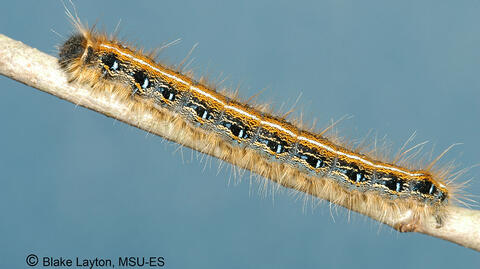
Credit: extension.msstate.edu
Tent Caterpillar Diet Basics
Tent caterpillars eat mostly leaves from certain trees. Their diet affects where they live and grow. Understanding what they eat helps us learn about their behavior.
These caterpillars are known for making silk tents in tree branches. They gather there and feed on leaves nearby. Their food choices keep them healthy and strong.
Preferred Host Trees
Tent caterpillars prefer some trees more than others. They usually feed on hardwood trees that have soft leaves. These trees give the best nutrition for their growth.
- Cherry trees
- Apple trees
- Oak trees
- Maple trees
- Crabapple trees
Leaf Selection Criteria
Tent caterpillars pick leaves based on certain traits. They choose leaves that are easy to eat and digest. These traits help caterpillars get enough food quickly.
| Leaf Trait | Importance to Caterpillars |
| Soft texture | Easy to chew and digest |
| High moisture | Provides hydration |
| Young leaves | More nutrients and less tough |
| Low chemical defenses | Less toxic and harmful |

Credit: news.ubc.ca
Seasonal Food Changes
Tent caterpillars have different eating habits throughout the year. Their diet changes with the seasons.
These changes help them survive and grow in various environments. Let’s explore what they eat in spring and later in the season.
Spring Feeding Patterns
In spring, tent caterpillars primarily eat young leaves. These leaves are tender and full of nutrients.
They often choose trees like cherry, apple, and oak for their meals. These trees have soft leaves that caterpillars find easy to chew.
- Cherry trees
- Apple trees
- Oak trees
Late Season Diet Shifts
As the season progresses, caterpillars shift their diet. They start eating older leaves and sometimes even twigs.
This change helps them adapt to the less tender plant material available. It also prepares them for the coming months when food is scarcer.
| Early Season | Young, tender leaves |
| Late Season | Older leaves and twigs |
Uncommon Food Sources
Tent caterpillars usually eat leaves from trees. They mostly like trees like cherry and apple. But sometimes, they try other foods too.
These unusual food choices help them survive when their favorite trees are not around. They may eat plants that are not trees.
Non-tree Plant Consumption
Tent caterpillars sometimes eat leaves from bushes and shrubs. They may feed on plants like blackberry or raspberry. These plants are not trees but still provide food.
They might also eat grasses or low plants if tree leaves are scarce. This behavior is rare but shows their ability to adapt.
- Leaves of blackberry and raspberry bushes
- Leaves from certain shrubs near their nests
- Occasional consumption of grasses or small plants
Impact Of Alternative Foods
Eating plants other than trees can affect caterpillar growth. Some plants have fewer nutrients, so caterpillars may grow slower.
Alternative foods can also change caterpillar survival rates. They may not be as healthy but can survive tough times by eating what is available.
- Slower growth due to less nutritious food
- Lower survival rates in harsh conditions
- Increased ability to survive when tree leaves are missing

Credit: www.pubs.ext.vt.edu
Feeding Behavior And Impact
Tent caterpillars mainly eat leaves from trees and shrubs. Their feeding habits can change the look and health of forests.
Understanding how they feed helps us see their role in nature. It also shows how they affect other plants and animals.
Feeding Mechanisms
Tent caterpillars use strong jaws to chew leaves. They prefer fresh, young leaves because these are easier to eat and full of nutrients.
- They feed mostly at night to avoid predators.
- Larvae live together in silk tents and feed in groups.
- As they grow, they eat more leaves each day.
- They can strip a tree of its leaves quickly.
Effect On Forest Ecology
Tent caterpillar feeding affects many parts of the forest ecosystem. Their leaf-eating can slow tree growth and change forest shape.
| Impact | Description |
| Tree Health | Leaves loss weakens trees but usually does not kill them. |
| Food Chain | Birds and insects eat caterpillars, supporting wildlife. |
| Soil Quality | Fallen leaves and droppings add nutrients to the soil. |
| Forest Growth | Heavy feeding can reduce new leaf growth temporarily. |
Pest Management And Control
Tent caterpillars eat the leaves of many trees. They can damage trees if their numbers grow high. Managing these pests helps protect plants and forests.
Understanding what eats tent caterpillars and how to control them is important. Natural methods and human actions can reduce their impact.
Natural Predators
Several animals eat tent caterpillars. These natural predators help keep their numbers low. Birds, insects, and small mammals often feed on them.
- Birds like cuckoos and orioles eat tent caterpillars.
- Parasitic wasps lay eggs inside caterpillars, killing them.
- Beetles and spiders also hunt these pests.
- Small mammals such as shrews may feed on caterpillars.
Human Intervention Methods
People use different ways to control tent caterpillars. These methods reduce damage to trees and plants. Some methods are safe for the environment.
| Method | Description | Effectiveness |
|---|---|---|
| Hand Removal | Remove nests and caterpillars by hand in early spring. | Good for small infestations. |
| Biological Pesticides | Use products with bacteria that kill caterpillars but not other animals. | Safe and effective if used properly. |
| Insecticides | Apply chemical sprays to control large outbreaks. | Effective but may harm beneficial insects. |
| Pruning | Cut off branches with nests to reduce caterpillar numbers. | Works well if nests are accessible. |
Frequently Asked Questions
What Do Tent Caterpillars Primarily Eat?
Tent caterpillars primarily eat the leaves of deciduous trees. They prefer cherry, apple, and maple trees. Their diet focuses on fresh, tender leaves during spring and early summer.
Do Tent Caterpillars Eat Evergreen Tree Leaves?
No, tent caterpillars mainly feed on deciduous tree leaves. Evergreen needles are generally not part of their diet. They avoid tough, waxy foliage that is hard to digest.
How Does Tent Caterpillar Feeding Affect Trees?
Tent caterpillar feeding can defoliate trees, stressing them significantly. Heavy feeding weakens trees and reduces growth. However, most healthy trees recover by growing new leaves.
Are Tent Caterpillars Harmful To Fruit Crops?
Yes, tent caterpillars can damage fruit crops like cherries and apples. Their leaf-eating reduces fruit yield and quality. Early infestation control helps protect orchard health effectively.
Conclusion
Tent caterpillars feed mostly on tree leaves, especially cherry and apple trees. They eat a lot, which can harm young trees. These insects live in tents made of silk, where they rest and grow. Understanding their diet helps protect trees from damage.
Watch for their tents early to control their spread. Healthy trees recover faster after caterpillar attacks. Knowing what tent caterpillars eat helps gardeners and farmers keep plants safe. Simple steps can reduce their impact without harming the environment. Keep an eye on trees during spring and summer for signs of feeding.