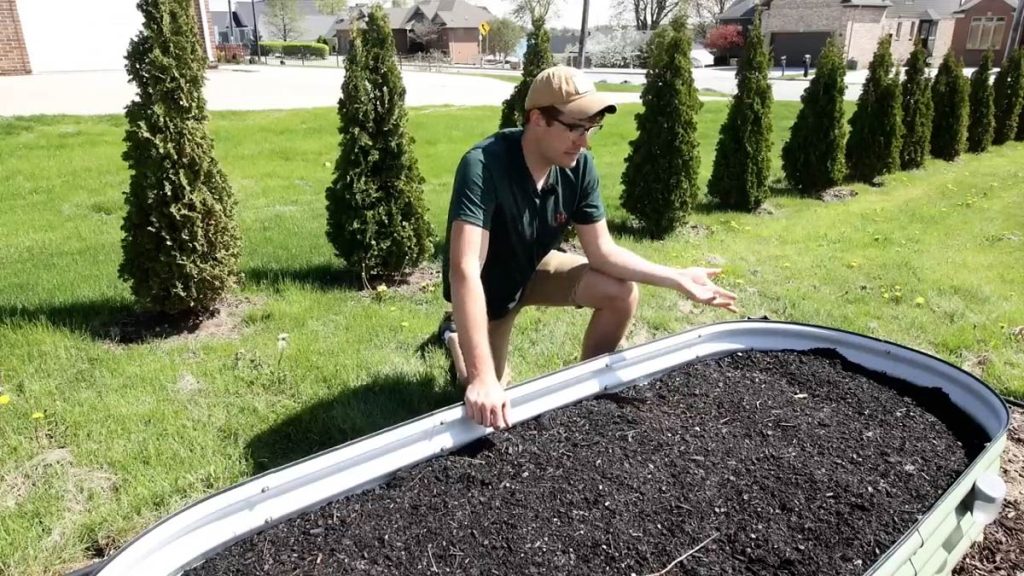
Are you ready to unlock the full potential of your raised garden bed? What you fill it with can make all the difference between thriving plants and disappointing growth.
Choosing the right soil mix isn’t just about dirt—it’s about creating a perfect home for your plants to grow strong and healthy. You’ll discover exactly what materials to use and why they matter. Keep reading, and you’ll learn how to build a garden bed that’s bursting with life from the very first seed.

Credit: www.epicgardening.com
Choosing The Right Soil Mix
Filling your raised garden bed with the right soil mix helps plants grow well. Good soil holds water, drains well, and has nutrients.
Choosing the right soil mix means balancing these qualities. Let’s look at what makes a good soil mix for raised beds.
Essential Soil Components
Good soil has three main parts: mineral particles, organic matter, and air. Each part helps plants in different ways.
Mineral particles come from sand, silt, and clay. Organic matter is made from dead plants and animals. Air in soil helps roots breathe.
- Sand:helps soil drain water quickly
- Silt:holds water and nutrients well
- Clay:holds nutrients but can be heavy
- Organic Matter:adds nutrients and improves soil texture
- Air:lets roots get oxygen
Balancing Drainage And Retention
Soil must hold enough water but drain extra water fast. Too much water can drown roots. Too little water dries plants out.
Mix sand and organic matter to get good drainage and water retention. Clay should be used carefully because it can hold too much water.
- Use sand for better drainage
- Add organic matter to keep water and nutrients
- Avoid too much clay to prevent soggy soil
Organic Vs. Synthetic Materials
Organic materials come from nature, like compost and manure. Synthetic materials are man-made, like chemical fertilizers.
Organic materials improve soil health over time. Synthetic materials give quick nutrients but do not improve soil structure.
- Organic:compost, peat moss, manure
- Synthetic:chemical fertilizers, soil conditioners
- Use organic materials for long-term soil health
- Synthetic materials may be used for fast nutrient boosts

Credit: migardener.com
Building A Base Layer
Filling a raised garden bed starts with a strong base layer. This layer supports healthy plant growth.
The base helps with drainage and keeps soil from getting compacted. Choose materials carefully.
Using Coarse Materials
Coarse materials like small branches or wood chips make a good base. They create space for air and water.
These materials break down slowly and improve soil structure over time. They also help with drainage.
- Use twigs, straw, or bark pieces
- Avoid large logs that take too long to decay
- Layer about 2-4 inches thick
Preventing Soil Compaction
Soil compaction stops roots from growing well. It blocks air and water flow in the soil.
Adding a loose base layer stops the soil from packing too tight. This helps plants grow healthy roots.
- Start with coarse materials at the bottom
- Add light soil or compost on top
- Do not step or press down the soil hard
Topsoil Selection
Choosing the right topsoil is important for a healthy garden. The quality of topsoil affects plant growth and nutrient availability.
Understanding the types of topsoil and testing its quality can help you make better decisions for your raised garden bed.
Types Of Topsoil
Topsoil comes in different types. Each type offers unique benefits for your plants.
- Loamy Soil: Best for drainage and nutrients.
- Sandy Soil: Good for drainage, but may need added nutrients.
- Clay Soil: Holds water well, but may require more drainage.
Testing Soil Quality
Testing your topsoil ensures it has the right nutrients and pH level. This helps plants grow strong and healthy.
You can test soil quality using a simple home test kit. This kit checks for pH, nitrogen, phosphorus, and potassium levels.
| Test | Purpose |
|---|---|
| pH Level | Measures acidity or alkalinity |
| Nitrogen | Helps with leaf growth |
| Phosphorus | Supports root and flower growth |
| Potassium | Aids overall plant health |
Adding Compost And Amendments
Filling your raised garden bed with the right materials helps plants grow strong. Compost and soil amendments improve soil health and provide nutrients.
Using compost and amendments lets you create a balanced soil mix. This mix supports healthy roots and better water retention.
Benefits Of Compost
Compost adds organic matter to soil. It improves texture and helps soil hold moisture. Compost also feeds beneficial microbes that keep plants healthy.
- Increases soil nutrients naturally
- Improves soil structure and aeration
- Boosts water retention and drainage
- Supports healthy soil organisms
- Reduces need for chemical fertilizers
Common Soil Amendments
Soil amendments change soil properties to help plants grow better. You can add them to fix problems like poor drainage or low fertility.
| Amendment | Purpose |
| Peat Moss | Improves water retention and aeration |
| Perlite | Increases soil drainage and prevents compaction |
| Vermiculite | Retains moisture and nutrients |
| Sand | Improves drainage in heavy clay soils |
| Lime | Raises soil pH (makes soil less acidic) |
| Sulfur | Lowers soil pH (makes soil more acidic) |
Adjusting Ph Levels
Soil pH affects nutrient availability. Most plants grow best in slightly acidic to neutral soil.
- Test your soil pH before planting
- Add lime to raise pH if soil is too acidic
- Add sulfur to lower pH if soil is too alkaline
- Adjust pH slowly and retest after a few weeks
Mix Ratios For Different Plants
Filling your raised garden bed correctly helps plants grow strong. Different plants need different soil mixes. Choosing the right mix ratio improves water retention and drainage.
This guide shows the best soil mix ratios for vegetables and herbs, flowers and ornamentals, and succulents and cacti.
Vegetables And Herbs
Vegetables and herbs need nutrient-rich, well-draining soil. A balanced mix supports root growth and moisture retention without waterlogging.
- 40% topsoil
- 40% compost
- 20% coarse sand or perlite
Flowers And Ornamentals
Flowers and ornamentals need soil that drains well and holds some moisture. They benefit from organic matter to keep nutrients available.
| Component | Percentage | Purpose |
|---|---|---|
| Topsoil | 50% | Provides base soil and minerals |
| Compost | 30% | Supplies nutrients and organic matter |
| Peat moss or coconut coir | 20% | Retains moisture without heavy wetness |
Succulents And Cacti
Succulents and cacti need soil that drains quickly. Too much moisture can cause root rot. Use coarse materials to improve air flow.
- 50% coarse sand or small gravel
- 30% potting soil or topsoil
- 20% perlite or pumice
Maintaining Soil Health
Good soil keeps your plants strong and healthy. It holds water and nutrients well. Taking care of soil helps your garden grow better.
Filling your raised garden bed is just the start. You must also keep the soil alive and rich. This means adding organic matter and protecting it from harm.
Mulching Techniques
Mulching covers the soil surface with materials like leaves or straw. It keeps moisture in and stops weeds from growing. Mulch also adds nutrients as it breaks down.
- Use organic mulch such as straw, wood chips, or grass clippings.
- Apply a 2 to 3 inch layer around plants but keep mulch away from stems.
- Replace mulch yearly to maintain soil benefits and prevent pests.
- Water the soil before laying mulch to keep moisture steady.
Replenishing Nutrients
Plants use nutrients from the soil to grow. Over time, these nutrients run low. Adding compost or natural fertilizers brings nutrients back.
| Source | Benefit |
| Compost | Improves soil texture and adds nutrients |
| Manure | Rich in nitrogen for leafy growth |
| Bone meal | Provides phosphorus for roots and flowers |
| Wood ash | Supplies potassium for overall plant health |
Preventing Soil Erosion
Soil erosion washes away topsoil and nutrients. Raised beds help reduce erosion by keeping soil in place. Adding plants and mulch protects soil from wind and rain.
- Plant ground cover to hold soil with roots.
- Use mulch to shield soil from heavy rain.
- Avoid walking on raised beds to keep soil firm.
- Build barriers or edging around beds to stop soil loss.
Common Mistakes To Avoid
Filling a raised garden bed needs careful planning. Many gardeners make mistakes that hurt plant growth.
Knowing what to avoid helps you create healthy soil. This guide explains common errors and how to fix them.
Overwatering Issues
Overwatering raised beds can drown plant roots. This stops oxygen from reaching the soil.
Too much water causes root rot and weak plants. It also attracts pests and fungi.
- Use well-draining soil mix to avoid water buildup
- Water only when the soil feels dry to touch
- Check drainage holes or layers in your bed
Using Poor Quality Materials
Cheap or old soil and compost can harm your plants. They may lack nutrients or contain weeds.
Using materials with contaminants can introduce diseases. Always choose fresh, clean soil and compost.
- Buy soil from trusted garden centers
- Check compost for bad smells or large debris
- Avoid soil with visible mold or pests
Ignoring Soil Testing
Not testing soil leads to nutrient problems. You may add too much or too little fertilizer.
Soil tests show pH and nutrient levels. This helps you adjust soil for best plant growth.
- Send a soil sample to a local lab
- Use test kits for pH and nutrients at home
- Follow recommendations to improve soil quality

Credit: migardener.com
Frequently Asked Questions
What Is The Best Soil Mix For Raised Garden Beds?
The best soil mix combines topsoil, compost, and organic matter. This blend ensures good drainage, nutrient retention, and healthy root growth.
Can I Use Regular Garden Soil In Raised Beds?
Regular garden soil often lacks proper drainage and nutrients for raised beds. It’s better to use a soil mix designed for raised gardens.
How Much Compost Should I Add To Raised Bed Soil?
Add about 25-30% compost to your soil mix. Compost enriches the soil with nutrients and improves its structure for plant growth.
Should I Add Fertilizer To Raised Garden Beds?
Yes, adding balanced fertilizer enhances soil fertility. Use organic or slow-release fertilizer to provide essential nutrients throughout the growing season.
Conclusion
Choosing the right soil mix fills your raised garden bed with life. Healthy plants start with good soil and proper nutrients. Use a blend of compost, topsoil, and organic matter for best results. Keep soil loose to help roots grow strong and absorb water easily.
Regularly check and refresh soil to keep plants happy and thriving. A well-filled garden bed leads to better harvests and more joy in gardening. Simple steps make a big difference in your garden’s success. Give your plants the soil they need to grow well.