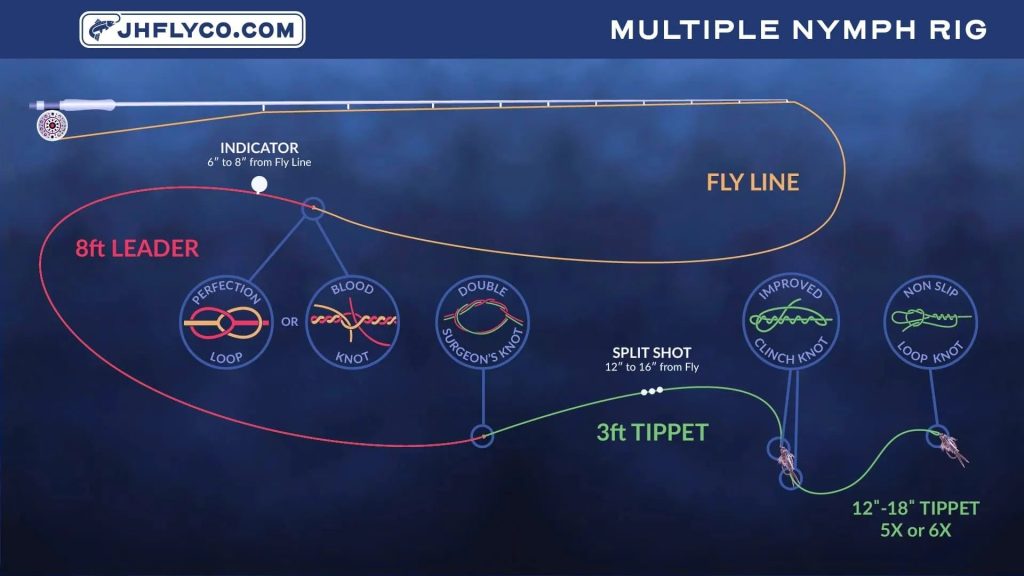
Setting up a trout fishing line might seem tricky at first, but once you get the hang of it, it becomes second nature. Imagine standing by a clear stream, your line perfectly set, ready to catch that prized trout.
You want to avoid mistakes that cost you fish and time. This guide will walk you through each step, making sure your setup is strong, reliable, and easy to use. By the end, you’ll feel confident and ready to enjoy your next fishing trip like a pro.
Keep reading, and let’s get your trout fishing line just right.

Credit: www.youtube.com
Choosing The Right Gear
Setting up a trout fishing line begins with choosing the right gear. The gear affects your casting, control, and catch success.
Selecting gear that matches your fishing style and the trout environment makes fishing more enjoyable and effective.
Selecting The Best Rod And Reel
Pick a rod that is light and flexible for better control. A 6 to 7-foot rod is ideal for trout fishing.
Choose a reel that matches your rod. Spinning reels are good for beginners. Make sure it reels smoothly and holds enough line.
Picking The Appropriate Line
Use a fishing line that is strong but not too thick. Trout fishing works well with 4 to 8-pound test lines.
- Monofilament lines are flexible and easy to handle.
- Fluorocarbon lines are less visible under water.
- Braided lines offer high strength and low stretch.
Essential Terminal Tackle
| Tackle | Purpose | Common Types |
|---|---|---|
| Hooks | Catch the fish | Size 8 to 14, barbless or standard |
| Sinkers | Help the bait sink | Split shot, egg sinkers |
| Swivels | Prevent line twist | Barrel swivels, snap swivels |
| Bobbers | Show bites and control bait depth | Slip bobbers, round bobbers |

Credit: mysterytacklebox.com
Setting Up Your Line
Setting up your trout fishing line correctly helps you catch more fish. It also makes fishing easier and more fun.
This guide covers attaching your reel, spooling the line, and tying strong knots for trout fishing.
Attaching The Reel To The Rod
First, place the reel foot into the reel seat on your rod. Make sure it fits snugly.
Tighten the reel seat rings until the reel stays firmly in place. Avoid over-tightening.
Spooling The Fishing Line
Start by threading the line through the rod guides from the tip to the reel. Keep the line tight.
Attach the line to the reel spool with an arbor knot. Wind the line evenly onto the spool.
- Keep light tension on the line while spooling
- Fill the spool to about 1/8 inch below the edge
- Check for twists or tangles during spooling
Tying Strong Knots
Use strong knots to prevent the line from breaking when catching trout. The improved clinch knot is a good choice.
Make sure to moisten the knot before tightening. Pull the knot tight and trim the excess line.
- Thread the line through the hook eye
- Wrap the tag end around the main line five times
- Pass the tag end through the loop near the eye
- Moisten and tighten the knot firmly
Adding Leaders And Flies
Setting up a trout fishing line involves adding leaders and flies. This process helps improve your fishing success.
Using the right leader length and selecting effective flies can make a big difference. Let’s explore these important steps.
Choosing The Right Leader Length
Leaders connect your fishing line to the fly. They are crucial for presenting the fly naturally. The right leader length depends on water clarity and conditions.
- Clear water: Use a longer leader.
- Muddy water: A shorter leader works well.
- Calm conditions: Opt for a longer leader.
- Windy conditions: Shorter leaders are easier to manage.
Selecting Effective Flies And Baits
Choosing the right flies and baits can attract more trout. Consider the type of water and the trout’s feeding habits.
Here are some popular choices:
- Dry flies:Great for surface feeding trout.
- Nymphs:Effective for trout feeding below the surface.
- Streamers:Perfect for imitating small fish.
Attaching Flies To The Leader
Properly attaching flies to the leader ensures they stay secure. This step is simple but important for effective fishing.
| Step | Description |
| Tie a Knot | Use a clinch knot to secure the fly. |
| Check Security | Ensure the knot is tight and strong. |
| Trim Excess | Remove excess line for a neat finish. |

Credit: www.reddit.com
Adjusting For Conditions
Setting up your trout fishing line depends on the water and weather. You need to change your setup to fit the conditions.
Small changes help you catch more fish and enjoy fishing more. Learn how to adjust your line for the best results.
Adapting Line Weight For Water Type
Different waters need different line weights. Light lines work well in clear, calm streams.
Heavier lines are better in fast or deep water. They help you control the line and cast farther.
- Light line (2-4 weight) for small streams and clear water
- Medium line (4-6 weight) for medium rivers and lakes
- Heavy line (6-8 weight) for fast currents and deep water
Matching Flies To Seasonal Patterns
Trout eat different insects in each season. Match your flies to what is around.
Use light dry flies in spring and summer. Switch to nymphs or streamers in fall and winter.
- Spring: Use small dry flies and emergers
- Summer: Use dry flies and light nymphs
- Fall: Use larger nymphs and streamers
- Winter: Use weighted nymphs and wet flies
Managing Line Tension And Drag
Keep the right tension on your line to feel bites. Too much slack can lose fish.
Reduce drag by letting the line move with the current. Use mending to fix drag and float your fly naturally.
- Hold the rod tip high to keep tension
- Mend the line by flipping it upstream or downstream
- Adjust your drag by changing your reel’s drag setting
- Watch the line for sudden stops or pulls
Casting Techniques
Casting is key in trout fishing. Good casting puts your bait where the fish are.
Learning different casting techniques helps you fish better in many places and conditions.
Basic Casting Methods
The most common cast is the overhead cast. It is easy and works in open areas.
The sidearm cast is useful when you have low branches or tight spaces.
- Overhead cast: Lift rod, pull back, then flick forward smoothly.
- Sidearm cast: Hold rod low, swing it sideways to avoid obstacles.
- Roll cast: Good for short distances and tight spots, no back cast needed.
Improving Accuracy And Distance
Practice helps you cast your line closer to where trout hide. Aim carefully before casting.
To cast farther, use a smooth and steady motion. Avoid jerky movements.
- Focus your eyes on your target spot.
- Use a longer back cast for more power.
- Keep your wrist firm but relaxed during the cast.
- Practice regularly to build control and strength.
Handling Wind And Obstacles
Wind can push your line off course. Cast with the wind or under it for better control.
When trees or rocks block your way, change your casting style. Use sidearm or roll casts.
- Cast with the wind at your back for longer distance.
- Cast into the wind for better accuracy at short range.
- Use sidearm casts to avoid overhead branches.
- Try roll casts in tight spaces without room for a back cast.
Maintenance And Care
Taking care of your trout fishing line helps it last longer. Good maintenance keeps your gear working well.
Regular checks and cleaning prevent damage and improve fishing success. Follow simple care tips to protect your equipment.
Cleaning Your Line And Tackle
Rinse your fishing line with fresh water after every use. This removes dirt and salt that can wear it out.
Clean your hooks, lures, and reels with a soft cloth. This stops rust and keeps them sharp and smooth.
- Use mild soap and water for tough grime
- Dry all parts completely before storage
- Check for cracks or rust while cleaning
Storing Equipment Properly
Store your fishing line and tackle in a cool, dry place. Avoid direct sunlight to prevent weakening the line.
Use tackle boxes with compartments to keep items organized. This stops tangles and protects hooks and lures.
- Keep line away from heat and moisture
- Use protective covers for reels
- Label storage boxes for easy access
Replacing Worn Components
Check your fishing line for frays or weak spots before each trip. Replace it if you see damage to avoid breaks.
Replace hooks and lures that are dull or rusty. Worn parts reduce your chance of catching fish.
- Change line after several uses or damage
- Keep spare hooks and lures ready
- Inspect knots and connections often
Frequently Asked Questions
What Is The Best Fishing Line For Trout?
Monofilament line is ideal for trout due to its flexibility and invisibility underwater. It offers good sensitivity and stretch. Choose 4-8 lb test strength for most trout fishing situations. This ensures durability while keeping a natural bait presentation.
How Do I Rig A Trout Fishing Line?
Start with a 4-8 lb monofilament main line. Tie a small swivel to prevent line twist. Attach a leader about 12-18 inches long. Add a hook or lure at the end. This setup improves casting and bait movement in water.
What Length Of Fishing Line Suits Trout Fishing?
A line length of 100-150 yards is sufficient for trout fishing. It provides enough line for casting and controlling the fish. Longer lines can cause tangles and reduce sensitivity. Keep it manageable for better handling.
How To Prevent Line Tangling While Fishing For Trout?
Use a swivel between the main line and leader to reduce twists. Keep your line tight during retrieval. Avoid overfilling the reel spool. Proper casting technique also minimizes tangles. Regularly check your line for knots and fix them promptly.
Conclusion
Setting up a trout fishing line is simple with the right steps. Choose the right rod, reel, and line carefully. Attach hooks and weights properly for best results. Practice casting to improve your skill and accuracy. Stay patient and enjoy the quiet time outdoors.
Fishing brings calm and fun to your day. Keep learning and trying new techniques to catch more trout. Small changes make a big difference in fishing success. Get ready, and happy trout fishing!