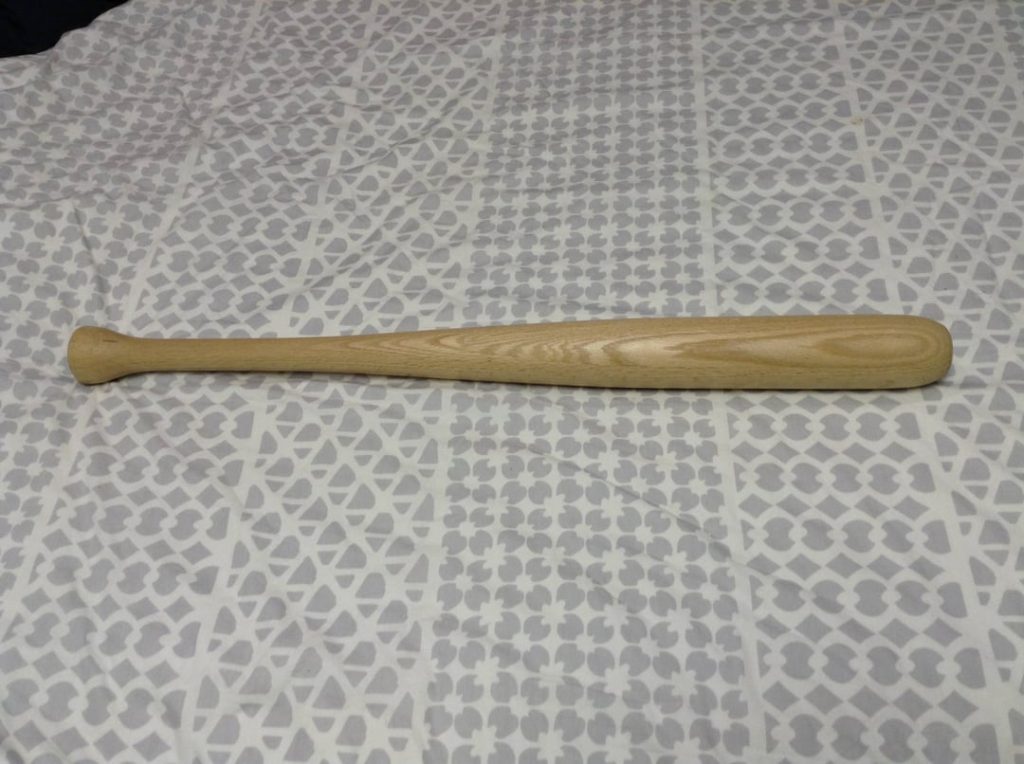
Have you ever wondered what makes wooden baseball bats so special? If you’re curious about what your favorite bat is made from, you’re in the right place.
Knowing the wood inside your bat can change the way you think about your game. You’ll discover the types of wood used, why they matter, and how they affect your swing. Keep reading to find out what’s really inside your wooden baseball bat—and why it matters to you.
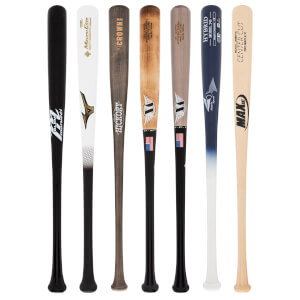
Credit: www.justbats.com
Common Woods For Bats
Wooden baseball bats are made from different types of wood. Each type has unique features that affect the bat’s performance and durability.
Understanding the common woods used can help players choose the right bat for their needs and style of play.
Ash Wood Characteristics
Ash wood is lightweight and flexible. It offers a good balance between strength and softness. Ash bats allow players to swing faster and have a bigger sweet spot.
Maple Wood Features
Maple is a very hard and dense wood. It provides more power but is heavier than ash. Maple bats are less flexible but last longer if properly cared for.
Birch Wood Qualities
Birch wood combines qualities of ash and maple. It is hard like maple but has some flexibility like ash. Birch bats offer a good mix of power and control.
Hickory Wood Traits
| Wood Type | Weight | Durability | Flexibility | Power |
|---|---|---|---|---|
| Ash | Light | Medium | High | Medium |
| Maple | Heavy | High | Low | High |
| Birch | Medium | Medium | Medium | Medium |
| Hickory | Heavy | Very High | Low | Very High |
Hickory wood is very strong and heavy. It offers excellent power and lasts a long time. This wood is less flexible and heavier to swing than others.
Why Wood Matters
Wood is the main material used to make baseball bats. It affects how the bat feels and works during play.
Different woods have different qualities. These qualities change how strong, heavy, and balanced the bat is.
Durability And Strength
Wood must be strong to handle fast hits without breaking. Hard woods like maple and ash are popular for bats.
Strong wood lasts longer. It can resist dents and cracks better than softer wood.
- Maple: Very hard and strong
- Ash: Flexible and durable
- Birch: A mix of hard and flexible
Weight And Balance
The wood type affects the bat’s weight. Weight changes how easy the bat is to swing.
Balance means how the weight spreads along the bat. Good balance helps players control their swing better.
- Denser woods are heavier
- Lighter woods allow faster swings
- Balanced bats improve accuracy
Performance Impact
Wood affects how the bat hits the ball. Hard woods can give more power on contact.
Flexibility in wood helps absorb shock. This can make hitting feel smoother for the player.
- Hard wood creates strong hits
- Flexible wood reduces vibration
- Wood type changes swing feel
Bat Manufacturing Process
Wooden baseball bats are crafted with precision. The process involves selecting quality wood, shaping it, and applying a fine finish. Each step is crucial for a durable and effective bat.
The quality of the bat depends on the materials and craftsmanship. Understanding how these bats are made helps appreciate their value and performance.
Selecting The Right Wood
The choice of wood is important for making baseball bats. Common woods include ash, maple, and birch. Each type offers unique characteristics that affect bat performance.
Manufacturers choose wood based on density and grain quality. These factors influence the bat’s strength and flexibility.
- Ash is flexible and lightweight
- Maple is dense and strong
- Birch offers a balance of strength and flexibility
Shaping And Turning
After selecting the wood, the shaping process begins. The wood is cut into billets and turned on a lathe. This creates the bat’s general shape.
Precision is key during this stage. Skilled craftsmen ensure the bat is balanced and smooth.
Sanding And Finishing
Once shaped, bats are sanded for smoothness. Sanding removes rough edges and prepares the surface for finishing.
The final step is applying a finish to protect the wood. This enhances the bat’s appearance and durability.
- Protective coatings prevent moisture damage
- Finishes improve grip and appearance
- Quality control ensures the bat meets standards
Comparing Wood Types
Wooden baseball bats come from different types of wood. Each type has unique qualities that affect the bat’s performance.
Understanding these differences helps players choose the right bat for their needs.
Flexibility And Hardness
Wood types vary in how flexible and hard they are. Flexibility affects how the bat bends during a swing. Hardness impacts the bat’s durability and hitting power.
- Maple is very hard and less flexible. It delivers strong hits but can break if bent too much.
- Ash offers more flexibility. It bends slightly and absorbs shock well.
- Birch combines hardness and flexibility. It is tough but still has some give.
Grain Patterns And Effects
The grain pattern in the wood affects the bat’s strength and feel. Straight grains usually mean better strength and performance.
| Wood Type | Grain Pattern | Effect |
| Maple | Dense and tight | Strong and hard but less flexible |
| Ash | Wide and straight | Flexible and lighter |
| Birch | Straight but less dense | Balance of strength and flexibility |
Cost Differences
Price varies by wood type due to availability and processing. Some woods cost more because they are rare or harder to work with.
- Maple bats are usually more expensive due to dense wood and durability.
- Ash bats cost less because ash is easier to shape and more common.
- Birch bats fall in the middle, offering a mix of price and performance.
Choosing The Best Bat Wood
Wooden baseball bats come from different types of wood. Each wood type offers unique qualities. Choosing the right wood affects how the bat feels and performs.
Players must think about weight, strength, and durability. The right wood helps improve comfort and control during play.
Player Preferences
Players pick wood based on how the bat feels and swings. Some prefer light bats for faster swings. Others want heavier bats for more power.
Maple is hard and dense, giving more power but can be heavier. Ash is lighter and more flexible, offering quicker swings. Birch combines strength and flexibility.
- Maple: powerful and dense
- Ash: light and flexible
- Birch: balanced strength and flexibility
Level Of Play Considerations
Younger or beginner players usually choose lighter woods for better control. Advanced players may select harder woods for durability and power.
Professional leagues often require specific wood types. Knowing league rules helps players pick the right bat wood.
- Younger players: ash or birch for light weight
- Advanced players: maple for power and durability
- Check league rules for wood restrictions
Maintenance And Longevity
Some woods last longer with proper care. Maple bats are strong but can crack if not handled carefully. Ash bats are flexible but may wear out faster.
Regular cleaning and avoiding moisture help keep bats in good shape. Storing bats in dry places extends their life.
- Clean bats after use
- Store in dry, cool places
- Avoid extreme temperatures
- Inspect for cracks regularly
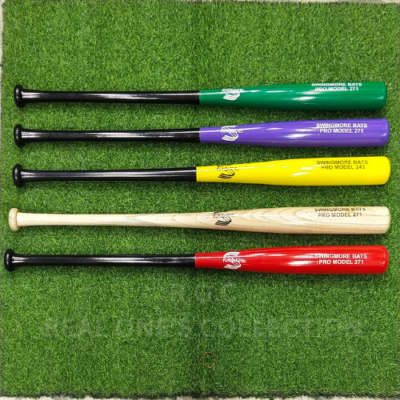
Credit: www.ebay.com

Credit: www.justbats.com
Frequently Asked Questions
What Types Of Wood Are Used For Wooden Baseball Bats?
Wooden baseball bats are mainly made from ash, maple, birch, and hickory. Ash offers flexibility and lightness. Maple is dense and durable. Birch combines both qualities. Hickory is strong but heavier, less common in professional play.
Why Is Ash Wood Popular For Baseball Bats?
Ash wood is popular because it is lightweight, flexible, and strong. It provides excellent swing speed and good shock absorption. This makes ash bats ideal for players seeking control and power balance in their swings.
How Does Maple Wood Affect Bat Performance?
Maple wood is dense and hard, delivering more power and durability. Its tight grain structure gives a solid feel and reduces splintering. Maple bats are favored by power hitters who want heavier bats with a strong hitting surface.
Are There Differences Between Birch And Ash Bats?
Yes, birch bats offer a mix of ash’s flexibility and maple’s hardness. Birch wood is slightly heavier than ash but less dense than maple. It breaks in over time, providing a balanced feel and durability for many players.
Conclusion
Wooden baseball bats come from strong, natural woods like ash, maple, and birch. Each wood type offers different feel and performance for players. Ash bats are light and flexible, while maple bats are hard and dense. Birch bats combine qualities of both woods.
Choosing the right wood affects your swing and control. Knowing what bats are made of helps you pick one that fits your style. Wood’s natural grain and quality make each bat unique. This knowledge can improve your enjoyment and skill in baseball.
Simple but important facts for every baseball fan.