Are you planning to start a raised garden but unsure how tall your beds should be? The height of your raised garden beds can make a big difference in how well your plants grow and how easy it is for you to tend them.
Choosing the right height isn’t just about looks—it affects soil health, drainage, and even your comfort while gardening. You’ll discover the ideal raised bed heights for different plants and situations, helping you create a garden that’s both productive and enjoyable.
Keep reading to find the perfect height for your raised garden beds and take your gardening to the next level!

Credit: www.sproutboxgarden.com
Ideal Heights For Raised Beds
Raised garden beds come in many heights. Choosing the right height helps plants grow well.
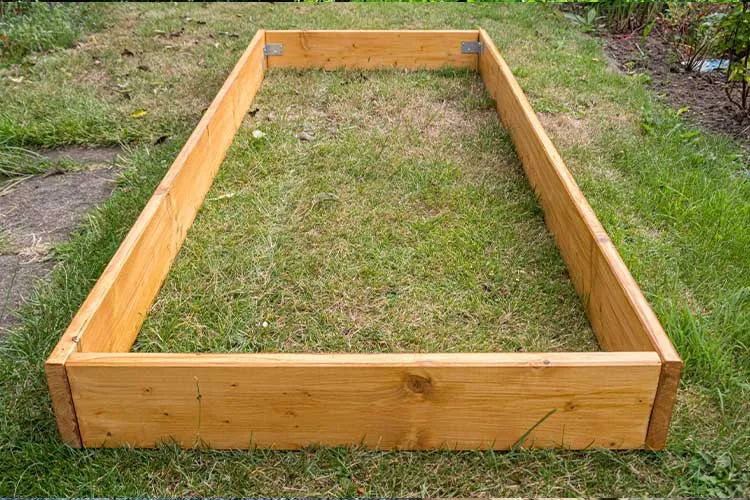
This guide covers common heights and when to pick each option for your garden.
Standard Height Options
Most raised beds are 6 to 12 inches tall. This height is good for many vegetables.
| Height | Use | Best For |
| 6 inches | Shallow root plants | Lettuce, radishes, herbs |
| 12 inches | Most vegetables | Tomatoes, peppers, beans |
| 18 inches | Deep root plants | Carrots, potatoes, onions |
Benefits Of Taller Beds
Taller beds offer many benefits for gardeners and plants.
- Easier to reach, less bending over
- Better soil drainage and warmth
- More room for roots to grow deep
- Helps protect plants from pests
When To Choose Shorter Beds
Shorter beds work well in some situations and for certain plants.
- Limited space or low soil volume
- Growing shallow-root plants
- Easy to build and fill quickly
- Good for ground-level garden design
Credit: www.farmfreshchoice.com
Factors Influencing Bed Height
Raised garden beds come in many heights. Choosing the right height helps plants grow well.
Several factors affect how tall your garden bed should be. These include soil needs, plants, and ease of use.
Soil Quality And Depth Needs
Good soil quality helps plants grow strong roots. Some soils need more depth to support healthy roots.
Deep soil holds more nutrients and water. This is important for many vegetables and flowers.
- Most vegetables need at least 12 inches of soil depth
- Root vegetables like carrots need 12 to 18 inches
- Some shallow-rooted plants grow well in 6 to 8 inches of soil
Plant Types And Root Growth
Different plants have different root systems. Tall garden beds suit deep-rooted plants better.
Shallow-rooted plants like lettuce do not need deep beds. Trees and shrubs need much deeper soil.
- Shallow roots: herbs, lettuce, spinach
- Medium roots: tomatoes, peppers, beans
- Deep roots: carrots, potatoes, sunflowers
Accessibility And Comfort
Raised beds that are taller reduce bending and kneeling. This makes gardening easier for many people.
Consider the height that suits your comfort. Taller beds help people with back or knee problems.
- Standard height: 12 to 18 inches for most gardeners
- Taller beds: 24 to 36 inches for better accessibility
- Use wider beds to reduce reaching inside
Customizing Bed Height
Raised garden beds can be customized to fit your needs. The height of the bed affects ease of use and plant health. Adjusting the height helps in various gardening situations.
Consider the type of plants and your physical abilities. Different heights work better for different people and plants.
Adjusting For Physical Limitations
Gardening should be enjoyable for everyone. Raised beds can be adjusted for those with physical limitations. This makes gardening accessible and fun.
Taller beds reduce the need to bend or kneel. This is helpful for those with back or knee issues.
- Beds between 24 to 36 inches are easier to reach
- Consider adding benches or seats for comfort
- Use lightweight tools to reduce strain
Using Multiple Tiers
Using multiple tiers in your garden bed creates levels. This allows for diverse plant growth and easy access.
Tiered beds can fit more plants in a small space. They also add visual interest to your garden.
- Top tier is great for herbs and small plants
- Middle tier suits medium-sized plants like tomatoes
- Bottom tier is best for root vegetables
Incorporating Drainage Solutions
Good drainage is key for healthy plants. Raised beds need proper drainage solutions. This prevents water from pooling and harming roots.
Include drainage solutions while customizing bed height. This ensures the longevity of your garden.
- Use gravel or stones at the bottom for drainage
- Ensure soil is well-aerated for water flow
- Install drainage pipes if needed
Materials And Construction Tips
Raised garden beds need the right height to grow healthy plants. Choosing good materials helps the bed last longer. Building the bed strong keeps soil and plants safe.
Here are tips on materials and how to build raised garden beds well. These tips help your garden bed stay tall and stable.
Choosing Durable Materials
Pick materials that can handle weather and water. Wood is popular but use types that resist rot. Cedar and redwood last longer outside. Avoid treated wood with chemicals that harm plants.
Other options include stone, brick, or metal. Stone and brick look nice and last many years. Metal beds need rust protection to last.
- Cedar wood lasts 10+ years
- Redwood resists decay well
- Stone and brick are very durable
- Metal needs coating to prevent rust
Ensuring Structural Stability
Build raised beds with strong corners and supports. Use screws or bolts, not nails, to hold boards together. Add corner braces or stakes inside for extra strength.
Make sure the bed is level and on firm ground. This helps the bed stay stable and stops it from leaning or breaking.
- Use screws or bolts for joints
- Add corner braces for support
- Place beds on flat, firm soil
- Check stability before filling with soil
Preventing Soil Erosion
Keep soil inside the raised bed by adding barriers. Line the inside with landscape fabric to stop soil washing away. Avoid plastic liners that block water flow.
Use mulch on top of soil to reduce erosion from rain. Build beds tall enough so soil stays in place during heavy rain or watering.
- Line beds with breathable landscape fabric
- Add mulch on soil surface
- Build walls at least 12 inches tall
- Check for soil loss after heavy rains
Maintenance And Seasonal Adjustments
Raised garden beds need regular care to stay healthy and productive. Seasonal changes affect how you maintain their height and soil.
Adjusting your garden beds over time helps plants grow better and keeps the structure strong through all seasons.
Soil Replenishment Strategies
Soil in raised beds loses nutrients after each season. Adding fresh soil and compost keeps plants healthy. Top off beds with new soil every year.
Mix old soil with compost and organic matter to improve texture and nutrients. This helps roots grow deep and strong.
- Add 2 to 3 inches of compost each season
- Mix soil and compost well before planting
- Use natural fertilizers for extra nutrition
- Remove weeds and dead plants to avoid pests
Protecting Beds From Weather
Weather can damage raised beds, especially in winter and heavy rain. Use covers or mulch to protect soil and plants.
Cover beds with plastic or fabric to keep soil warm and moist. Mulch helps reduce erosion and keeps weeds down.
- Use row covers to protect from frost
- Apply mulch to retain moisture in summer
- Check for water drainage after heavy rain
- Fix any broken bed edges quickly
Modifying Height Over Time
The height of raised beds may need changes based on plant needs and soil settling. Taller beds give more root space for some plants.
Add more soil or wood boards to increase height if roots need more room. Lower the height if access becomes difficult or soil compacts too much.
- Check bed height each spring
- Add soil or compost to raise height by 4-6 inches if needed
- Replace or add side boards to increase bed height
- Keep beds low enough for easy gardening and watering

Credit: www.sproutboxgarden.com
Frequently Asked Questions
How Tall Should Raised Garden Beds Be For Vegetables?
Raised garden beds for vegetables should be 12 to 18 inches tall. This height allows roots to grow well and ensures good soil drainage and aeration for healthy plants.
Does Bed Height Affect Plant Growth In Raised Gardens?
Yes, bed height affects plant growth. Taller beds provide better soil depth, drainage, and root space, promoting healthier and more productive plants.
What Is The Ideal Raised Bed Height For Root Vegetables?
Root vegetables need at least 12 to 18 inches of soil depth. This height supports proper root development and prevents crowding or stunted growth.
Can Shorter Raised Beds Still Grow Healthy Plants?
Yes, shorter beds around 6 to 8 inches can grow shallow-rooted plants. However, deeper beds are better for most vegetables and flowers.
Conclusion
Choosing the right height for raised garden beds helps plants grow well. A height between 12 and 24 inches works for most vegetables and flowers. Taller beds can help if you have back pain or poor soil. Remember to add good soil and water often.
The right bed height makes gardening easier and more fun. Start with what fits your space and needs. Watch your garden thrive with simple care and the right bed size. Gardening can be rewarding and healthy for everyone.