If you love fishing, you know how important it is to have a rod that works perfectly. Over time, your fishing line can wear out, weaken, or get damaged.
This can lead to lost catches and frustration. But here’s the good news: you don’t have to buy a new rod or spend a lot of money. You can easily reline your fishing rod yourself. You will learn simple steps to give your rod a fresh start.
By the end, you’ll feel confident and ready to get back on the water with a strong, reliable line. Let’s dive in and make your fishing gear as good as new!

Credit: fishingbooker.com
Tools Needed
Relining a fishing rod helps keep your line strong and ready to fish. You need some simple tools before you start the job.
These tools will make the process easier and help you get the best results.
New Fishing Line
You need a fresh fishing line to replace the old one. Choose the right type and strength for your fishing style.
Monofilament, fluorocarbon, or braided lines work well for different needs.
Line Cutter Or Scissors
A sharp line cutter or scissors helps you cut the old and new lines cleanly. This keeps knots strong and neat.
Use scissors made for fishing or small sharp cutters to avoid frayed ends.
Rod Holder Or Clamp
A rod holder or clamp keeps the fishing rod steady while you work. It stops the rod from moving or rolling.
This tool helps you focus on relining without holding the rod all the time.
Fishing Reel
The reel holds the fishing line and helps you spool it correctly. Make sure your reel is clean and works well.
Check the reel before adding new line to avoid tangles or damage.
Line Spooler (optional)
A line spooler helps you spool the line smoothly onto the reel. It keeps even tension on the line.
You can do the job without it, but a spooler makes relining easier and neat.
Towel Or Rag
Use a towel or rag to clean your hands and dry the rod or reel. It helps keep everything clean during the process.
It also prevents slipping when handling the rod or line.
Removing Old Line
Removing the old fishing line is the first step in relining your rod. This process helps avoid tangles and ensures smooth casting.
Careful removal also prevents damage to the reel and makes room for new line that performs better on the water.
Cutting The Line
Start by cutting the old line near the reel. Use sharp scissors or line cutters for a clean cut.
- Cut the line close to the spool to avoid wasting usable line.
- Remove any knots or tangles before cutting.
- Keep the cut line away from your face and eyes for safety.
Unwinding The Spool
Once cut, unwind the old line from the spool slowly and evenly. This prevents sudden pulls that can harm the reel.
| Tip | Reason |
|---|---|
| Hold the spool firmly | Stops the line from tangling |
| Pull the line slowly | Prevents reel damage |
| Discard old line properly | Protects the environment |
Inspecting The Rod
Before relining your fishing rod, check it carefully. Inspecting helps find damage or dirt that may cause problems.
Look closely at every part of the rod. This saves you time and keeps your fishing gear in good shape.
Checking Guides
Check each guide ring along the rod. Look for cracks or bends that can harm the fishing line.
Make sure guides are tight and not loose. Loose guides can cause line tangles and poor casting.
- Look for cracks in the guide rings
- Check if guides are bent or misaligned
- Test if guides are firmly attached to the rod
- Replace damaged guides before relining
Cleaning The Rod
Clean your rod before adding new line. Dirt and salt can damage the rod and line over time.
Use a soft cloth and mild soap to wipe the rod. Avoid harsh chemicals that may hurt the finish.
- Remove old fishing line and debris
- Wipe the rod from handle to tip
- Clean guides gently to avoid damage
- Dry the rod completely before relining
Choosing New Line
Choosing the right fishing line is key to good fishing. The line affects how you cast, catch, and feel the fish.
Think about the type of fish and water before picking a new line. This helps you select the best one for your needs.
Line Types
Fishing lines come in different types. Each type has strengths and weaknesses. Pick one that suits your style.
- Monofilament:Soft and easy to handle. Good for beginners.
- Fluorocarbon:Almost invisible underwater. Great for clear water.
- Braid:Very strong and thin. Good for heavy cover and big fish.
Line Strength
Line strength matters for catching fish without breaking your line. It is measured in pounds (lb).
| Fish Type | Recommended Line Strength (lb) |
|---|---|
| Small fish (panfish, trout) | 4 – 8 |
| Medium fish (bass, walleye) | 8 – 15 |
| Large fish (pike, catfish) | 15 – 30 |
| Very large fish (salmon, musky) | 30+ |
Spooling The New Line
Spooling a fishing rod with new line is a key task for anglers. It ensures smooth casting and good control. Proper technique helps avoid tangles and line damage.
Focus on attaching the line securely, keeping tension steady, and filling the spool evenly. These steps make your fishing experience better.
Attaching The Line
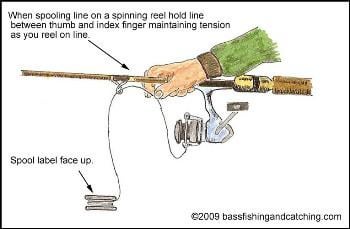
Start by threading the new line through the rod guides. Tie a strong knot to attach the line to the spool. The Arbor knot is a popular choice for this task.
- Pass the line around the spool.
- Make a loop and tie an Arbor knot.
- Pull the knot tight and trim the tag end.
- Check that the knot is firm and secure.
Maintaining Tension
Keep tension on the line as you spool it. This prevents loose wraps and tangles. You can use your fingers or a cloth to hold the line tight.
Filling The Spool
Fill the spool evenly to avoid line bunching. Stop filling when the line reaches about 1/8 inch from the spool edge. This space helps prevent line overflows.
| Common Line Capacity | Recommended Fill Level |
|---|---|
| 100 yards | 95 yards |
| 150 yards | 142 yards |
| 200 yards | 190 yards |
Securing The Line
Securing the line properly is important when you reline a fishing rod. It keeps the line tight and ready for fishing.
Good line security helps avoid slipping and improves your fishing experience.
Tying Knots
Tying strong knots ensures the line stays in place. Use knots that hold well and are easy to tie.
The improved clinch knot and Palomar knot work well for securing the line to the reel.
- Thread the line through the reel spool hole
- Wrap the line around itself five times
- Pass the tag end through the loop near the spool
- Tighten the knot firmly and trim excess
Trimming Excess
Trim the excess line after tying the knot. This prevents tangles and keeps the rod neat.
Use sharp scissors or nail clippers for a clean cut close to the knot.
- Leave about 1/8 inch of tag end
- Cut straight to avoid frayed ends
- Check the knot tightness after trimming
Testing The Setup
Testing your fishing rod setup is important for a successful fishing trip. It ensures that everything works smoothly and efficiently.
Start by testing each component to ensure your line is secure and ready for casting. This helps avoid issues while fishing.
Casting Practice
Practice casting to get a feel for your setup. It helps improve accuracy and distance.
- Stand in an open area to avoid obstacles.
- Hold the rod firmly, but not too tight.
- Cast the line forward with a smooth motion.
- Observe how the line travels and adjust your throw.
Adjusting Tension
Adjusting the tension on your reel is crucial for controlling your line. Proper tension helps in handling different fish sizes.
Too tight tension may snap the line, while too loose might cause tangles. Adjust carefully for optimal performance.

Credit: fishingkayakpro.com
Credit: sportfishinghub.medium.com
Frequently Asked Questions
How Often Should I Reline A Fishing Rod?
You should reline your fishing rod every 3 to 6 months. Frequent use and exposure to sun weaken the line. Regular relining ensures better casting and reduces line breakage during fishing.
What Tools Do I Need To Reline A Fishing Rod?
To reline a fishing rod, you need new fishing line, scissors, and a spooler or your hands. A line stripper and tape can also help remove old line safely and secure the new line.
Can I Use Any Fishing Line When Relining?
Choose a fishing line suitable for your rod and fishing style. Match the line strength with your target fish. Using the right line improves performance and durability during fishing.
How Do I Remove Old Fishing Line From The Rod?
Cut the old line near the reel, then unwind it carefully. Use scissors or a line stripper to remove any stuck sections. Removing all old line prevents tangles and ensures smooth relining.
Conclusion
Relining a fishing rod keeps it ready for your next trip. It helps your line stay strong and cast smoothly. This simple task saves money and improves fishing fun. Follow the steps carefully, and take your time. Practice makes the process easier and faster.
A good fishing rod means better catches and more joy. Keep your gear in top shape and enjoy every moment by the water.