Are you struggling to keep your raised garden beds properly watered? Knowing how to irrigate raised garden beds can make a huge difference in the health of your plants and the success of your garden.
If your plants aren’t getting the right amount of water, they can wilt, grow slowly, or even die. But watering raised beds doesn’t have to be a chore or guesswork. In this guide, you’ll discover simple, effective ways to keep your garden thriving with minimal effort.
Ready to learn how to save time, water wisely, and watch your garden flourish? Keep reading—your plants will thank you.
Credit: crystelmontenegrohome.com
Choosing The Right Irrigation Method
Irrigating raised garden beds properly helps plants grow strong. Picking the right watering method saves water and time. Different methods work better for different garden setups.
Below are three common ways to water raised beds. Each has its own benefits and setup needs. Learn about drip irrigation, soaker hoses, and manual watering to decide what fits your garden best.
Drip Irrigation Benefits
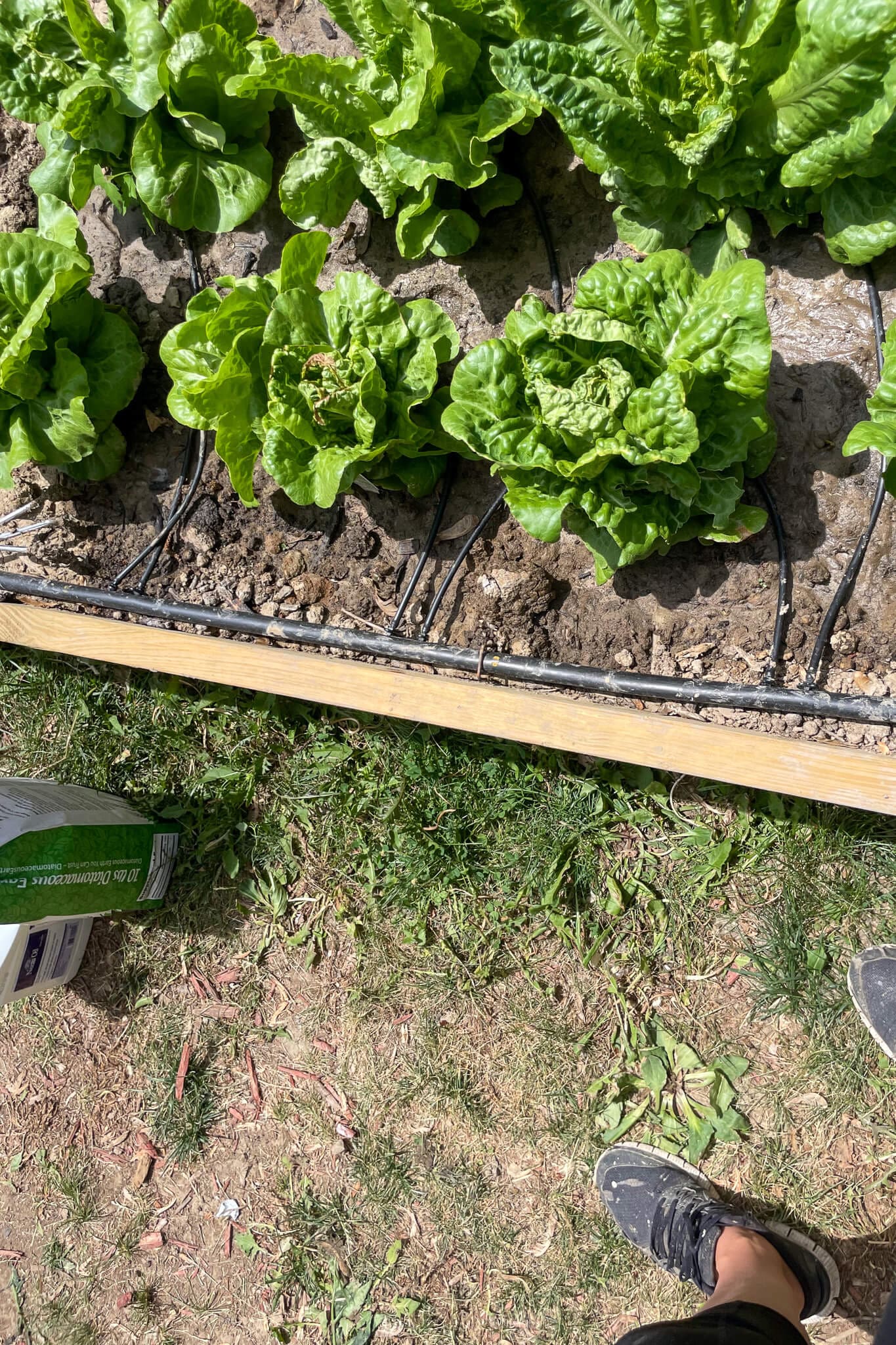
Drip irrigation delivers water slowly and directly to plant roots. This method reduces water waste and keeps leaves dry, which helps prevent disease. It is great for saving water and giving plants steady moisture.
- Uses less water than sprinklers
- Reduces weed growth by targeting roots
- Can be automated with timers
- Works well in uneven terrain
- Helps maintain consistent soil moisture
Soaker Hoses Setup
Soaker hoses release water slowly along their length. They are easy to lay out on raised beds and soak the soil evenly. Soaker hoses help keep the soil moist without flooding the plants.
| Step | Action |
| 1 | Place hose on top of soil around plants |
| 2 | Connect hose to water source with a timer if desired |
| 3 | Cover hose lightly with mulch to keep moisture |
| 4 | Turn on water and adjust flow to avoid puddles |
Manual Watering Techniques
Manual watering gives you control over how much water each plant gets. Use a watering can or hose with a nozzle. Water early in the morning or late in the day to reduce evaporation.
Tips for effective manual watering:
- Water at the soil level, not on leaves
- Give deep, slow watering to encourage roots
- Check soil moisture before watering
- Use a watering wand for hard-to-reach spots

Credit: www.lifespacegardens.com
Preparing Raised Beds For Irrigation
Setting up irrigation in raised garden beds helps plants grow strong. You need to prepare the beds carefully before adding irrigation.
Good preparation makes watering easy and keeps plants healthy. Let’s look at key steps for preparing raised beds for irrigation.
Soil Composition And Drainage
Healthy soil helps water reach plant roots quickly. Mix soil that drains well but holds some moisture.
Use a mix of compost, peat moss, and garden soil. This mix keeps soil loose and lets water pass through easily.
- Compost adds nutrients and improves water retention
- Peat moss keeps soil light and airy
- Garden soil provides structure and minerals
- Avoid heavy clay soil that traps water
Bed Layout And Plant Spacing
Plan your raised bed layout before installing irrigation. Space plants so water reaches all roots evenly.
Leave enough room between rows and plants for water lines. This helps avoid crowding and makes watering simple.
- Keep rows 12 to 18 inches apart
- Space plants based on their size and water needs
- Arrange plants with similar watering needs together
- Use straight rows for easier irrigation line setup
Installing Irrigation Lines
Choose irrigation lines that fit your bed size and plant types. Drip lines work well for raised beds.
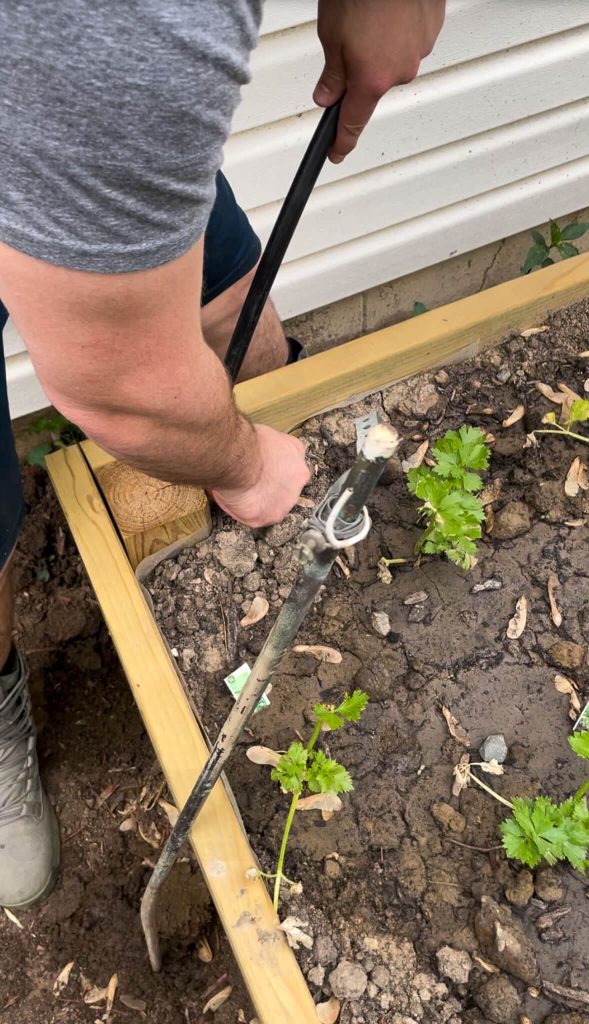
Lay irrigation lines along plant rows. Secure them with stakes to keep them in place and prevent damage.
- Use drip tubing or soaker hoses for water efficiency
- Connect lines to a timer for easy watering
- Test the system before covering with mulch or soil
- Keep valves accessible for repairs and adjustments
Watering Schedule And Frequency
Watering your raised garden beds properly is crucial for plant health. The right schedule helps plants grow strong and produce well.
Understanding when and how often to water can prevent issues like overwatering or underwatering.
Daily Vs. Weekly Watering
Deciding between daily and weekly watering depends on several factors. Consider your plant types and their specific needs.
- Daily watering is often needed for young seedlings or delicate plants.
- Weekly watering might be sufficient for established plants with deep roots.
- Observe your plants and soil to adjust the frequency as needed.
Adjusting For Weather Conditions
Weather plays a big role in how much water your garden needs. Hot and dry weather increases water evaporation, necessitating more frequent watering.
Consider these weather factors:
- During hot days, water early in the morning or late in the afternoon.
- In rainy periods, reduce watering to prevent waterlogging.
- Windy conditions can dry out soil faster, requiring more water.
Signs Of Overwatering And Underwatering
It’s essential to recognize signs of overwatering and underwatering to adjust your watering practices effectively.
| Condition | Signs |
| Overwatering | Yellow leaves, wilting despite wet soil |
| Underwatering | Dry soil, drooping leaves, slow growth |
Credit: www.farmfreshchoice.com
Maintaining Irrigation Systems
Keeping your irrigation system in good shape helps your plants grow healthy. Regular care stops problems before they start.
Simple maintenance saves water and ensures even watering in your raised garden beds.
Cleaning And Flushing Lines
Dirt and debris can clog irrigation lines. Cleaning and flushing them keeps water flowing well.
Flush the lines by running water through them at full pressure. This helps remove buildup inside.
- Turn off the system and remove end caps
- Run water through the lines for several minutes
- Use a soft brush to clean visible dirt
- Replace end caps and test the flow
Checking For Leaks And Blockages
Leaks waste water and blockages stop plants from getting enough moisture. Check lines regularly.
Look for wet spots, low pressure, or dry areas in your garden bed. Fix problems quickly to save water.
- Inspect hoses and drip emitters for cracks or holes
- Listen for hissing sounds that show leaks
- Clear any dirt or debris blocking emitters
- Replace damaged parts as needed
Seasonal Maintenance Tips
Season changes need special care for your irrigation system. Prepare it for winter and spring.
Drain and store hoses in cold seasons to avoid damage. Check and test the system before planting.
- Drain water and store removable parts indoors during winter
- Check filters and clean them before spring
- Test system pressure and flow early in the season
- Adjust watering schedules based on weather
Enhancing Water Efficiency
Water is a precious resource for raised garden beds. Using water wisely helps plants grow strong and saves money. Simple methods can improve water use in your garden.
Below are some easy ways to keep your garden beds moist without wasting water. These tips fit well in any home garden setup.
Mulching Techniques
Mulch covers the soil and keeps moisture from evaporating. It also stops weeds that steal water from your plants.
- Use organic mulch like straw, leaves, or wood chips.
- Apply a 2 to 3 inch layer around plants.
- Keep mulch a few inches away from plant stems to avoid rot.
- Replace mulch yearly to maintain its effectiveness.
Using Rainwater And Greywater
Collecting rainwater and reusing greywater can reduce the need for tap water in your garden. Both sources provide valuable moisture for plants.
| Water Source | Benefits | Precautions |
| Rainwater | Free, soft water good for plants | Use clean containers; avoid contamination |
| Greywater | Recycles household water from sinks and showers | Use mild soaps; avoid water with chemicals |
Smart Irrigation Controllers
Smart controllers adjust watering times based on weather and soil moisture. They prevent overwatering and save water automatically.
- Set timers to water early in the morning or late at night.
- Use soil sensors to water only when plants need it.
- Connect to weather data to skip watering on rainy days.
- Regularly check and adjust settings for your garden’s needs.
Frequently Asked Questions
How Often Should I Water Raised Garden Beds?
Water raised beds 2-3 times weekly, adjusting for weather. Soil drains faster, so consistent moisture is key for plant health.
What Irrigation Methods Work Best For Raised Beds?
Drip irrigation and soaker hoses are ideal. They deliver water directly to roots, reduce waste, and promote even soil moisture.
Can I Use Rainwater For Irrigating Raised Beds?
Yes, collecting rainwater is eco-friendly and cost-effective. Use barrels or tanks to store rain for efficient garden irrigation.
How Do I Prevent Overwatering In Raised Beds?
Check soil moisture regularly with a finger test. Water only when the top inch feels dry to avoid root rot.
Conclusion
Proper irrigation keeps raised garden beds healthy and productive. Choose watering methods that suit your plants and climate. Check soil moisture regularly to avoid over- or under-watering. Use drip irrigation or soaker hoses for efficient water use. Water early in the day to reduce evaporation.
Consistent care helps your garden thrive all season long. Small steps make a big difference in plant growth. Start simple, observe your garden, and adjust as needed. Your raised beds will reward you with strong, vibrant plants.