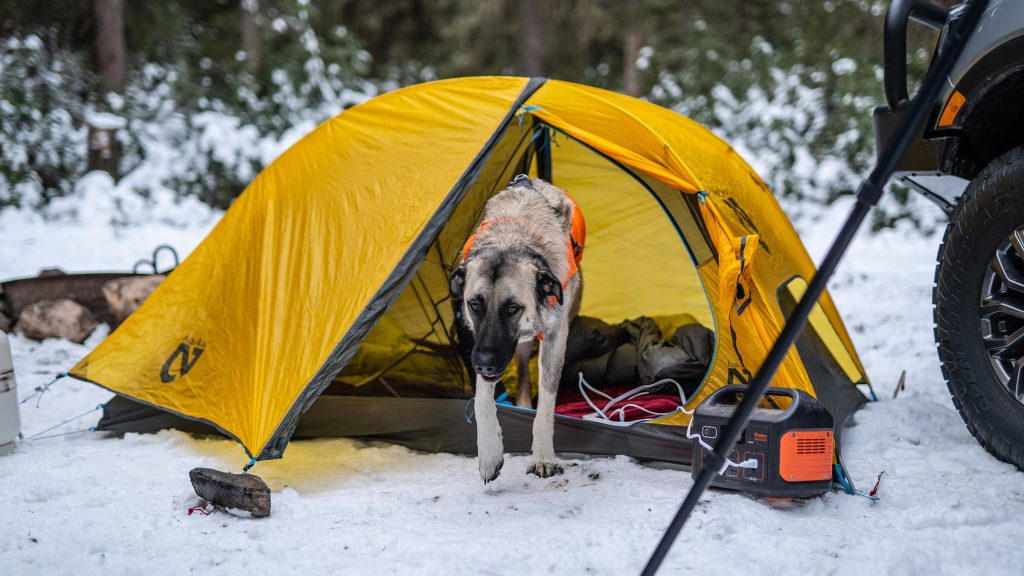
When winter camping, staying warm inside your tent can be a real challenge. You don’t want the cold to ruin your adventure or keep you awake all night.
But how do you heat a tent safely and effectively without risking your comfort or safety? You’ll discover simple, practical ways to keep your tent cozy even in freezing temperatures. By the end, you’ll be ready to enjoy your winter trips without shivering or worrying about the cold.
Keep reading, and learn how to make your tent a warm haven this winter.
Choosing The Right Tent
Heating a tent in winter needs careful tent choice. The right tent keeps you warm and safe.
Look for tents made for cold weather. They help keep heat inside and cold out.
Four-season Vs Three-season Tents
Four-season tents are made for strong wind and snow. They have stronger poles and fabric.
Three-season tents work well in spring, summer, and fall. They are lighter but less warm.
- Four-season tents handle heavy snow and cold better.
- Three-season tents have more mesh for ventilation.
- Four-season tents have less mesh to keep heat in.
Tent Size And Insulation
Choose a tent size that fits your group and gear. A smaller tent warms up faster.
Good insulation helps keep heat inside. Look for tents with thick fabric and double walls.
- Smaller tents hold heat better than large ones.
- Double-wall tents trap warm air between layers.
- Thick fabric blocks cold wind and snow.
Ventilation Features
Ventilation stops moisture buildup inside your tent. Moisture can make you cold.
Look for tents with adjustable vents. You can open or close vents to control airflow.
- Vents reduce condensation on tent walls.
- Proper airflow keeps the tent dry and warm.
- Close vents to keep heat in, open them to let moisture out.

Credit: www.youtube.com
Safe Heating Methods
Heating a tent in winter can make your stay warm and cozy. Choosing safe heating options is very important. This keeps you protected from fire and harmful gases.
Here are some safe ways to heat your tent during cold weather. Each option has its own benefits and safety tips.
Portable Propane Heaters
Portable propane heaters work well for heating tents. They produce a lot of heat quickly. Make sure to use heaters designed for indoor or tent use only.
Always keep the heater on a flat surface. Leave space around the heater to avoid fire risks. Use a carbon monoxide detector for safety.
- Use only propane heaters made for tents
- Keep heater away from flammable materials
- Ensure good ventilation in the tent
- Check fuel levels and connections before use
Electric Tent Heaters
Electric tent heaters are safe and easy to use. They do not produce fumes. You need a power source like a battery or generator.
Look for heaters with safety features like automatic shut-off. Do not cover the heater or use it near water. Keep children and pets away from the heater.
- Use electric heaters with built-in safety switches
- Place heater on a stable, heat-resistant surface
- Avoid using extension cords in wet conditions
- Turn off heater when you sleep or leave the tent
Catalytic Heaters
Catalytic heaters burn fuel without a flame. This lowers fire risk and produces less carbon monoxide. They are good for small tents.
Always read the instructions before using. Keep the heater away from flammable items. Make sure your tent has fresh air flow.
- Use catalytic heaters made for indoor use
- Place heater on a flat, non-flammable surface
- Ventilate the tent to avoid gas buildup
- Turn off heater before sleeping or leaving
Using Hot Water Bottles
Hot water bottles are a simple way to add warmth inside your tent. Fill the bottle with hot water and place it near your sleeping bag.
This method is safe because it does not use fuel or electricity. Make sure the bottle is tightly sealed to avoid leaks. Use a cover to prevent burns.
- Fill bottle with hot but not boiling water
- Use a cover or wrap for safety
- Place bottle near your feet or body
- Refill with hot water as needed
Insulating Your Tent
Keeping your tent warm in winter is important for comfort and safety. Insulation helps stop cold air from getting inside. It also keeps the heat you make inside from escaping.
There are simple ways to add insulation to your tent. Using the right materials can make your camping trip much warmer.
Ground Insulation Techniques
The ground can make your tent very cold. Cold air moves up from the earth. Adding insulation under your tent helps block this cold from coming in.
Use thick materials like foam mats, cardboard, or even leaves under your tent floor. These act as a barrier to stop cold from the ground.
- Lay foam pads or camping mats directly on the ground
- Use cardboard layers to trap air and add warmth
- Gather dry leaves or pine needles for natural insulation
- Put a tarp under the tent to protect insulation from moisture
Using Sleeping Pads And Bags
Sleeping pads stop cold from the ground and keep your body heat close. They come in foam or inflatable types. Use one with good insulation value for winter.
Sleeping bags also help keep you warm. Choose bags rated for cold temperatures. Layering sleeping bags can add extra warmth too.
- Choose a sleeping pad with high R-value for cold weather
- Use an insulated sleeping bag made for winter camping
- Try adding a liner inside your sleeping bag for more warmth
- Keep your sleeping gear dry to maintain insulation
Adding Thermal Liners
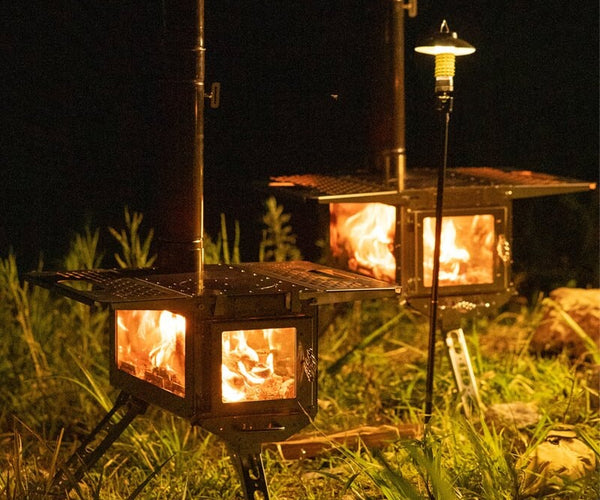
Thermal liners are extra layers added inside your tent walls or ceiling. They reflect heat back inside and reduce cold air from entering.
You can use special thermal fabrics or even emergency blankets as liners. They are lightweight and easy to install inside your tent.
- Attach thermal liners to tent walls using clips or tape
- Use emergency mylar blankets as reflective liners
- Ensure liners do not block ventilation to avoid moisture build-up
- Remove liners during the day to prevent overheating
Credit: cosycamp.com.au
Setting Up A Warm Camp
Heating a tent in winter is essential for comfort and safety. Choosing the right spot and setting up properly can keep you warm.
Follow these steps to ensure a cozy and safe camping experience in the cold months.
Choosing Shelter Location
The location of your tent affects warmth. Select a spot that is dry and elevated to avoid cold air pooling.
- Avoid valleys where cold air settles.
- Look for natural windbreaks like trees.
- Ensure ground is dry to prevent dampness.
Windbreaks And Snow Walls
Windbreaks and snow walls block cold winds. They can be natural or man-made.
Build snow walls by piling snow around your tent. This acts as insulation and wind barrier.
Layering Your Tent Interior
Layering inside your tent adds warmth. Use materials that trap heat.
| Layer | Material |
| Ground | Insulated mats |
| Walls | Reflective blankets |
| Ceiling | Thermal lining |
Safety Tips For Winter Heating
Heating a tent in winter keeps you warm and comfortable. It is important to stay safe while using heaters inside a tent. Careful planning helps avoid accidents and health risks.
This guide covers key safety tips for winter heating. Learn how to use ventilation, fire safety, and temperature monitoring to stay safe.
Ventilation To Prevent Carbon Monoxide
Carbon monoxide is a dangerous gas produced by heaters. It has no smell and can cause poisoning. Proper ventilation reduces this risk in your tent.
- Keep a window or vent slightly open to allow fresh air.
- Use carbon monoxide detectors inside the tent.
- Never use fuel-burning heaters without ventilation.
- Avoid blocking airways around the heater.
Fire Safety Measures
Fires can start easily in tents. Follow these rules to keep flames under control and avoid injuries.
| Safety Action | Details |
| Keep heater away from fabrics | Place heaters at least 3 feet from tents and sleeping bags. |
| Use stable heater bases | Prevent tipping by placing heaters on flat, stable surfaces. |
| Never leave heater unattended | Turn off heaters before sleeping or leaving the tent. |
| Have a fire extinguisher | Keep a small extinguisher nearby for emergencies. |
Monitoring Temperature And Humidity
Too much heat or moisture can cause problems. Keep track of temperature and humidity to stay safe and comfortable.
- Use a thermometer to check the tent temperature often.
- Use a hygrometer to monitor humidity levels.
- Adjust heater settings to keep temperature steady.
- Open vents if humidity gets too high to avoid condensation.

Credit: www.reddit.com
Maintaining Warmth Overnight
Keeping warm inside your tent during winter nights is important. Cold can make sleep hard and uncomfortable. Using the right methods helps you stay cozy and safe.
Focus on stopping moisture, wearing the right clothes, and using heated gear. These steps will keep your body heat inside the tent.
Keeping Moisture Out
Moisture inside your tent can make you cold fast. Condensation and wet gear lower the temperature. Use these tips to keep moisture away.
- Choose a tent with good ventilation
- Use a waterproof groundsheet below your tent
- Keep wet clothes outside or in a separate bag
- Open vents slightly to allow air flow
- Dry wet items before sleeping if possible
Wearing Proper Clothing
Wearing the right clothing traps your body heat and blocks cold air. Layering is the best way to dress for winter camping.
| Clothing Layer | Purpose | Example |
| Base Layer | Keeps skin dry | Thermal underwear |
| Middle Layer | Insulates heat | Fleece or wool sweater |
| Outer Layer | Blocks wind and rain | Waterproof jacket |
| Accessories | Protect extremities | Hat, gloves, warm socks |
Using Heated Accessories
Heated accessories add extra warmth and comfort inside your tent. They help keep cold away from hands and feet.
- Use battery-powered heated gloves and socks
- Try a heated blanket made for camping
- Place hand warmers inside your sleeping bag
- Use a heated pad under your sleeping bag
Emergency Heating Solutions
Keeping warm inside a tent during winter can be tough. Emergency heating solutions help keep you safe and comfortable.
Use simple, practical ways to heat your tent without risking safety. These ideas work well if you have limited gear.
Building A Small Campfire Nearby
A small campfire close to your tent provides heat and light. Keep it at a safe distance to avoid fire hazards.
Clear snow and debris around the fire spot. Use dry wood and twigs to start the fire quickly.
- Choose a spot downwind from your tent
- Build a fire ring with rocks for safety
- Keep water or snow nearby to put out fire
- Never leave the fire unattended
Using Body Heat Efficiently
Your body heat is a valuable source of warmth. Use it well by staying dry and insulated inside the tent.
Wear layers of clothing and use sleeping bags to trap heat. Share sleeping space with others if possible.
- Wear a hat to reduce heat loss
- Keep your clothes dry at all times
- Use blankets or emergency foil blankets
- Stay close to others for shared warmth
Improvised Heat Sources
If you lack traditional heat sources, use items around you to create warmth. Be careful to avoid burns or fire.
Hot water bottles or heated stones wrapped in cloth can help. Avoid using fuel heaters inside tents without ventilation.
- Fill a sturdy bottle with hot water and seal tightly
- Heat stones near a fire, then wrap them in cloth
- Use hand warmers if you have them
- Do not burn charcoal or fuel indoors
Frequently Asked Questions
How Can I Safely Heat A Tent In Winter?
Use a tent-safe propane heater with proper ventilation. Always keep a carbon monoxide detector inside. Avoid open flames and never leave the heater unattended to prevent fire hazards and poisoning.
What Materials Insulate A Tent Best In Cold Weather?
Use foam sleeping pads, thermal blankets, and insulated liners. These materials trap heat and reduce cold air flow. Layering helps maintain warmth inside your tent effectively during winter camping.
Can I Use A Campfire To Heat My Tent?
No, using a campfire inside or near a tent is dangerous. Sparks and smoke can cause fire or suffocation. Always heat your tent with safe, approved heating devices outside the tent.
How Do I Keep Moisture Out While Heating A Tent?
Ventilate slightly to prevent condensation buildup but avoid drafts. Use moisture-wicking sleeping bags and ground tarps. Proper airflow reduces dampness, keeping the tent warm and comfortable in winter.
Conclusion
Keeping your tent warm in winter takes planning and care. Use safe heating methods to avoid risks. Dress in layers and use insulated sleeping bags. Close vents but allow some airflow to prevent moisture. Small heaters or heat packs can add warmth.
Always watch for signs of cold or danger. Enjoy your winter camping with comfort and safety. Stay warm, stay safe, and enjoy the outdoors.