Have you ever wondered what type of wood makes a baseball bat strong enough to hit a home run? The wood inside your bat plays a huge role in how it feels, performs, and lasts.
Choosing the right wood can change your game in ways you might not expect. You’ll discover the most popular woods used for baseball bats and why each one matters. Whether you’re a player, coach, or fan, understanding the wood behind the bat will give you a new appreciation for every swing.
Keep reading to find out which wood could be the perfect match for your game.

Credit: www.greatrex.com.au
Common Woods For Baseball Bats
Baseball bats are mostly made from different types of wood. Each wood type has unique features that affect how the bat performs.
The choice of wood can change the bat’s weight, strength, and feel. The most common woods used are ash, maple, and birch.
Ash Wood Characteristics
Ash wood is light and flexible. This makes it easier to swing and control the bat.
Ash bats have visible grain lines. These lines help the wood absorb shock and reduce vibration on contact.
- Lightweight and easy to swing
- Good shock absorption
- Visible grain lines
- Offers good bat control
Maple Wood Benefits
Maple wood is dense and hard. It provides more power because of its strength.
Maple bats are heavier but can hit the ball farther. They also last longer if well cared for.
- Dense and hard wood
- Increases hitting power
- Heavier than ash
- Durable with proper care
Birch Wood Qualities
Birch wood combines features of ash and maple. It is strong but also slightly flexible.
Birch bats offer a balance of power and control. They have a smooth surface and fewer visible grains.
- Strong and flexible
- Balance of power and control
- Smooth surface
- Less visible grain
Performance Factors Of Bat Woods
Baseball bats are crafted from different types of wood, each offering unique performance benefits. Understanding these factors helps players choose the right bat for their game.
The type of wood impacts durability, weight, balance, flexibility, and pop. These elements are crucial for achieving the best swing and impact during a game.
Durability And Strength
Some woods like maple are known for their strength and resistance to breakage. This makes them a popular choice among professional players.
| Wood Type | Durability Level |
| Maple | High |
| Ash | Medium |
| Bamboo | Very High |
Weight And Balance
The weight and balance of a bat affect swing speed and control. Lighter bats are easier to swing, while balanced bats provide better control.
- Lighter bats increase swing speed
- Heavier bats offer more power
- Balanced bats improve control
Flexibility And Pop
Flexibility influences how the bat absorbs and redirects energy. Woods like ash offer more flex, leading to a trampoline effect known as “pop”.
Regional Preferences In Wood Selection
Wood selection for baseball bats varies by region due to tradition and wood availability.
Different countries prefer specific types of wood for making bats based on local resources and player needs.
Popular Choices In The U.s.
In the United States, maple and ash are the most popular woods for baseball bats.
- Ash:Known for its light weight and flexibility, ash has been a traditional favorite.
- Maple:Maple offers a harder and denser wood, giving more power on hits.
- Birch:Birch is gaining popularity as a middle ground between ash and maple.
Trends In International Markets
International markets show different preferences based on local trees and playing styles.
| Region | Preferred Wood | Reason |
| Japan | White Oak | Strong and durable, fits their bat standards |
| Dominican Republic | Hickory | Very hard wood, offers great bat strength |
| Europe | Beech | Common and affordable wood choice |

Credit: www.reddit.com
Sustainability Of Bat Woods
Baseball bats are mostly made from hardwoods like maple, ash, and birch. These woods are chosen for their strength and light weight.
It is important to consider how sustainable these woods are. Sustainable wood means it is harvested in a way that protects forests for the future.
Environmental Impact
Harvesting wood for bats can affect forests and wildlife. Cutting too many trees harms ecosystems and reduces air quality.
Using wood from managed forests helps lower negative effects. These forests grow trees faster and keep nature balanced.
- Overharvesting causes habitat loss
- Managed forests reduce soil erosion
- Wood production uses less energy than metal bats
Sourcing And Certification
Buyers should look for wood from certified sources. Certification shows the wood comes from well-managed forests.
Common certifications include FSC and PEFC. These groups check that forest rules protect nature and workers.
- FSC stands for Forest Stewardship Council
- PEFC means Programme for the Endorsement of Forest Certification
- Certified wood supports forest health and community well-being
Innovations In Wood Baseball Bats
Wood baseball bats have been used for decades. New innovations improve their strength and performance.
These changes help players get better hits and last longer during games.
Hybrid Wood Materials
New bats combine different types of wood to improve durability. These hybrids mix hard and soft woods for better balance.
- Maple and ash blends for strength and flexibility
- Bamboo layers for light weight and toughness
- Birch mixed with maple to reduce breakage
- Engineered wood composites for consistent grain
Advancements In Wood Treatment
Wood treatment processes now make bats stronger and more resistant to cracks. These include heat and chemical treatments.
| Treatment Type | Purpose | Effect on Bat |
| Heat Treatment | Remove moisture | Increases hardness and durability |
| Chemical Coating | Protect wood surface | Prevents damage from weather and use |
| Compression | Strengthen grain | Improves impact resistance |
| UV Curing | Harden finish | Extends lifespan of the bat |
Choosing The Right Wood For You
Baseball bats come in different types of wood. Each wood has its own feel and strength. Picking the right wood can help your swing and performance.
Different woods suit different players. Think about your skill and how much you want to spend. This guide will help you choose the best wood for you.
Skill Level Considerations
Beginners often need bats that are light and easy to control. Some woods are softer and lighter, making them better for new players. Skilled players might want bats that are harder and more durable.
Here are common woods and who they fit best:
- Maple:Hard and dense. Good for strong, skilled players.
- Ash:Flexible and lighter. Great for beginners and intermediate players.
- Birch:A mix of hard and flexible. Fits many skill levels.
- Hickory:Very hard and heavy. Best for experienced players who want power.
Budget And Availability
Some woods cost more because they are rare or harder to work with. Your budget will help decide which wood you can choose. Also, some woods are easier to find in stores.
Here is a simple table comparing cost and availability:
| Wood Type | Cost | Availability |
|---|---|---|
| Maple | High | Common |
| Ash | Medium | Common |
| Birch | Medium | Less common |
| Hickory | Low | Rare |
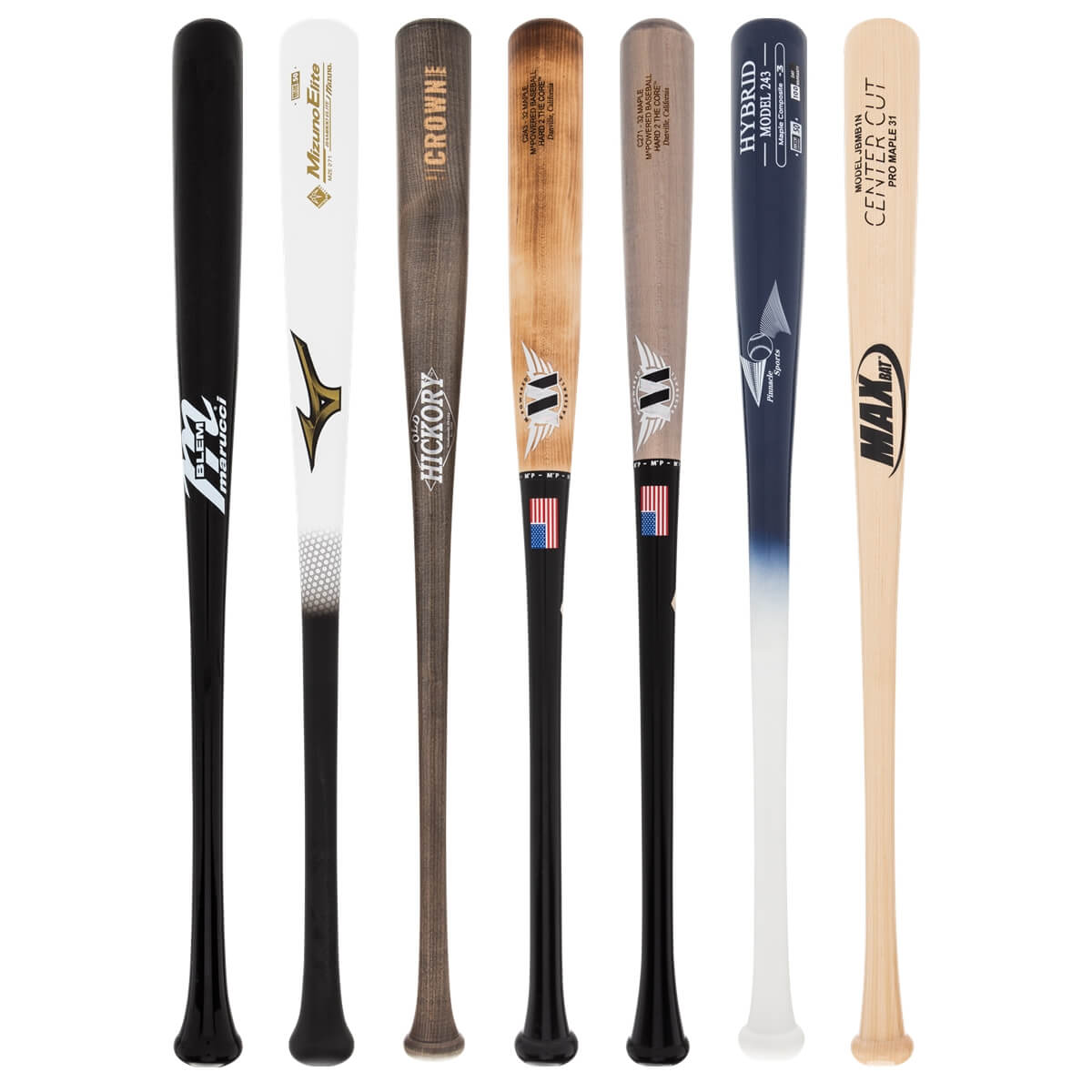
Credit: www.justbats.com
Frequently Asked Questions
What Type Of Wood Is Best For Baseball Bats?
Maple and ash are the most popular woods for baseball bats. Maple offers hardness and durability, while ash provides flexibility and lighter weight. Both woods give players excellent performance depending on their hitting style and preferences.
Why Is Maple Wood Preferred For Baseball Bats?
Maple wood is dense and hard, providing power and durability. It resists breaking better than other woods, making it ideal for serious players seeking strength in their bats.
Are Ash Wood Bats Better Than Maple Bats?
Ash bats are lighter and more flexible, offering better swing speed. Maple bats are harder and more durable. Choosing depends on a player’s preference for power or control.
Can Baseball Bats Be Made From Other Woods?
Yes, bats can be made from birch, hickory, and bamboo. Birch combines hardness and flexibility, hickory is strong but heavy, and bamboo is lightweight but less common.
Conclusion
Wood type affects baseball bat strength and performance. Maple bats offer hardness and durability. Ash bats provide flexibility and lighter weight. Birch bats combine strength and flexibility well. Choosing the right wood depends on player needs. Each wood type has unique benefits and feel.
Quality wood ensures better control and longer use. Players enjoy the balance of power and comfort. Understanding wood types helps pick the best bat. Simple knowledge leads to better baseball experiences. Keep these facts in mind when selecting bats.