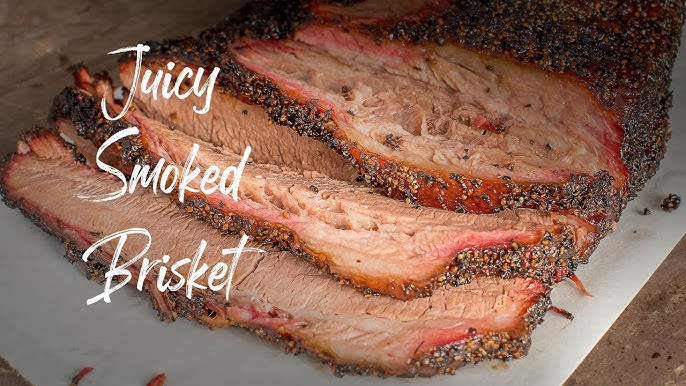
If you’ve ever wanted to impress your friends with mouth-watering, tender beef brisket, smoking it on a charcoal grill is the way to go. It might sound tricky, but with the right steps, you can turn your grill into a flavor-packed smokehouse.
In this guide, you’ll discover simple tips and tricks to master the perfect smoke, keep your brisket juicy, and create that irresistible bark everyone loves. Ready to become the barbecue hero of your next cookout? Keep reading, because your best brisket yet is just a few easy steps away.
Choosing The Right Brisket
Smoking a beef brisket on a charcoal grill needs the right meat. Picking good brisket affects taste and texture.
Learn how to choose quality meat and trim it well for the best results.
Selecting Quality Meat
Look for a whole packer brisket with both the flat and point muscles. It should weigh between 10 to 16 pounds.
Good brisket has even marbling, which means small lines of fat inside the meat. This fat melts during cooking and keeps the brisket juicy.
- Choose brisket with a bright red color
- Check for even fat distribution
- Avoid meat with dark spots or dry edges
- Pick brisket with a firm texture
Trimming Tips
Trim the brisket to remove excess fat but keep a thin layer for flavor. Too much fat can cause flare-ups on the grill.
Focus on trimming the hard fat cap and silver skin. Leave about 1/4 inch of fat on the meat side to protect it during smoking.
- Use a sharp knife for clean cuts
- Remove thick fat chunks over 1/2 inch
- Trim silver skin for better smoke penetration
- Keep some fat to keep meat moist
Preparing The Brisket
Smoking a beef brisket on a charcoal grill needs good preparation. Proper prep helps the meat cook evenly and taste great.
Start by trimming the brisket and getting the right seasonings ready. This makes sure your brisket gets the best flavor.
Seasoning And Rubs
Seasoning the brisket well adds flavor and helps form a tasty crust. Use a dry rub with spices that suit your taste.
Apply the rub evenly on all sides of the brisket. Let the spices soak into the meat for better flavor.
- Use salt and pepper as a simple base
- Add paprika for a smoky taste
- Include garlic and onion powder for depth
- Try brown sugar for sweetness and caramelization
- Use chili powder or cayenne for heat if desired
Letting The Meat Rest
After seasoning, let the brisket rest before cooking. This step helps the flavors settle into the meat.
Rest the brisket in the fridge for at least an hour. For best results, wrap it in plastic wrap or place it in a covered container.
- Resting time: 1 to 4 hours in the refrigerator
- Keep it covered to avoid drying out
- Bring the brisket to room temperature before smoking
Setting Up The Charcoal Grill
Smoking a beef brisket on a charcoal grill is an art. It begins with setting up your grill properly.
Knowing how to arrange the coals and create heat zones is essential. Using wood for smoke adds flavor.
Arranging The Coals
Start with clean coals and a chimney starter. Light the coals until they are gray and ashy.
Arrange the coals on one side of the grill. This will help control the heat and cook the brisket evenly.
- Use a chimney starter for even lighting
- Place coals on one side of the grill
- Ensure coals are ashy before cooking
Creating Heat Zones
Having different heat zones allows you to cook the brisket perfectly. You need both direct and indirect heat.
Place the brisket over the indirect heat zone. This ensures slow cooking and juicy meat.
- Direct heat for initial searing
- Indirect heat for slow cooking
- Adjust coals to maintain temperature
Using Wood For Smoke
Wood chips add a smoky flavor to the brisket. Soak wood chips in water before using them.
Place the soaked wood chips on the coals. This will create smoke that flavors the brisket as it cooks.
- Soak wood chips for 30 minutes
- Choose hickory or oak for robust flavor
- Place directly on hot coals

Credit: snakeriverfarms.com
Smoking Process
Smoking a beef brisket on a charcoal grill takes time and care. It involves controlling heat and smoke to get tender meat.
Pay attention to the temperature, smoke, and placement of the brisket. These factors affect the taste and texture.
Maintaining Temperature
Keep the grill temperature steady between 225°F and 250°F. This low heat cooks the brisket slowly and breaks down the fat.
Use a grill thermometer to watch the heat. Adjust charcoal or vents to keep the temperature steady.
- Add small amounts of charcoal every hour to keep heat consistent
- Open or close vents to control airflow and temperature
- Avoid lifting the lid often to prevent heat loss
Monitoring Smoke Levels
Use clean, thin smoke for the best flavor. Thick, white smoke can make the meat bitter.
Check the smoke color often. Aim for light blue or thin white smoke coming from the grill.
- Use dry wood chunks or chips for steady smoke
- Soak wood chips in water for 30 minutes before adding
- Add wood gradually to avoid too much smoke
Placement Of The Brisket
Place the brisket on the grill away from direct heat. Use indirect cooking to avoid burning the meat.
Keep the thicker part of the brisket closer to the heat. This helps cook the meat evenly.
- Use a drip pan under the brisket to catch fat and prevent flare-ups
- Position the brisket fat side up to keep it moist
- Leave space around the meat for smoke and heat to circulate
Managing Time And Temperature
Smoking a beef brisket on a charcoal grill needs careful time and temperature control. Keeping the heat steady is key to tender, juicy meat.
Learn how to use tools and techniques to keep your brisket cooking just right.
Using A Meat Thermometer
A meat thermometer helps you check the brisket’s internal temperature. This ensures it cooks safely and reaches the perfect tenderness.
- Insert the thermometer into the thickest part of the brisket.
- Keep the probe away from bones and fat for an accurate reading.
- Target an internal temperature between 195°F and 205°F for best results.
- Check the temperature every hour after the first 3 hours.
- Remove the brisket when it reaches the desired temperature, then let it rest.
Adjusting Airflow
Airflow controls the charcoal’s heat and smoke. Adjusting vents can raise or lower the temperature inside the grill.
| Vent Setting | Effect on Temperature |
| Fully Open | Increases heat and smoke flow |
| Half Open | Maintains moderate heat |
| Mostly Closed | Reduces heat, slows cooking |
Wrapping The Brisket
Wrapping the brisket in foil or butcher paper helps keep moisture in and speeds up cooking during the stall phase.
- Wrap the brisket tightly when internal temperature hits about 160°F.
- Use foil for a softer bark and faster cook.
- Use butcher paper for firmer bark and better smoke flavor.
- Return the wrapped brisket to the grill until it reaches the target temperature.

Credit: snakeriverfarms.com
Finishing Touches
Smoking a beef brisket on a charcoal grill takes time and care. The final steps make the brisket tender and tasty. These steps help keep the juices inside and make slicing easier.
Pay close attention to resting the meat and slicing it correctly. These parts complete your cooking process and improve the eating experience.
Resting The Meat
After smoking, let the brisket rest to keep its juices. Resting helps the meat stay moist and tender.
Wrap the brisket in foil or butcher paper. Place it in a cooler or warm spot for about 1 hour before slicing.
- Wrap brisket tightly to hold heat
- Rest for 45 to 60 minutes
- Keep it in a warm place, not hot
- Do not skip resting to avoid dry meat
Slicing Techniques
Slice the brisket against the grain. This cuts the muscle fibers short and makes the meat easier to chew.
Use a sharp knife and cut thin slices. Thin slices bring out the flavor and texture better.
- Identify the grain direction on the brisket
- Cut perpendicular to the grain
- Slice about 1/4 inch thick
- Keep the knife clean and sharp
Serving Suggestions
Smoking a beef brisket on a charcoal grill creates rich, smoky flavors. Serving it with the right sides and sauces enhances the meal.
Here are some ideas for side dishes and sauce pairings to enjoy with your brisket.
Side Dishes
Choose sides that balance the smoky and savory taste of the brisket. Fresh, crisp, and creamy textures work well.
- Classic coleslaw with a tangy dressing
- Grilled corn on the cob with butter
- Baked beans with a touch of brown sugar
- Potato salad with mustard and herbs
- Roasted vegetables like carrots and Brussels sprouts
Sauce Pairings
Sauces bring extra flavor and moisture. Pick sauces that match the smoky taste without overpowering it.
| Sauce | Description |
| Classic BBQ Sauce | Sweet and tangy, with a tomato base |
| Mustard Sauce | Sharp and slightly spicy, made with yellow mustard |
| Chimichurri | Fresh and herbal, with parsley and garlic |
| Horseradish Cream | Rich and spicy, adds a creamy kick |
| Hot Sauce | Spicy and vinegar-based, for heat lovers |

Credit: m.youtube.com
Common Mistakes To Avoid
Smoking a beef brisket on a charcoal grill takes time and patience. Many beginners make mistakes that affect the taste and texture. Avoiding these errors will help you get tender, flavorful meat.
Here are some common mistakes to watch out for while smoking your brisket.
Using Too Much Direct Heat
Placing the brisket directly over hot coals cooks it too fast. This burns the outside and leaves the inside tough. Use indirect heat for slow, even cooking.
- Arrange coals to one side of the grill
- Place brisket on the cooler side
- Keep the lid closed to keep heat steady
Not Controlling The Temperature
Smoking needs a steady low heat, usually between 225°F and 250°F. Too hot or too cold can dry out the brisket or make it cook unevenly. Use a good grill thermometer.
- Check temperature often
- Add coals slowly to keep heat steady
- Adjust vents to control airflow
Skipping The Resting Period
Cutting into the brisket right after smoking lets juices escape. This makes the meat dry. Let the brisket rest for at least 30 minutes wrapped in foil or a towel.
Not Preparing The Brisket Properly
Failing to trim excess fat or apply a good rub reduces flavor. Remove thick fat layers but leave a thin layer for moisture. Season the brisket well before cooking.
- Trim fat cap to about ¼ inch thick
- Use salt, pepper, and your favorite spices
- Let the rub sit on the meat for 30 minutes or more
Opening The Lid Too Often
Every time you open the grill lid, heat escapes. This makes cooking longer and uneven. Check the brisket only when needed and keep the lid closed as much as possible.
Not Using Wood Chips Or Chunks
Charcoal alone does not give enough smoky flavor. Add wood chips or chunks to create the right smoke. Soak wood in water for 30 minutes before use to slow burning.
- Choose hardwood like oak, hickory, or mesquite
- Place soaked wood on hot coals
- Replace wood as it burns out
Frequently Asked Questions
How Long Does It Take To Smoke A Beef Brisket?
Smoking a beef brisket typically takes 10 to 14 hours. The exact time depends on brisket size and grill temperature. Aim for a consistent 225°F to 250°F heat. Use a meat thermometer to check for an internal temperature of 195°F to 205°F.
What Type Of Charcoal Is Best For Smoking Brisket?
Lump charcoal is ideal for smoking brisket. It burns hotter and cleaner than briquettes. Avoid charcoal with additives or chemicals. Hardwood lump charcoal enhances the smoky flavor. Use natural wood chunks like oak or hickory for added aroma.
Should I Wrap Brisket During Smoking?
Yes, wrapping brisket helps retain moisture and tenderness. Wrap the brisket in butcher paper or foil after 4-6 hours. This method, called the Texas Crutch, speeds up cooking and prevents drying out. Remove wrapping in the last hour for bark development.
How Do I Control Temperature On A Charcoal Grill?
Control temperature by adjusting air vents on the grill. Open vents increase heat; closing them reduces oxygen and lowers temperature. Use a water pan inside the grill to maintain moisture and stabilize heat. Regularly add charcoal to keep a steady fire.
Conclusion
Smoking a beef brisket on a charcoal grill takes time and patience. Keep the temperature steady and the smoke gentle. Use wood chips for extra flavor. Check the meat often to avoid drying it out. Let the brisket rest before slicing.
This helps keep it juicy and tender. Enjoy the rich taste you created with simple steps. Smoking meat can be fun and rewarding. Try it yourself and taste the difference.