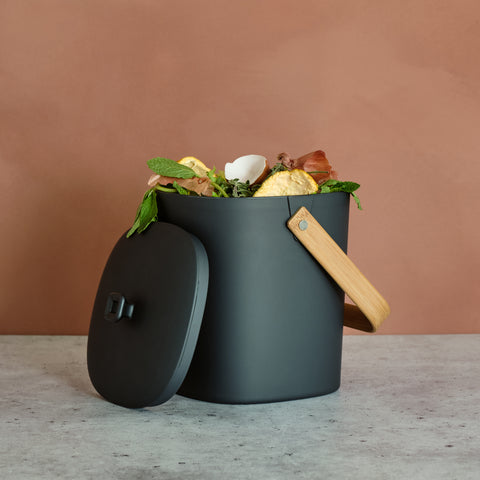
Are you looking for a simple way to reduce kitchen waste and create nutrient-rich soil for your plants? Using a countertop compost bin is an easy and effective solution that fits right on your kitchen counter.
It keeps scraps organized, minimizes odors, and turns your food waste into something valuable. You’ll discover how to use a countertop compost bin step-by-step, so you can start composting with confidence and make a positive impact on your home and the environment.
Keep reading to learn how small changes in your kitchen can lead to big benefits!
Choosing The Right Bin
Choosing the right countertop compost bin makes composting easier and cleaner. You want a bin that fits your kitchen space and works well for your compost needs.
This guide covers important points about materials, size, and features to help you pick the best bin.
Materials And Size
Countertop compost bins come in different materials. Each has pros and cons for your kitchen and compost.
| Material | Advantages | Disadvantages |
|---|---|---|
| Stainless Steel | Durable, resists odors, easy to clean | Usually more expensive, heavier |
| Plastic | Lightweight, affordable, many colors | Can retain odors, less durable |
| Ceramic | Attractive, sturdy, odor resistant | Can break if dropped, heavier |
| Glass | Non-porous, easy to clean | Fragile, heavier |
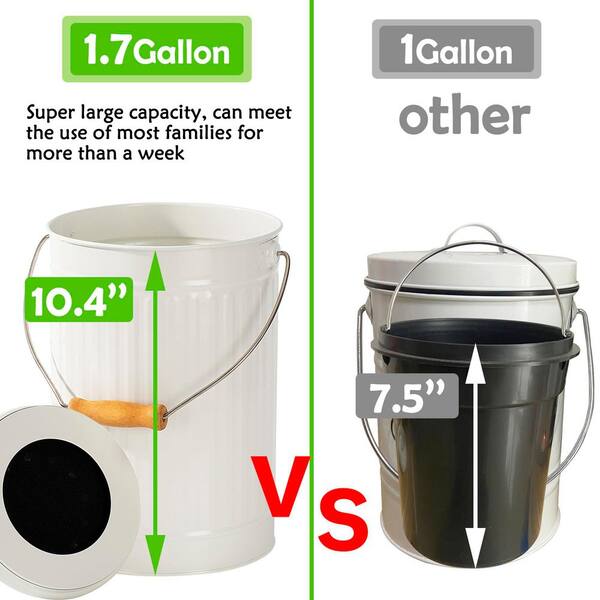
For size, consider how much food waste you create daily. A bin between 1 to 3 gallons usually works well for most kitchens.
Features To Look For
Good features make composting easier and reduce odors. Look for these when selecting a bin.
- A tight-fitting lid to keep smells in
- Carbon filters to absorb odors
- Easy-to-clean surfaces
- Handles or grips for easy carrying
- Ventilation holes to reduce moisture
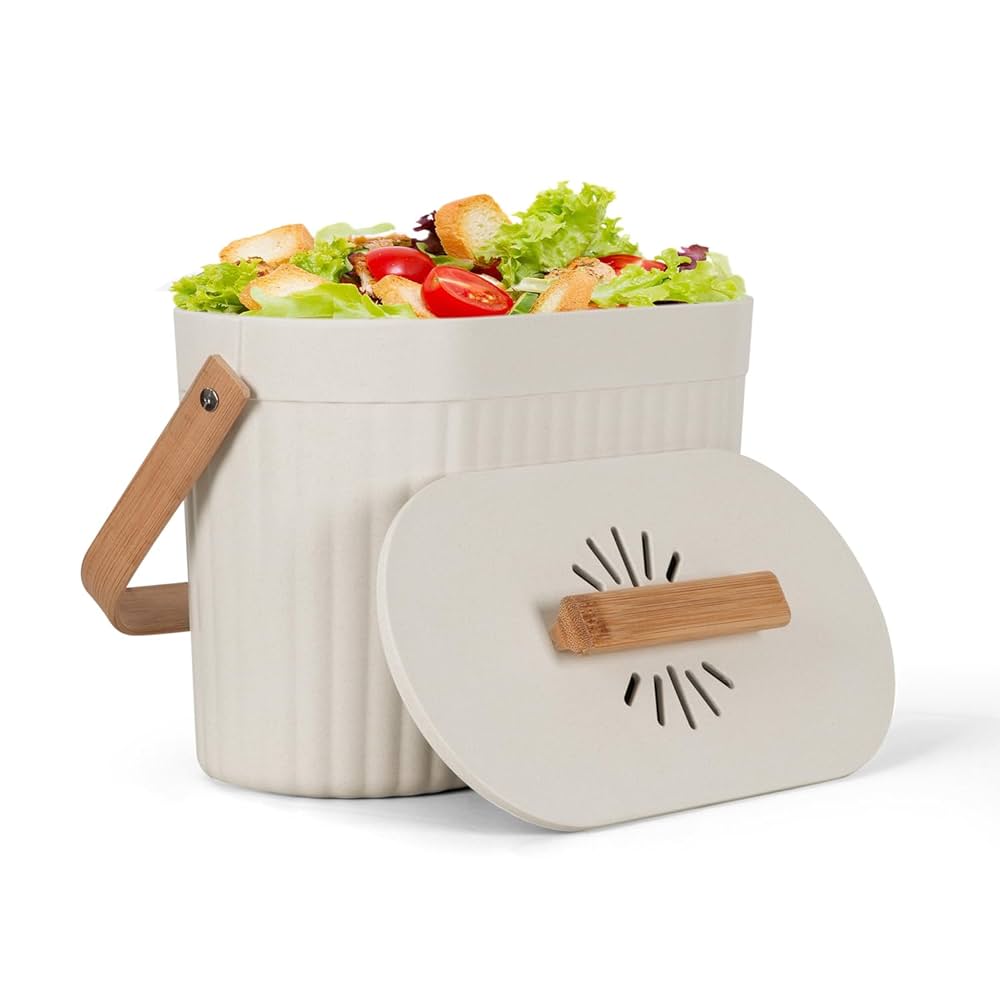
- A removable inner bucket for quick emptying

Credit: www.amazon.com
Setting Up Your Bin
Using a countertop compost bin is easy and helps reduce waste. Setting it up properly makes composting simple and clean.
Start by choosing the right spot and getting your bin ready for use. These steps keep your kitchen fresh and your compost healthy.
Selecting A Location
Pick a place in your kitchen that is easy to reach. It should be near where you prepare food to save time.
Keep the bin away from heat sources like stoves or sunlight. This stops smells and keeps the compost fresh.
- Choose a cool, dry spot
- Place near your sink or prep area
- Keep out of direct sunlight
- Make sure it is easy to clean around
Preparing The Bin
Clean the bin before you start using it. This prevents bad smells and bacteria growth.
Line the bottom of the bin with a small amount of newspaper or paper towels. This helps absorb moisture and keeps the bin dry.
- Wash the bin with soap and water
- Dry the bin completely before use
- Add paper liners or newspaper at the bottom
- Keep a lid on the bin to control odor
What To Compost
Using a countertop compost bin is simple and helps reduce waste. Knowing what kitchen scraps to compost is important for effective composting.
Follow these guidelines to ensure your compost is healthy and breaks down efficiently.
Kitchen Scraps To Include
Certain kitchen scraps are perfect for composting. They break down easily and add nutrients to your compost.
- Fruit peels and cores
- Vegetable scraps
- Coffee grounds and filters
- Tea bags
- Eggshells
Items To Avoid
Some items should not be added to your compost bin. These can attract pests or slow down the composting process.
| Item | Reason to Avoid |
| Meat and dairy products | Attracts pests |
| Oily foods | Slow decomposition |
| Plastic and metals | Non-biodegradable |
| Treated wood | Contains chemicals |
Credit: www.homedepot.com
Maintaining Your Compost
Keeping your countertop compost bin healthy is key to good compost. You need to care for it every few days. This helps speed up the breakdown of materials.
Two important parts of compost care are mixing and aeration and managing odors. Both keep your compost fresh and active.
Mixing And Aeration
Mixing your compost helps air reach the microbes that break down waste. Without air, compost can get smelly and slow.
- Open the bin lid and stir the compost with a small tool.
- Turn the compost gently to let fresh air inside.
- Do this every 2 to 3 days for best results.
- Break up any clumps to keep materials loose.
- Keep the compost moist but not wet.
Managing Odors
Bad smells happen if your compost is too wet or lacks air. You can fix this by balancing wet and dry materials.
| Cause | Solution |
|---|---|
| Too much wet food scraps | Add dry materials like shredded paper or dry leaves |
| Not enough air | Mix and aerate the compost often |
| Food scraps left uncovered | Cover scraps with dry materials after adding |
| Bin too full | Empty some compost into outdoor pile or garden |
Emptying And Using Compost
Using a countertop compost bin helps reduce kitchen waste. It also creates rich compost for your garden.
Knowing when to empty your bin and how to apply compost is key to success.
When To Empty
Empty your compost bin when it is about two-thirds full. This prevents bad smells and pests.
- Check the bin every few days for fullness.
- Empty more often in warm weather to avoid odors.
- Use gloves or a small scoop to remove compost easily.
- Store the compost in a larger outdoor bin or pile.
Applying Compost In Your Garden
Compost improves soil by adding nutrients and helping retain moisture.
| Garden Area | How to Apply Compost | Amount |
| Flower Beds | Mix into top 2-3 inches of soil before planting | 1-2 inches layer |
| Vegetable Garden | Spread around plants and gently work into soil | 1 inch layer |
| Lawns | Spread evenly and rake lightly | 0.25-0.5 inch layer |
Troubleshooting Common Issues
Using a countertop compost bin can be easy and helpful for your kitchen waste. Sometimes, small problems may happen. These problems can stop your bin from working well.
This guide helps you fix common issues with your compost bin. It covers pests and too much moisture. Fixing these problems keeps your compost healthy and neat.
Dealing With Pests
Pests like fruit flies or ants can appear around your compost bin. These bugs come because of food scraps and smells. To stop pests, keep your bin clean and sealed.
Empty your bin often and wash it with soap. Use a tight lid to close the bin. Avoid adding meat, dairy, or oily foods. These attract more pests.
- Keep the lid closed tightly
- Clean the bin weekly
- Use baking soda to reduce smell
- Do not add meat or dairy
- Store the bin in a cool place
Handling Excess Moisture
Too much moisture makes compost soggy and smelly. It slows down the composting process. Water can come from wet food or spills inside the bin.
Add dry materials like shredded paper or dry leaves to balance moisture. Make sure to empty the bin often to prevent build-up. Keep the bin in a place with good airflow.
- Add dry scraps to absorb moisture
- Mix the compost gently to add air
- Empty the bin before it gets too full
- Keep the bin away from very humid areas
- Check for leaks or spills and clean them
Credit: www.amazon.com
Frequently Asked Questions
What Materials Can I Compost In A Countertop Bin?
You can compost fruit scraps, vegetable peels, coffee grounds, eggshells, and tea bags. Avoid meat, dairy, and oily foods to prevent odors and pests.
How Often Should I Empty My Countertop Compost Bin?
Empty your countertop compost bin every 2 to 3 days. Regular emptying prevents odors and speeds up the composting process.
How Do I Control Odor In A Countertop Compost Bin?
Control odor by adding dry materials like shredded paper or sawdust. Keep the bin clean and avoid adding meat or dairy.
Can I Use A Countertop Compost Bin Indoors?
Yes, countertop compost bins are designed for indoor use. They are compact, odor-controlled, and convenient for kitchen waste collection.
Conclusion
Using a countertop compost bin makes kitchen waste useful. It helps reduce trash and creates rich soil for plants. Keep the bin clean and empty it often. Add fruit and vegetable scraps, coffee grounds, and eggshells. Avoid meat, dairy, and oily foods to prevent odors.
Composting at home saves money and supports the environment. Start small and build the habit. Soon, your plants will thank you with healthy growth. Simple steps lead to big benefits. Try a countertop compost bin today and see the difference.