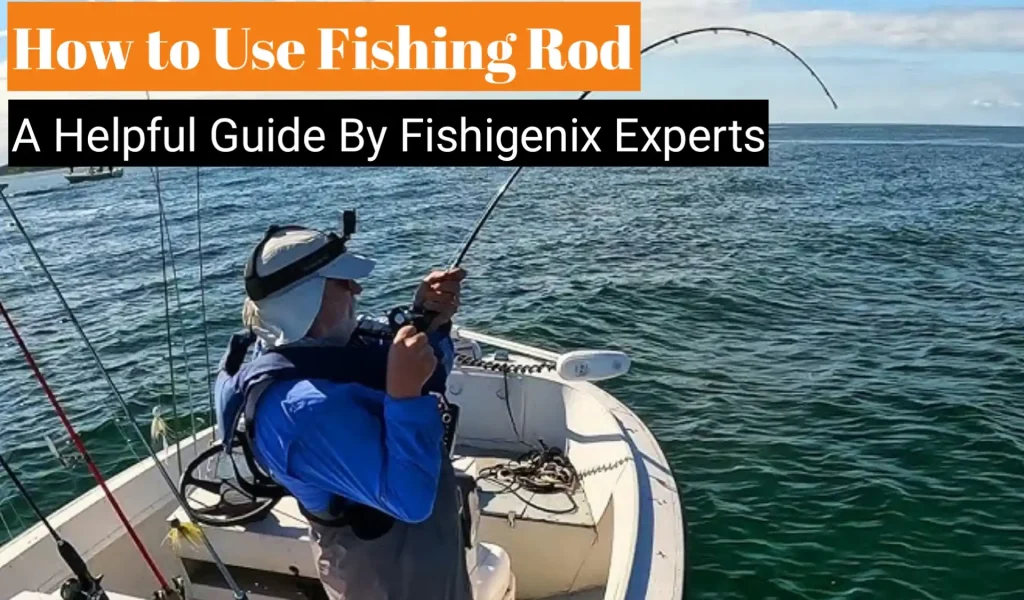
Have you ever stood by the water, holding a fishing rod, and wondered if you’re doing it right? Using a fishing rod might seem simple, but mastering it can turn your fishing trips from frustrating to fun and successful.
In this guide, you’ll discover easy, step-by-step tips to help you cast like a pro, handle your gear with confidence, and reel in more fish. Ready to make every fishing moment count? Keep reading, and let’s get your fishing skills hooked on success!
Choosing The Right Fishing Rod
Fishing rods come in many types and sizes. Picking the right one makes fishing easier and more fun.
Think about where and how you will fish. This helps you choose the best rod for your needs.
Types Of Fishing Rods
There are several types of fishing rods. Each type fits different fishing styles and fish sizes.
- Spinning Rods:Good for beginners and light baits.
- Baitcasting Rods:Offer control for heavier lures.
- Fly Rods:Designed for fly fishing with special lines.
- Trolling Rods:Made for deep water fishing from boats.
Selecting Rod Length And Power
Rod length affects casting distance and control. Longer rods cast far, shorter rods give better control.
Rod power means how strong the rod is. It should match the size of fish you want to catch.
| Rod Length | Use |
|---|---|
| 5 to 6 feet | Best for small streams and precise casting |
| 6 to 7 feet | Good all-around length for many situations |
| 7 to 9 feet | Better for long casting and open water |
- Light Power:For small fish and light lures
- Medium Power:For medium fish and general use
- Heavy Power:For big fish and heavy baits
Matching Rod To Fishing Style
Fishing style affects which rod works best. Match the rod to how you like to fish.
For example, fly fishing needs a flexible fly rod. Casting from shore works well with spinning rods.
- Fly Fishing:Use a fly rod with light line
- Freshwater Fishing:Medium rods fit most lakes and rivers
- Saltwater Fishing:Heavy rods handle bigger fish and strong waves
- Boat Fishing:Use trolling rods for deep water

Credit: fishingbooker.com
Essential Fishing Gear
Fishing needs the right tools for a good experience. Choosing the correct gear helps you catch fish easily. This guide covers the main equipment for fishing.
Learn about reels, lines, hooks, and other useful tackle. Each part plays a key role in fishing success.
Picking The Right Reel
The reel holds and releases the fishing line. Choose one that fits your fishing style. Spinning reels are good for beginners. Baitcasting reels work well for heavy fish. Make sure the reel is smooth and strong.
Choosing Fishing Line And Hooks
Pick a fishing line based on strength and water type. Monofilament is easy to handle. Braided lines are strong and thin. Hooks come in many sizes and shapes. Use the right hook for the fish you want to catch.
- Use larger hooks for big fish
- Smaller hooks catch smaller fish
- Match line strength to fish weight
- Check line for damage before fishing
Tackle And Accessories
| Item | Purpose | Tip |
| Sinkers | Keep bait under water | Use heavier sinkers in strong currents |
| Bobbers | Show when fish bite | Choose bright colors for visibility |
| Swivels | Prevent line twist | Attach between line and hook |
| Tackle Box | Store gear | Keep organized for quick access |
Basic Fishing Techniques
Fishing is a relaxing and fun outdoor activity. Using a fishing rod correctly helps catch fish easier. Learn some basic fishing techniques to get started.
This guide covers casting methods, setting the drag, and hooking and reeling fish. Each step is important for a good fishing experience.
Casting Methods
Casting means throwing the bait or lure into the water. Good casting helps place your bait where fish are likely to bite.
- Overhead Cast: Lift the rod above your shoulder and swing it forward to release the line.
- Sidearm Cast: Swing the rod sideways, good for fishing under trees.
- Roll Cast: Use this when you have no room to swing the rod back.
Setting The Drag
The drag controls how much resistance the fish feels when it pulls the line. Set it right to avoid breaking the line or losing fish.
| Drag Setting | Purpose |
| Tight | Good for small fish and light line |
| Medium | Best for most fishing situations |
| Loose | Allows big fish to pull line without breaking it |
Hooking And Reeling Fish
When a fish bites, quickly pull back the rod to hook it. Then, reel in the fish steadily to bring it closer.
- Watch the line for movement or a tug.
- Pull the rod up sharply to set the hook.
- Reel in smoothly, keeping tension on the line.
- Let the fish tire before pulling it out of the water.
Advanced Tips For Faster Catching
Fishing with a rod can be more productive when you understand key strategies. Using smart techniques helps you catch fish quickly. This guide shares advanced tips for better results.
Focus on water conditions, bait choices, and fishing methods. These tips suit anglers who want to improve their skill and catch more fish in less time.
Reading Water And Fish Behavior
Watching water helps you find where fish hide and feed. Look for signs like ripples, bubbles, and shadows. Fish often stay near underwater structures and changes in water flow.
- Observe water temperature changes
- Notice areas with moving or calm water
- Spot insects or small fish on the surface
- Watch for jumping or splashing fish
Using Baits And Lures Effectively
Choosing the right bait or lure can speed up your catch. Match the bait color and size to the fish’s natural prey. Change bait types if fish do not bite after some time.
| Bait Type | Best Use | Fish Target |
| Live Worms | Slow-moving water | Trout, Bass |
| Spinner Lures | Fast currents | Perch, Pike |
| Plastic Worms | Weedy spots | Bass, Catfish |
| Crankbaits | Deep water | Walleye, Bass |
Adjusting Techniques For Different Fish
Each fish species reacts to different fishing methods. Change your casting style and retrieval speed to suit the fish you want. Some fish prefer steady pulls, others like jerky moves.
Try these tips for common fish:
- Bass:Use slow, steady retrieves near cover.
- Trout:Cast upstream and let bait drift naturally.
- Pike:Use fast, erratic lure movements to provoke strikes.
- Catfish:Fish near the bottom with strong scent baits.
Maintaining Your Fishing Rod
Taking care of your fishing rod helps it last longer. Follow these simple steps to ensure your gear stays in great condition.
Proper maintenance not only improves performance but also saves money in the long run.
Cleaning And Storage
Regular cleaning and proper storage prevent damage to your fishing rod. Saltwater, dirt, and dust can harm the rod if not cleaned off.
- Rinse your rod with fresh water after each use.
- Use a soft cloth to wipe it dry.
- Store the rod in a cool, dry place.
Troubleshooting Common Issues
Sometimes, issues can arise with your fishing rod. Identifying and fixing them promptly can prevent further damage.
- Loose guides
- Cracked ferrules
- Worn-out grips
Check each part of your rod regularly to catch these problems early.
Routine Maintenance Tips
Routine maintenance keeps your rod in top shape. It involves regular checks and simple repairs.
| Task | Frequency |
| Inspect guides | Every trip |
| Check reel seat | Monthly |
| Replace line | Every season |
By following these tips, your fishing rod will remain reliable and ready for your next fishing adventure.

Credit: fishgenix.com

Credit: mysterytacklebox.com
Frequently Asked Questions
How Do I Choose The Right Fishing Rod?
Choose a fishing rod based on your target fish, fishing location, and rod length. Light rods suit small fish, while heavier rods handle larger species. Consider rod material for sensitivity and durability. Match the rod with your reel for the best fishing experience.
What Is The Correct Way To Cast A Fishing Rod?
Hold the rod firmly and release the line smoothly while swinging the rod tip forward. Timing the release is key for accuracy. Practice makes perfect. Always cast away from people to ensure safety. Proper casting improves your chances of catching fish.
How Do I Maintain My Fishing Rod?
Rinse your rod with fresh water after each use, especially after saltwater fishing. Dry it thoroughly to prevent rust. Store it in a cool, dry place away from direct sunlight. Regularly check guides and reel seats for damage. Proper maintenance extends rod life.
When Should I Replace My Fishing Rod?
Replace your rod if it has cracks, broken guides, or damaged reel seats. Also, consider a new rod if your current one doesn’t suit your fishing style or target species. Upgrading can enhance performance and fishing enjoyment. Regular inspection helps identify issues early.
Conclusion
Using a fishing rod can bring calm and fun to your day. Practice casting and reeling often to improve your skills. Choose the right rod and bait for the fish you want. Stay patient and enjoy nature’s quiet moments by the water.
Fishing is simple and rewarding with each small catch. Keep learning and trying new techniques. Soon, fishing will feel natural and enjoyable every time you go.