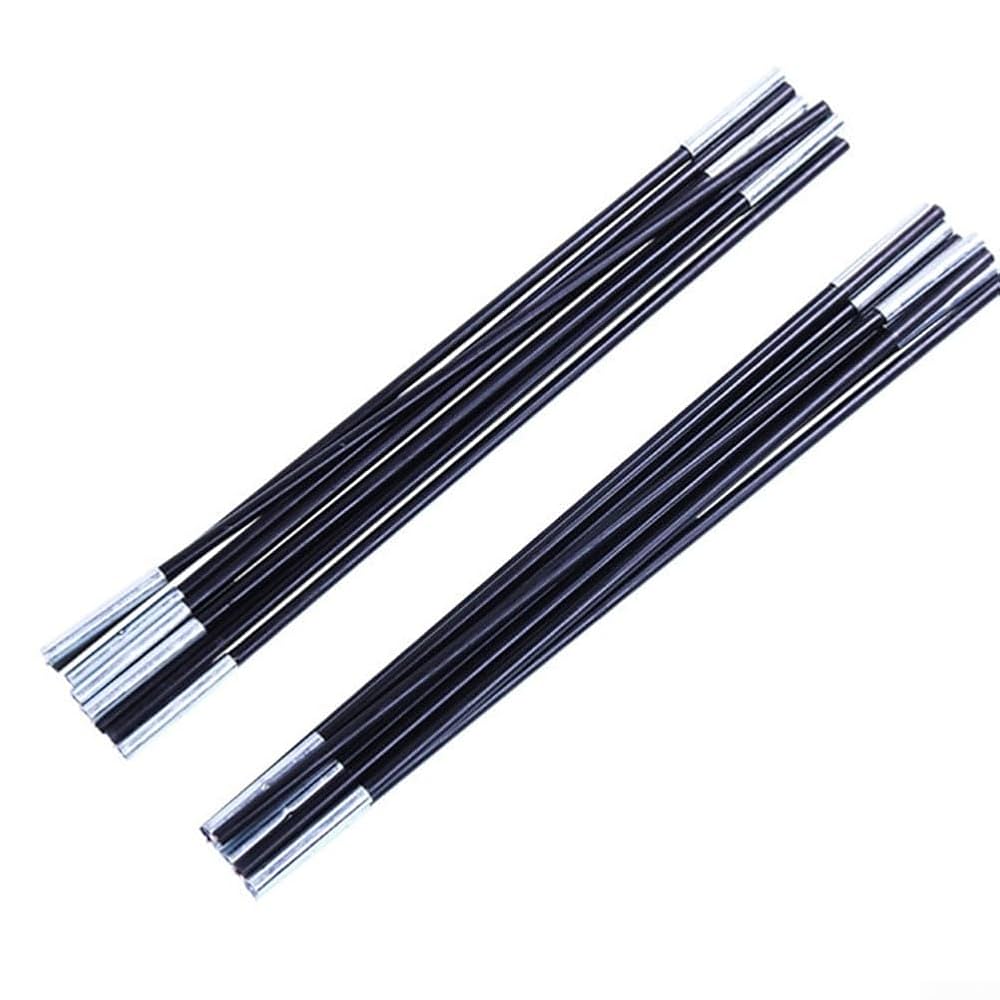
Have you ever wondered what makes a tent stand tall and sturdy during your outdoor adventures? The answer lies in one simple, yet essential piece of gear: the tent pole.
Whether you’re a seasoned camper or planning your first trip, understanding what a tent pole is and how it works can make a huge difference in your camping experience. You’ll discover everything you need to know about tent poles, so you can set up your shelter quickly and confidently, no matter where you are.
Keep reading to unlock the secret behind a strong and reliable tent!
Tent Pole Types
Tent poles hold up your tent and keep it stable. They come in different materials. Each type has its own strengths and weaknesses.
Choosing the right pole can make your camping easier and safer. Here we explain common types of tent poles.
Aluminum Poles
Aluminum poles are strong and light. They resist rust and handle wind well. Many campers like them for their durability.
Fiberglass Poles
Fiberglass poles cost less than aluminum. They are flexible but can break under pressure. They are heavier and can splinter if damaged.
Carbon Fiber Poles
Carbon fiber poles are very light and strong. They absorb shocks well. These poles are usually more expensive and used by serious hikers.
Hybrid Poles
Hybrid poles combine materials like aluminum and carbon fiber. They balance strength, weight, and cost. Many campers choose hybrids for versatility.
| Type | Weight | Strength | Cost |
| Aluminum | Light | High | Medium |
| Fiberglass | Heavy | Medium | Low |
| Carbon Fiber | Very Light | Very High | High |
| Hybrid | Medium | High | Medium-High |

Credit: www.ebay.ca
Key Pole Components
Tent poles hold up your tent and keep it stable. They have different parts that work together. Knowing these parts helps you set up your tent right.
Each component has a special role. They include segments and joints, shock cords, tips, and ferrules. Let’s look at each one closely.
Segments And Joints
Segments are the sections of the pole that connect to make the full length. Joints are the places where these segments fit together. They allow the pole to bend and fold for easy packing.
- Segments are usually made of aluminum, fiberglass, or carbon fiber.
- Joints can be simple connectors or more flexible parts.
- Strong joints prevent the pole from breaking under wind or pressure.
- Easy-to-use joints help quick tent setup and takedown.
Shock Cords
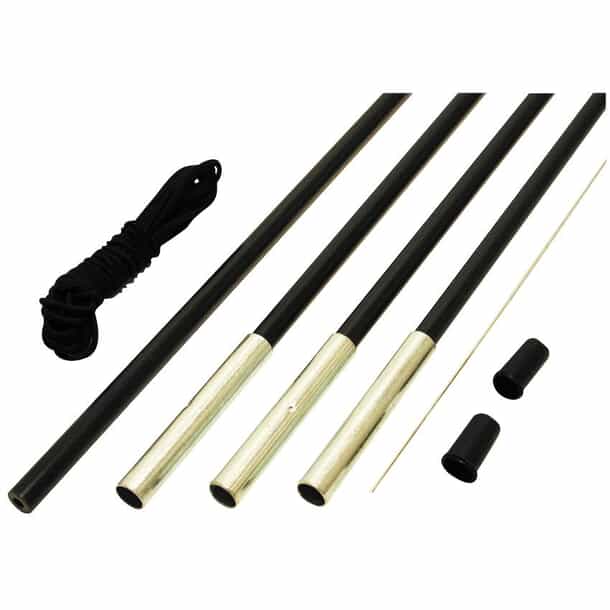
Shock cords are elastic strings inside the pole segments. They keep the segments connected and help the pole snap into place. Without shock cords, poles would be hard to handle.
| Feature | Function |
| Elasticity | Holds pole segments together |
| Length | Matches pole length for tension |
| Durability | Withstands stretching and weather |
| Flexibility | Allows easy folding and unfolding |
Tips And Ferrules
Tips are the ends of the poles that touch the ground or tent. Ferrules are metal or plastic caps that cover the pole ends. They protect the pole and help it fit into tent grommets or sleeves.
- Tips prevent poles from digging into the ground too much.
- Ferrules stop poles from splitting or fraying.
- Both parts make pole setup easier and safer.
Choosing The Right Pole
A tent pole holds up your tent and keeps it stable. Picking the right pole is important for safety and comfort.
You need to think about weight, strength, and if the pole fits your tent well.
Weight Considerations
The pole should be light enough to carry but strong enough to support the tent. Heavy poles add extra weight to your backpack.
Look for poles made from aluminum or carbon fiber. These materials offer a good balance of weight and strength.
- Aluminum poles are lightweight and affordable
- Carbon fiber poles are very light but cost more
- Steel poles are strong but heavy
Durability Factors
Durability means the pole lasts through many trips. It should resist bending and breaking under wind or rain.
Check if the pole has strong joints and good coating to prevent rust or damage.
- Aluminum poles resist rust and bend without breaking
- Carbon fiber poles resist corrosion but can splinter if hit hard
- Steel poles are very strong but can rust without care
Compatibility With Tent
The pole must fit your tent’s design and size. Poles come in different lengths and shapes.
Using the wrong pole can cause your tent to collapse or not set up properly.
- Check the pole length matches your tent’s measurements
- Confirm the pole shape fits the tent’s sleeves or clips
- Use replacement poles made for your tent brand when possible
Credit: www.homehardware.ca
Setting Up Tent Poles
Tent poles hold your tent up and keep it stable. Setting them up right makes camping easier.
Follow simple steps to assemble, insert, and secure your tent poles safely and quickly.
Assembling Poles
Most tent poles come in sections connected by elastic cords. Lay them out straight before joining.
- Find all pole sections and check for damage.
- Hold one end and let the sections snap together.
- Repeat until the pole is fully connected.
Inserting Poles Into Tent
Poles fit into sleeves or clips on the tent fabric. Handle poles gently to avoid bending.
- Locate the pole sleeves or clips on your tent.
- Slide or clip the poles carefully through each section.
- Make sure poles follow the tent’s shape and curves.
- Adjust poles if they feel twisted or forced.
Securing Pole Ends
Securing pole ends keeps the tent stable and prevents movement in wind.
| Method | Description |
| Pin and Ring | Attach pole ends to metal pins and rings at tent corners. |
| Grommets | Insert pole tips into reinforced holes on the tent floor. |
| Stake Loops | Secure pole ends using loops tied to ground stakes. |
Maintaining Tent Poles
Tent poles support your tent and keep it standing. Taking care of them helps your tent last longer. Regular maintenance prevents damage and makes setup easier.
Proper care includes cleaning, repairing breaks, and replacing worn parts. These steps keep your poles strong and reliable for camping trips.
Cleaning And Storage
Clean tent poles after each use. Dirt and moisture can cause rust or weaken the poles. Use a soft cloth to wipe them down. Avoid harsh chemicals that may damage the material.
Store poles in a dry, cool place. Keep them in a bag or case to avoid scratches. Do not store poles while wet to stop mold and corrosion.
- Wipe poles with a damp cloth
- Dry poles completely before storage
- Store poles in a protective bag
- Keep poles away from heat and sunlight
Repairing Breaks
Broken tent poles can be fixed to avoid buying new ones. Small cracks or splits can be repaired with strong tape or pole repair kits. Match the tape to your pole material for best results.
For serious breaks, use a pole sleeve or a replacement section. Slide the sleeve over the broken area and secure it tightly. Check repairs before each use to ensure safety.
- Use fiberglass or aluminum pole repair tape
- Apply tape smoothly without wrinkles
- Use pole repair sleeves for large breaks
- Test repaired poles before camping
Replacing Worn Parts
Worn parts like pole tips and connectors affect tent stability. Replace these parts if they look damaged or loose. Using original parts ensures the best fit and strength.
Keep spare parts in your camping kit. Check poles regularly and replace parts as needed. This helps avoid problems during your trip.
- Inspect pole tips and connectors often
- Use manufacturer parts for replacements
- Keep spare parts in your gear bag
- Replace parts before they break
Common Setup Mistakes
Setting up a tent pole correctly is important for a safe shelter. Many campers make simple mistakes that cause problems.
Knowing the common errors helps you avoid damage and keeps your tent strong in bad weather.
Overextending Poles
Overextending tent poles can cause them to break or bend. Poles are made to fit certain lengths.
- Do not force poles beyond their natural length.
- Use only the sections designed for your tent model.
- Check manufacturer guidelines for maximum pole length.
- Handle poles gently to avoid stress on joints.
Incorrect Pole Placement
Placing poles in the wrong spots weakens tent structure. Poles must fit into the right sleeves or clips.
| Common Mistake | Effect |
| Pole not inserted fully | Tent may sag or collapse |
| Pole swapped between sections | Uneven tension and weak support |
| Skipping pole clips | Tent fabric flaps in wind |
| Forcing poles into wrong sleeves | Damage to fabric or poles |
Ignoring Pole Damage
Damaged poles reduce tent safety. Cracks, bends, or broken parts must be fixed or replaced.
- Inspect poles before each trip.
- Replace cracked or bent poles.
- Carry repair kits for quick fixes.
- Store poles carefully to avoid damage.
Upgrading Shelter Stability
When camping, a stable tent is key for comfort and safety. Upgrading your tent’s pole system can enhance its stability. This can make your outdoor experience more enjoyable.
In this guide, we explore the methods to improve tent stability. We will look into pole sleeves, extra support, and selecting stronger materials.
Using Pole Sleeves Vs Clips
Pole sleeves and clips are two ways to attach poles to your tent. Each method has its own advantages.
- Pole sleeves provide more stability by distributing tension evenly.
- Clips offer easier setup and are lighter to carry.
Adding Extra Support
Extra support can make your tent withstand harsher conditions. Consider using additional guy lines or stakes.
| Extra Support Type | Benefit |
| Guy Lines | Reduces tent movement in wind |
| Extra Stakes | Increases ground hold |
| Ridge Poles | Adds structural strength |
Choosing Stronger Materials
Using stronger materials for tent poles can significantly boost stability. Aluminum and carbon fiber are popular choices.

Credit: www.amazon.ca
Frequently Asked Questions
What Is A Tent Pole Used For?
A tent pole supports the tent’s structure and shape. It keeps the tent upright and stable against wind. Poles are essential for proper tent setup and durability during camping.
What Materials Are Tent Poles Made From?
Tent poles are usually made from aluminum, fiberglass, or carbon fiber. Aluminum is strong and lightweight, fiberglass is affordable, and carbon fiber is ultra-light but costly.
How Do Tent Poles Affect Tent Stability?
Tent poles provide the framework that holds the tent taut. Strong poles resist bending and help the tent withstand harsh weather conditions, improving overall stability.
Can Tent Poles Be Replaced If Broken?
Yes, most tent poles can be replaced or repaired. Many manufacturers sell replacement poles, allowing campers to fix tents instead of buying new ones.
Conclusion
A tent pole holds your tent up and keeps it stable. It makes camping safer and more comfortable. Different poles fit different tents and needs. Knowing what a tent pole is helps you choose the right gear. This small part plays a big role in your outdoor experience.
Always check your poles before heading out. Strong poles mean a strong shelter. Simple but important.