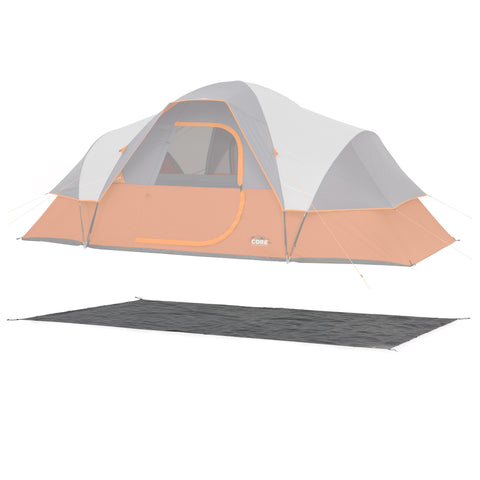
Are you planning your next camping trip and wondering if you really need a tent footprint? You might think it’s just an extra piece of gear, but it can make a huge difference in protecting your tent and making your outdoor experience more comfortable.
Imagine waking up dry after a night of rain or avoiding tears in your tent floor from sharp rocks. You’ll discover exactly what a tent footprint does, why it might be worth packing, and how it can save you time, money, and hassle.
Keep reading—you’ll want to know this before you zip up your tent!
Role Of Tent Footprints
Tent footprints are protective layers placed under tents. They add an extra shield between the tent floor and the ground.
Many campers wonder if a tent footprint is necessary. Understanding its role helps you decide.
Protecting Tent Floor
The main job of a footprint is to protect the tent floor from damage. Rocks, sticks, and rough ground can wear down the tent fabric.
- Prevents tears and punctures
- Keeps the floor clean from mud and dirt
- Reduces wear caused by rubbing against rough surfaces
Extending Tent Lifespan
Using a footprint helps your tent last longer. It takes the brunt of ground pressure and moisture.
| Without Footprint | With Footprint |
| Faster wear and tear | Less damage from rough ground |
| More dirt and moisture contact | Cleaner and drier tent floor |
| Shorter tent life | Longer tent life |
Improving Weather Resistance
A footprint adds an extra layer to help block water and cold from the ground. It improves the tent’s ability to handle weather.
- Prevents water from seeping into the tent floor
- Acts as a barrier to cold ground temperature
- Helps keep the tent dry and comfortable inside

Credit: www.reddit.com
Materials And Types
Tent footprints protect your tent floor from wear and moisture. They add an extra layer between the ground and your tent. Choosing the right footprint depends on the material and type that fits your needs.
This guide covers common footprint materials, the difference between custom and universal footprints, and options for making your own footprint.
Common Footprint Materials
Footprints come in various materials. Each material offers different levels of protection and weight.
- Polyethylene:Heavy but very durable and waterproof.
- Nylon:Lightweight and strong but less durable than polyethylene.
- Polyurethane-coated fabrics:Water-resistant and more flexible.
- Silnylon:A nylon fabric treated with silicone for water resistance and light weight.
Custom Vs Universal Footprints
Custom footprints match your tent’s exact shape and size. This precise fit protects the tent floor well and avoids extra fabric bunching.
Universal footprints fit many tent models and sizes. They are more flexible but may not cover the tent floor perfectly.
| Type | Fit | Protection Level | Price |
| Custom | Exact fit | High | Higher |
| Universal | General fit | Medium | Lower |
Diy Footprint Options
You can make your own footprint using simple materials. This saves money and lets you customize size and shape.
- Use heavy-duty plastic sheets or tarps cut to size.
- Try ripstop nylon or other fabric scraps sealed with waterproof tape.
- Repurpose old tent floors or rain flies.
- Ensure edges are trimmed to prevent water pooling.
When To Use A Footprint
A tent footprint is a protective layer under your tent. It helps extend the tent’s life. It keeps the tent floor clean and dry.
Using a footprint depends on the camping conditions. Here are some situations when a footprint is useful.
Camping On Rough Terrain
Rough terrain can damage your tent floor. Sharp rocks and sticks may puncture it. A footprint adds an extra layer of protection.
This layer helps prevent tears and holes. It also makes your tent more comfortable.
Extended Camping Trips
Long trips mean more wear and tear on your tent. A footprint reduces friction with the ground. It makes the tent last longer.
Using a footprint also keeps the tent cleaner. This makes packing up easier at the end of your trip.
Wet Or Muddy Conditions
Camping in wet or muddy areas can be messy. A footprint creates a barrier between your tent and the ground.
This helps keep the tent floor dry and clean. It also makes your camping experience more enjoyable.
- Protects against moisture
- Prevents mud from sticking
- Helps maintain tent cleanliness

Credit: www.reddit.com
Footprint Vs Tarp
When camping, protecting the bottom of your tent is important. Two common options are footprints and tarps. Both help keep your tent clean and dry.
Choosing between a footprint and a tarp depends on your camping needs. Each has its own features and uses.
Differences In Design
A footprint is made to fit the exact shape of your tent’s floor. It matches the size and corners perfectly. A tarp is usually a larger, simple sheet of waterproof material.
Footprints often have reinforced edges and holes for the tent stakes. Tarps can be any size and shape, but they may need trimming or folding to fit under a tent.
Advantages Of Each
Footprints protect your tent floor well and reduce wear. They add little weight and pack small. Tarps are cheaper and multi-use. You can use them for shelter, ground cover, or shade.
- Footprint:Perfect fit, light weight, protects tent floor
- Tarp:Versatile, cost-effective, larger coverage area
Situations For Use
Use a footprint if you camp often with the same tent. It offers strong protection and fits well. It is good for rocky or rough ground.
Choose a tarp for casual camping or if you need extra shelter. It works well for picnic areas or places without many rocks. Tarps can also be used alone in good weather.
- Footprints for frequent campers and tough terrain
- Tarps for flexible use and light protection
Setting Up And Maintenance
Using a tent footprint can protect your tent floor and extend its life. Proper setup and care keep the footprint effective and your camping gear in good shape.
Follow simple steps for placing, cleaning, and storing your footprint. These tips help avoid damage and make your outdoor experience better.
Proper Footprint Placement
Place the footprint on flat ground free of sharp objects. Align it exactly under your tent floor. The footprint should not stick out beyond the tent edges.
- Clear rocks, sticks, and debris from the setup area.
- Lay the footprint smoothly without wrinkles or folds.
- Ensure the footprint matches the tent’s shape and size.
- Secure the tent stakes through both the footprint and tent floor.
Cleaning Tips
Clean your tent footprint after each trip to prevent dirt buildup. Use mild soap and water for best results. Avoid harsh chemicals that can damage the material.
- Shake off loose dirt and sand.
- Mix mild soap with lukewarm water.
- Use a soft cloth or sponge to wipe the footprint gently.
- Rinse with clean water to remove soap residue.
- Let it air dry completely before storing.
Storage And Care
Proper storage keeps your footprint ready for the next trip. Store it in a dry, cool place to avoid mold and damage. Folding it neatly prevents creases and tears.
| Storage Tip | Reason |
| Store dry and clean | Prevents mold and bad smell |
| Fold loosely | Reduces stress on fabric |
| Keep away from direct sunlight | Protects material from UV damage |
| Use a storage bag | Keeps dirt and pests out |
Credit: www.cleverhiker.com
Footprint Impact On Camping Experience
A tent footprint is a thin sheet placed under your tent. It protects the tent floor from rough ground and moisture. Using a footprint can change how comfortable and long-lasting your camping trip feels.
Some campers skip the footprint to save weight, while others see it as a key part of their gear. Understanding its impact helps you decide if you need one.
Comfort And Insulation
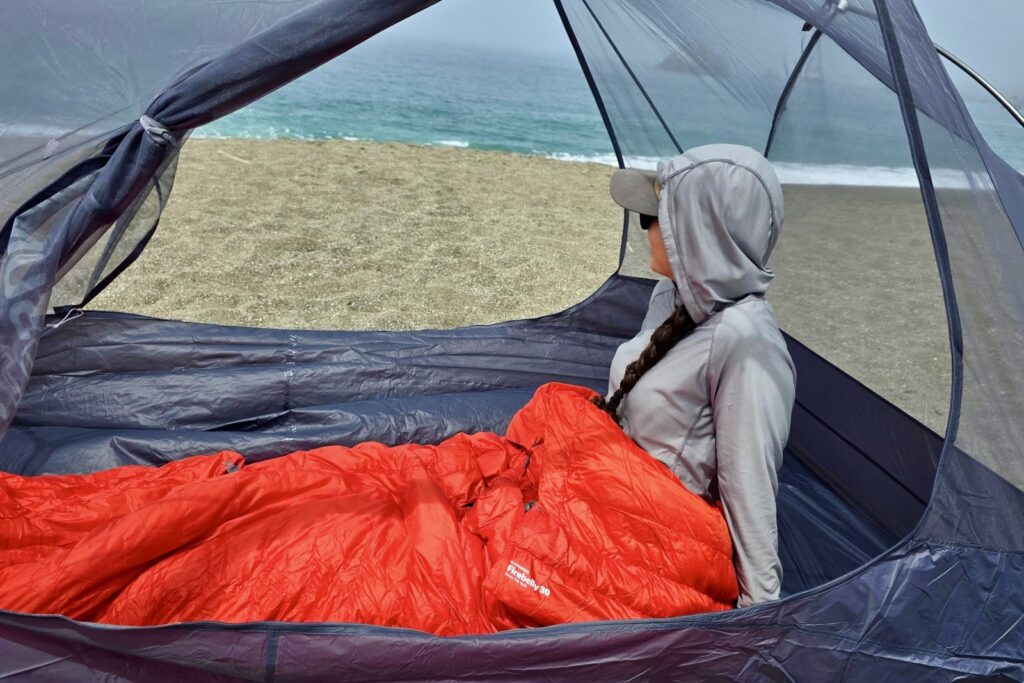
A footprint adds a layer between you and the ground. It keeps sharp rocks and sticks from poking through your tent floor. This makes sleeping more comfortable.
The footprint also helps keep moisture out. This stops the tent floor from getting wet and cold. Dry and insulated floors keep you warmer at night.
Weight And Packability
Footprints are usually lightweight and thin. They add only a little weight to your pack. This is good for backpackers who want to keep gear light.
Because footprints are small and flexible, they pack down easily. You can fit them in small pockets or with your tent bag. This helps save space in your backpack.
Cost Vs Benefit
Buying a footprint costs extra money. Some tents come with footprints, but many do not. The cost varies by size and material quality.
The benefits include longer tent life and better comfort. These can make the cost worth it. Protecting your tent floor can save you from costly repairs or replacement.
- Protects tent floor from damage
- Keeps moisture out
- Adds minimal weight
- Easy to pack
- Extra cost but may save money long term
Frequently Asked Questions
What Is A Tent Footprint And Why Use It?
A tent footprint is a groundsheet placed under your tent. It protects the tent floor from damage, dirt, and moisture. Using a footprint extends your tent’s life and improves comfort by providing an extra barrier between your tent and rough ground.
Does Every Tent Need A Footprint?
Not every tent requires a footprint, but it is highly recommended. Footprints add durability and protect the tent floor from wear and tear. They also help keep your tent cleaner and dry, especially on rough or wet terrain.
How Does A Footprint Improve Tent Durability?
A footprint acts as a protective layer against sharp rocks, sticks, and rough surfaces. It reduces abrasion and punctures on your tent floor. This extra protection prevents damage and prolongs the overall lifespan of your tent.
Can A Footprint Help With Waterproofing?
Yes, a footprint enhances waterproofing by creating an additional barrier. It prevents water from seeping through the tent floor in wet conditions. This keeps the inside of your tent dry and comfortable during rain.
Conclusion
A tent footprint protects your tent floor from damage and dirt. It helps keep your tent dry and clean. Using a footprint can extend your tent’s life. It also makes packing up easier and faster. Not all tents need a footprint, but many benefit from one.
Think about the ground where you camp most often. A footprint adds comfort and saves money over time. Consider adding one to your camping gear for better trips. Simple, useful, and practical.