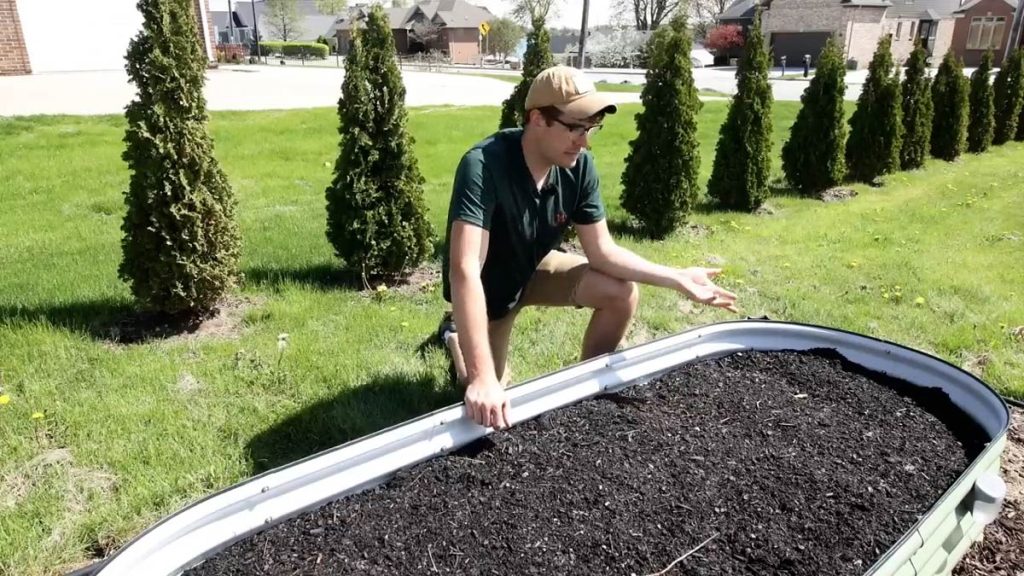
Are you ready to transform your garden with a raised bed but unsure how to fill it properly? Getting the right soil mix in your raised garden bed is the secret to growing healthy, vibrant plants.
If you fill it wrong, your plants might struggle, and all your hard work could go to waste. But don’t worry—this guide will walk you through simple, effective steps to fill your raised garden bed perfectly. By the end, you’ll know exactly what your garden needs to thrive and how to create the ideal environment for your plants to flourish.
Keep reading to unlock the key to a successful raised bed garden!

Credit: www.epicgardening.com
Choosing The Right Location
Picking the right spot for your raised garden bed is very important. The location affects how well your plants grow and how easy it is to care for them.
Consider sunlight, soil drainage, and how easy it is to reach your garden bed. These factors help your garden thrive.
Sunlight Requirements
Most vegetables and flowers need at least six hours of sunlight each day. Find a spot that gets enough light without too much shade.
Too little sunlight can make plants weak. Too much sun can dry out the soil fast.
- Choose a sunny place for most plants
- Avoid areas shaded by trees or buildings
- Watch how sunlight moves during the day
Soil Drainage
Good soil drainage stops water from pooling around roots. Water should flow away easily to avoid root rot.
A raised bed usually helps with drainage, but check the ground below. Avoid low spots where water collects.
- Check if water drains quickly after rain
- Avoid soggy or muddy areas
- Make sure the bed has good soil mix inside
Accessibility
Place your raised bed where you can reach it easily. This makes planting, watering, and harvesting simple.
Think about space for tools and walking around the bed. Avoid spots that are hard to get to or crowded.
- Leave enough space on all sides
- Choose a spot close to a water source
- Keep paths clear for easy movement
Selecting Quality Materials
Choosing the right materials for your raised garden bed is key for healthy plants. Good soil, compost, and mulch work together to keep plants strong.
Each material has a special role. Learn what to pick for the best garden results.
Types Of Soil
Soil forms the base of your garden bed. It should drain well but hold moisture. A mix of sand, silt, and clay is best. Avoid heavy clay or pure sand.
- Loamy soil is ideal for most plants.
- Sandy soil drains fast but needs organic matter added.
- Clay soil holds water but can compact easily.
- Test soil pH to match your plants’ needs.
Compost And Organic Matter
Adding compost improves soil nutrition. It feeds plants and helps soil hold water. Use well-rotted compost from leaves, kitchen scraps, or manure.
| Type | Benefit | Use |
| Leaf Mold | Improves soil texture | Mix into topsoil |
| Kitchen Compost | Rich in nutrients | Add during planting |
| Manure | Boosts nitrogen | Use aged only |
Mulch Options
Mulch keeps soil moist and cool. It also stops weeds from growing. Choose mulch that breaks down slowly and adds nutrients.
Common mulch types include:
- Wood chips – last long but add little nutrients
- Straw – light and breaks down faster
- Grass clippings – rich in nitrogen but dry quickly
- Leaves – easy to find and good for soil health
Preparing The Bed
Filling up a raised garden bed is easy with the right steps. Let’s learn how to prepare the bed for planting.
This process involves cleaning, layering, and adding amendments to help plants grow.
Cleaning And Clearing
First, clean the area where your raised garden bed will sit. Remove any debris like stones and weeds.
Ensure the surface is level. This helps water spread evenly across the bed.
- Pick up rocks and branches
- Pull out weeds by hand
- Smooth the soil surface
Layering Techniques
Layering helps create a healthy base for your plants. Start with a layer of cardboard at the bottom.
Next, add layers of straw, compost, and soil. This improves drainage and nutrition.
- Cardboard or newspaper layer
- Straw or leaves layer
- Compost layer
- Topsoil layer
Adding Soil Amendments
Soil amendments boost the nutrients in your bed. Choose organic options for best results.
Mix them into the top soil layer. This ensures plants get what they need to grow strong.
| Amendment | Benefit |
| Compost | Improves soil fertility |
| Bone meal | Adds phosphorus |
| Greensand | Enhances potassium |
Filling The Bed
Filling a raised garden bed correctly helps your plants grow strong. You need good soil and proper layering.
This guide explains how to fill your bed for the best results.
Filling In Layers
Fill the bed by adding soil in layers. Each layer should be about 6 to 8 inches deep.
Start with coarse materials at the bottom. Add compost and topsoil above for nutrients.
- Layer 1: Small branches or straw for drainage
- Layer 2: Compost or aged manure for nutrition
- Layer 3: Quality topsoil for planting
Avoiding Soil Compaction
Do not press the soil down hard. Soil needs air to help roots grow well.
Lightly pat the soil between layers to keep it loose and fluffy.
- Walk around the bed carefully to avoid soil packing
- Use your hands or a rake to gently settle soil
- Keep soil loose for better water and air flow
Watering During Filling
Water each layer lightly after adding it. This helps soil settle and removes air pockets.
Do not soak the soil. Water enough to keep it moist but not muddy.
- Use a watering can or gentle spray
- Check soil moisture before adding the next layer
- Water again after filling the whole bed
Maintaining Soil Health
Good soil health is key for a raised garden bed. Healthy soil helps plants grow strong and stay healthy.
Keeping the soil rich and balanced supports root growth and keeps pests away.
Regular Feeding
Plants need nutrients to grow well. Add natural fertilizers often to keep soil full of nutrients.
Use compost or organic fertilizers to feed your garden bed regularly. This keeps soil alive and healthy.
- Feed every 3 to 4 weeks during growing season
- Use compost, manure, or organic liquid feeds
- Avoid overfeeding to prevent nutrient build-up
Mulching Tips
Mulch covers soil to keep moisture and stop weeds. It also adds nutrients as it breaks down.
Apply a layer of mulch after planting. Choose organic materials like straw, leaves, or bark chips.
- Keep mulch 2 to 3 inches thick
- Leave space around plant stems to avoid rot
- Refresh mulch layer every few months
Preventing Soil Erosion
Soil erosion washes away nutrients and soil particles. Protect soil by keeping it covered and stable.
Plant ground covers or use barriers to keep soil from washing away in rain or wind.
- Use mulch to protect soil surface
- Plant cover crops to hold soil
- Build small barriers or edging to stop runoff

Credit: migardener.com
Planting For Lush Growth
Creating a raised garden bed is only the start of a thriving garden. Choosing the right plants, placing them carefully, and watering well will help your garden grow lush and healthy.
These tips cover how to pick plants, arrange them, and water them for the best results in your raised bed.
Choosing Suitable Plants
Select plants that match your climate and soil type. Use plants that grow well in raised beds. This helps them stay strong and healthy.
- Pick vegetables and herbs suited for your region.
- Choose plants with similar sunlight needs.
- Include a mix of tall and low plants.
- Consider growing plants that bloom at different times.
Spacing And Arrangement
Give each plant enough space to grow leaves and roots. Crowded plants compete for water and nutrients.
| Plant Type | Recommended Spacing | Notes |
|---|---|---|
| Lettuce | 6-8 inches | Plant in rows for easy harvest |
| Tomatoes | 18-24 inches | Use stakes or cages for support |
| Carrots | 2-3 inches | Thin seedlings to avoid crowding |
| Basil | 12 inches | Plant near tomatoes to improve flavor |
Place taller plants on the north side. This avoids shading shorter plants. Group plants by their water needs for easy care.
Watering Strategies
Water plants deeply but less often. This encourages strong roots. Avoid wetting leaves to reduce disease risk.
- Water in the early morning to reduce evaporation.
- Use drip irrigation or soaker hoses for efficient watering.
- Check soil moisture before watering again.
- Mulch the soil to keep moisture in and reduce weeds.

Credit: migardener.com
Frequently Asked Questions
What Materials Are Best For Filling A Raised Garden Bed?
Use a mix of topsoil, compost, and organic matter. This blend ensures good drainage, fertility, and moisture retention for healthy plants.
How Deep Should Soil Be In A Raised Garden Bed?
Aim for at least 12 inches of soil depth. This allows roots to grow well and supports most vegetables and flowers effectively.
Can I Use Regular Garden Soil In Raised Beds?
Avoid heavy garden soil alone. It may compact and drain poorly. Instead, mix it with compost and lighter materials for better texture.
How Often Should I Refresh Soil In Raised Garden Beds?
Refresh soil annually by adding compost or organic matter. This replenishes nutrients and keeps the soil fertile for optimal plant growth.
Conclusion
Filling a raised garden bed takes simple steps and care. Start with good soil and add compost for nutrients. Layer materials well to help plants grow strong. Water the bed after filling it up. Give your plants space to breathe and roots room to spread.
This method helps your garden thrive and stay healthy. Enjoy watching your plants grow tall and green! A well-filled bed makes gardening easier and more fun. Keep the soil loose and rich for best results. Happy gardening!