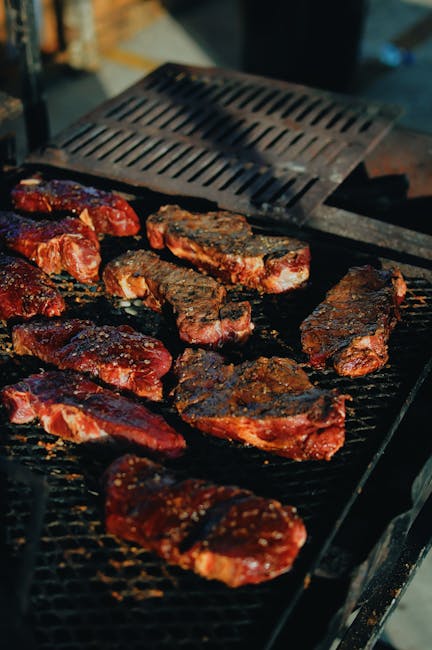
If you want to enjoy a juicy, tender ribeye with that perfect smoky flavor, cooking it on a charcoal grill is the way to go. But getting it just right can feel tricky if you’re new to grilling.
Don’t worry—this guide will show you exactly how to master your charcoal grill and cook a ribeye steak that’s bursting with flavor. By the end, you’ll know the secrets to locking in juices and creating those beautiful grill marks that make every bite unforgettable.
Ready to impress yourself and your guests? Let’s get started!
Choosing The Right Ribeye
Picking the right ribeye steak is important for a tasty meal. Good meat makes grilling easier and better.
Learn how to spot quality cuts and understand why marbling and thickness matter. These tips help you choose well.
Selecting Quality Cuts
Look for ribeye steaks that have a fresh, red color. Avoid meat that looks brown or dry.
Choose cuts that feel firm but not hard. The steak should have a little spring when pressed.
- Fresh red color shows good quality
- Firm texture means freshness
- Avoid brown or dry-looking meat
Marbling And Thickness Matters
Marbling means thin white fat lines inside the meat. It adds flavor and keeps the steak juicy.
Choose ribeyes with even marbling for the best taste. Thickness should be about one to one and a half inches.
- Good marbling adds flavor and juice
- Even fat distribution is best
- One to 1.5-inch thickness cooks well on charcoal

Credit: www.youtube.com
Preparing The Steak
Cooking a ribeye on a charcoal grill requires careful preparation. By prepping the steak properly, you ensure it cooks evenly and tastes delicious.
Start by focusing on two key steps: seasoning the steak and bringing it to room temperature. These steps set the foundation for a great grilling experience.
Seasoning Techniques
Seasoning your ribeye steak is crucial for flavor. Use simple ingredients that enhance the natural taste of the meat.
- Use coarse salt and freshly ground black pepper.
- Apply a thin layer of olive oil to the steak.
- Optional: Add garlic powder or fresh herbs like rosemary.
Bringing To Room Temperature
Before grilling, let the ribeye come to room temperature. This step helps in cooking the steak evenly.
Ensure the steak is away from direct sunlight and covered to keep it clean. This allows the fibers to relax, resulting in a more tender bite.
Setting Up The Charcoal Grill
Setting up your charcoal grill properly is key for cooking a delicious ribeye. The right heat and airflow make your steak juicy and flavorful.
Focus on arranging the charcoal and controlling the temperature to get the best grilling results.
Arranging Charcoal For Heat Zones
Create two heat zones on your grill: one for direct heat and one for indirect heat. This allows you to sear the steak and cook it slowly.
- Place a pile of charcoal on one side of the grill for high heat.
- Leave the other side empty or with fewer coals for low heat.
- Use a charcoal chimney starter for quick and even lighting.
- Spread the hot coals evenly on the high heat side.
- Adjust the coals if needed to keep the heat zones clear.
Controlling Temperature
Keep the grill temperature steady by managing the vents and charcoal amount. Good airflow helps the coals burn evenly.
| Action | Effect on Temperature |
| Open bottom vents wide | Increases airflow and temperature |
| Close bottom vents partially | Reduces airflow and lowers temperature |
| Open top vents fully | Allows smoke to escape and keeps fire steady |
| Close top vents | Limits airflow and cools the grill |
| Add more charcoal | Raises temperature |
| Spread out charcoal | Reduces temperature in direct heat zone |
Grilling The Ribeye
Grilling a ribeye on a charcoal grill gives it a rich, smoky flavor. You need to control the heat and timing well. This helps to cook the steak evenly and keep it juicy.
Focus on three main parts: searing for flavor, using direct and indirect heat, and timing with flipping. Each part plays a key role in a perfect ribeye.
Searing For Flavor
Searing locks in juices and creates a tasty crust on the ribeye. You need very high heat for this step. It takes only a few minutes per side.
- Place the ribeye on the hottest part of the grill.
- Leave it untouched for 2-3 minutes to form a crust.
- Flip and sear the other side for the same time.
- Do not press down on the steak to keep juices inside.
Using Direct And Indirect Heat
Use direct heat to sear the steak. Then move it to indirect heat to finish cooking. This method avoids burning outside while the inside cooks well.
| Heat Zone | Purpose | Time |
| Direct Heat | Sear steak, form crust | 2-3 minutes per side |
| Indirect Heat | Cook steak to desired doneness | 5-10 minutes depending on thickness |
Timing And Flipping
Timing and flipping keep the steak juicy and cooked right. Flip the steak only once during cooking. Check the time based on thickness and grill heat.
- Sear on direct heat for 2-3 minutes.
- Move to indirect heat and cook for 5-10 minutes.
- Flip the steak halfway through the indirect heat time.
- Use a meat thermometer for best results (130°F for medium-rare).
Checking Doneness
Knowing when your ribeye steak is cooked perfectly is important. Checking doneness helps you avoid overcooking or undercooking.
There are easy ways to check if your steak is ready. You can use a meat thermometer or the touch test method.
Using A Meat Thermometer
A meat thermometer gives a clear reading of the steak’s temperature. It shows if the ribeye is rare, medium, or well done.
Insert the thermometer into the thickest part of the steak. Avoid touching bone or fat for an accurate result.
- Rare: 120°F to 130°F (49°C to 54°C)
- Medium Rare: 130°F to 135°F (54°C to 57°C)
- Medium: 135°F to 145°F (57°C to 63°C)
- Medium Well: 145°F to 155°F (63°C to 68°C)
- Well Done: 155°F and above (68°C+)
Touch Test Method
The touch test lets you feel the steak’s firmness. This helps estimate the doneness without tools.
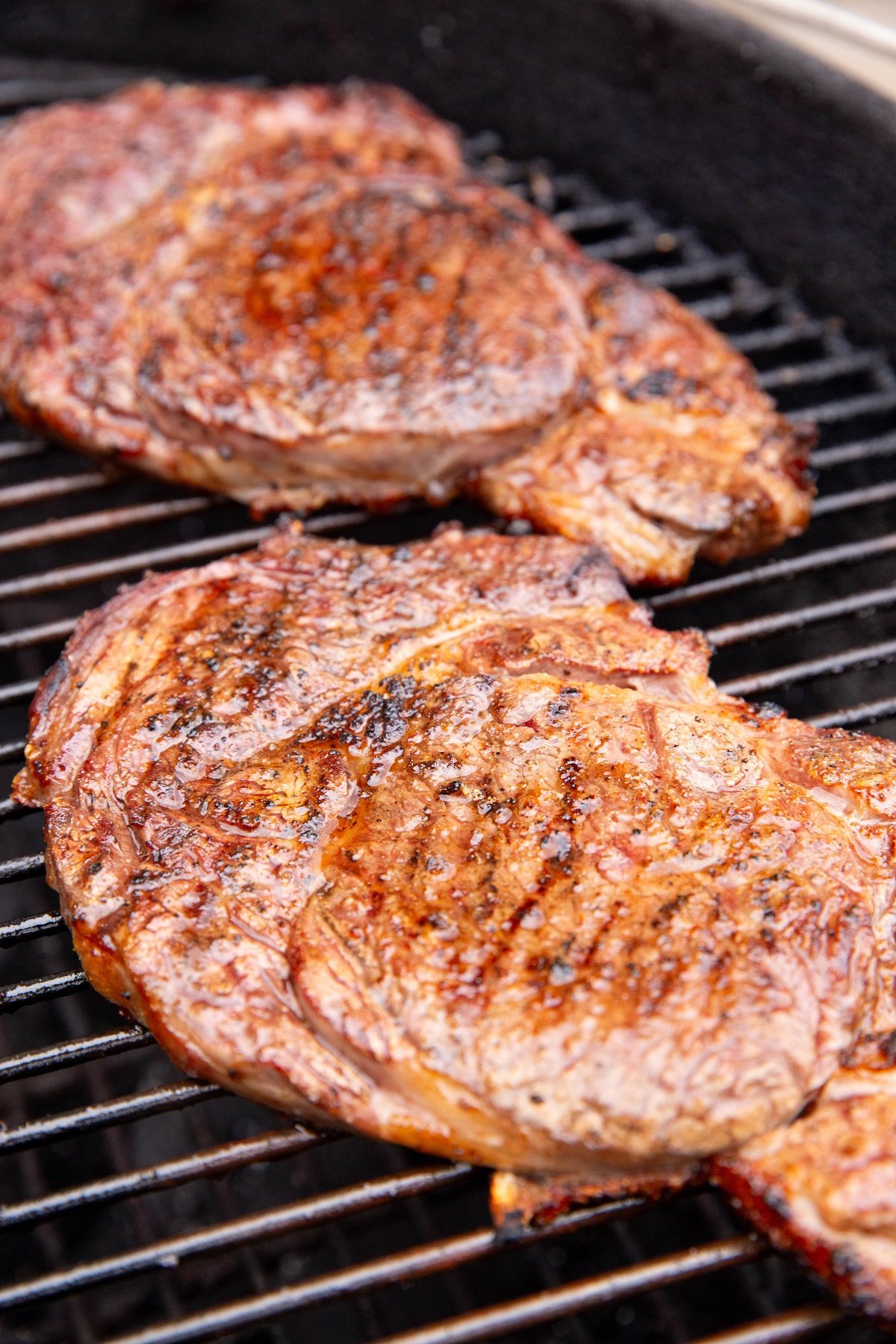
Press the steak gently with your finger or tongs. Compare the feel to parts of your hand for guidance.
- Rare: Feels soft like the base of your thumb when relaxed
- Medium Rare: Feels a bit firmer like when you touch your thumb to your index finger
- Medium: Feels firmer like when you touch your thumb to your middle finger
- Well Done: Feels very firm like when you touch your thumb to your pinky finger
Credit: www.theroastedroot.net
Resting The Steak
After cooking ribeye on a charcoal grill, resting the steak is very important. Resting lets the juices settle inside the meat.
This step helps keep the steak juicy and tender. Skipping it can cause the juice to spill out when cutting.
Why Resting Matters
When you cook steak, the juices move toward the surface. Resting lets these juices move back inside.
If you cut the steak too soon, the juices run out. This makes the steak dry and less tasty.
- Resting keeps the steak moist
- It helps the flavor spread evenly
- The texture becomes more tender
Ideal Resting Time
Rest your ribeye steak for about 5 to 10 minutes after grilling. This time is good for most thicknesses.
Use a plate and cover the steak loosely with foil. This keeps it warm while resting.
- Thin steaks: rest 5 minutes
- Thicker steaks: rest up to 10 minutes
- Do not wrap tight foil; it traps steam
Serving Suggestions
Ribeye cooked on a charcoal grill is juicy and full of flavor. Choosing the right sides and sauces makes your meal even better. These ideas help you serve a balanced and tasty dish.
Try different combinations to find what you like best. This guide covers complementary sides and sauces to pair with your grilled ribeye.
Complementary Sides
Sides add texture and flavors to your ribeye. Pick fresh and simple options that do not overpower the steak.
- Grilled asparagus with olive oil and salt
- Roasted baby potatoes with rosemary
- Fresh garden salad with lemon vinaigrette
- Garlic butter mushrooms
- Creamed spinach
Sauces And Toppings
Sauces and toppings add extra taste to your ribeye. Use them in small amounts to enhance the meat’s natural flavor.
| Sauce/Topping | Flavor Profile | Best Paired With |
| Chimichurri | Herby and tangy | Grilled ribeye |
| Garlic butter | Rich and creamy | Steak and potatoes |
| Blue cheese crumbles | Sharp and salty | Steak and salad |
| Mushroom sauce | Earthy and savory | Ribeye and mushrooms |
| Horseradish cream | Spicy and cool | Steak and roasted sides |

Credit: www.fifteenspatulas.com
Common Mistakes To Avoid
Cooking ribeye on a charcoal grill can be simple and tasty. Avoid common mistakes to get the best results.
These mistakes often ruin the flavor and texture of your steak. Learn what to watch out for.
Overcooking
Overcooking is the top mistake when grilling ribeye. It makes the meat tough and dry.
Check the steak often and remove it from the grill at the right time. Use a meat thermometer for accuracy.
- Cook ribeye to medium-rare for best taste
- Avoid cooking past medium to keep juiciness
- Rest the steak for a few minutes after grilling
Improper Seasoning
Not seasoning ribeye enough or too much can spoil the flavor. Salt and pepper are usually enough.
Apply seasoning evenly before grilling. Avoid adding heavy sauces too early, as they can burn.
- Use coarse salt and fresh black pepper
- Season at least 30 minutes before grilling
- Add sauces or herbs after cooking if desired
Neglecting Grill Maintenance
Dirty grills cause uneven cooking and bad flavors. Keep your charcoal grill clean for best results.
Remove ash and leftover food before lighting the grill. Clean the grates with a brush after each use.
- Empty ashes to improve airflow
- Use a wire brush to clean grill grates
- Check for rust or damage regularly
Frequently Asked Questions
How Do You Prepare Ribeye For Charcoal Grilling?
Start by seasoning the ribeye with salt and pepper. Let it rest at room temperature for 30 minutes before grilling. This ensures even cooking and enhances flavor.
What Is The Ideal Charcoal Temperature For Ribeye?
Aim for a medium-high heat, around 450-500°F (232-260°C). This temperature sears the steak perfectly while keeping it juicy inside.
How Long Should Ribeye Cook On A Charcoal Grill?
Grill ribeye for 4-5 minutes per side for medium-rare. Adjust time based on steak thickness and desired doneness.
Should You Use Direct Or Indirect Heat For Ribeye?
Start with direct heat to sear the steak. Then move it to indirect heat to finish cooking evenly without burning.
Conclusion
Grilling ribeye on charcoal gives rich, smoky flavor you will enjoy. Keep the grill hot and use direct heat for best results. Let the steak rest after cooking to keep it juicy. Simple steps create a delicious meal every time.
Try this method for your next barbecue day. Taste the difference with charcoal-grilled ribeye. Enjoy your cooking and share with friends.