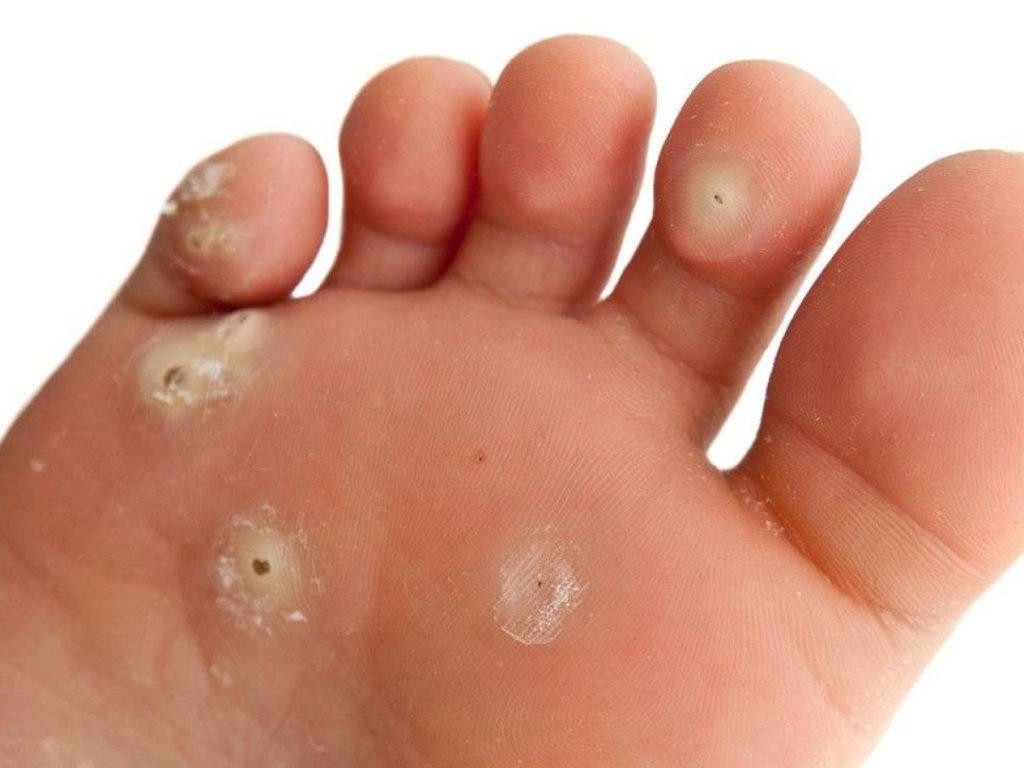
Have you ever noticed a small, rough bump on the bottom of your foot and wondered if it could spread to others? If you’re dealing with a plantar wart, this question is probably on your mind.
You want to know if it’s contagious and how careful you need to be around family, friends, or even strangers. Understanding whether a plantar wart can pass from one person to another is key to keeping yourself and those around you safe.
Keep reading to discover the truth about plantar warts, how they spread, and what you can do to protect yourself and your loved ones.
Credit: www.doctutorials.com
What Are Planters Warts
Planters warts are small growths that appear on the soles of the feet. They are caused by a virus called human papillomavirus (HPV).
These warts can be rough and hard. They may cause pain when walking or standing.
Causes Of Planters Warts
Planters warts happen when the HPV virus enters the skin through small cuts or breaks. The virus grows in the top layer of skin.
Walking barefoot in places like pools, locker rooms, or showers can increase the risk of getting these warts.
- Direct contact with HPV virus
- Walking barefoot on wet floors
- Having cuts or cracks on the feet
- Weakened immune system
Common Symptoms
Planters warts usually look like small, rough bumps on the bottom of the foot. They may have tiny black dots inside.
These warts can cause pain or discomfort, especially when standing or walking. The skin around the wart might be thick or calloused.
- Small, rough bumps on the sole
- Black dots inside the wart
- Pain when pressure is applied
- Thickened or callused skin around the wart
How Planters Warts Spread
Planters warts are skin growths caused by a virus. They often appear on the soles of the feet. Understanding how they spread helps in preventing them.
The virus that causes planters warts thrives in warm, moist places. It can easily infect the skin through tiny cuts or breaks.
Modes Of Transmission
Planters warts spread mainly through direct contact with the virus. This contact can happen in several ways.
- Walking barefoot on wet surfaces like locker rooms or pools
- Touching a wart on your own or another person’s foot
- Sharing shoes, socks, or towels with someone who has warts
- Contact with contaminated floors or objects
Risk Factors
Some factors increase the chance of getting planters warts. These risks make it easier for the virus to infect the skin.
| Risk Factor | Why It Increases Risk |
| Walking barefoot in public areas | Exposes feet to virus on floors |
| Damaged skin or cuts | Allows virus to enter easily |
| Weakened immune system | Reduces the body’s ability to fight infection |
| Sharing personal items | Spreads the virus from person to person |
| Excessive sweating | Keeps skin moist, helping virus grow |
Contagious Period Of Planters Warts
Planters warts are small growths on the feet caused by a virus. Understanding their contagious period helps prevent spreading them to others.
This guide explains when planters warts are most infectious and how long they stay contagious.
When They Are Most Infectious
Planters warts spread through direct contact with the wart or surfaces that touched it. They are most infectious during certain times.
- When the wart is moist or has small cuts or breaks
- During physical contact with the wart
- While walking barefoot in public places like pools or locker rooms
- When the skin around the wart peels or sheds
Duration Of Contagiousness
The contagious period of planters warts varies. It depends on the immune system and if treatment is used.
| Condition | Contagious Period |
|---|---|
| Untreated wart | Several months to years |
| After treatment starts | Varies; usually less infectious within weeks |
| Wart fully healed | Not contagious |

Credit: swfacenter.com
Preventing Spread Of Planters Warts
Planters warts are skin growths caused by a virus. They can spread from one person to another. It is important to take steps to stop this virus from spreading.
Good habits and safe actions can help protect you and others. Learn how to reduce the risk of spreading planters warts.
Personal Hygiene Tips
Keeping your feet clean and dry helps stop the virus from spreading. Washing your feet daily removes germs and dirt.
- Wash your feet with soap and water every day.
- Dry your feet well, especially between the toes.
- Do not share towels, socks, or shoes with others.
- Change socks daily to keep feet dry.
- Use clean socks made of breathable material like cotton.
Safe Practices In Public Spaces
Planters warts spread easily in places like pools and locker rooms. Wearing protective footwear can reduce contact with the virus.
| Safe Practice | Why It Helps |
| Wear flip-flops or shower shoes | Prevents direct contact with infected surfaces |
| Do not walk barefoot on wet floors | Reduces risk of virus entering the skin |
| Keep feet dry after swimming | Stops virus growth in moist areas |
| Avoid sharing shoes or socks | Prevents virus transfer from others |
Treatment Options
Plantar warts can be annoying and sometimes painful. Treating them early helps stop the spread and speeds healing.
This section covers home remedies and medical treatments to remove plantar warts safely.
Home Remedies
Many people try home remedies to remove plantar warts. These methods use common items and are easy to do.
Home remedies may take weeks and require patience to see results.
- Apply salicylic acid patches or drops daily to soften the wart.
- Soak your foot in warm water to help remove dead skin.
- Use duct tape over the wart for several days, then remove and file the skin.
- Keep your feet clean and dry to prevent spreading.
Medical Treatments
If home remedies do not work, see a doctor for medical treatments. These are faster and more effective.
Doctors use different methods depending on the wart’s size and location.
- Cryotherapy freezes the wart with liquid nitrogen to kill the virus.
- Laser treatment burns the wart tissue safely.
- Minor surgery removes the wart under local anesthesia.
- Prescription medications boost your immune system to fight the virus.
When To See A Doctor
Planters warts can be bothersome and sometimes painful. Knowing when to see a doctor is important for proper care.
If you notice signs of complications or persistent issues, it is wise to seek medical advice.
Signs Of Complications
Complications can arise if planters warts are not treated. Look for these signs to know if you need a doctor.
- Severe pain in the wart area
- Redness or swelling around the wart
- Pus or unusual discharge
- Changes in color of the wart
Persistent Or Spreading Warts
Warts that do not go away or start to spread may need medical treatment. Early intervention helps prevent further issues.
| Condition | Action |
| Warts last more than 2 months | Consult a doctor |
| Warts spreading to other areas | Seek medical advice |
| Warts affecting daily activities | Visit a healthcare professional |

Credit: www.apexhospitals.com
Frequently Asked Questions
Are Plantar Warts Contagious To Others?
Yes, plantar warts are contagious. They spread through direct contact with the wart or contaminated surfaces like floors and shoes.
How Do Plantar Warts Spread Among People?
Plantar warts spread via the human papillomavirus (HPV). The virus enters through tiny cuts or breaks in the skin on feet.
Can You Catch Plantar Warts From Public Pools?
Public pools and showers can harbor HPV. Walking barefoot in these areas increases the risk of catching plantar warts.
How Long Does It Take For Plantar Warts To Spread?
Plantar warts can spread within weeks to months after HPV exposure. The virus incubation period varies by person.
Conclusion
Planter’s warts can spread through direct contact with infected skin. Touching wet surfaces like showers or pools increases the risk. Sharing shoes or socks may also spread the virus. Keeping feet clean and dry helps prevent infection. Covering the wart reduces chances of passing it to others.
Treating warts early stops them from spreading further. Watch for new spots and avoid scratching. Taking these simple steps protects you and those around you. Staying cautious helps keep planter’s warts under control.