
Are you confused about whether it’s legal to wear a helmet while riding your bike? You might think it’s obvious, but the rules can actually vary depending on where you live.
Understanding the laws around bike helmets isn’t just about following the rules—it’s about keeping yourself safe and avoiding unnecessary fines. You’ll discover the real facts about helmet laws, why they matter to you, and how wearing a helmet can protect your life.
Keep reading to make sure you’re riding smart and staying legal every time you hit the road.

Credit: billbonebikelaw.com
Helmet Laws By Region
Wearing a helmet while riding a bike can protect your head in accidents. Different places have different rules about helmets. Knowing these rules helps you stay safe and follow the law.
Helmet laws vary by country and region. Some require helmets for all riders, while others only suggest wearing them. Some places have special rules for children or specific age groups.
Countries With Mandatory Helmet Laws
Many countries require all bike riders to wear helmets by law. These laws help reduce head injuries and deaths in crashes. Riders who do not wear helmets may face fines or penalties.
- Australia
- New Zealand
- United States (varies by state)
- Canada (varies by province)
- United Kingdom (for cyclists under 18 in some areas)
- Chile
- Brazil
Places With Optional Helmet Use
Some countries or regions do not require helmets for all bike riders. People can choose to wear helmets for safety but are not legally required to. These places often encourage helmet use to reduce injuries.
- Netherlands
- Denmark
- Sweden
- Germany
- France
- Japan
Age-specific Helmet Requirements
Some regions require only certain age groups to wear helmets. Usually, children and teenagers must wear helmets, while adults have no legal obligation. These laws protect young riders who are more vulnerable.
| Region | Age Group Required to Wear Helmets |
|---|---|
| United States (many states) | Under 18 years old |
| United Kingdom | Under 14 years old |
| Canada (some provinces) | Under 18 years old |
| Australia | All ages (mandatory) |
| New Zealand | All ages (mandatory) |
Benefits Of Wearing A Helmet
Wearing a helmet while riding a bike helps protect your head. It lowers the chance of serious injuries during accidents.
Many studies show helmets improve safety and health for cyclists. Let’s explore how helmets keep riders safer.
Protection Against Head Injuries
A helmet acts as a shield for your head. It absorbs impact and reduces the force on your skull.
- Prevents skull fractures
- Reduces brain injury risk
- Protects face and jaw
- Helps avoid cuts and bruises on the head
Impact On Accident Survival Rates
Wearing a helmet can increase your chances of surviving a crash. It lowers the severity of injuries.
| Helmet Use | Survival Rate |
| Wearing Helmet | 85% higher |
| No Helmet | 50% lower |
Long-term Health Advantages
Helmets help protect your brain from lasting damage. This keeps your brain healthy for years.
Long-term benefits of helmet use include:
- Lower risk of memory loss
- Better mental health
- Reduced chance of disability
- Improved quality of life after accidents
Common Helmet Types
Wearing a helmet while riding a bike is legal and wise. Helmets come in various types to suit different biking needs. Knowing these types helps you choose the best one for your rides.
This guide will explain the main types of helmets. Each type is made for specific biking activities and offers different features.
Road Bike Helmets
Road bike helmets are light and aerodynamic. They are made for speed and long rides on paved roads. These helmets have plenty of vents to keep you cool.
They often come with advanced safety features. This includes in-mold construction and multi-directional impact protection systems (MIPS).
- Lightweight design
- Aerodynamic shape
- Ventilation for cooling
- Advanced safety features
Mountain Bike Helmets
Mountain bike helmets offer extra protection. They cover more of your head, especially the back. This is important for rough trails and uneven terrain.
These helmets often have visors to shield your eyes from sun and debris. They also have more padding for comfort during bumpy rides.
- Extended rear coverage
- Visors for sun protection
- Extra padding
- Designed for rough terrain
Urban And Commuter Helmets
Urban helmets are made for city rides. They focus on style and comfort. These helmets often have a sleek look and are easy to wear with casual clothes.
They usually come with features like integrated lights or reflective elements. This increases visibility in city traffic.
- Sleek and stylish design
- Comfortable fit
- Integrated lights for visibility
- Good for city commutes
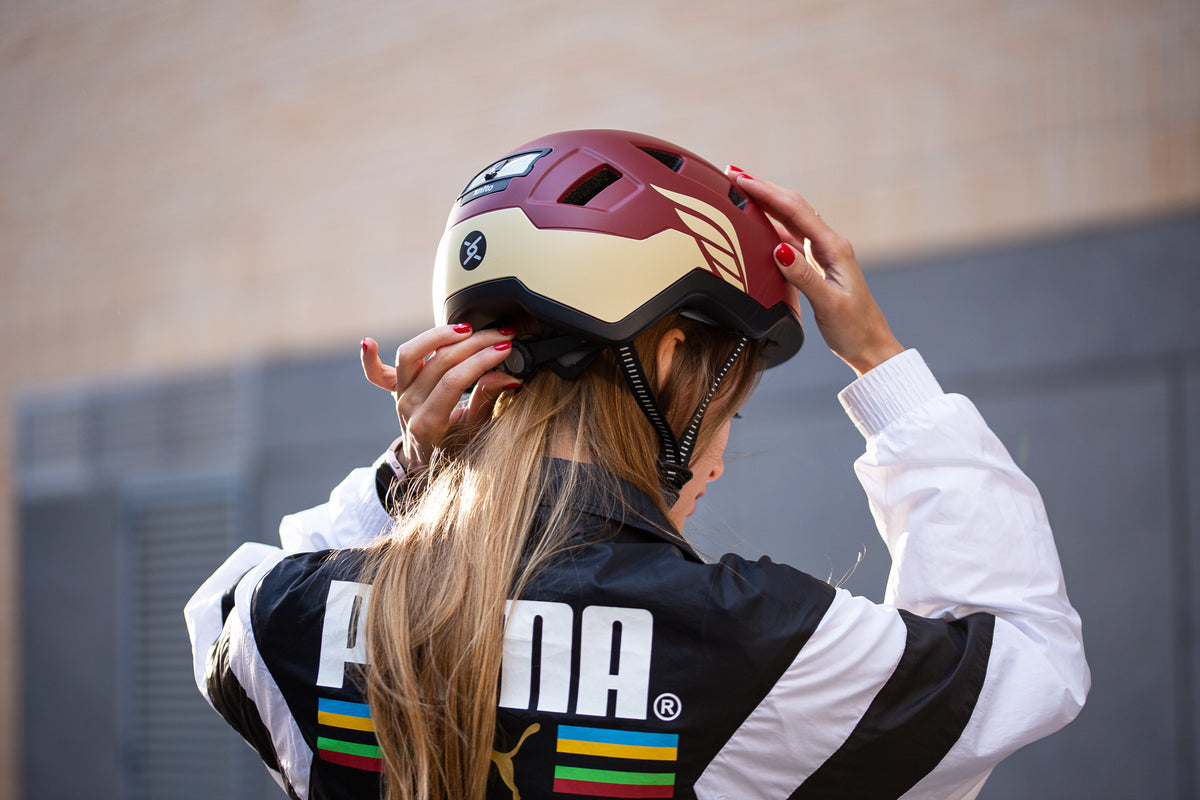
Credit: www.ebikecan.ca
Legal Consequences Of Not Wearing A Helmet
Wearing a helmet on a bike is not just about safety. It is also a legal requirement in many areas. Not wearing one can lead to serious consequences.
Understanding these legal consequences helps riders stay safe and avoid trouble with the law. This section explains fines, insurance issues, and liability risks.
Fines And Penalties
Many regions have laws that require wearing a helmet while riding a bike. If you do not wear one, you may face fines or other penalties.
The amount of the fine depends on where you live. Some places also add points to your driving record or require court appearances.
- Fines can range from small fees to larger amounts.
- Repeat offenses may lead to higher penalties.
- Some areas require mandatory safety courses for offenders.
Insurance Implications
Not wearing a helmet can affect your insurance claims after an accident. Insurance companies may reduce payments or refuse claims.
Insurance providers see helmet use as a safety measure. Without a helmet, they may argue that you took more risk than necessary.
- Claims may be denied if helmet laws were broken.
- Payouts could be lowered due to increased injury risk.
- Some insurers charge higher premiums for non-helmet use.
Impact On Liability In Accidents
If you cause or are involved in a bike accident without a helmet, your liability may increase. The law can see you as partly responsible.
This means you could face higher legal costs or damages. Courts often consider helmet use when deciding fault and compensation.
- Not wearing a helmet can reduce your chances of winning liability claims.
- It may increase the amount you must pay for damages.
- Helmet use shows you took safety seriously, which helps in legal cases.
Helmet Safety Standards
Wearing a helmet while riding a bike is important for safety. Helmets protect your head in case of accidents.
Helmet safety standards ensure that helmets meet certain rules. These rules help keep riders safe.
Certification Marks To Look For
Certified helmets have marks showing they passed safety tests. These marks prove the helmet is safe to use.
- DOT (Department of Transportation) – common in the USA
- ECE (Economic Commission for Europe) – used in Europe
- Snell – a higher safety standard by a private group
- ISI (Indian Standards Institute) – used in India
Testing Procedures
Helmets go through tests before they get certified. These tests check how well a helmet protects your head.
Tests include impact tests, strap strength, and coverage checks. They make sure the helmet can absorb shocks.
- Impact Test: Drop helmets on hard surfaces at set speeds
- Retention Test: Check if the straps hold the helmet firmly
- Penetration Test: Ensure sharp objects do not pierce the helmet
- Field of Vision Test: Confirm the helmet does not block sight
Choosing A Certified Helmet
Always buy helmets with certification marks. Certified helmets meet safety rules to protect you well.
Try the helmet on to check fit and comfort. A helmet should feel snug but not too tight.
- Look for certification labels inside the helmet
- Check that the helmet fits your head size
- Choose helmets with good padding and straps
- Avoid helmets without any safety certification

Credit: bayareabicyclelaw.com
Tips For Proper Helmet Use
Wearing a helmet while riding a bike is important for safety. Using the helmet correctly makes it more effective.
This guide helps you use your helmet the right way. Follow these tips to protect yourself better.
Correct Helmet Fit
The helmet should fit snugly on your head without feeling too tight. It should not move around when you shake your head.
Make sure the helmet sits level on your head. It should cover your forehead and stop about one inch above your eyebrows.
- Measure your head size before buying
- Try the helmet on to check the fit
- Choose a helmet that matches your head shape
Maintenance And Replacement Guidelines
Keep your helmet clean and in good condition. Dirt and sweat can damage the materials over time.
Replace your helmet after a crash or if it shows signs of damage. Helmets also wear out after a few years.
- Clean with mild soap and water
- Check for cracks or dents regularly
- Replace every 3 to 5 years or after impact
Adjusting Straps And Positioning
Straps keep your helmet in place. Adjust them so they fit comfortably under your chin.
The side straps should form a “V” shape below your ears. The chin strap must be tight enough to keep the helmet steady.
- Check that straps are not twisted
- Adjust the side straps to fit snugly
- Fasten the chin strap firmly but comfortably
- Test by opening your mouth wide; helmet should stay in place
Frequently Asked Questions
Is Wearing A Helmet On A Bike Legally Required?
Helmet laws vary by country and state. Many places mandate helmets for riders, especially minors. Always check local regulations to ensure compliance and safety.
What Are The Legal Consequences Of Not Wearing A Helmet?
Fines, penalties, or license points can result from not wearing a helmet where it’s mandatory. It may also affect insurance claims after accidents.
Are There Exceptions To Helmet Laws For Bikers?
Some regions exempt certain riders, like adults on specific roads or during hot weather. Confirm local laws to understand any exemptions.
How Does Wearing A Helmet Affect Bike Insurance?
Wearing a helmet can lower insurance premiums and improve claim approvals. It shows responsible riding, reducing risk in insurers’ eyes.
Conclusion
Wearing a helmet while riding a bike is often required by law. It helps protect your head during accidents. Many places have specific rules about helmet use. Following these rules keeps you safe and avoids fines. Choosing to wear a helmet is a smart and responsible choice.
Safety should always come first on the road. Remember, a helmet can save your life. Stay informed about local laws before you ride. Safety and legality go hand in hand for every cyclist.