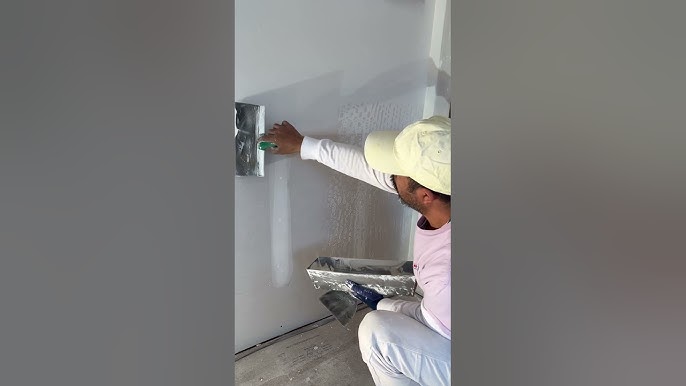
Are you tired of spending endless hours troweling drywall, only to feel like the job drags on forever? What if you could skip the trowel step and still get smooth, professional-looking walls?
You’re about to discover simple, effective ways to save time and effort without sacrificing quality. Keep reading, and you’ll learn how to speed up your drywall project while achieving great results—making your next renovation easier than ever.
Tools And Materials Needed
Skipping the trowel when finishing drywall can save time and effort. Using the right tools and materials is very important. This helps you get a smooth finish without extra work.
Below are the key supplies you need to prepare before starting your drywall project. Each item plays a special role in the process.
Essential Drywall Supplies
Basic drywall supplies include the drywall panels themselves, tape, and joint compound. You also need tools to apply and smooth the compound.
- Drywall sheets
- Drywall tape (paper or mesh)
- Joint compound (mud)
- Putty knives or drywall knives
- Sanding block or sponge
- Dust mask and safety glasses
Choosing The Right Joint Compound
Joint compound is the material that fills seams and holes. It comes in different types. Pick one that fits your project and skill level.
Ready-mixed joint compound is easy to use and good for beginners. Setting-type compound dries faster and is stronger but needs mixing.
- Ready-mixed compound: Easy to apply, slow drying
- Setting-type compound: Fast drying, strong bond
- Lightweight compound: Easier to sand, less dust
Selecting Alternative Finishing Tools
You do not always need a trowel to finish drywall. Other tools can help you apply and smooth joint compound faster.
Tools like wide putty knives and drywall knives spread compound well. A hawk can hold your compound for easy access. Sanding sponges help smooth surfaces without dust flying.
- Wide putty or drywall knives (6 to 12 inches)
- Hawk board for holding compound
- Sanding sponges for gentle smoothing
- Corner tools for edges and corners

Credit: www.freepik.com
Preparing Drywall For Skipping The Trowel
Skipping the trowel can save time when finishing drywall. Proper preparation is key to a smooth and durable surface.
This guide covers the basics of preparing drywall before you skip the trowel step.
Proper Drywall Installation
Install drywall sheets tightly with minimal gaps. Use drywall screws to secure the panels firmly to the studs.
- Check that studs are straight and level.
- Cut drywall sheets to fit walls and ceilings precisely.
- Drive screws just below the surface without breaking paper.
- Fill gaps larger than 1/8 inch with joint compound or backing tape.
- Remove dust and debris before applying any compound.
Cleaning And Smoothing The Surface
Remove dust and rough spots before finishing. Clean surfaces help the paint or texture stick better.
| Cleaning Step | Tools Needed | Purpose |
| Dust Removal | Vacuum or dry cloth | Clear loose dust and drywall particles |
| Spot Sanding | Fine-grit sandpaper | Smooth joint edges and rough areas |
| Surface Wipe | Damp cloth | Remove remaining dust after sanding |
Alternative Techniques For Finishing Drywall
Finishing drywall can be done in several ways. Some methods use tools beyond the typical trowel. These alternatives can help achieve a smooth finish or add texture.
Learning different techniques allows for creativity. It also provides options that suit various project needs.
Using A Drywall Knife Or Putty Knife
A drywall knife or putty knife is a common tool. It helps apply joint compound smoothly. The knife is easy to handle, making it ideal for beginners.
For best results, use even pressure. This helps spread the compound evenly across the surface.
- Choose a knife with a flexible blade
- Apply compound in thin layers
- Smooth out bubbles and edges
Applying Joint Compound With A Sponge
A sponge offers a unique texture. It’s a gentle method for applying joint compound. The sponge allows for control over the texture and finish.
Dip the sponge in water first. This helps the compound spread smoothly without clumping.
- Use a soft, clean sponge
- Apply light pressure for a smooth finish
- Rinse the sponge often
Spray Texturing Methods
Spray texturing adds an artistic touch. It requires a spray gun or hopper. This method is great for creating unique patterns on drywall.
Adjust the nozzle for different effects. Practice on a small area first to see the texture.
- Use a spray gun for even coverage
- Experiment with nozzle settings
- Test the spray pattern on scrap drywall
Tips For Achieving Smooth, Flawless Walls
Skipping trowel drywall is a popular way to get smooth walls. It saves time and gives a clean finish. You need the right steps to avoid bumps and cracks.
These tips help you get even surfaces with less effort. Follow them to improve your drywall results.
Layering And Drying Time
Apply joint compound in thin layers for the best smoothness. Let each layer dry fully before adding the next one. This prevents cracks and uneven spots.
Thin layers dry faster and are easier to sand. Patience during drying gives a flawless finish.
- Use a wide drywall knife to spread thin coats
- Wait 24 hours or until dry before the next layer
- Check for rough spots and fix them before drying
Sanding Without Dust
Sanding drywall creates a lot of dust. Use special tools to reduce dust and keep your workspace clean. This helps you see the wall clearly and breathe easier.
Try sanding screens or vacuum sanders to catch dust as you work. Wet sanding is another option but use it carefully to avoid damage.
- Wear a mask to protect your lungs
- Use a vacuum sander to collect dust
- Sand lightly to avoid gouges
Avoiding Common Mistakes
Many drywall issues come from rushing or skipping steps. Avoid using thick layers or sanding too hard. Both cause uneven walls and cracks.
Check your work often and fix small problems early. Keep your tools clean and use good lighting to see every detail.
- Do not apply heavy coats of compound
- Sand gently and evenly
- Clean tools after each use
- Use bright lights to spot flaws
Finishing Touches And Painting
After skipping the trowel on drywall, the surface needs a smooth finish. This step helps the wall look clean and ready for paint.
Proper finishing and painting make the wall last longer and look better. Follow simple steps to get the best results.
Priming The Surface
Priming seals the drywall and prevents paint from soaking in unevenly. It also helps the paint stick well.
Use a drywall primer made for smooth surfaces. Apply one or two coats with a roller or brush, covering the entire wall.
- Choose a primer designed for drywall
- Apply evenly with a roller or brush
- Let the primer dry fully before painting
Choosing Paint For A Perfect Finish
Pick paint that hides imperfections and cleans easily. Flat or matte finishes work well on smooth drywall.
Use high-quality paint for good coverage. Apply two thin coats for the best look and durability.
- Flat or matte paint hides small flaws
- Satin or eggshell finishes are easy to clean
- Apply two coats for full coverage

Credit: www.youtube.com

Credit: www.texturemaster.com
Frequently Asked Questions
What Does It Mean To Skip Trowel Drywall?
Skipping trowel drywall means applying a textured finish without using a trowel. It creates a rough, uneven surface. This technique saves time and adds a decorative look to walls and ceilings. It is popular in modern drywall finishing.
Why Choose Skip Trowel Over Smooth Drywall?
Skip trowel offers a unique texture that hides imperfections. It is faster to apply than smooth drywall finishes. The texture adds character and depth to rooms. It also reduces the need for perfect drywall taping and sanding.
How Do I Prepare Drywall For Skip Trowel?
Start by cleaning and priming the drywall surface. Ensure all joints are taped and mudded. Allow the joint compound to dry fully. Lightly sand any rough spots before applying the skip trowel texture.
What Tools Are Needed For Skip Trowel Drywall?
You need a hopper spray gun or a drywall sprayer. A knockdown knife or drywall knife is required to flatten peaks. Protective gear like masks and goggles are essential. Optional tools include sanding blocks and primer brushes.
Conclusion
Skipping trowel drywall can save time and effort. Take your time to prep the surface well. Use the right tools for smooth and even results. Practice makes perfect, so try on small areas first. Clean up as you go to avoid mess.
This method helps finish walls faster and easier. Keep these tips in mind for better drywall work. Your walls will look neat without extra hassle. Simple steps lead to great results. Give it a try on your next project.