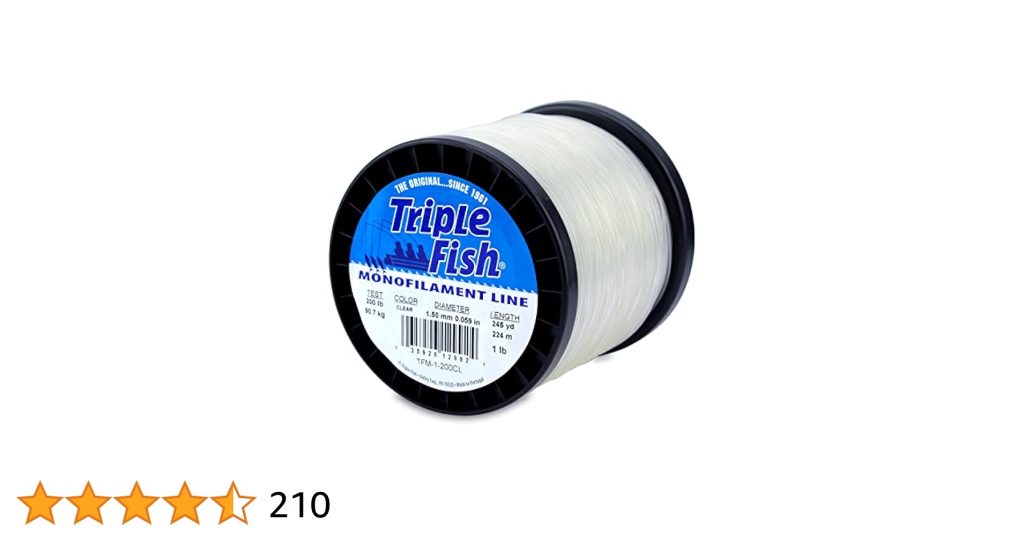
Choosing the right lb fishing line can make all the difference between a successful catch and a frustrating day on the water. You want a line strong enough to handle the fish you’re targeting, but not so heavy that it scares them away.
Wondering which lb fishing line suits your needs? This guide will help you understand the options and pick the perfect line for your fishing style. Keep reading, and you’ll be ready to reel in your next big catch with confidence.
Choosing Line Strength
Picking the right fishing line strength is key for a good fishing day. The line must hold the fish without breaking.
Understanding how to choose the right pound test line helps catch more fish and avoid lost gear.
Matching Line To Fish Size
Fish size guides the choice of line strength. Small fish need lighter lines, big fish need stronger lines.
| Fish Size | Recommended Line Strength (lb) |
| Small (up to 5 lbs) | 2 – 6 lb |
| Medium (5 – 20 lbs) | 8 – 15 lb |
| Large (20 – 50 lbs) | 20 – 30 lb |
| Extra Large (50+ lbs) | 30+ lb |
Considering Fishing Techniques
Different fishing styles need different line strengths. Choose based on your method to improve results.
- Fly fishing usually uses light lines for delicate casts.
- Spinning needs medium strength for versatility.
- Baitcasting often requires heavier lines for big fish.
- Surf fishing uses strong lines to handle rough water.
Balancing Strength And Sensitivity
Strong lines resist breakage but can reduce sensitivity. Sensitive lines help feel bites better.
| Line Type | Strength | Sensitivity |
|---|---|---|
| Monofilament | Good | Moderate |
| Fluorocarbon | Strong | High |
| Braid | Very Strong | Very High |
Types Of Fishing Line
Choosing the right fishing line is important for success. Different lines work best in different situations.
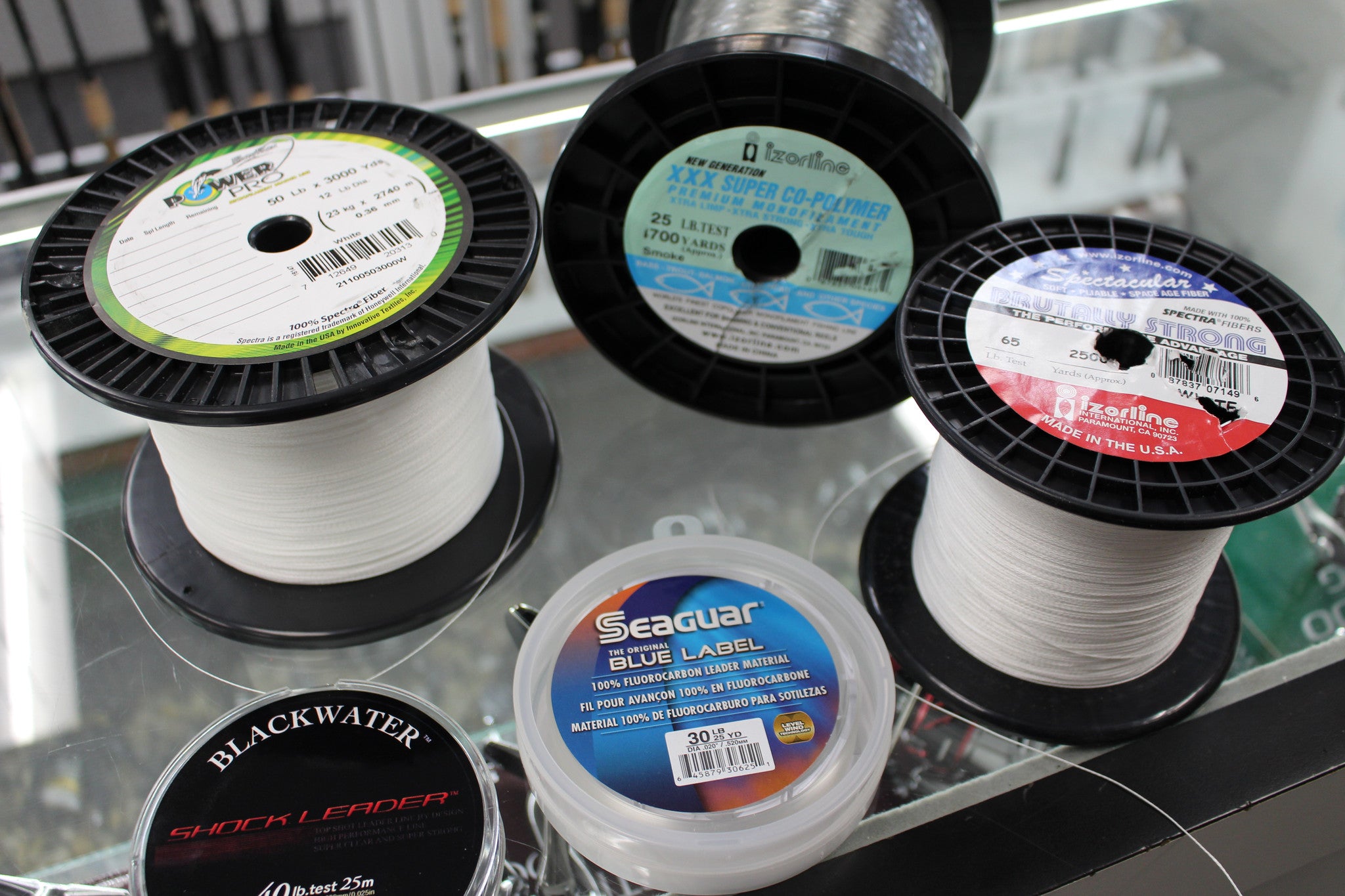
Fishing lines come in three main types: monofilament, fluorocarbon, and braided. Each type has its own features and benefits.
Monofilament Line Features
Monofilament line is made from a single strand of nylon. It is soft, stretchy, and easy to handle.
This line is good for beginners because it knots well. It also floats on water, making it useful for topwater fishing.
- Stretch helps absorb fish shocks
- Good knot strength
- Floats on water surface
- Usually less expensive
Fluorocarbon Line Advantages
Fluorocarbon line is made from a special plastic that sinks faster than monofilament. It is nearly invisible underwater.
This line resists abrasion well and works great in clear water. It is strong and has low stretch, giving better sensitivity.
- Almost invisible underwater
- Sinks quickly for deep fishing
- Strong and abrasion-resistant
- Low stretch for better bite feel
Braided Line Benefits
Braided line is made by weaving many fibers together. It is very strong and has no stretch.
It has a thin diameter for its strength, so you can fit more line on the reel. Braided line is good for heavy cover and big fish.
- High strength with thin diameter
- No stretch for better hook sets
- Durable and long-lasting
- Good for heavy cover fishing
Line Diameter And Visibility
Choosing the right lb fishing line is important for successful fishing. Two key factors are line diameter and visibility.
Line diameter affects how the line performs in water. Visibility influences how fish perceive the line.
Impact On Casting Distance
Thinner lines have less air resistance. This allows for longer casts. Thicker lines might reduce casting distance.
Wind can also affect casting. Lighter lines are more wind-resistant, helping with accuracy.
- Thinner lines cast further
- Thicker lines may limit distance
- Lighter lines resist wind better
Underwater Stealth Factors
Fish can see lines in clear water. Thinner lines are harder for them to detect. This can lead to more bites.
Using a clear or colored line can help reduce visibility. This makes the line blend with the water.
| Clear Water | Use thinner line |
| Muddy Water | Line visibility less important |
| Sunny Days | Fish may see lines easier |
Environmental Factors
Choosing the right pound test (lb) fishing line depends on many environmental factors. These factors affect how strong and invisible your line should be.
Understanding water type, clarity, weather, and temperature can help you pick the best line for your fishing trip.
Water Type And Clarity
Water type and clarity play a big role in selecting fishing line strength and visibility. Clear water needs lighter, thinner lines to avoid spooking fish. Murky or rough water allows thicker, stronger lines.
- Clear water:Use lighter lines, typically 4-8 lb test, for better invisibility.
- Murky water:Heavier lines, around 10-20 lb test, help with strength and control.
- Saltwater:Use strong lines, 20 lb test or more, to handle larger fish and rough conditions.
- Freshwater:Lines from 4 to 15 lb test work depending on fish size and water clarity.
Weather And Temperature Effects
| Weather Condition | Recommended Line Strength | Reason |
| Hot and sunny | Lower lb test (4-8 lb) | Fish are more cautious; light line is less visible |
| Cold or overcast | Medium lb test (8-12 lb) | Fish are less active; medium strength line is suitable |
| Rainy or stormy | Higher lb test (12-20 lb) | Water is rough; strong line resists breakage |
| Very cold water | Stronger line (10-20 lb) | Fish grow slower but fight harder; durable line needed |
Specialized Line Recommendations
Choosing the right fishing line strength is key for success. Different fishing environments need different line types and strengths. This guide helps pick the best line for freshwater and saltwater fishing.
Each fishing line has a specific pound test rating. This rating shows how much weight the line can hold before breaking. Use the right lb fishing line to avoid losing fish or gear.
Freshwater Fishing Lines
Freshwater fishing lines usually need less strength than saltwater lines. The type of fish and water conditions affect the choice. Light to medium strength lines work well for most freshwater fishing.
- 4-6 lb line for small fish like bluegill and crappie
- 8-12 lb line for bass and walleye
- 12-20 lb line for larger freshwater fish such as pike and catfish
Saltwater Fishing Lines
Saltwater fishing demands stronger lines to handle bigger fish and tougher conditions. Corrosion resistance is also important for saltwater lines. Choose heavier pound test lines for safety and durability.
| Fish Type | Recommended Line Strength | Line Material |
| Inshore species (snook, redfish) | 15-30 lb | Braided or monofilament |
| Offshore species (tuna, marlin) | 50-100+ lb | Braided or fluorocarbon |
| Light saltwater (trout, snapper) | 10-20 lb | Monofilament or fluorocarbon |

Credit: www.amazon.in
Tips For Line Maintenance
Using the right fishing line is important, but keeping it in good shape matters too. Proper maintenance helps your line last longer and perform well.
Regular checks and careful storage prevent damage. These simple habits protect your investment and improve your fishing experience.
Checking For Wear And Tear
Inspect your fishing line before each trip. Look for signs of damage to avoid breakage while fishing.
- Look for frayed or thin spots on the line
- Check for discoloration or stiffness
- Test the line by gently pulling to feel for weak points
- Replace damaged sections or the whole line if needed
Proper Storage Practices
Store your fishing line correctly to keep it strong and flexible. Bad storage can cause tangles and weaken the line.
| Storage Tip | Why It Helps |
| Keep line away from direct sunlight | Prevents UV damage that weakens line fibers |
| Store in a cool, dry place | Avoids moisture that can cause mildew or rot |
| Keep line on the reel or spool | Prevents tangling and kinks |
| Use a sealed container or bag | Keeps dirt and dust off the line |
Common Mistakes To Avoid
Choosing the right fishing line strength is very important. Many anglers make simple errors that hurt their fishing experience. Avoiding these mistakes helps catch more fish and keeps gear safe.
This guide focuses on two common mistakes: using incorrect line strength and ignoring line compatibility. Learn what to watch out for to improve your fishing.
Using Incorrect Line Strength
Picking the wrong pound test (lb) fishing line can cause line breaks or lost fish. Many anglers pick a line that is too weak or too strong for their fishing needs.
- Using a line that is too weak can break easily on larger fish.
- Using a line that is too strong can reduce sensitivity and make the bait less natural.
- Heavier lines may cause more visibility in clear water, scaring fish away.
- Light lines may not hold up against sharp teeth or rough water conditions.
- Always check the fish species and water conditions before selecting the line strength.
Ignoring Line Compatibility
Fishing lines must match the reel and rod specifications. Using incompatible lines can cause many problems during fishing trips.
| Problem | Cause | Effect |
| Line spool slips | Line too thin or thick for reel | Loss of control and casting distance |
| Rod damage | Line strength exceeds rod limit | Cracks or breaks in rod |
| Poor casting | Wrong line type (e.g., braided vs monofilament) | Short casts and tangles |
| Line twist | Incompatible line and reel setup | Reduced line life and knots |
Credit: tackleexpress.com

Credit: www.amazon.in
Frequently Asked Questions
What Lb Fishing Line Is Best For Freshwater?
For freshwater fishing, 6-12 lb test line suits most species. It offers good strength and sensitivity for bass, trout, and panfish.
How To Choose Lb Fishing Line For Saltwater?
Select 15-30 lb test line for saltwater. It withstands harsh conditions and handles larger, stronger saltwater fish effectively.
What Lb Fishing Line Is Ideal For Beginners?
Beginner anglers should use 8-12 lb test line. It balances ease of casting with durability and is versatile for many fish types.
Does Lb Rating Affect Fishing Line Length?
Lb rating indicates line strength, not length. Choose lb based on target fish, then select length depending on fishing technique.
Conclusion
Choosing the right lb fishing line makes a big difference. It helps catch fish without breaking the line. Think about the fish size and water type. Thicker lines hold more weight but are less flexible. Thinner lines cast farther but may snap easily.
Match your line strength to your fishing needs. This simple step improves your fishing success. Keep these tips in mind for your next trip. Fish smarter, not harder.