Are you curious about how to create the perfect environment for your plants to thrive indoors? A grow tent might be exactly what you need.
It’s a simple, effective tool that lets you control light, temperature, and humidity all in one compact space. Whether you’re a beginner or looking to improve your indoor gardening game, understanding what a grow tent is can change how you grow your plants.
Keep reading to discover how this handy setup can make your growing experience easier and more successful.

Credit: www.amazon.com
Basics Of Grow Tents
Grow tents are special indoor enclosures that help plants grow. They create a controlled environment for plants to thrive.
People use grow tents to manage light, temperature, and humidity. This helps plants grow faster and healthier.
What Is A Grow Tent?
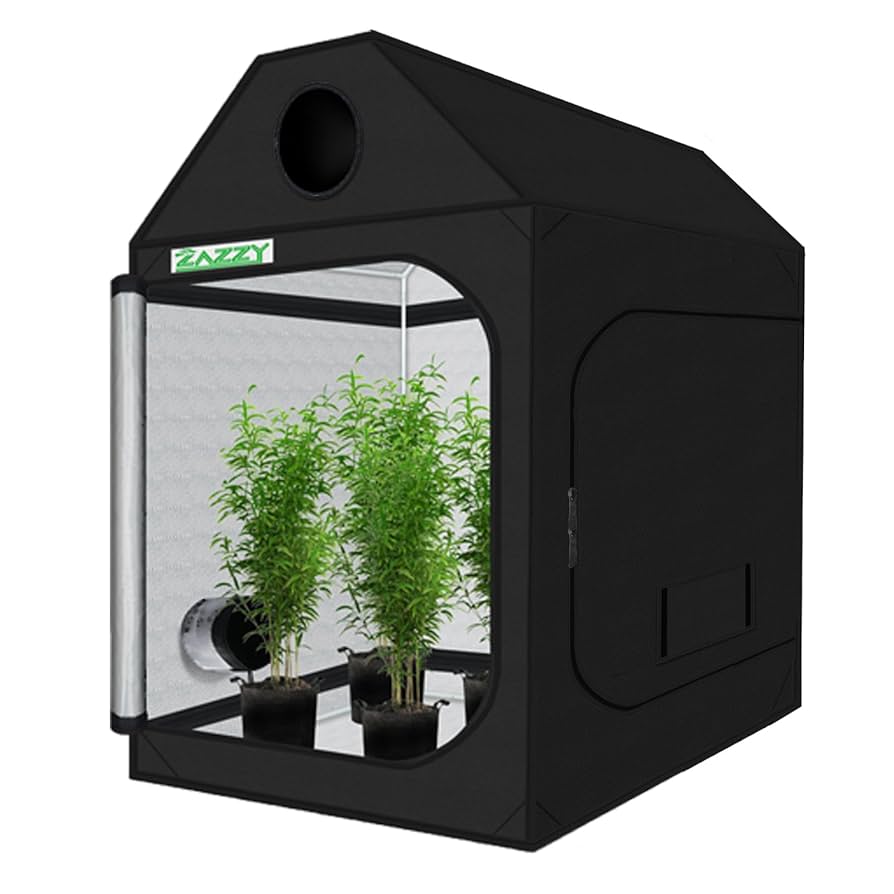
A grow tent is a portable box-like structure with reflective walls inside. It traps light and heat to support plant growth.
The walls are usually made of thick fabric that blocks outside light and keeps conditions stable inside. This helps plants get the right amount of light.
Key Components
- Frame:A metal or plastic structure that holds the tent’s shape.
- Fabric Cover:Thick material that blocks light and reflects it inside.
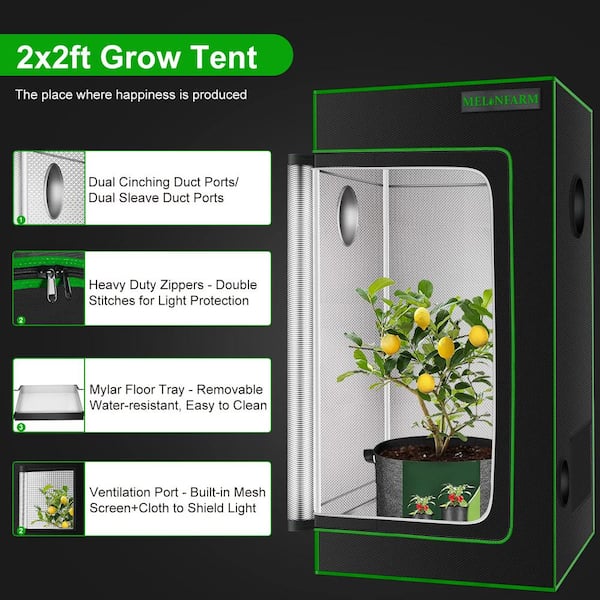
- Ventilation Ports:Openings for air intake and exhaust.
- Support Bars:Bars to hang lights, fans, or filters.
- Windows and Doors:Access points to check plants and adjust equipment.
These parts work together to create the best growing space indoors.
Types Of Grow Tents
| Type | Description | Best For |
|---|---|---|
| Basic | Simple design with standard reflective walls. | Small plants and beginners. |
| Heavy-Duty | Stronger fabric and frame for durability. | Larger plants and long-term use. |
| Multi-Chamber | Divided sections for growing different plants. | Multiple plant types or growth stages. |
| Portable | Lightweight and easy to move. | Temporary setups or small spaces. |
Benefits Of Using Grow Tents
A grow tent is a special enclosure for growing plants indoors. It helps create the best conditions for plant growth.
Using a grow tent offers many benefits. It makes indoor gardening easier and more efficient.
Controlled Environment
Grow tents allow you to control temperature, humidity, and light. This control helps plants grow faster and healthier.
You can adjust conditions inside the tent to match each plant’s needs. This is hard to do in a normal room.
Energy Efficiency
Grow tents keep light and heat inside, reducing energy waste. This saves electricity and lowers bills.
The reflective walls inside tents help spread light evenly. Plants get more light with less power.
- Less heat loss means less heating needed
- Reflective surfaces improve light use
- Sealed tents reduce air leaks
Pest And Odor Control
Grow tents act as a barrier against pests like insects and bugs. This keeps plants safe from damage.
Tents also help contain odors inside. This is useful when growing plants with strong smells.
- Prevents pests from entering
- Contains plant odors
- Keeps growing area clean
Choosing The Right Grow Tent
A grow tent creates a controlled space for plants to grow indoors. Picking the right grow tent helps your plants thrive and saves you trouble.
Consider size, material, and ventilation when choosing a grow tent. Each factor affects how well your plants will grow.
Size And Space Considerations
Choose a grow tent size that fits your available space. Think about how many plants you want to grow and their needs.
- Measure the room or area where you will place the tent.
- Allow extra space for lights, fans, and other equipment.
- Pick a size that fits your plant types and numbers.
- Remember taller tents help with larger plants or hanging lights.
Material Quality
Good material means better durability and light control. Most grow tents use strong fabric with reflective inside walls.
| Material | Benefits | Considerations |
| Oxford Cloth | Strong and tear-resistant | Heavier, less flexible |
| Canvas | Durable and breathable | Less reflective inside |
| Mylar Lining | Reflects light well | Can tear if not handled carefully |
Ventilation Features
Proper airflow keeps plants healthy and controls temperature. Look for tents with vents and ports for fans and filters.
- Multiple vent openings with adjustable covers
- Mesh windows or panels for passive airflow
- Ports designed for exhaust fans and carbon filters
- Easy access to clean or replace filters
Setting Up Your Grow Tent
A grow tent is a portable, reusable space for growing plants indoors. It is a great option for gardeners who want to control the growing environment.
Setting up your grow tent correctly ensures healthy plant growth. You need to consider lighting, ventilation, temperature, and humidity.
Lighting Options
Proper lighting is crucial for plant growth in a grow tent. You need to choose the right type of light for your plants.
LED lights are energy-efficient and produce less heat. Fluorescent lights are good for seedlings and young plants.
- LED lights: Energy-efficient, less heat
- Fluorescent lights: Ideal for seedlings
- HID lights: Suitable for larger plants
Ventilation And Airflow
Ventilation removes excess heat and humidity from the grow tent. It also helps to bring in fresh air for the plants.
Fans can help circulate air inside the tent. You can use an exhaust fan to remove stale air and a filter to control odors.
- Exhaust fan: Removes stale air
- Oscillating fan: Circulates air
- Carbon filter: Controls odors
Temperature And Humidity Control
Plants need the right temperature and humidity levels to thrive. You must monitor and adjust these conditions regularly.
Use a thermometer and hygrometer to keep track of conditions. A heater or air conditioner can help maintain the right temperature.
- Thermometer: Monitors temperature
- Hygrometer: Measures humidity
- Heater/Air conditioner: Adjusts temperature
Essential Equipment For Grow Tents
Grow tents create a controlled space for indoor gardening. They help plants get the right light, air, and water.
To set up a grow tent, you need several key tools. These tools ensure plants grow healthy and strong.
Grow Lights
Grow lights provide the light plants need to make food. They come in different types like LED, fluorescent, and HID.
- LED lights save energy and last long.
- Fluorescent lights are good for seedlings and small plants.
- HID lights give strong light for large plants.
Fans And Filters
Fans move air inside the grow tent. Filters clean the air to keep plants healthy.
| Equipment | Purpose | Benefit |
| Oscillating Fan | Circulates air | Prevents mold and strengthens stems |
| Exhaust Fan | Removes hot air | Keeps temperature stable |
| Carbon Filter | Removes odors | Keeps air fresh |
Hydroponic Systems
Hydroponic systems grow plants without soil. They use water mixed with nutrients.
Common hydroponic systems:
- Deep Water Culture (DWC) – Plants roots sit in nutrient-rich water.
- Nutrient Film Technique (NFT) – Thin film of water flows over roots.
- Drip System – Nutrient solution drips onto plant roots.

Credit: www.amazon.com
Tips For Successful Indoor Gardening
Indoor gardening needs careful planning to grow healthy plants. Using a grow tent helps control light and temperature.
Follow these tips on plant selection, watering, and nutrients for better results.
Plant Selection
Choose plants that grow well indoors and fit your grow tent size. Some plants need more light or space than others.
- Pick herbs like basil or mint for easy care.
- Try leafy greens such as lettuce or spinach.
- Select small fruiting plants like cherry tomatoes.
- Avoid large plants that need more room and light.
Watering Techniques
Water plants carefully to keep soil moist but not soggy. Overwatering can harm roots and cause mold.
- Check soil moisture with your finger before watering.
- Use a spray bottle for seedlings and small plants.
- Water early in the day to allow drying before night.
- Ensure good drainage in your pots to avoid water buildup.
Nutrient Management
Plants need nutrients to grow strong. Use balanced fertilizers made for indoor plants. Too much fertilizer can burn roots.
| Nutrient | Role | Signs of Deficiency |
| Nitrogen | Growth and leaf color | Yellowing leaves |
| Phosphorus | Root and flower development | Pale or purple leaves |
| Potassium | Overall plant health | Wilting and brown edges |
Common Challenges And Solutions
Growing plants in a grow tent can be very rewarding. Yet, it comes with some challenges. Knowing the common problems helps you keep your plants healthy.
This guide covers three main challenges: pest management, mold and mildew, and light burn with heat stress. Each section gives simple solutions to protect your plants.
Pest Management
Pests like spider mites and aphids can harm plants quickly. They often enter through new plants or unclean tools. Regular checks help catch infestations early.
- Inspect plants daily for pests or damage
- Use yellow sticky traps to catch flying insects
- Clean tools and hands before touching plants
- Introduce beneficial insects like ladybugs
- Apply organic insecticidal soap if needed
Mold And Mildew
Mold and mildew grow in damp, poorly ventilated tents. They can stunt plant growth and cause rot. Keeping air moving and humidity low stops mold from spreading.
| Problem | Cause | Solution |
| White powdery mildew | High humidity and poor airflow | Use a fan and lower humidity below 50% |
| Gray mold (Botrytis) | Dead leaves and moisture | Remove dead leaves and improve air circulation |
| Root mold | Overwatering and poor drainage | Water less and use well-draining soil |
Light Burn And Heat Stress
Too much light or heat can harm plants. Leaves may turn yellow or curl. You can protect plants by controlling distance and temperature.
Follow these tips to avoid light burn and heat stress:
- Keep grow lights at least 12 inches above plants
- Use a thermometer to watch tent temperature
- Keep temperature between 70°F and 85°F
- Use fans to cool the tent and circulate air
- Adjust light intensity as plants grow
Maintaining And Cleaning Grow Tents
Grow tents need regular care to keep plants healthy. Dirt and pests can harm your setup.
Cleaning and maintenance extend the life of your tent and equipment.
Regular Inspection
Check your grow tent often for tears and leaks. Look at zippers and seams for damage. Inspect the tent floor for water or mold. Catching issues early helps avoid bigger problems.
Sanitization Methods
Clean your grow tent inside and out to stop pests and germs. Use safe cleaning products that do not harm plants. Wipe down walls, poles, and floors regularly.
- Remove plants before cleaning
- Use mild soap or specialized tent cleaner
- Rinse thoroughly with water
- Dry completely to prevent mold
- Sanitize tools and pots too
Equipment Maintenance
Keep your fans, lights, and filters in top shape. Clean dust and dirt often. Replace parts as needed to keep airflow and light levels stable.
| Equipment | Maintenance Task | Frequency |
| Fans | Clean blades and check motor | Monthly |
| Lights | Wipe bulbs and check connections | Every 2 weeks |
| Filters | Replace or wash filters | Every 1-3 months |
Credit: www.homedepot.com
Frequently Asked Questions
What Is A Grow Tent Used For?
A grow tent creates a controlled environment for indoor plants. It helps regulate light, temperature, and humidity. This boosts plant growth and yields. It’s perfect for gardening year-round, regardless of outdoor weather.
How Do Grow Tents Improve Plant Growth?
Grow tents optimize light exposure and airflow. They prevent pests and diseases by isolating plants. The environment inside is easier to control. This results in healthier and faster-growing plants.
Can You Grow Any Plant In A Grow Tent?
Yes, most plants can thrive in a grow tent. It’s ideal for vegetables, herbs, and flowers. Adjusting light and humidity suits different plant needs. However, large trees may require bigger spaces.
What Size Grow Tent Should I Choose?
Choose a tent size based on your plant quantity and growth stage. Small tents suit herbs and seedlings. Larger tents fit multiple plants or bigger species. Measure your available space before buying.
Conclusion
A grow tent helps plants grow indoors with control and ease. It keeps light, temperature, and humidity just right. This makes growing plants simple and efficient. Many people use grow tents for herbs, vegetables, and flowers. They save space and protect plants from pests.
Anyone can start growing indoors using a grow tent. A small setup can bring big results. Consider a grow tent to improve your indoor gardening experience.