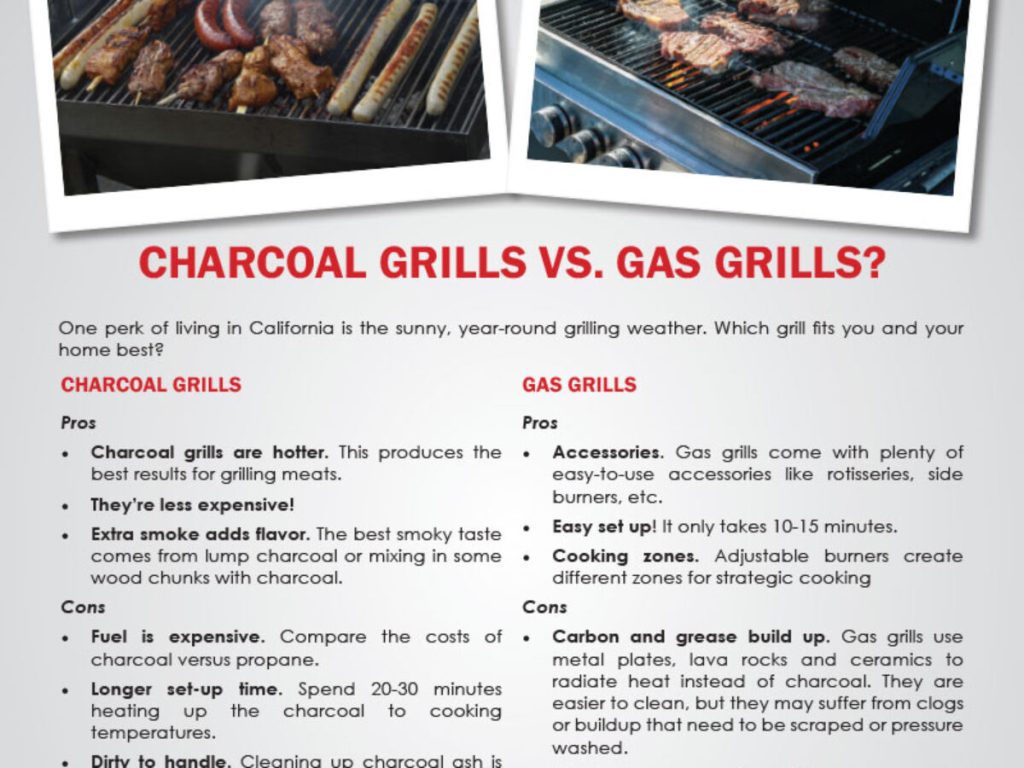
Have you ever wondered just how hot your charcoal grill can get? Knowing the answer can make a big difference in how you cook your favorite meals.
Whether you’re aiming for a perfect sear or slow-cooked tenderness, understanding your grill’s temperature helps you take control. You’ll discover exactly how hot a charcoal grill can get, why it matters, and how to use that heat to your advantage.
Keep reading to unlock the secrets to grilling like a pro every time.

Credit: www.ice.edu
Charcoal Grill Temperature Range
Charcoal grills can reach different temperatures depending on how you arrange the coals. Knowing the heat zones helps you cook food perfectly.
Grill temperature zones are usually divided into low, medium, and high heat. Each zone suits different types of food and cooking methods.
Low Heat Zone
The low heat zone ranges from 225°F to 275°F (107°C to 135°C). It is good for slow cooking and smoking meats.
- Use for ribs, brisket, and pulled pork
- Cook with the grill lid closed
- Place food away from direct coals
Medium Heat Zone
The medium heat zone is between 300°F and 400°F (149°C to 204°C). It works well for cooking chicken, sausages, and vegetables.
| Temperature Range | 225°F – 275°F | 300°F – 400°F | 450°F – 600°F |
| Heat Zone | Low | Medium | High |
| Best For | Slow cooking, smoking | Chicken, sausages, veggies | Steaks, burgers, searing |
| Grill Setup | Coals spread thinly | Coals spread evenly | Coals piled tightly |
High Heat Zone
The high heat zone reaches 450°F to 600°F (232°C to 316°C). It is perfect for searing steaks and burgers quickly.
Tips for using high heat zone:
- Keep the grill lid open for fast cooking
- Use thick cuts of meat for best results
- Watch food closely to prevent burning
Factors Influencing Grill Temperature
Charcoal grills can reach different temperatures based on several factors. Knowing these helps you control the heat for better cooking.
Understanding what changes the grill temperature lets you cook food just right every time.
Type Of Charcoal
Different types of charcoal burn at different temperatures. Lump charcoal burns hotter and faster than briquettes.
Briquettes burn more evenly and last longer. Choose the type based on how hot and how long you want the fire.
Amount Of Charcoal
The more charcoal you use, the hotter the grill gets. A small amount creates low heat for slow cooking.
Adding more charcoal raises the temperature for grilling steaks or searing foods quickly.
- Few charcoal pieces: low heat (around 225°F to 300°F)
- Medium amount: medium heat (around 350°F to 450°F)
- Full charcoal bed: high heat (up to 700°F or more)
Airflow Control
Airflow affects how fast charcoal burns. More air increases heat by feeding oxygen to the fire.
Closing vents reduces airflow and lowers temperature. Adjust vents to control cooking heat precisely.
- Open vents: hotter fire and faster burning
- Partially closed vents: moderate heat
- Closed vents: cooler temperature and slower burn
Grill Design
The shape and size of your grill change how heat spreads. Small grills heat up faster but cool down quickly.
Grills with lids keep heat inside and reach higher temperatures. Vents and insulation also help control heat better.
Measuring Grill Heat
Knowing how hot your charcoal grill gets is important for cooking food right. Measuring the heat helps you control the cooking process.
There are several ways to check the grill temperature. Some tools and simple tests make it easy to know the heat level.
Using Grill Thermometers
Grill thermometers show the temperature inside the grill. They are often built into the grill lid or can be bought separately.
These thermometers give a direct reading of the air temperature near the food. This helps you keep the grill at the right heat.
Hand Test Method
The hand test is a simple way to estimate grill heat without tools. Hold your hand above the grill surface to feel the heat.
- Hold your hand about 5 inches above the grill.
- Count how many seconds you can keep it there comfortably.
- 2 seconds means very hot (450-550°F).
- 4 seconds means medium heat (350-450°F).
- 6 seconds means low heat (250-350°F).
Infrared Thermometers
Infrared thermometers measure the grill surface temperature from a distance. They show quick and accurate results.
Point the device at the grill grate to get the exact temperature. This helps avoid guesswork during cooking.
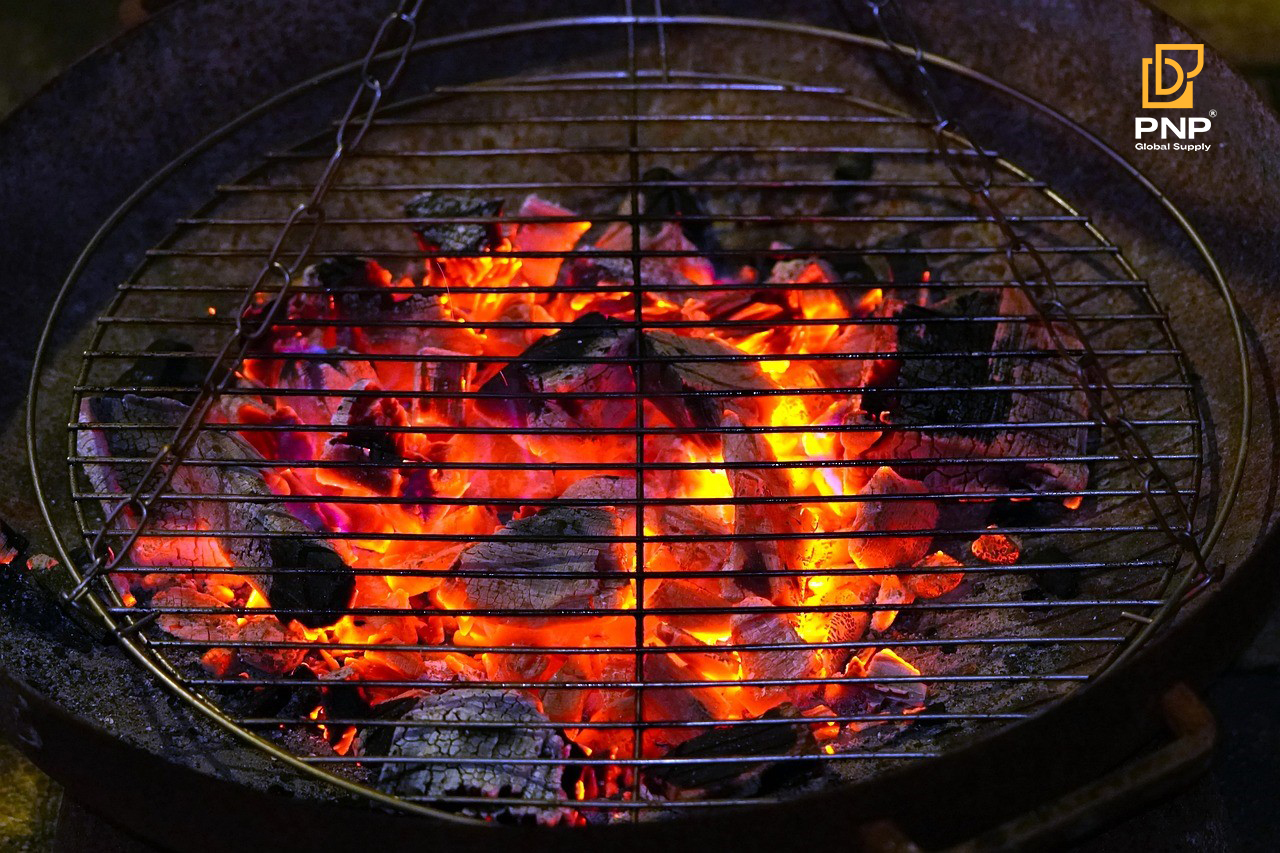
Credit: pnpcharcoal.com
Tips To Maximize Grilling Heat
Charcoal grills can get very hot, often reaching 700 degrees Fahrenheit or more. To achieve such high heat, you need to know some simple techniques. These tips will help you maximize the heat of your charcoal grill for perfect cooking results.
Following these guidelines ensures your grill performs at its best. Proper heat management will make your grilling experience more enjoyable and efficient.
Proper Charcoal Arrangement
How you arrange charcoal affects the heat level. Spread the coals evenly for uniform cooking. For intense heat, pile them up to concentrate the heat.
- Even arrangement for medium heat
- Pile coals for high heat
- Use more charcoal for larger grills
Using A Chimney Starter
A chimney starter is a great tool for lighting charcoal. It helps get the coals hot faster and more evenly. This leads to better heat management and saves time.
- Fill the chimney with charcoal
- Light the newspaper under the chimney
- Wait until coals are glowing red
Adjusting Vents For Optimal Airflow
Vents control the airflow in your grill. More air means hotter coals. Adjust the vents to increase or decrease the heat level.
- Open vents for more heat
- Close vents to lower heat
- Monitor grill temperature regularly
Preheating The Grill
Preheating ensures the grill is ready for cooking. It helps achieve the desired temperature before you start grilling. Always preheat for at least 10-15 minutes.
- Start with a clean grill
- Cover grill to retain heat
- Check temperature with a grill thermometer
Safety Considerations When Grilling Hot
Grilling with a charcoal grill can reach very high temperatures. It is important to stay safe while cooking over hot coals.
Knowing how to handle heat and avoid accidents helps make grilling fun and injury-free.
Handling Hot Coals
Hot coals can burn skin and start fires quickly. Always use tools made for moving coals.
Never touch coals with bare hands. Use long tongs or a metal shovel to adjust or remove them.
- Wear heat-resistant gloves when handling coals
- Keep a metal container nearby for hot ashes
- Do not leave coals unattended while hot
Avoiding Flare-ups
Flare-ups happen when fat drips on hot coals and causes sudden flames. These can cause burns or damage food.
Control flare-ups by trimming excess fat from meat and keeping a spray bottle of water nearby.
- Trim fat before grilling
- Keep the grill lid open to reduce flare-ups
- Use water spray to calm sudden flames
- Move food away from flames if flare-ups occur
Protective Gear
Wear protective gear to keep safe from burns and heat. This gear shields your hands, arms, and clothes.
Use gloves and aprons made from fire-resistant materials. Avoid loose clothing that can catch fire.
- Heat-resistant gloves protect your hands
- Long sleeves and aprons guard your arms
- Closed-toe shoes protect your feet
- Avoid loose or flowing clothes
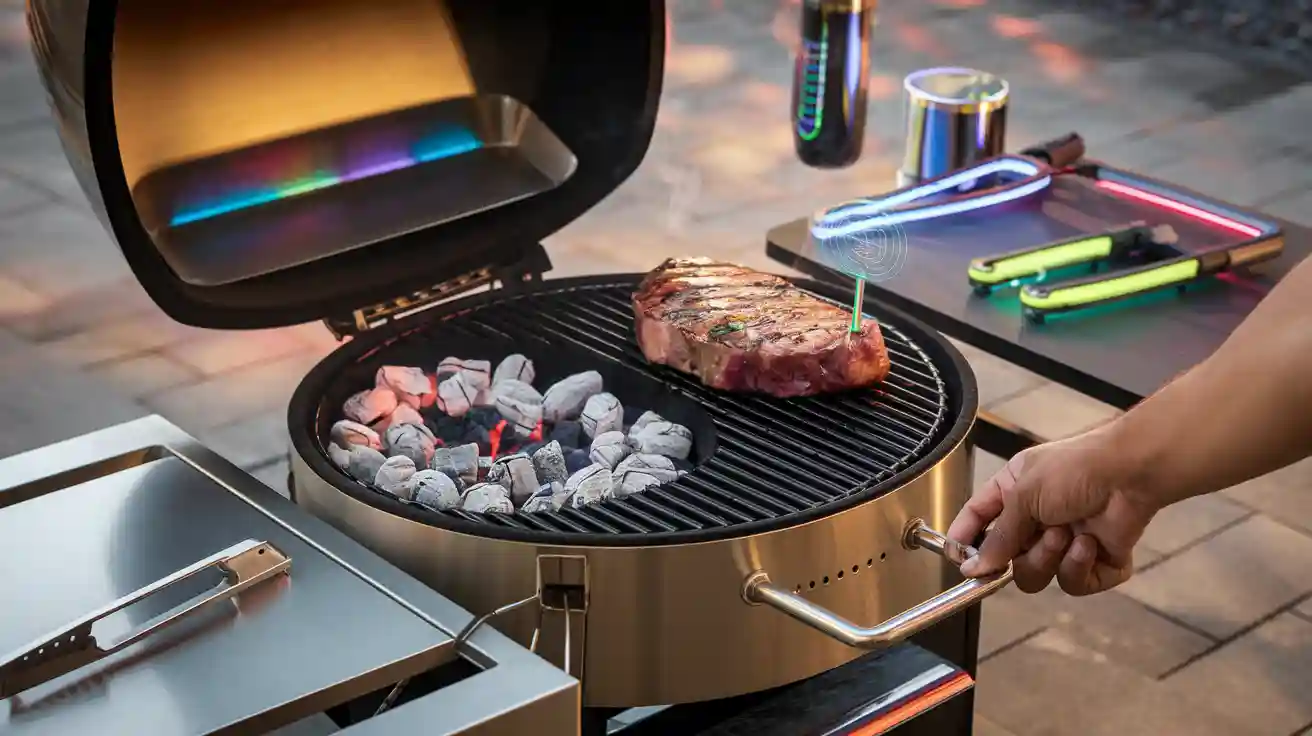
Credit: www.siuhaau.com
Cooking Techniques For Different Heat Levels
Charcoal grills can reach different temperatures based on how you manage the coals. Each heat level suits certain cooking methods and foods.
Knowing how hot your grill gets helps you cook meat, vegetables, and more perfectly every time.
Searing Over High Heat
Searing uses very high heat to brown the outside of food quickly. It locks in juices and adds flavor.
- Use hot coals piled together for intense heat.
- Place food close to the coals for fast cooking.
- Ideal for steaks, burgers, and chops.
- Cook each side for 2-3 minutes for a good sear.
Slow Cooking On Low Heat
Low heat cooks food gently and evenly. It is perfect for tough cuts or delicate items.
| Heat Level | Temperature Range | Best For |
| Low Heat | 225°F to 275°F (107°C to 135°C) | Ribs, brisket, whole chicken |
| Medium Heat | 300°F to 400°F (149°C to 204°C) | Chicken breasts, vegetables, fish |
| High Heat | 450°F to 650°F (232°C to 343°C) | Steaks, burgers, thin cuts |
Indirect Grilling
Indirect grilling cooks food away from the direct flames. It uses slower, gentler heat.
Here are the basic steps for indirect grilling:
- Arrange coals on one side of the grill.
- Place food on the cooler side without coals.
- Cover the grill to trap heat and smoke.
- Cook slowly until food reaches the right temperature.
Frequently Asked Questions
How Hot Can A Charcoal Grill Get?
A charcoal grill can reach temperatures between 500°F and 700°F. Some grills can even hit 900°F with proper airflow and charcoal arrangement. This high heat is perfect for searing steaks and quick cooking.
What Affects Charcoal Grill Temperature?
Charcoal type, airflow, and grill size impact temperature. Using lump charcoal burns hotter than briquettes. Adjusting vents controls oxygen flow, raising or lowering heat. Grill lid position also influences temperature consistency.
How To Measure Charcoal Grill Temperature Accurately?
Use a built-in grill thermometer or a digital infrared thermometer. These tools provide quick, accurate readings. Avoid relying solely on visual cues like smoke or coal color for precise temperature control.
Why Does Charcoal Grill Temperature Vary?
Temperature varies due to charcoal amount, airflow, and weather conditions. Wind can cool the grill, while rain lowers heat. Even charcoal distribution ensures consistent heat across the grill surface.
Conclusion
Charcoal grills can reach very high temperatures, often between 500 and 700 degrees Fahrenheit. These high heat levels help cook food quickly and give a smoky flavor. Controlling the heat depends on how you arrange the charcoal and adjust the vents.
Knowing how hot your grill gets helps you cook better every time. Keep practicing and enjoy grilling with confidence. Great meals start with the right heat!