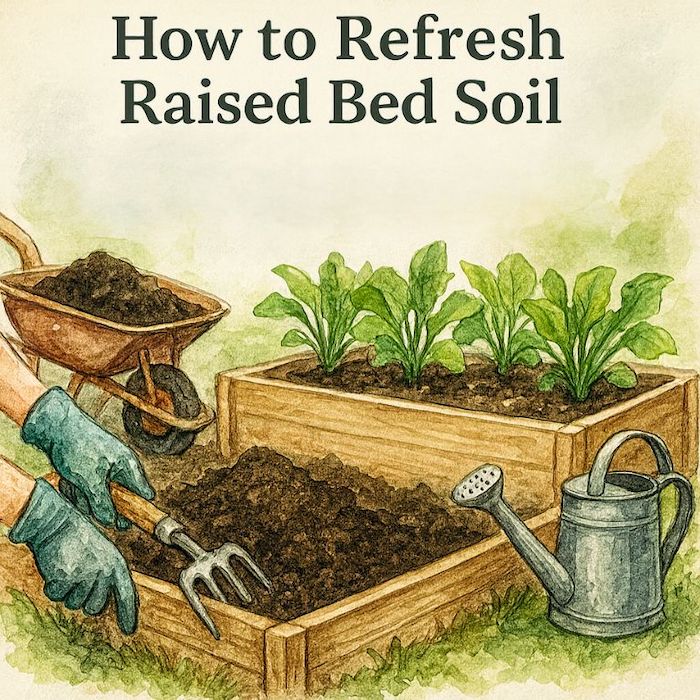
Are you wondering if you can use garden soil in your raised beds? It’s a common question that many gardeners ask before starting their planting.
The right soil can make or break your garden’s success. Using garden soil might seem easy and cost-effective, but is it really the best choice for your raised beds? Keep reading to find out what works best and how you can give your plants the perfect start.
Your garden’s health depends on it!

Credit: www.thunderbirddisco.com
Garden Soil Vs. Raised Bed Soil
Many gardeners wonder if garden soil is good for raised beds. Both soils have different uses and qualities.
Choosing the right soil helps plants grow strong and healthy in raised beds.
Characteristics Of Garden Soil
Garden soil is the natural soil found in the ground. It contains a mix of clay, sand, silt, and organic matter.
This soil can be dense and heavy. It often drains water slowly and may have pests or weed seeds.
Soil Needs For Raised Beds
Raised beds need soil that drains well and is loose. This helps roots grow easily and get enough air.
The soil should have good nutrients and organic material. It should also hold moisture without staying too wet.
- Light and fluffy texture
- Good drainage and moisture retention
- Rich in nutrients and organic matter
- Free from pests and weed seeds
Common Soil Problems In Raised Beds
Using garden soil in raised beds can cause problems like poor drainage and compaction. This stops roots from growing well.
Garden soil may also bring weed seeds and pests into raised beds. It can be hard to manage soil nutrients in heavy soil.
- Poor drainage causing water to pool
- Soil compaction limiting root growth
- Weed seeds sprouting and competing with plants
- Pests living in the soil harming plants

Credit: littlehouseonlaurel.com
Risks Of Using Garden Soil In Raised Beds
Using garden soil in raised beds can seem easy. People often think it saves money and effort. But garden soil may cause problems in raised beds. These risks affect plant growth and soil health.
This article explains three main risks. They are compaction and drainage issues, pests and diseases, and nutrient imbalance. Understanding these risks helps make better gardening choices.
Compaction And Drainage Issues
Garden soil can become very dense in raised beds. This compaction stops water from draining well. Poor drainage causes water to stay too long around plant roots.
- Heavy garden soil may block air flow to roots.
- Water can pool and cause root rot.
- Plants may grow slowly or die without good drainage.
Pests And Diseases
Garden soil often contains pests and disease organisms. These can harm plants in raised beds. Using garden soil may spread old problems to new plants.
| Pest or Disease | Effect on Raised Beds |
| Soil nematodes | Damage plant roots and reduce growth |
| Fungal spores | Cause root rot and wilting |
| Weed seeds | Increase competition for nutrients and water |
Nutrient Imbalance
Garden soil may lack the right mix of nutrients for raised beds. It can be too rich or too poor in some elements. This imbalance can stop plants from growing well.
- Too much clay can hold nutrients but block roots.
- Low organic matter reduces soil fertility.
- Excess salts can harm sensitive plants.
When Garden Soil Can Be Used
Using garden soil in raised beds is possible with care. It helps to ensure plants grow healthily. Knowing the right conditions is key.
Some factors like soil quality and plant type matter. Let’s explore when garden soil is suitable for raised beds.
Soil Testing And Amendments
Testing garden soil is important before use. It checks pH levels and nutrients needed for plants.
- Collect soil samples from different areas of the garden.
- Send samples to a local extension office for testing.
- Amend soil based on test results to improve quality.
Mixing Garden Soil With Other Materials
Garden soil often needs mixing with other materials. This improves drainage and texture for plant roots.
| Material | Purpose |
| Compost | Enhances nutrients |
| Sand | Improves drainage |
| Perlite | Increases aeration |
Suitable Plant Types
Not all plants thrive in garden soil. Some plants need specific conditions to grow well.
- Root vegetables like carrots and beets
- Leafy greens such as lettuce and spinach
- Herbs including basil and parsley
Best Soil Mixes For Raised Beds
Using the right soil mix is important for growing healthy plants in raised beds. Garden soil alone may not be the best choice.
Raised beds need soil that drains well and has good nutrients. Mixing different ingredients creates the best environment for plants.
Compost And Organic Matter
Compost adds nutrients and improves soil texture. Organic matter helps soil hold water and air.
Adding compost makes the soil rich and supports healthy root growth. It also feeds beneficial soil organisms.
- Use well-rotted compost for best results
- Include leaf mold, grass clippings, or manure
- Organic matter should be about 30% of the mix
Topsoil And Sand Ratios
Topsoil provides minerals and structure. Sand improves drainage and prevents soil compaction.
A good raised bed mix has about 40% topsoil and 30% sand. This balance helps water flow and keeps soil loose.
- Topsoil should be clean and free of debris
- Use coarse sand, not fine sand
- Mix sand and topsoil well before adding organic matter
Commercial Raised Bed Mixes
Commercial mixes are ready-made blends for raised beds. They often include peat, compost, and other ingredients.
These mixes are convenient and balanced for good plant growth. They save time and effort for gardeners.
- Look for mixes labeled for raised beds or container gardening
- Check for ingredients like compost, peat moss, and perlite
- Avoid mixes with too much peat moss as it can dry out
Maintaining Soil Health In Raised Beds
Using garden soil in raised beds can affect how healthy your plants grow. Good soil health helps plants get nutrients and water. It also supports tiny creatures that keep soil alive.
Keeping soil healthy means testing it often, adding needed nutrients, and changing crops. These steps help your raised beds stay productive and strong.
Regular Soil Testing
Test your soil every year to know its condition. Soil tests show nutrient levels and pH balance. This helps you decide what to add or change.
Testing prevents problems like nutrient shortages or excess salts. It keeps plants healthy and growing well.
Adding Nutrients And Amendments
Add nutrients to replace what plants use up. Compost, manure, and natural fertilizers boost soil life. Amendments improve soil texture and drainage.
- Use compost to add organic matter
- Add balanced fertilizers for nutrients
- Mix in sand or peat to improve texture
- Apply amendments before planting season
Crop Rotation And Cover Crops
Change crops in your raised beds each year. Crop rotation stops pests and diseases from building up. It also helps balance soil nutrients.
Plant cover crops in empty beds. Cover crops protect soil from erosion and add nutrients. They keep soil healthy and ready for new plants.
- Rotate vegetables by family every season
- Use legumes as cover crops to add nitrogen
- Leave cover crops to decompose in soil
- Harvest cover crops before planting new crops

Credit: www.youtube.com
Frequently Asked Questions
Can I Use Garden Soil Directly In Raised Beds?
Using garden soil directly in raised beds is not ideal. It may compact and drain poorly. Raised beds need loose, well-draining soil for healthy roots. Mixing garden soil with compost or using a high-quality raised bed mix is better for plant growth.
What Are The Risks Of Using Garden Soil In Raised Beds?
Garden soil can contain pests, diseases, and weed seeds that harm plants. It may also lack nutrients and have poor drainage. These issues reduce plant health and yield. Proper soil preparation or using raised bed soil mixes helps avoid these risks.
How To Improve Garden Soil For Raised Beds?
To improve garden soil, add organic compost to enrich nutrients. Mix in coarse sand or perlite for better drainage. Remove debris and break up clumps to create loose, aerated soil. This creates a healthier environment for raised bed plants.
Is Raised Bed Soil Different From Garden Soil?
Yes, raised bed soil is usually lighter and well-draining. Garden soil is often denser and can retain too much water. Raised bed soil is custom-mixed with compost, peat, and other amendments to promote healthy root growth and good drainage.
Conclusion
Garden soil can work in raised beds, but choose carefully. It may not drain well or have enough nutrients for plants. Mixing garden soil with compost or other materials helps plants grow better. Always check soil quality before planting. Good soil means healthy plants and better harvests.
Raised beds give you control, so use soil that fits your garden’s needs. Happy gardening!