Your sleeping bag is your trusty companion on every outdoor adventure, but over time it can get dirty, smelly, and less cozy. Knowing how to clean a sleeping bag properly isn’t just about keeping it fresh—it also helps it last longer and perform better when you need it most.
In this guide, you’ll discover simple, effective steps to clean your sleeping bag without damaging it. Keep reading to learn how to bring back that fresh feeling and ensure your next night under the stars is as comfortable as ever.

Credit: www.ellis-brigham.com
Choosing The Right Cleaning Method
Cleaning a sleeping bag properly keeps it fresh and extends its life. Choosing the right method depends on the bag’s material and condition.
Using the wrong cleaning method can damage the insulation or fabric. It is important to learn the best way to clean your sleeping bag.
Machine Wash Vs Hand Wash
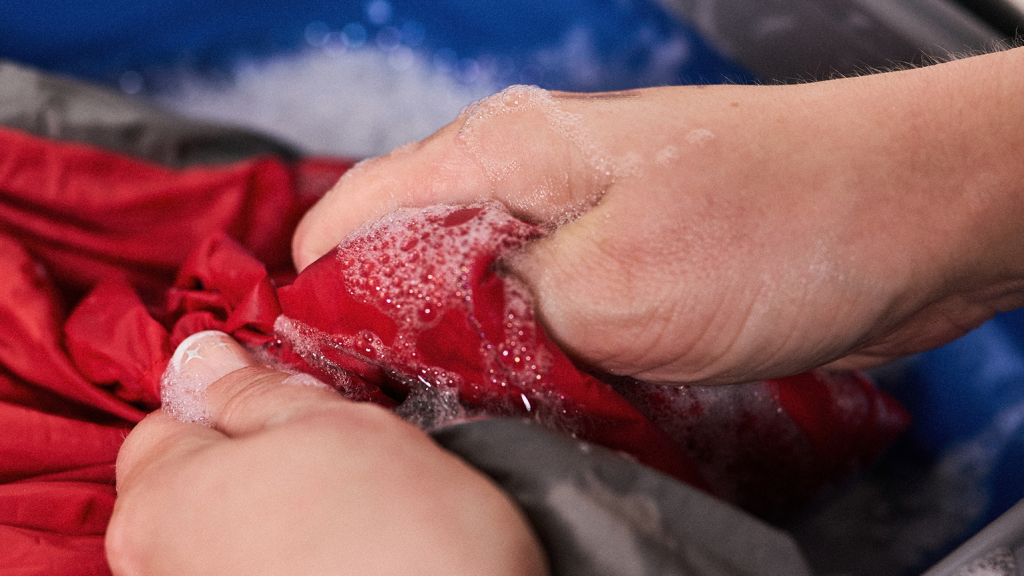
Machine washing is easy and fast but may be rough on delicate sleeping bags. Hand washing is gentle and helps protect the insulation.
- Machine wash is good for durable, synthetic bags.
- Hand wash suits down-filled or delicate bags.
- Use a front-loading washer to avoid damage.
- Hand wash in a bathtub or large basin with mild water.
- Rinse thoroughly to remove all soap.
Checking The Care Label
Always check the care label before cleaning your sleeping bag. It gives clear instructions on washing and drying methods.
| Symbol | Meaning |
| Machine Wash | Safe to wash in a machine |
| Hand Wash | Wash by hand only |
| Do Not Wash | Use professional cleaning only |
| Low Heat Dry | Dry on low heat setting |
| Do Not Bleach | Avoid bleach or harsh chemicals |
Selecting Suitable Detergents
Choose detergents made for outdoor gear or down products. Regular soap can strip natural oils and harm insulation.
Helpful detergent tips:
- Use gentle, non-detergent soaps.
- Avoid fabric softeners or bleach.
- Measure detergent carefully to avoid residue.
- Consider special down cleaners for down bags.
Preparing The Sleeping Bag
Cleaning a sleeping bag starts with good preparation. This helps protect the bag and makes cleaning easier.
Follow these steps to get your sleeping bag ready before washing it.
Emptying Pockets And Shaking Out Debris
Remove all items from the sleeping bag pockets. Small objects can damage the fabric or washing machine.
- Check all pockets carefully
- Turn the bag inside out if needed
- Shake the bag to remove dirt and leaves
- Use a soft brush to clean stubborn debris
Spot Cleaning Stains
Focus on stained areas before full cleaning. Use mild soap and water to treat spots gently.
| Stain Type | Cleaning Method |
|---|---|
| Food | Blot with mild soap and cold water |
| Dirt | Use soft brush and warm water |
| Oil | Apply dish soap, rinse carefully |
| Grass | Use diluted vinegar, rinse well |
Closing Zippers And Velcro
Fasten all zippers and Velcro strips before washing. This protects the bag’s fabric from damage.
- Close zippers completely
- Press Velcro strips firmly together
- Check for any loose threads or damage
- Fix minor issues before cleaning
Washing Steps
Cleaning a sleeping bag is important for its longevity. Follow these steps to keep it fresh.
Regular washing removes dirt and odors. Handle your sleeping bag gently to avoid damage.
Setting The Washer Or Preparing The Basin
Choose a front-loading washer if available. Top-loading machines can cause tangling.
Use cold water for washing. Hot water may harm the sleeping bag material.
Gentle Washing Techniques
Use a gentle cycle to protect the fabric. Add mild detergent without bleach.
- Avoid fabric softeners
- Use a mesh laundry bag for extra care
- Check for detergent residue
Rinsing Thoroughly
Rinse the sleeping bag multiple times. This removes all soap and detergent traces.
Press out excess water gently. Do not twist or wring the sleeping bag.
Drying Your Sleeping Bag
Drying your sleeping bag properly keeps it warm and ready to use. Wet sleeping bags can lose insulation and develop bad smells. Drying takes time and care.
Choose the right drying method based on your sleeping bag’s material and filling. Here are some tips to help you dry it safely and well.
Air Drying Tips
Air drying is gentle and safe for most sleeping bags. Find a dry, shady spot with good airflow. Avoid direct sunlight to prevent fabric damage.
- Lay your sleeping bag flat on a clean surface or hang it loosely on a wide hanger.
- Turn the bag occasionally to dry all sides evenly.
- Pat out any wet spots to help moisture evaporate faster.
- Keep the area well-ventilated to speed drying time.
- Do not wring or twist the sleeping bag to remove water.
Using A Dryer Safely
Some sleeping bags allow tumble drying on low heat. Check your bag’s care label before using a dryer. High heat can melt fabrics or ruin insulation.
- Use a large dryer to avoid crushing the sleeping bag.
- Set dryer to the lowest heat or air fluff setting.
- Add clean tennis balls or dryer balls to help fluff the insulation.
- Pause the dryer regularly to shake and reposition the bag.
- Dry until the bag feels completely dry inside and out.
Restoring Loft And Fluffiness
Drying can compress the insulation. Restoring loft keeps your sleeping bag warm and cozy. Use gentle methods to fluff it up.
| Method | Description |
|---|---|
| Manual Fluffing | Shake and lightly beat the sleeping bag to separate insulation fibers. |
| Dryer Balls | Use dryer balls in the dryer to break up clumps and add air pockets. |
| Air Fluff | Hang the bag in a breezy place and gently pat it to restore loft. |
Maintaining Freshness Between Washes
Keeping your sleeping bag fresh between washes helps it last longer. Dirt and sweat can build up if you do not care for it well.
Simple habits can keep your sleeping bag clean and ready for your next trip. This saves time and protects the bag’s materials.
Proper Storage Practices
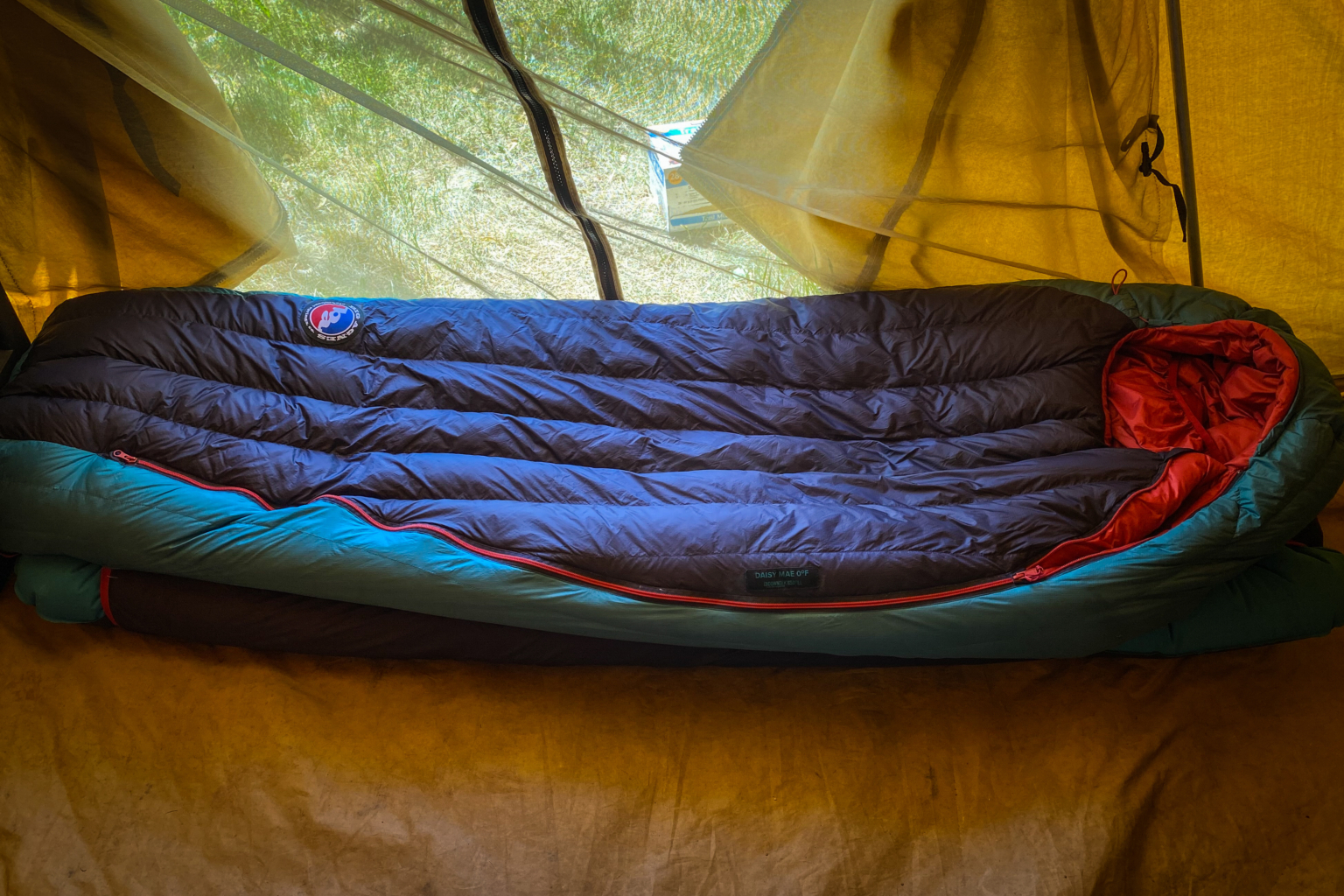
Store your sleeping bag in a cool, dry place to avoid damage. Avoid tight compression for long times, as it can break down insulation.
Use a large, breathable storage sack or hang the bag loosely. This keeps the insulation fluffy and helps air circulate.
- Keep away from direct sunlight to prevent fading
- Do not store in damp areas to avoid mold
- Use a cotton or mesh storage sack instead of a stuff sack
Using Liners And Protective Covers
Liners add a clean barrier inside your sleeping bag. They reduce sweat and dirt buildup and keep the bag cleaner longer.
Choose liners made from cotton or silk for comfort. Protective covers also help shield the bag from stains and spills during use.
- Liners are easy to wash separately
- Protective covers prevent oils and dirt from reaching the bag
- Both improve the sleeping bag’s lifespan
Spot Cleaning After Trips
Clean dirty spots quickly to stop stains from setting. Use mild soap and a soft cloth or sponge for spot cleaning.
Focus on areas like the hood, collar, and footbox where dirt and sweat gather most. Let the bag air dry fully before storing.
- Mix mild soap with water for cleaning
- Gently rub the dirty spot without soaking the bag
- Use a towel to blot excess moisture
- Air dry in a shaded, ventilated space
Credit: gearjunkie.com

Credit: www.gearaid.com
Frequently Asked Questions
How Often Should I Clean My Sleeping Bag?
You should clean your sleeping bag after every 3 to 4 uses. Frequent cleaning preserves insulation and hygiene. Spot clean minor stains to extend time between full washes.
Can I Machine Wash A Sleeping Bag Safely?
Yes, most sleeping bags can be machine washed. Use a front-loading washer with gentle cycle and cold water. Always check the manufacturer’s care label before washing.
What Detergent Is Best For Cleaning Sleeping Bags?
Use a mild, non-detergent soap or a cleaner designed for outdoor gear. Avoid regular detergents and bleach, as they damage insulation and fabric.
How Do I Dry A Sleeping Bag Properly?
Air dry your sleeping bag or use a large dryer on low heat. Add clean tennis balls to the dryer to maintain loft. Avoid direct sunlight to prevent fabric damage.
Conclusion
Cleaning a sleeping bag keeps it fresh and lasts longer. Use gentle soap and cold water for washing. Dry it well to avoid bad smells and damage. Store it loosely in a dry place to keep its shape. Regular cleaning helps your bag stay warm and comfy.
Simple care steps make a big difference. Take time to clean your sleeping bag right. Your next adventure will feel better with a clean bag.