Have you ever wondered what makes a baseball bat strong enough to hit a fastball but light enough to swing quickly? The type of wood used in making baseball bats plays a huge role in how the bat performs.
If you’re curious about which woods are the best for baseball bats and why professionals choose certain types, you’re in the right place. Keep reading to discover the secrets behind the wood that can give your game the perfect edge.
Credit: www.justbats.com
Common Wood Types
Baseball bats are made from different types of wood. Each wood type has unique qualities. These qualities affect the bat’s weight, strength, and performance.
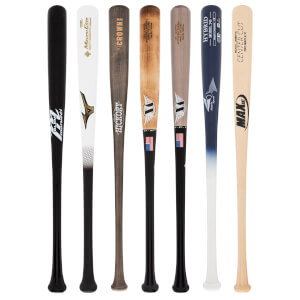
Understanding common wood types helps players choose the right bat. The most used woods are ash, maple, birch, and hickory.
Ash Wood
Ash wood is light and flexible. It offers good shock absorption. Many players like ash because it feels comfortable in the hands. Ash bats often have a grainy texture that can be seen clearly.
Maple Wood
Maple is a dense and hard wood. It gives more power with each hit. Maple bats are heavier than ash bats. They have a smooth surface and less visible grain.
Birch Wood
Birch wood combines qualities of ash and maple. It is flexible but also hard. Birch bats break in after use and become easier to swing. They have a medium grain pattern and a smooth feel.
Hickory Wood
Hickory is very strong and heavy. It can absorb strong hits without breaking. Hickory bats are less common because of their weight. They give excellent durability and power.
| Wood Type | Weight | Durability | Flexibility | Texture |
|---|---|---|---|---|
| Ash | Light | Medium | High | Grainy |
| Maple | Heavy | High | Low | Smooth |
| Birch | Medium | Medium | Medium | Medium Grain |
| Hickory | Heavy | Very High | Low | Dense |
Credit: www.b45baseball.com
Characteristics Of Each Wood
Baseball bats are made from different types of wood. Each wood has unique traits that affect how the bat performs.
Players choose bats based on these wood characteristics to fit their style and needs.
Durability And Strength
Durability means how long a bat lasts without breaking. Strength shows how much force the wood can handle.
Hardwoods like maple are very strong and last longer. Ash wood is also durable but can break more easily than maple.
- Maple: High strength, very durable, resists dents
- Ash: Good durability, lighter but can splinter
- Birch: Combines strength and some flexibility
Weight And Balance
Weight affects how easy the bat is to swing. Balance means how the weight spreads along the bat.
Ash bats are lighter and have good balance. Maple bats are heavier but offer more power in swings.
| Wood Type | Weight | Balance |
|---|---|---|
| Maple | Heavier | More end-weighted |
| Ash | Lighter | Evenly balanced |
| Birch | Medium | Balanced |
Flexibility And Hardness
Flexibility shows how much the wood bends. Hardness is how tough the wood surface is.
Ash wood is flexible and absorbs shock well. Maple is harder and less flexible, giving more power but less shock absorption.
- Ash: High flexibility, softer surface
- Maple: Low flexibility, very hard surface
- Birch: Moderate flexibility and hardness
Choosing Wood For Performance
Baseball bats are made from different types of wood. Each type offers unique benefits for players. Understanding these can help you choose the right bat.
Wood choice affects how well you can hit the ball. It also changes how long the bat lasts and how it feels in your hands.
Power Hitting
Bats made from ash are common for power hitters. Ash offers flexibility, helping players hit the ball further.
Maple wood is also popular. It is hard and dense, giving more power to your swing.
- Ash: More flexible, good for long hits
- Maple: Dense, adds power to swings
Control And Precision
Some players prefer bats that offer better control. Birch wood is a great choice for this. It combines strength and flexibility.
Birch allows players to make precise hits. It helps in placing the ball where you want it to go.
- Birch: Good mix of strength and control
- Easy to handle, helps in precise hits
Longevity Of The Bat
Some woods make bats last longer. Hickory is a very strong wood, known for its durability.
Hickory bats can endure many games. They are heavier, but they last longer than other bats.
- Hickory: Very strong and durable
- Heavier, but long-lasting
Manufacturing Process
Baseball bats are made from specific types of wood chosen for strength and performance. The manufacturing process shapes raw wood into a finished bat ready for play.
The process involves selecting the right wood, shaping the bat, and finishing it with tests to ensure quality and durability.
Wood Selection
Manufacturers select wood based on hardness, grain, and weight. Common types include ash, maple, and birch. Each has unique traits that affect the bat’s performance.
- Ash:Lightweight and flexible with visible grain patterns.
- Maple:Dense and hard with a smooth surface.
- Birch:Combines hardness and some flexibility.
Shaping And Crafting
The wood blanks are cut and shaped on lathes. Craftsmen turn the wood into the bat’s rounded form. The handle, barrel, and taper are carefully measured.
| Process | Description |
| Cutting | Wood logs are cut into manageable blanks. |
| Turning | Blanks are shaped on a lathe to form the bat profile. |
| Sanding | Surface is smoothed for a clean finish. |
| Branding | Logo and markings are added by stamping or burning. |
Finishing And Testing
The bat is sealed with varnish or lacquer to protect the wood. It then goes through tests to check weight, balance, and strength.
- Drop tests to check durability.
- Weight verification for league rules.
- Visual inspection for cracks or defects.
Comparing Wood To Alternative Materials
Baseball bats come in different materials. Wood is the traditional choice. Other materials like metal and composite are also popular.
This article compares wood bats to metal and composite bats. It explains the differences and benefits of each type.
Metal Bats
Metal bats are usually made from aluminum or an aluminum alloy. They are lighter than wood bats, making them easier to swing fast.
Metal bats often have a larger sweet spot. This helps players hit the ball better. They are common in youth and amateur leagues.
Composite Bats
Composite bats use a mix of materials like carbon fiber and resin. They are designed to be strong and light. These bats can reduce vibrations felt on impact.
Composite bats usually have a longer break-in time. They are popular in high school and college baseball. These bats can be more expensive than wood or metal.
Pros And Cons
| Material | Pros | Cons |
|---|---|---|
| Wood | Traditional feel, good balance, natural flex | Can break easily, heavier, smaller sweet spot |
| Metal | Lightweight, bigger sweet spot, durable | Can dent, less natural feel, restricted in pro leagues |
| Composite | Light, strong, less vibration, large sweet spot | Expensive, needs break-in, can crack in cold |
Care And Maintenance Tips
Baseball bats made of wood need proper care to last long. Taking care helps keep the bat strong and ready to use.
Simple steps can protect the wood from damage and wear. These tips help you enjoy your bat for many seasons.
Storage Recommendations
Store wooden bats in a dry, cool place. Avoid areas with high heat or moisture to prevent warping.
Keep bats off the ground and away from direct sunlight. Use a bat rack or holder for safe storage.
- Place bats vertically or horizontally on a rack
- Keep bats away from heaters or damp basements
- Use a bat sleeve or cover to protect from dust
Cleaning Methods
Clean your wooden bat after use to remove dirt and sweat. Use a soft cloth or brush with mild soap and water.
Do not soak the bat in water. Wipe it dry with a clean towel to avoid moisture damage.
- Use a damp cloth with gentle soap for cleaning
- Do not use harsh chemicals or abrasive materials
- Dry the bat completely before storing it
Avoiding Damage
Handle your wooden bat carefully to avoid cracks and dents. Do not use it on hard surfaces like concrete.
Inspect the bat regularly for signs of damage. Stop using the bat if you notice deep cracks or splinters.
- Do not swing the bat at objects other than baseballs
- Avoid dropping the bat or hitting hard surfaces
- Use pine tar or grip tape to improve hold and reduce slips

Credit: www.reddit.com
Frequently Asked Questions
What Types Of Wood Are Used For Baseball Bats?
Baseball bats are commonly made from ash, maple, birch, and hickory woods. Each wood has unique strength, weight, and flexibility qualities, affecting performance and durability.
Why Is Maple Wood Popular For Baseball Bats?
Maple is dense and strong, providing excellent power and durability. It offers a harder surface, improving bat speed and ball control, making it popular among professional players.
How Does Ash Wood Affect Bat Performance?
Ash is lightweight and flexible, allowing better swing speed and control. Its grain structure absorbs shock well, making it ideal for players seeking a balanced feel.
Are Birch Wood Bats Better Than Other Types?
Birch combines the flexibility of ash with the hardness of maple. It offers durability and a balanced feel, making it a versatile choice for many players.
Conclusion
Baseball bats come in different wood types, each with its own strength. Maple offers hardness and durability for strong hits. Ash provides flexibility and a lighter feel for better control. Birch combines the benefits of both woods with balanced performance.
Choosing the right wood depends on your playing style and comfort. Understanding these wood types helps you pick the best bat. This knowledge makes your game more enjoyable and effective. Simple wood choices can change how you play baseball.