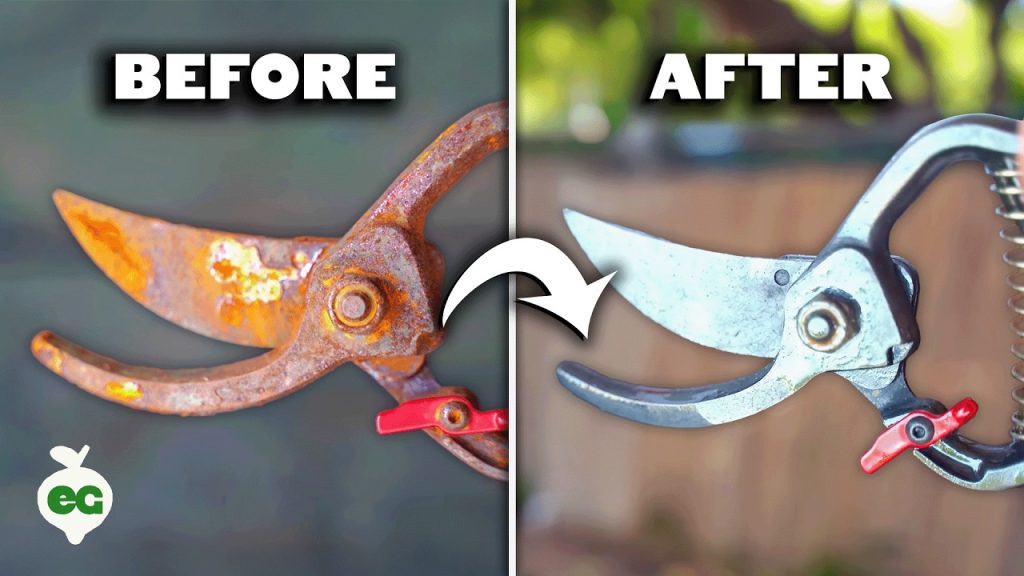
If you want your garden pruners to work like new every time, keeping them clean is key. Dirty, sticky blades can make your cutting harder and even damage your plants.
But cleaning your pruners doesn’t have to be a chore. You’ll discover simple, quick steps to make your tools sharp, smooth, and ready for any gardening task. Keep reading to learn how easy it is to extend the life of your pruners and enjoy better results in your garden.
Tools Needed
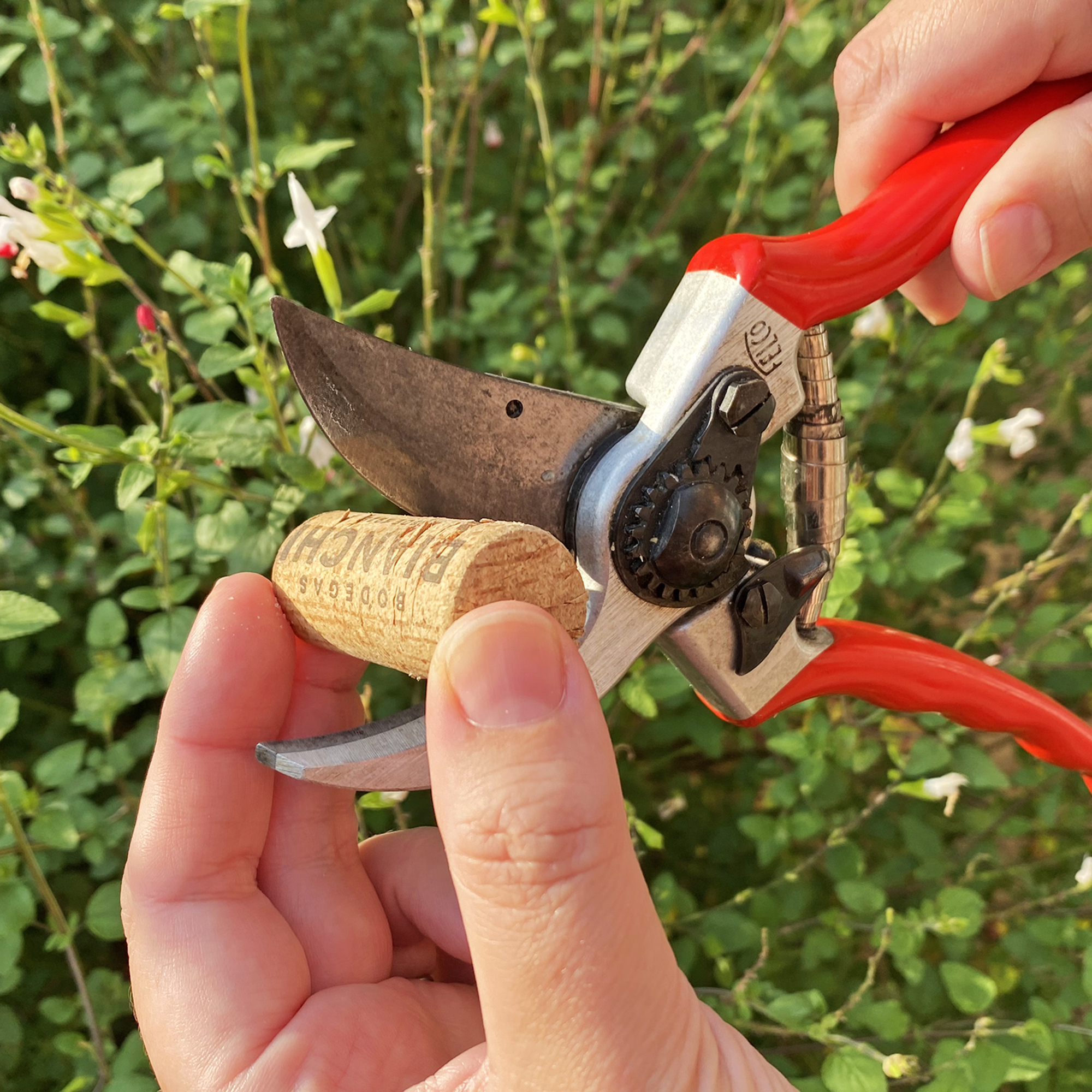
Cleaning garden pruners is important for their long life. Proper tools make the job easier and faster.
In this guide, learn about the essential cleaning supplies and optional protective gear you need.
Essential Cleaning Supplies
Having the right cleaning supplies is crucial. These tools help remove dirt and prevent rust.
- Soft cloth or sponge for wiping
- Dish soap to remove grime
- Rubbing alcohol for sanitizing
- Steel wool or wire brush for tough spots
- Lubricating oil to keep parts moving smoothly
Optional Protective Gear
Protective gear keeps you safe while cleaning. It is helpful but not always necessary.
- Rubber gloves to protect hands from chemicals
- Safety glasses to shield eyes from splashes
- Apron to keep clothes clean
Credit: www.gardeningknowhow.com
Preparing The Pruners
Cleaning garden pruners keeps them sharp and safe. Before cleaning, prepare the pruners well.
Start by making sure you have a clean workspace. This helps avoid losing small parts.
Disassembling The Blades
Disassembling the blades makes it easier to clean every part. Use a screwdriver or wrench to remove screws.
Keep all screws and parts in a small container. This stops them from getting lost while you clean.
Removing Dirt And Sap
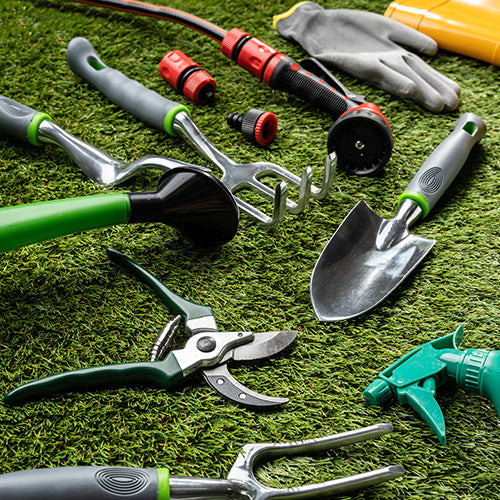
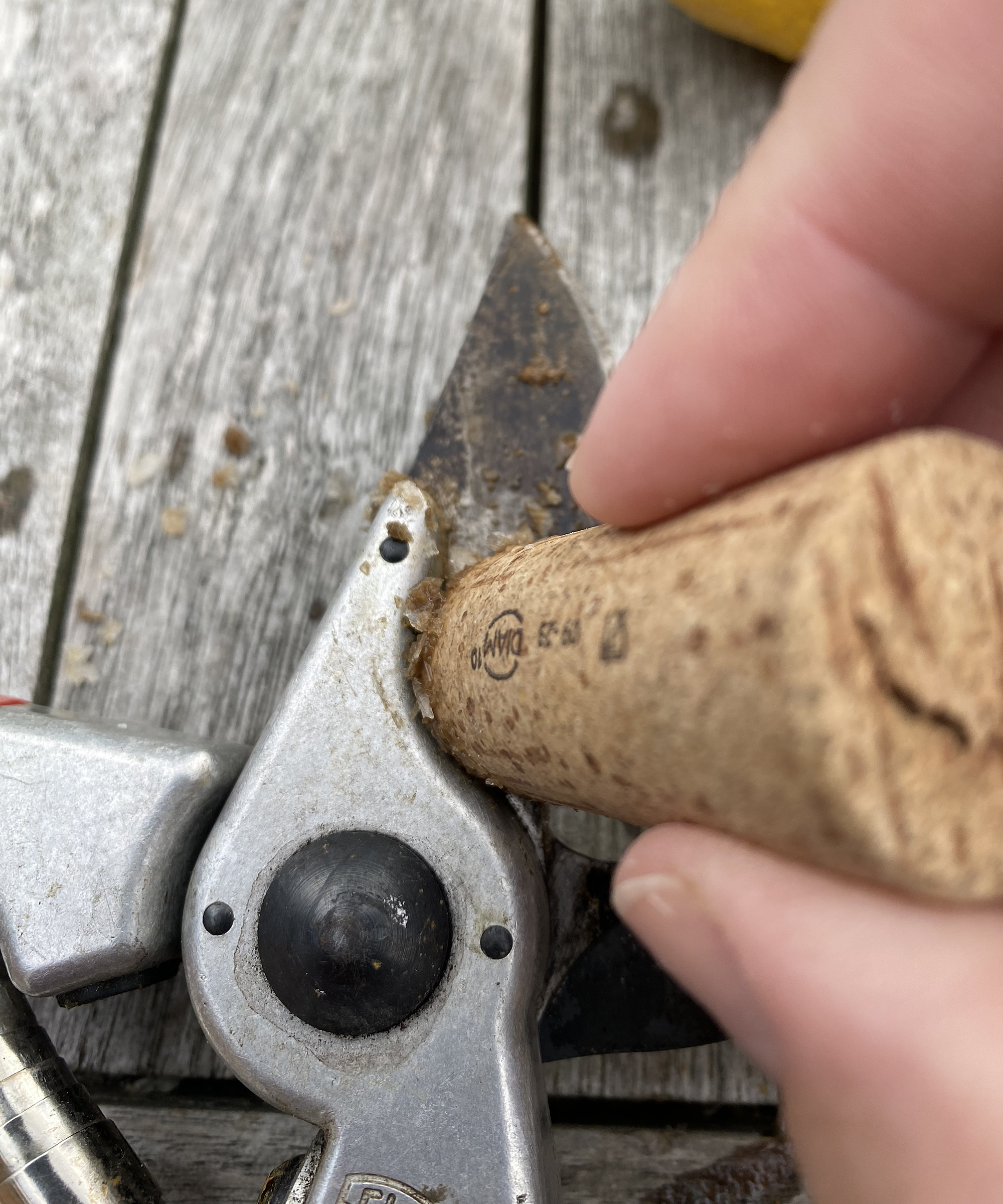
Remove dirt and sap by wiping the blades with a cloth. Use warm soapy water for sticky sap.
For tough sap, rub gently with rubbing alcohol or a specialized cleaner. Avoid using sharp tools that can damage the blades.
- Wipe blades with a soft cloth
- Use warm soapy water for dirt
- Apply rubbing alcohol for sticky sap
- Do not scrape with sharp objects
Cleaning Techniques
Keeping your garden pruners clean helps them work well and last longer. Dirt and sap can build up and cause rust.
Use simple cleaning techniques to remove grime and protect the blades. This guide shows easy ways to clean your pruners.
Soaking And Scrubbing
Soak your pruners in warm, soapy water to loosen dirt and sap. This makes scrubbing easier and safer.
After soaking, use a brush or old toothbrush to scrub the blades and handles. Focus on edges and joints.
- Fill a container with warm water and mild soap
- Soak pruners for 10-15 minutes
- Scrub with a soft brush to remove residue
- Rinse with clean water and dry thoroughly
Using Rubbing Alcohol
Rubbing alcohol kills germs and removes sticky sap. It also helps stop rust from forming on the blades.
Wipe the blades with a cloth soaked in rubbing alcohol. Make sure to clean all metal parts carefully.
- Pour rubbing alcohol on a clean cloth
- Wipe blades and metal joints thoroughly
- Let air dry or wipe with a dry cloth
- Use alcohol regularly after each use
Applying Lubricant
Lubricant keeps the pruner blades moving smoothly. It also protects metal parts from rust and wear.
Apply a few drops of oil or lubricant to the pivot and blades. Wipe off extra oil to avoid dirt buildup.
- Use light machine oil or garden tool lubricant
- Apply oil to pivot points and blade edges
- Open and close pruners to spread lubricant
- Wipe off excess oil with a clean cloth
Credit: mr-fothergills.co.uk
Sharpening The Blades
Keeping your garden pruners sharp makes cutting easier and safer. Sharp blades help prevent plant damage and keep your tools working longer.
This guide covers how to choose the right sharpener and the steps to sharpen your pruner blades properly.
Choosing A Sharpener
Not all sharpeners are good for garden pruners. Pick one that fits your blade type and skill level.
- Diamond files work well for fine edges and small blades.
- Sharpening stones are good for removing rust and reshaping blades.
- Electric sharpeners save time but may remove too much metal.
- Manual sharpening tools offer control but need practice.
Step-by-step Sharpening Process
Follow these steps to sharpen your garden pruner blades safely and effectively.
- Clean the blades with soapy water and dry them well.
- Secure the pruner in a clamp or hold it firmly.
- Use the sharpener to follow the blade’s original angle.
- Move the sharpener in one direction, away from the cutting edge.
- Sharpen both sides evenly to keep balance.
- Wipe off metal filings and apply oil to prevent rust.
- Test the blade by cutting a small branch.
| Tool | Best Use | Care Tip |
| Diamond File | Fine edges | Clean after use |
| Sharpening Stone | Rust removal | Soak before use |
| Electric Sharpener | Quick sharpening | Use gently |
| Manual Sharpener | Control | Practice first |
Preventing Rust
Garden pruners often get wet and dirty. Rust can damage the blades and make cutting hard.
Cleaning and drying pruners right keeps them sharp and rust-free for a long time.
Proper Drying Methods
After washing pruners, dry them well. Use a clean cloth to wipe off all water.
- Open the pruners fully to dry hard-to-reach areas.
- Use a soft towel or rag to remove moisture.
- Leave pruners open in a dry place for air drying.
- Avoid leaving pruners in damp or shaded spots.
- For extra care, apply a thin layer of oil after drying.
Storing Pruners Safely
| Storage Tip | Reason |
|---|---|
| Keep pruners in a dry toolbox or shed | Prevents moisture build-up and rust |
| Use blade covers or sheaths | Protects blades from dirt and damage |
| Store pruners open slightly | Allows air circulation to avoid dampness |
| Check pruners monthly | Spot rust early and clean if needed |
Maintenance Tips
Keeping garden pruners clean helps them last longer. It also makes cutting plants easier and safer.
Regular care prevents rust and damage. You can avoid big repairs with simple cleaning steps.
Regular Cleaning Schedule
Clean pruners after each use to stop sap and dirt build-up. This keeps blades sharp and smooth.
Use warm, soapy water and a brush to remove debris. Dry pruners well to prevent rust.
- Wipe blades with rubbing alcohol to kill germs
- Apply oil to hinges and blades to keep them moving
- Sharpen blades regularly for clean cuts
- Store pruners in a dry place
Signs Pruners Need Repair
Look for loose parts or blades that do not cut well. These signs show your pruners need fixing.
Rust or sticky blades make pruning hard and can hurt plants. Fix problems early to avoid bigger damage.
- Blades do not close fully or have gaps
- Cutting feels rough or uneven
- Handle is cracked or loose
- Blades are rusty or chipped
Credit: www.gardeningknowhow.com
Frequently Asked Questions
How Often Should I Clean Garden Pruners?
Clean your garden pruners after every use to prevent rust and disease spread. Regular cleaning keeps blades sharp and effective.
What Materials Are Best For Cleaning Pruners?
Use warm soapy water, rubbing alcohol, and a soft cloth. A wire brush helps remove stubborn sap and dirt.
Can I Use Household Disinfectants On Pruners?
Yes, household disinfectants like bleach solutions or alcohol kill harmful bacteria and fungi on blades. Always rinse and dry pruners afterward.
How Do I Prevent Rust On Garden Pruners?
Dry pruners thoroughly after cleaning and apply light oil to blades. Store them in a dry place to avoid moisture exposure.
Conclusion
Cleaning garden pruners keeps them sharp and rust-free. It helps your tools last longer and work better. Regular cleaning stops plant diseases from spreading. A quick wipe after use saves time later. Use simple soap, water, and oil for care.
Sharp blades make pruning easier and safer. Clean pruners mean healthier plants and happier gardening days. Small steps make a big difference in tool upkeep. Keep your pruners ready for the next cut. Simple habits protect your garden and your tools.