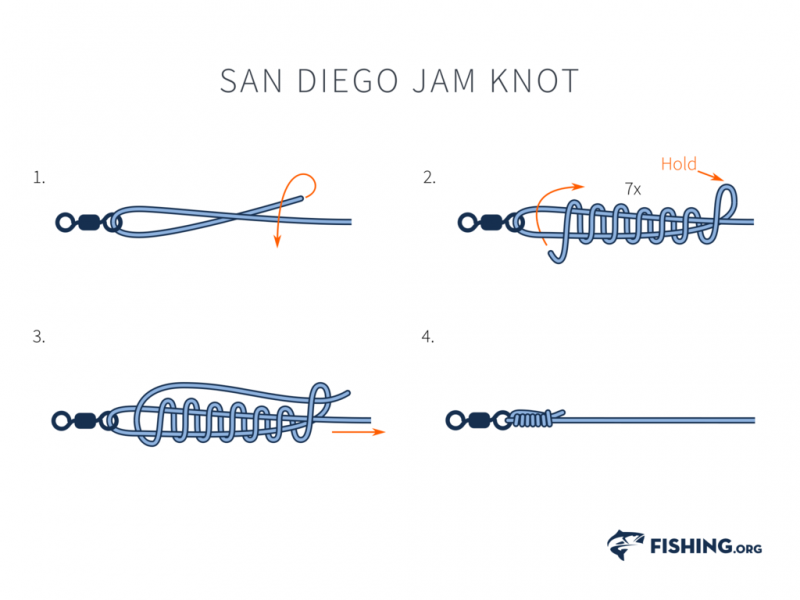
If you want to improve your fishing game, knowing how to tie a leader on your fishing line is a must. A strong, well-tied leader can make all the difference between landing a big catch or losing it at the last moment.
But if you’ve ever struggled with knots that slip or break, you’re not alone. You’ll discover simple, step-by-step instructions that anyone can follow. By the end, you’ll have the confidence to tie a leader that holds tight and helps you catch more fish every time you cast.
Ready to learn a skill that will change your fishing experience? Let’s dive in!

Credit: www.reddit.com
Choosing The Right Leader
The leader is an important part of your fishing line setup. It connects your main line to the hook or lure. Choosing the right leader helps you catch fish more effectively.
This guide explains different types of leaders, materials used, and the right length for your needs. Understanding these points will improve your fishing experience.
Types Of Leaders
- Monofilament: Common and flexible, good for general fishing.
- Fluorocarbon: Nearly invisible underwater, ideal for clear water.
- Wire: Strong and resistant to sharp teeth, used for predator fish.
- Copolymer: A mix of materials offering strength and low visibility.
Material Selection
| Material | Strength | Visibility | Best Use |
| Monofilament | Medium | Moderate | General fishing |
| Fluorocarbon | High | Low | Clear water fishing |
| Wire | Very High | High | Predator fish with sharp teeth |
| Copolymer | High | Moderate | Versatile use |
Leader Length Considerations
The length of your leader affects how natural your bait looks and how you handle fish. Short leaders give more control. Longer leaders reduce line visibility.
- Short leaders (6-12 inches) work well in heavy cover or fast water.
- Medium leaders (12-24 inches) suit most fishing conditions.
- Long leaders (24 inches or more) help in very clear water or shy fish.

Credit: www.reddit.com
Essential Tools And Materials
Tying a leader to your fishing line is key for a strong setup. Using the right tools makes the task easier. This guide covers what you need to prepare before you start.
Gathering the proper materials helps you create a reliable connection. The choice depends on the type of fishing and line you use.
Fishing Line Types
Leaders come in various materials and strengths. Choosing the right fishing line type is important for your fishing needs.
- Monofilament: Easy to handle and knots well.
- Fluorocarbon: Nearly invisible underwater and abrasion resistant.
- Wire: Best for sharp teeth fish and heavy cover.
Knots And Tying Tools
Strong knots keep your leader secure. Some tools help you tie knots quickly and tightly.
| Tool | Purpose |
| Needle Nose Pliers | Hold small parts and tighten knots |
| Line Clippers | Trim excess line cleanly |
| Loop Knot Tool | Assist in tying loop knots |
| Waterproof Marker | Mark knot positions on line |
Additional Accessories
Extra gear can improve your leader setup and fishing experience.
- Swivels: Prevent line twist and connect leader to main line.
- Crimps and Sleeves: Secure wire leaders with a tight fit.
- Leader Material Spools: Keep different types ready for quick changes.
- Small Containers: Store knots tools and accessories safely.
Step-by-step Tying Techniques
Learning to tie a leader on a fishing line is essential for successful fishing. It ensures a strong connection between your line and the lure.
This guide will walk you through basic and advanced knot techniques. Avoid common mistakes for a better fishing experience.
Basic Knot Methods
Basic knot methods are simple yet effective. They are perfect for beginners and ensure secure line attachment.
- Double your line and pass it through the hook eye.
- Tie a simple overhand knot but don’t tighten it yet.
- Pass the loop over the hook.
- Tighten the knot by pulling both ends.
Advanced Knot Options
Advanced knots provide extra strength for bigger catches. These knots are ideal for experienced anglers.
- Double your line and pass it through the hook eye.
- Tie a loose overhand knot.
- Pass the loop over the hook.
- Pull both ends to tighten.
Common Mistakes To Avoid
Avoiding mistakes can prevent line breakage and lost fish. Pay attention to these tips for a successful fishing day.
- Do not use wet or frayed lines.
- Avoid rushing through knot tying.
- Ensure knots are tightened properly.
- Regularly check your knots during fishing.
| Mistake | Solution |
| Loose knots | Double-check tightness |
| Wrong knot type | Choose based on fishing needs |
| Using old lines | Always use fresh lines |
Testing And Securing The Leader
After tying a leader to your fishing line, it is important to test and secure the connection. This step ensures the leader will hold strong under pressure while fishing.
Proper testing and tightening help prevent losing fish or gear. Take your time to check every knot carefully.
Strength Testing Tips
Pull on the leader and main line to check the knot’s strength. Pull slowly at first, then with more force.
If the knot slips or loosens, retie it. A strong knot will not move or break under pressure.
- Test by pulling the line firmly
- Look for any slipping or loosening
- Retie if the knot feels weak
Adjusting Tension
Keep the knot tight while securing it. Use your fingers to press the knot as you pull the line.
Proper tension keeps the knot neat and strong. Avoid over-tightening to prevent damaging the line.
- Hold the knot firmly while pulling the line
- Keep tension even on both sides
- Stop tightening if the line starts to weaken
Final Checks Before Fishing
Look closely at the knot and leader before fishing. Make sure there are no loose ends or frayed parts.
Check the leader’s length and position. Adjust it if needed to match your fishing style.
- Inspect the knot for tightness and neatness
- Trim any extra line ends carefully
- Confirm leader length fits your fishing needs
Tips For Different Fishing Conditions
Tying a leader on a fishing line depends on the fishing conditions. Different waters and fish need different approaches. Using the right leader helps catch fish and protects your gear.
Below are tips for freshwater and saltwater fishing, dealing with rough environments, and matching the leader to fish types.
Freshwater Vs Saltwater
Freshwater and saltwater fishing require different leader materials and knots. Saltwater is tougher on your line because of salt and bigger fish.
- Use fluorocarbon or monofilament leaders for freshwater fishing.
- Choose heavier, abrasion-resistant leaders like braided or coated lines in saltwater.
- Saltwater leaders often need corrosion-resistant knots and swivels.
- Check your leader often for damage in saltwater conditions.
Handling Abrasive Environments
Abrasive environments like rocky bottoms or coral reefs can damage your leader. Use strong, tough materials to avoid losing fish or gear.
| Environment | Recommended Leader Type | Key Feature |
|---|---|---|
| Rocky or Rubble Bottom | Fluorocarbon | High abrasion resistance |
| Coral Reefs | Coated Braided Line | Extra durability |
| Weedy Areas | Monofilament | Flexibility to avoid snags |
Adapting Leader To Fish Species
Different fish need different leader strengths and lengths. Use the right leader to avoid breakage and improve catch rates.
- For small fish, use lighter leaders with less length.
- Big fish need thicker, stronger leaders and longer lengths.
- Predatory fish require leaders that resist sharp teeth, like wire or heavy fluorocarbon.
- Adjust leader type based on fish behavior and habitat.
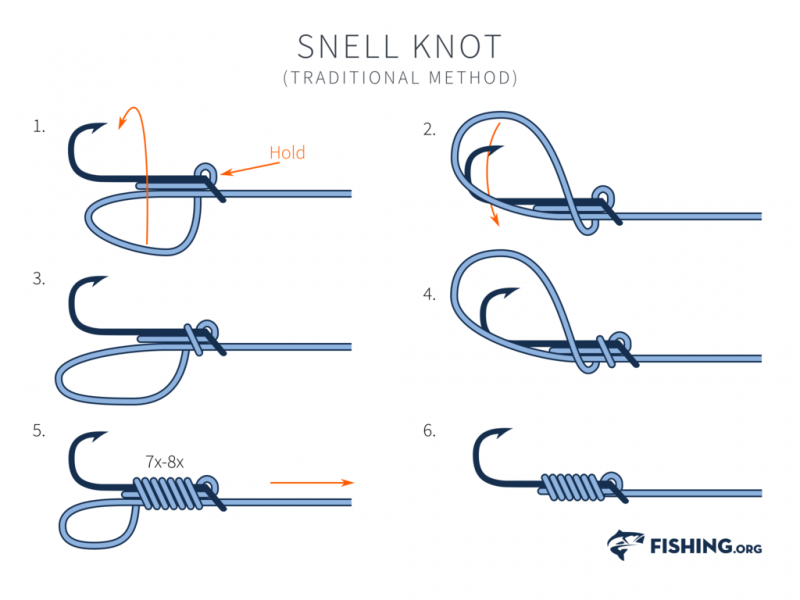
Credit: medium.com
Frequently Asked Questions
What Is A Leader In Fishing Line?
A leader is a strong, thin line attached to the main fishing line. It helps prevent fish from biting through and reduces visibility underwater. Leaders improve casting and increase catch success by providing extra strength and flexibility.
Why Is Tying A Leader Important?
Tying a leader ensures a secure connection between the main line and lure or hook. It prevents line breakage during fights with fish. Properly tied leaders improve bait presentation and increase overall fishing efficiency.
Which Knots Work Best For Leaders?
Popular knots for leaders include the Palomar, Double Uni, and Surgeon’s knot. These knots offer strong, reliable connections and are easy to tie. Choosing the right knot depends on line type and fishing conditions.
How Long Should A Fishing Leader Be?
Leaders typically range from 12 to 36 inches, depending on the fishing method. Shorter leaders suit clear water and cautious fish. Longer leaders work well in murky water or when targeting aggressive species.
Conclusion
Tying a leader on a fishing line is simple and useful. Practice a few times to get better. A strong knot helps catch more fish and keeps your gear safe. Use the right leader for your fishing style and water conditions.
Remember, patience and care make a big difference. Keep your lines neat and knots tight. Soon, you will enjoy fishing with confidence and success. Give it a try next time you go fishing!