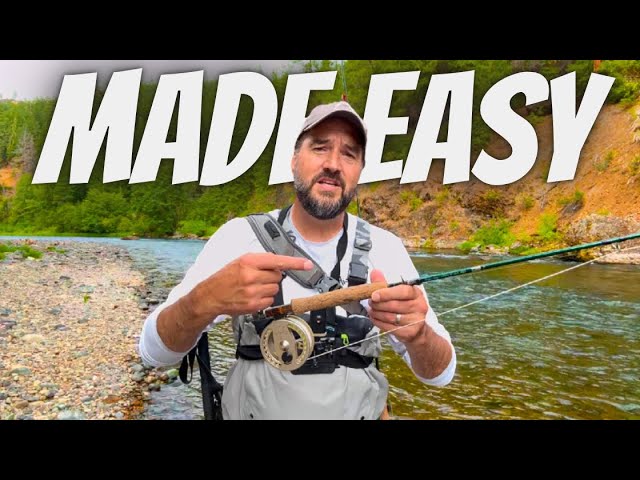
Have you ever stood by a river, ready to cast your fly fishing rod, but felt unsure about how to make that perfect, smooth throw? Learning how to cast a fly fishing rod can seem tricky at first, but once you get the hang of it, it opens up a whole new world of fishing enjoyment.
In this guide, you’ll discover simple, clear steps that help you master the cast quickly. Whether you’re a complete beginner or want to improve your technique, this article will give you the confidence to cast like a pro. Keep reading, and soon you’ll be turning every cast into a chance to catch your next big fish.
Choosing The Right Fly Rod
Picking the right fly rod is key to successful fly fishing. The rod affects your casting and how you control the line.
A good rod feels comfortable in your hand. It matches the fish you want to catch and the water you fish in.
Rod Types And Sizes
Fly rods come in many types and sizes. Each type fits a fishing style or environment.
Rods are measured by length and weight. Length affects how far you can cast. Weight matches the line and fish size.
- Length:Usually 7 to 10 feet long
- Weight:Number from 1 to 14; higher means heavier fish
- Action:Fast or slow bend affects casting style
- Material:Graphite rods are common and light
Matching Rod To Fishing Conditions
Choose a rod that fits the water and fish you target. Small streams need shorter rods. Big rivers need longer rods.
Consider the fish size and type. Light rods work for small fish like trout. Heavy rods handle big fish like bass.
- Small streams: 7-8 foot, 3-5 weight rod
- Large rivers: 9-10 foot, 6-8 weight rod
- Saltwater fishing: 9+ foot, 8-14 weight rod
- Big fish need stronger rods and heavier lines

Credit: www.reddit.com
Essential Fly Fishing Gear
Fly fishing needs special gear to work well. You need the right rod, line, reel, and flies.
Choosing good gear helps you cast better and catch more fish.
Selecting The Best Fly Line
The fly line helps you cast the fly far and with control. It must match your rod’s weight.
There are different types of fly lines for different fishing styles and water conditions.
- Weight forward lines are good for long casts.
- Double taper lines work well for delicate presentations.
- Floating lines keep flies on the surface.
- Sinking lines help reach deep fish.
Choosing The Proper Reel
The reel holds your line and helps control the fish. It should balance with your rod.
Look for a reel with a smooth drag system to avoid line breaks during fights.
- Reels come in different sizes for different rod weights.
- Choose reels made from strong, lightweight materials.
- Check if the drag is adjustable and works smoothly.
Picking The Right Fly
Flies imitate insects and other food fish eat. Picking the right fly helps catch more fish.
Use flies that match the insects in the water where you fish.
- Dry flies float on the water surface.
- Nymphs sink below the surface and imitate larvae.
- Streamers look like small fish or bait.
- Use different sizes and colors to find what works best.
Basic Casting Techniques
Fly fishing is both an art and a science. Learning basic casting techniques can improve your fishing experience. Let’s explore the essentials of casting a fly fishing rod.
Mastering the grip, stance, forward cast, and back cast is vital. These skills help you present your fly accurately and gently.
Grip And Stance
Hold the rod like a handshake. Your thumb should be on top of the grip. This position gives control and accuracy. Keep your grip firm but relaxed.
Stand with your feet shoulder-width apart. Your weight should be balanced. This stance allows for smooth and controlled movements.
The Forward Cast
Begin with the rod tip low. Accelerate the rod forward with a smooth motion. Stop the rod abruptly at eye level. This motion propels the line forward.
The line should unroll in the air. Aim to land the fly softly on the water. Practice makes this motion more natural.
The Back Cast
The back cast is the opposite of the forward cast. Start with the rod tip low. Quickly lift the rod backward. Stop the rod at the 1 o’clock position.
The line should straighten behind you. Watch the line to avoid tangles. A good back cast sets up a successful forward cast.
Advanced Casting Skills
Fly fishing requires skill and practice for a smooth cast. Advanced casting helps you reach difficult spots. It also improves accuracy and line control.
This guide covers three advanced casts: roll cast, sidearm cast, and mend casting. Each cast has unique uses and techniques.
Roll Cast
The roll cast is useful when you have little room behind you. It keeps the line close to the water and avoids snags.
- Start with the line on the water in front of you.
- Lift the rod slowly to form a D loop with the line.
- Use a smooth forward stroke to send the line out.
- Stop the rod sharply to let the line fly forward.
- Lower the rod tip to control the line’s landing.
Sidearm Cast
The sidearm cast works well in windy conditions and under low branches. It keeps the line low and flat over the water.
| Action | Tip |
| Grip rod firmly | Use your dominant hand for control |
| Keep rod low | Keep it close to horizontal |
| Cast sideways | Move rod left to right or right to left |
| Use short strokes | Avoid long, high loops |
| Watch line path | Keep line tight and close to water |
Mend Casting
Mend casting helps control the fly line after the cast. It improves drift and reduces drag on the fly.
Common mend types:
- Upstream mend:Lift the line upstream to slow the drift.
- Downstream mend:Push the line downstream to speed the drift.
- Double mend:Use two mends in opposite directions for tricky currents.
Perform mends by gently lifting or pushing the line with the rod tip without moving the fly.
Common Casting Mistakes
Fly fishing casting takes practice and skill. Many beginners make simple mistakes that affect their cast.
Fixing common errors helps improve accuracy and distance. Learn about these mistakes to cast better.
Overcasting And Undercasting
Overcasting happens when you cast too far. It wastes energy and can cause the line to tangle.
Undercasting means not casting far enough. This limits where your fly lands and reduces fishing chances.
- Overcasting often pulls the rod too hard.
- Undercasting uses too little rod movement.
- Both affect the line’s smooth flow.
Poor Timing
Poor timing happens when the rod moves too fast or too slow. This stops the line from unrolling well.
Good timing means stopping the rod at the right moment. This lets the line form a neat loop in the air.
- Start the forward cast smoothly.
- Stop the rod sharply to let the line fly.
- Practice slow and fast casts to find rhythm.
Improper Rod Loading
Rod loading means bending the rod to store energy. Improper loading makes the cast weak or rough.
If you don’t bend the rod enough, the cast lacks power. Too much bend can break the rod or line.
- Use smooth, gradual rod movement.
- Feel the rod bend during the cast.
- Match rod bend with the line weight.
Improving Accuracy And Distance
Casting a fly fishing rod well helps you catch more fish. Accuracy and distance are key skills to improve.
Better control of your line and power makes your casts more precise and longer.
Line Control Techniques
Controlling the line helps you place the fly where fish are likely to bite. Smooth line handling leads to better casts.
Keep a relaxed grip on the rod and avoid jerky movements. Practice letting the line flow freely during the cast.
- Use your fingers to feel and guide the line
- Keep the line tight but not too tight
- Watch the line’s path to avoid tangles
Adjusting Casting Power
Changing your casting power controls how far the fly travels. Use less power for short casts and more for long casts.
Start with a smooth, steady motion. Increase power by speeding up the rod tip and stopping sharply at the end of the cast.
- Light power for close targets
- Medium power for moderate distances
- Strong power for long casts
Using Targets For Practice
Practice casting by aiming at targets. Targets help you focus on accuracy and improve line control.
Start with large targets and move to smaller ones as you get better. This trains your eye and hand coordination.
- Place floating targets on the water
- Use colored markers on land
- Try casting to different distances and angles
Casting In Different Environments
Casting a fly fishing rod changes with each environment. Different conditions need different techniques. Learning these helps you fish better.
This guide covers casting in windy conditions, tight spaces, and on moving water. Each section explains what to do for success.
Casting In Windy Conditions
Wind can push your fly line off target. Use a shorter, controlled cast to reduce the wind’s effect. Keep the rod low and make smooth strokes.
- Use heavier flies to fight the wind
- Make roll casts instead of overhead casts
- Keep your line close to the water
- Watch the wind direction before casting
Fishing In Tight Spaces
Tight spaces need careful casting. Use short, gentle casts to avoid snagging trees or bushes. A sidearm cast can help in narrow spots.
| Cast Type | Best Use |
| Sidearm Cast | When overhead space is limited |
| Roll Cast | When you cannot do a full back cast |
| Pitch Cast | For short, accurate placement |
Casting On Moving Water
Moving water changes how your fly drifts. Cast upstream and let the fly float naturally. Avoid drag by matching the water speed.
Tips for casting on moving water:
- Cast slightly upstream
- Use a mend to control the line
- Watch the fly for natural movement
- Adjust your position for better angles

Credit: www.youtube.com
Practice Drills For Quick Mastery
Practice is key to improving your fly fishing cast. Simple drills help build control and confidence. Focus on small, repeatable moves to get better fast.
This guide covers drills for short casts, precision, and timing. Each drill trains a specific skill to improve your overall casting technique.
Short Distance Casting
Start by practicing casts over short distances. This drill improves your accuracy and helps you learn rod control. Stand about 10 feet from your target.
- Focus on smooth rod movement from back to front.
- Keep the line tight and controlled.
- Aim to land the fly softly on the water or target.
- Repeat until you can cast with little splash.
Precision Casting Exercises
Precision casting helps place the fly exactly where you want it. Practice aiming for small targets to improve control and accuracy.
| Target Type | Distance | Goal |
| Floating ring | 15 feet | Land fly inside the ring |
| Small bucket | 20 feet | Hit the bucket rim |
| Leaf on water | 10 feet | Place fly gently on leaf |
Timing And Rhythm Drills
Good timing keeps the line moving smoothly. Practice casting with a steady rhythm to avoid slack or jerks. This drill helps with timing and fluid motion.
Try this simple timing drill:
- Raise the rod smoothly in 2 seconds.
- Pause briefly at the top of the back cast.
- Lower the rod forward in 2 seconds.
- Repeat while counting out loud.
- Focus on even speed and smooth stops.
Tips From Expert Fly Fishers
Casting a fly fishing rod takes practice and good technique. Experts share simple tips to help you improve your cast. These tips focus on control, patience, and care for your gear.
Use these expert tricks to get better at fly fishing. Learn to avoid common mistakes and keep your equipment in top shape for every trip.
Common Expert Tricks
Good casting starts with a smooth, steady motion. Experts say to keep your wrist firm but flexible. Watch your line and rod tip carefully as you cast.
- Keep your elbow close to your body for better control.
- Use your whole arm, not just your wrist, for longer casts.
- Pause briefly at the end of each cast to let the line unfold.
- Practice gentle false casts to improve timing and accuracy.
- Keep your line tight to feel the fish’s bite faster.
Avoiding Frustration
Fly fishing can be tough at first. Experts remind beginners to stay patient and enjoy small successes. Avoid rushing your casts or getting upset when things go wrong.
- Start with short casts to build confidence.
- Practice in open spaces without obstacles.
- Watch other anglers and learn from their style.
- Take breaks if you feel tired or frustrated.
- Ask for advice from experienced fishers.
Maintaining Your Equipment
Experts say keeping your rod and line clean extends gear life. Check your equipment before each trip to avoid problems on the water.
| Task | How Often | Tips |
| Clean rod and reel | After every use | Wipe with fresh water and dry well |
| Check line for damage | Before each trip | Look for cracks or frays |
| Lubricate reel parts | Monthly | Use reel oil sparingly |
| Store rod properly | When not in use | Keep in rod tube or case |

Credit: www.youtube.com
Frequently Asked Questions
What Is The Best Way To Cast A Fly Fishing Rod?
The best way to cast a fly fishing rod is using the overhead cast technique. It involves smooth back and forward rod movements. This method helps control the line and fly placement accurately. Practice timing and rhythm to improve your casting distance and accuracy.
How Do I Avoid Tangling My Fly Fishing Line?
To avoid tangling your fly fishing line, keep it straight during casting. Use smooth, controlled movements and avoid abrupt stops. Regularly check for twists and slack in the line. Properly maintaining your reel and line also reduces tangling risks.
When Should I Use Roll Casting In Fly Fishing?
Use roll casting when you have limited space behind you or near obstacles. It’s ideal for fishing in tight areas like rivers with trees. Roll casting helps reposition the line without a backcast, making it efficient in confined environments.
How Can I Improve My Fly Casting Accuracy?
Improve fly casting accuracy by practicing consistent rod angles and smooth line releases. Focus on controlling your wrist and elbow movements. Regularly practice short casts before attempting longer distances. Visualize your target to enhance precision.
Conclusion
Casting a fly fishing rod takes practice and patience. Start slow and focus on your form. Keep your movements smooth and steady. Remember to watch the line and adjust as needed. Each cast helps you improve your skill. Enjoy the process and the time outdoors.
Soon, you will feel more confident by the water. Fly fishing can be relaxing and fun. Keep practicing, and you will catch more fish.