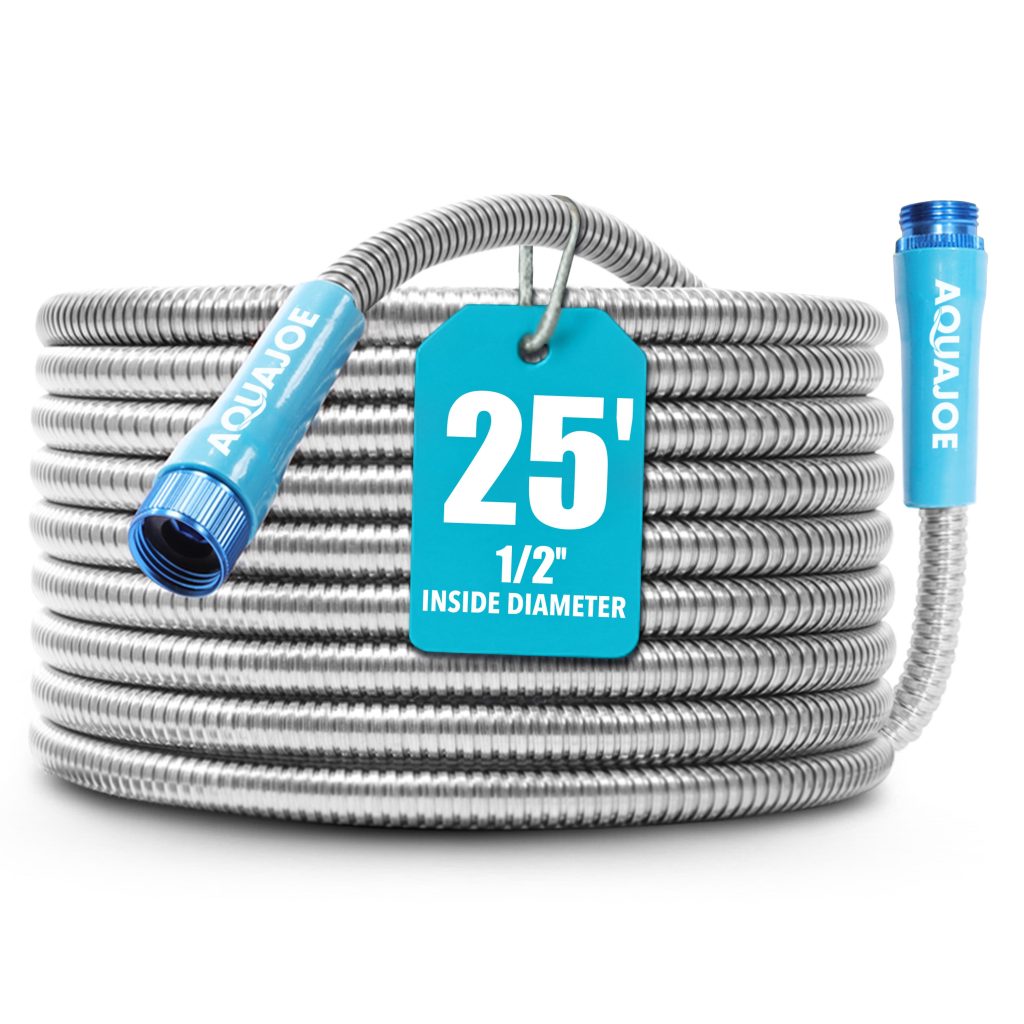
Have you ever wondered why your garden hose sometimes feels too weak or why water pressure drops when you’re watering your plants? The secret often lies in one simple factor: the diameter of your garden hose.
Understanding this can change the way you water your garden and save you time and effort. You’ll discover exactly what garden hose diameter means, why it matters, and how to choose the right size for your needs. Keep reading, because getting this right could make all the difference in your gardening experience.

Credit: everpeaktools.com
Common Garden Hose Diameters
Garden hoses come in various diameters to fit different watering needs. Choosing the right diameter helps water flow properly.
The diameter affects the water pressure and how much water passes through the hose.
Standard Sizes
Most garden hoses follow standard diameter sizes. These sizes fit common outdoor faucets and attachments.
| Diameter (inches) | Common Use |
| 1/2″ | Small watering tasks, light flow |
| 5/8″ | General household use, most popular size |
| 3/4″ | High water flow, larger gardens |
Specialty Sizes
Some hoses have specialty diameters for unique needs. These sizes are less common but useful in certain cases.
- 1/4″ hoses for drip irrigation or small tools
- 1″ or larger hoses for commercial or industrial use
- Expandable hoses with flexible diameters
How Diameter Affects Water Flow
The diameter of a garden hose changes how water moves through it. A wider hose lets more water flow easily.
A smaller diameter limits water flow and can reduce pressure at the end of the hose.
Flow Rate And Pressure
Flow rate means how much water passes through the hose per minute. A bigger diameter increases the flow rate.
Pressure is the force of water coming out. Smaller hoses cause more pressure loss because water faces more resistance.
- Large diameter = higher flow rate, less pressure loss
- Small diameter = lower flow rate, more pressure loss
- Pressure affects how far water sprays from the hose
Impact On Watering Efficiency
A hose with the right diameter waters plants faster and better. It saves time and effort.
If the hose is too narrow, watering can take longer. Plants may not get enough water at once.
- Wider hoses help cover larger garden areas quickly
- Smaller hoses work well for light watering or small gardens
- Choose diameter based on your garden size and water needs
Choosing The Right Hose Diameter
Garden hoses come in different diameters. Selecting the right one is important. It affects water flow and pressure.
The diameter you choose depends on your gardening needs. It can make watering plants easier and more efficient.
Matching Hose To Task
Different tasks need different hose diameters. A larger diameter can carry more water. This is useful for large areas.
- 1/2 inch: Suitable for light watering and small gardens
- 5/8 inch: Ideal for most gardens and general use
- 3/4 inch: Best for large areas and high water flow
Considering Hose Length
Hose length also matters. Longer hoses may reduce water pressure. Choose a length that fits your garden size.
| Garden Size | Recommended Hose Length |
| Small (up to 50 feet) | 25 to 50 feet |
| Medium (50 to 100 feet) | 50 to 75 feet |
| Large (over 100 feet) | 100 feet or more |
Measuring Your Garden Hose Diameter
Knowing the diameter of your garden hose helps you find the right connectors and accessories. It also affects water flow and pressure.
Measuring your garden hose diameter is simple. You only need a few tools and a little time.
Tools Needed
Gather the right tools before you start measuring. This makes the process easy and accurate.
- Measuring tape or ruler
- Caliper (optional for more accuracy)
- Pen and paper to note measurements
- Clean cloth to wipe the hose
Step-by-step Measurement
First, clean the hose end to remove dirt. This gives a clear edge for measuring.
Next, measure the outside diameter across the hose’s circular end. Use a caliper or ruler for this.
- Place the hose on a flat surface
- Use the measuring tape or caliper across the widest part
- Note the measurement in inches or millimeters
- Measure the inside diameter by looking inside the hose opening
The inside diameter is the space water flows through. This size is important for fittings.
Impact Of Hose Diameter On Durability
The diameter of a garden hose affects how long it lasts. A wider hose often has thicker walls. This can help it resist damage better.
Understanding how diameter relates to durability helps you choose the right hose for your needs. Let’s look at two key factors: material thickness and wear and tear.
Material Thickness
Hose diameter affects the thickness of the hose walls. Larger diameters usually mean thicker material. Thick walls improve strength and pressure handling.
| Hose Diameter | Wall Thickness | Durability |
|---|---|---|
| 1/2 inch | Thin | Lower |
| 5/8 inch | Medium | Good |
| 3/4 inch | Thick | High |
Wear And Tear
Smaller diameter hoses often wear out faster. They are more prone to kinks and cracks. Larger diameters help reduce these issues by spreading pressure evenly.
- Thicker hoses resist cuts and abrasions better.
- Larger diameter hoses handle higher water pressure safely.
- Smaller hoses may burst under heavy use.
- Proper storage lengthens hose life regardless of size.
Fittings And Compatibility
The diameter of a garden hose affects the type of fittings you need. Choosing the right fittings ensures the hose connects well to faucets and tools.
Fittings come in different sizes to match hose diameters. Knowing these sizes helps you find parts that fit perfectly.
Standard Connector Sizes
Garden hoses usually have standard connector sizes. These sizes match the hose diameter to create a tight seal.
- 1/2 inch connectors fit smaller hoses for light watering tasks
- 5/8 inch connectors are the most common size for general use
- 3/4 inch connectors fit larger hoses for heavy watering and high flow
These sizes ensure most hoses work with standard outdoor faucets and spray nozzles.
Adapters For Different Diameters
Adapters help connect hoses of different diameters. They also allow hoses to fit non-standard fittings.
- Reducer adapters connect a larger hose to a smaller fitting
- Expander adapters let a smaller hose fit a larger connector
- Thread adapters change the type of threading on the fitting
Using adapters can increase your hose’s compatibility with many tools and water sources.
Tips For Maintaining Hose Performance
Knowing the diameter of your garden hose helps you keep it working well. A good hose delivers water smoothly and lasts longer. Taking care of your hose stops problems like leaks and blockages.
Regular maintenance protects your hose and makes watering easier. Follow simple tips to keep your hose in top shape all year.
Preventing Kinks And Leaks
Kinks can block water flow and damage the hose. Avoid sharp bends and twists to stop kinks. Leaks waste water and reduce pressure. Check your hose often for small holes or cracks.
Fix leaks quickly with hose repair kits. Use hose washers to stop leaks at connectors. Keep the hose straight when you use it.
- Unroll the hose fully before use
- Do not drag the hose over rough surfaces
- Check connectors for tight fit
- Replace worn-out washers
- Use a hose reel or hanger
Proper Storage Methods
Store your hose in a dry, cool place to prevent damage. Avoid leaving it under the sun for long hours. Heat can weaken the hose material and cause cracks.
Drain water from the hose before storing it. Water left inside can freeze and expand in cold weather. Coil the hose loosely to keep its shape and avoid kinks.
- Use a hose reel or storage container
- Keep hose away from sharp objects
- Store hose off the ground
- Drain water before winter storage
- Check hose condition before next use
Credit: www.amazon.ca
Credit: www.walmart.ca
Frequently Asked Questions
What Is The Standard Diameter Of A Garden Hose?
The standard garden hose diameter is 5/8 inch. This size balances water flow and ease of use. It fits most household faucets and accessories.
How Does Hose Diameter Affect Water Pressure?
A larger diameter hose delivers more water but lowers pressure. A smaller diameter increases pressure but reduces flow rate. Choose size based on your watering needs.
Are There Common Garden Hose Diameter Sizes?
Yes, common sizes include 1/2 inch, 5/8 inch, and 3/4 inch. Each suits different watering tasks and water flow requirements.
Which Hose Diameter Is Best For High Water Flow?
A 3/4 inch diameter hose is best for high water flow. It supports greater water volume for large gardens or heavy-duty tasks.
Conclusion
Choosing the right garden hose diameter affects water flow and pressure. A smaller diameter delivers less water but is lighter and easier to handle. Larger diameters provide stronger water flow but can be heavier. Knowing your watering needs helps pick the best size.
This keeps your garden healthy and saves water. Remember, the diameter matters for efficiency and convenience. Use this guide to make smart decisions for your garden hose. Your plants will thank you.