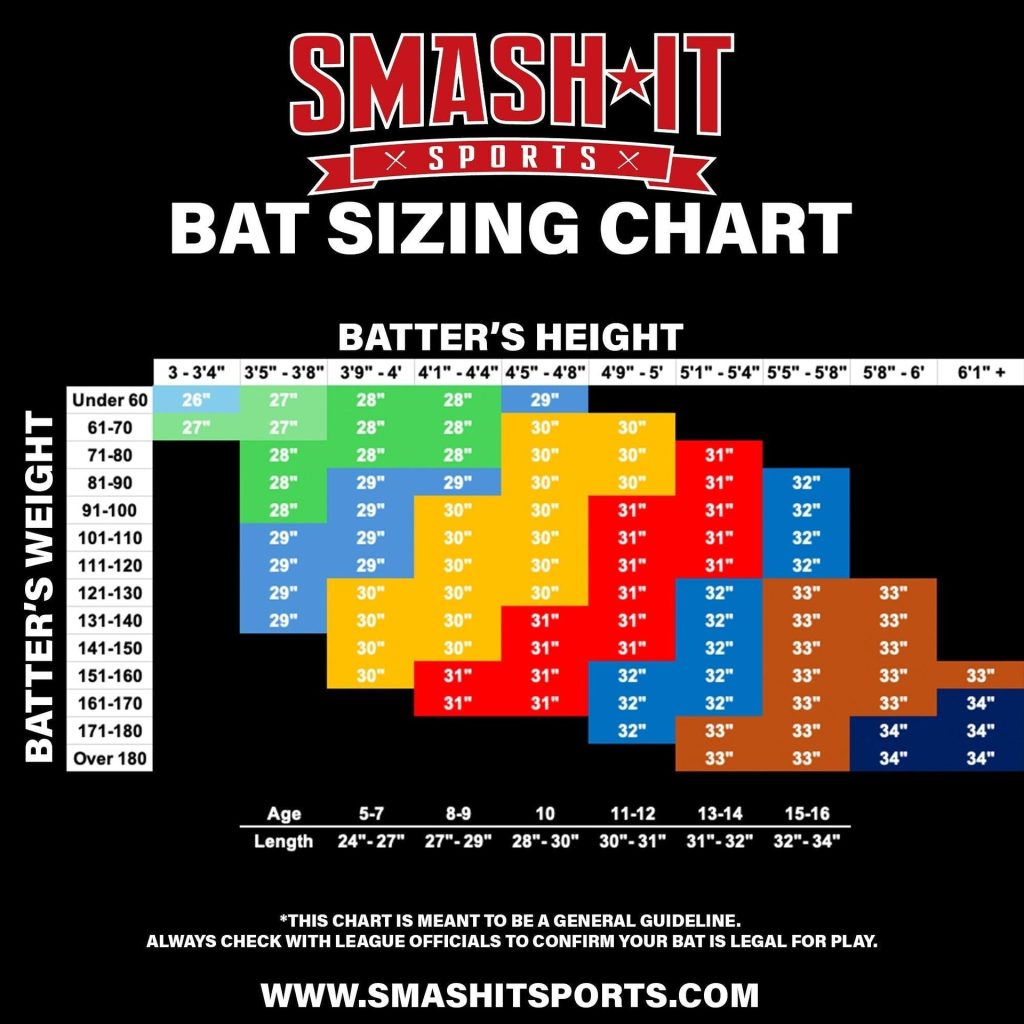
Choosing the right youth baseball bat can make a huge difference in your game. But how do you know if a bat fits you perfectly?
Measuring for a youth baseball bat is easier than you think, and getting it right means better control, more power, and less chance of injury. In this guide, you’ll learn simple steps to find the perfect bat size that matches your height, weight, and strength.
Keep reading—you’re just moments away from hitting home runs with confidence!

Credit: www.betweenthelinesaz.com
Choosing The Right Bat Length
Picking the right bat length is important for young baseball players. The correct size helps improve swing control and comfort.
A bat that is too long or too short can affect performance and safety. Use simple ways to find the best length for each player.
Using Height As A Guide
Height is a quick way to estimate bat length. Taller players usually need longer bats, while shorter players need shorter bats.
Measure the player’s height and compare it to a bat length chart. This helps narrow down good bat sizes to try.
- Players 3’6” to 4’0” usually use a 24-26 inch bat
- Players 4’1” to 4’6” often use a 27-29 inch bat
- Players 4’7” to 5’0” may use a 30-32 inch bat
Considering Age And Skill Level
Age helps decide the bat size, but skill level matters too. Beginners may prefer shorter bats for easier control.
Advanced players might handle longer bats to hit with more power. Choose bats that match both age and experience.
- Young beginners: shorter bats for better control
- Older beginners: medium length for balance
- Skilled players: longer bats for power swings
Testing Different Lengths
Trying out different bat lengths helps find the best fit. Players should swing several bats to feel comfort and control.
Look for a bat that feels balanced and not too heavy. The right length lets players swing smoothly and hit well.
- Hold the bat straight out to the side
- The tip should reach between the player’s waist and hip
- Make sure the player can swing without strain
- Pick the bat that feels easiest to control

Credit: www.amazon.ca
Selecting The Proper Bat Weight
Choosing the right bat weight is important for youth baseball players. The right weight helps improve swing speed and control. It makes playing more enjoyable and effective.
Players should consider their strength and skill level when picking a bat weight. A bat that is too heavy or too light can affect performance.
Understanding Weight Drop
Weight drop is the difference between the bat’s length and weight. It is shown as a negative number, like -10 or -12. A lower number means a heavier bat.
Younger players often use bats with a bigger weight drop. This means the bat is lighter and easier to swing. Older or stronger players might choose a smaller weight drop for more power.
- A -10 drop means the bat weighs 10 ounces less than its length in inches.
- More negative drop means a lighter bat.
- Choosing the right drop helps balance swing speed and power.
Balancing Swing Speed And Control
Players need to find a bat weight that lets them swing fast and control the bat well. A heavy bat can slow the swing and reduce control. A light bat swings faster but may lose power.
Good control helps players hit the ball accurately. Swing speed helps hit the ball with force. Both are important to improve hitting skills.
- Choose a weight that feels comfortable to swing.
- Practice swinging to see if you can control the bat.
- Faster swings often lead to better hits.
Trying Various Weights
Test different bat weights before buying. Swinging several bats helps find the best fit. Pay attention to how each weight feels during swings.
Coaches or parents can help by timing swings or watching control. Trying different weights helps avoid choosing a bat that is too heavy or too light.
- Start with a lighter bat to build confidence.
- Gradually try heavier bats to add power.
- Pick the bat that feels best for both speed and control.
Measuring Your Child For A Bat
Choosing the right baseball bat is important for young players. It helps improve their swing and performance. To get the right size, measure your child’s height, arm length, and hand size.
These measurements ensure the bat fits well and is easy to handle. Follow the steps below to measure your child accurately.
How To Measure Height Accurately
Height is a key factor in selecting the right bat length. Measure your child while they stand straight against a wall.
- Have your child remove shoes.
- Make sure their back is straight.
- Use a tape measure from floor to top of head.
- Note the height in inches or centimeters.
Checking Arm Length
Arm length helps determine the bat’s reach. Measure from the center of the chest to the tip of the fingers.
| Age Group | Average Arm Length |
| 5-7 years | 18-20 inches |
| 8-10 years | 21-23 inches |
| 11-13 years | 24-26 inches |
Determining Hand Size
Hand size affects grip strength and comfort. To measure, use a ruler across the palm.

Credit: www.reddit.com
Factors Affecting Bat Fit
Choosing the right youth baseball bat depends on several important factors. These factors help ensure the bat fits the player well and improves their performance.
Understanding these factors can guide players and parents to select the best bat size and type for their needs.
Player’s Strength And Swing Style
The player’s strength and how they swing affect the bat fit. Stronger players can handle heavier bats. Lighter bats help players with a faster swing speed.
- Stronger players may prefer a heavier bat for power.
- Players with quick swings benefit from lighter bats for control.
- Balanced bats suit players who want a mix of speed and power.
- Players who swing with more wrist action might prefer thinner handles.
League Regulations And Restrictions
Each league has rules about bat length, weight, and material. These rules keep the game fair and safe for all players.
| League | Max Bat Length | Max Drop Weight | Allowed Materials |
|---|---|---|---|
| Little League | 33 inches | -8 | Wood, Aluminum |
| USSSA | 34 inches | -10 | Composite, Aluminum |
| Cal Ripken | 33 inches | -5 | Wood, Aluminum |
Material And Grip Preferences
Bat materials affect weight and feel. The grip affects comfort and control. Players should find what feels best for them.
Common materials and grip types include:
- Wood:Traditional feel, heavier weight.
- Aluminum:Lightweight, durable, good for power.
- Composite:Light with less vibration, but more expensive.
- Rubber Grip:Soft, absorbs shock well.
- Foam Grip:Lightweight, provides extra comfort.
Testing The Bat Fit In Practice
Trying out a youth baseball bat in practice helps find the right fit. It shows how the bat feels during real swings and game actions.
Testing the bat fit helps players improve comfort and control. It also reduces the chance of injury by using the right size and weight.
Swinging Techniques To Assess Fit
Use different swings to check the bat’s fit. Try full swings, half swings, and quick wrist flips. Notice how the bat moves and feels.
- Perform slow full swings to feel the bat’s balance.
- Use half swings to test control and accuracy.
- Try wrist flips to check the bat’s weight in your hands.
- Practice bunt swings to see how the bat reacts in close contact.
Adjusting Based On Comfort And Performance
Comfort is key when choosing a bat. If the bat feels too heavy or long, try a lighter or shorter model. Watch how your swing speed and power change.
| Bat Feature | Signs to Adjust | Adjustment Tips |
| Weight | Arm fatigue or slow swing | Choose a lighter bat |
| Length | Difficulty controlling bat | Try a shorter bat |
| Grip | Hands slip or feel sore | Use grip tape or a different handle |
| Balance | Bat feels awkward or off-center | Test end-loaded or balanced bats |
Getting Feedback From Coaches
Coaches offer useful advice about bat fit. They can watch your swing and give tips to improve comfort and performance.
Ask coaches to check these points:
- Does the player swing smoothly with the bat?
- Is the player able to control the bat well?
- Does the bat weight affect the player’s balance?
- Are there signs of strain or discomfort?
Tips For Maintaining Your Youth Baseball Bat
Keeping your youth baseball bat in good shape helps it last longer. Proper care improves performance during games.
Simple maintenance steps can prevent damage and keep your bat safe for use each season.
Proper Storage And Handling
Store your bat in a cool, dry place to avoid warping or cracking. Avoid leaving it in hot cars or damp areas.
Handle your bat with care. Do not throw or drop it, as this can cause dents or cracks.
- Keep bat away from extreme heat or cold
- Use a bat sleeve or bag for extra protection
- Do not lean the bat against hard surfaces
Regular Inspection For Damage
Check your bat often for cracks, dents, or loose parts. Early spotting of damage prevents bigger problems.
Look closely at the barrel, handle, and grip area before and after each use.
- Inspect barrel for dents or cracks
- Check handle for splinters or warping
- Make sure grip is secure and not peeling
Cleaning And Grip Replacement
Keep your bat clean by wiping it with a damp cloth after each use. Dirt and dust can wear it down.
Replace the grip if it feels slippery or worn out. A good grip helps with control and comfort.
- Use mild soap and water for cleaning
- Dry the bat thoroughly before storing
- Buy grips that fit your bat size
- Change grip regularly for best hold
Frequently Asked Questions
How Do You Measure Height For A Youth Baseball Bat?
Measure your child’s height using a tape measure. Stand straight against a wall without shoes. Record height in inches for accurate bat length recommendations.
What Is The Best Way To Measure Youth Bat Weight?
Choose a bat weight that your child can swing comfortably. Test different weights to find a balance between control and power.
How Do You Find The Right Bat Length For Kids?
Match the bat length to your child’s height and weight. Use size charts from trusted baseball brands for precise guidance.
Why Is Bat Length Important For Youth Players?
Proper bat length ensures better swing mechanics and control. It helps improve hitting accuracy and reduces injury risk.
Conclusion
Choosing the right youth baseball bat size helps players perform better. Measure height and weight carefully before deciding. A bat that fits well feels comfortable and easy to swing. Too long or too heavy bats can slow down your swing.
Always test the bat’s length and weight if possible. A properly measured bat supports skill growth and confidence. Keep these tips in mind to find the perfect bat for young players. Enjoy the game and keep practicing!