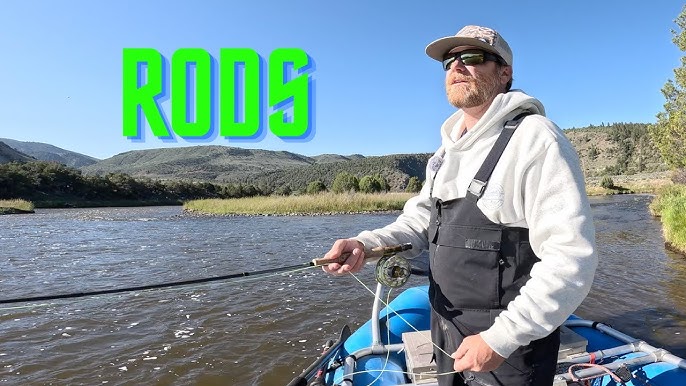
Are you wondering how long your fishing rod should be for the best catch? Choosing the right length can make a huge difference in your fishing experience.
It affects how far you can cast, how easy it is to handle, and even how successful you are on the water. You’ll discover simple tips to find the perfect rod length that fits your style and needs. Keep reading, and you’ll be ready to make smarter choices next time you go fishing.
Why Rod Length Matters
The length of a fishing rod affects how well you can fish. It changes your casting, control, and the types of fish you can catch.
Choosing the right rod length helps you enjoy fishing more and catch fish easier. Let’s look at why rod length is important.
Impact On Casting Distance
Longer rods let you cast your line farther. You can reach spots that are far from the shore or boat. Shorter rods cast shorter distances but are easier to use in tight spaces.
- Long rods cast far but can be harder to handle.
- Short rods cast shorter but are easier in small areas.
- Medium rods balance distance and control.
Control And Sensitivity
Short rods give better control and feel. You can sense small bites easier. Long rods may feel less sensitive but help fight big fish.
| Rod Length | Control | Sensitivity |
| Short (5-6 feet) | High | High |
| Medium (6-7 feet) | Medium | Medium |
| Long (7+ feet) | Lower | Lower |
Suitability For Different Fish
Different fish need different rods. Small fish need short rods for quick action. Big fish need longer rods to handle their strength.
- Small fish: Use rods 5 to 6 feet long.
- Medium fish: Use rods 6 to 7 feet long.
- Large fish: Use rods longer than 7 feet.
Credit: www.lamiglas.com
Common Fishing Rod Lengths
Fishing rods come in many lengths. Choosing the right length helps you catch fish better.
Rod length affects casting distance, control, and the type of fish you catch. Let’s look at common lengths.
Short Rods (4-6 Feet)
Short rods are easy to control. They work well in small spaces like boats or tight rivers.
These rods are good for catching small to medium fish. They help with accuracy but limit casting distance.
- Best for fishing in tight areas
- Great for beginners and kids
- Easy to carry and store
Medium Rods (6-8 Feet)
Medium rods are the most popular choice. They offer a good balance between power and control.
These rods work well for many fishing styles. You can cast farther and handle bigger fish than with short rods.
- Good for lakes, rivers, and ponds
- Suitable for many fish types
- Easy to handle for most anglers
Long Rods (8-12 Feet)
Long rods cast the farthest. They help cover more water and reach distant fish.
These rods give more power but need more skill to use well. They are good for big fish and open waters.
- Ideal for surf fishing and large lakes
- Good for strong, large fish
- Requires more strength and skill
Matching Rod Length To Fishing Style
Choosing the right fishing rod length is important for success. Different fishing styles need different rod lengths.
Let’s explore how to pick the best rod length for each fishing technique.
Casting Techniques
Casting techniques require specific rod lengths for control and distance. Shorter rods are better for close-range casting, while longer rods offer greater distance.
- Short rods (5-7 feet) are great for tight spaces.
- Medium rods (7-9 feet) balance control and reach.
- Long rods (9+ feet) provide maximum casting distance.
Fly Fishing
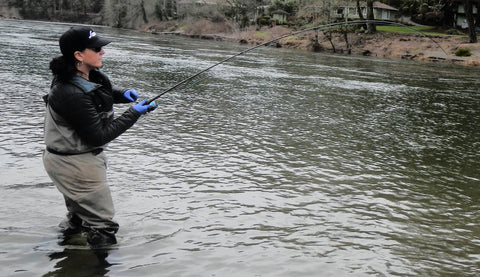
Fly fishing needs a flexible rod for smooth casting. The length affects line control and presentation.
| Rod Length | Application |
| 7-8 feet | Small streams |
| 8-9 feet | General purpose |
| 9-10 feet | Large rivers |
Surf Fishing
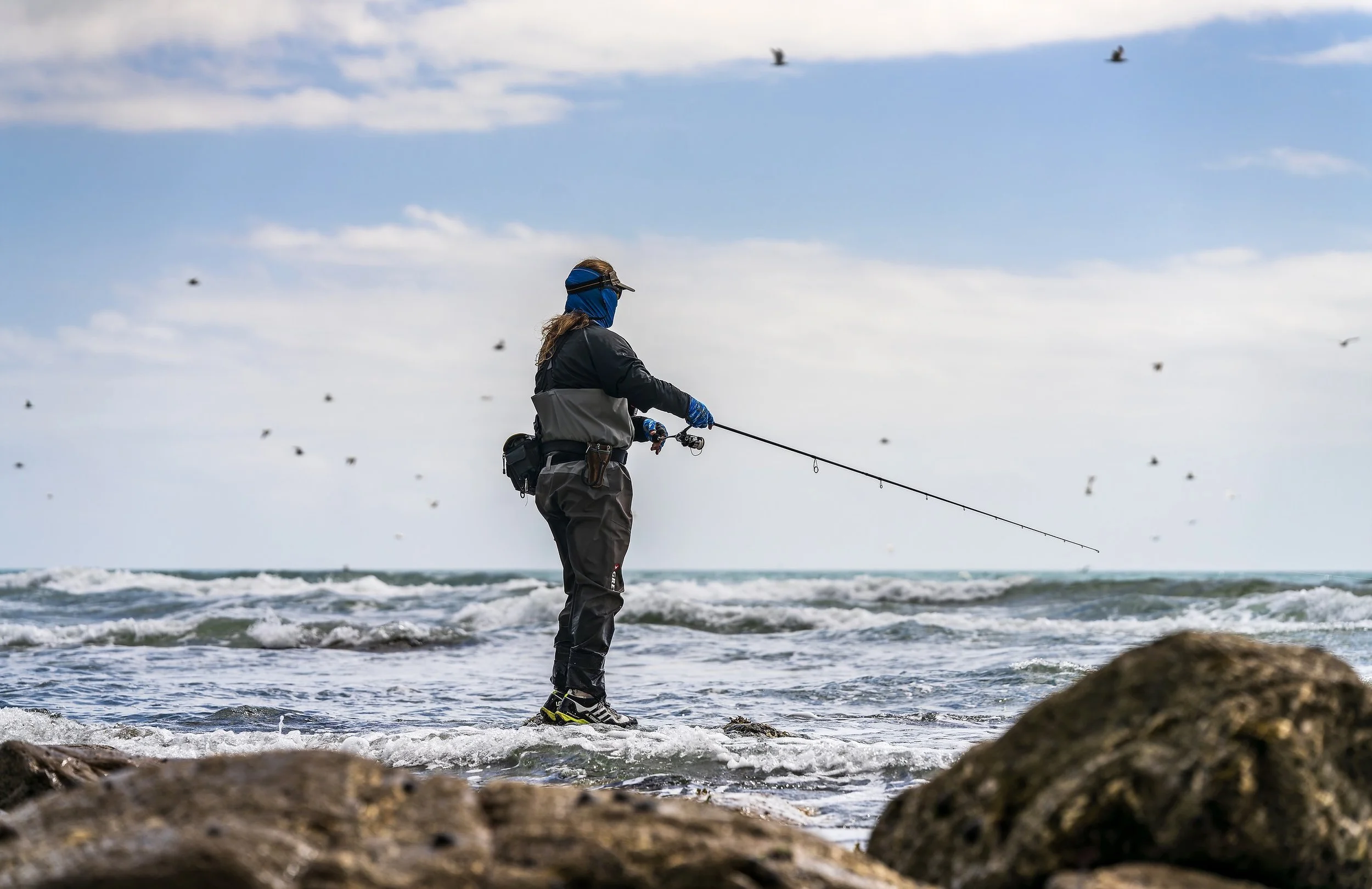
Surf fishing rods are long for casting over waves. They need strength to handle big fish and rough conditions.
- 10-12 feet: Suitable for medium surf and smaller fish.
- 12-15 feet: Ideal for heavy surf and larger species.
- 15+ feet: Best for extreme conditions and maximum distance.
Ice Fishing
Ice fishing uses short rods for fishing through small holes. The shorter length gives better control in confined spaces.

Credit: fishingbooker.com
Considering Fishing Environment
Choosing the right fishing rod length depends on where you fish. Different waters need different rods. This guide helps you pick the best rod size for your fishing spot.
Small streams and ponds need shorter rods for control. Larger waters like rivers and lakes may require medium rods. Open water calls for longer rods to reach far.
Small Streams And Ponds
In small streams and ponds, space is tight. Use a rod between 5 and 7 feet. This length helps you cast accurately and avoid snags from trees or bushes.
- Short rods improve control in tight spaces
- Easier to make quick casts
- Reduces chance of tangling with plants
- Ideal for light tackle and small fish
Rivers And Lakes
Rivers and lakes have more room to cast. A rod from 7 to 9 feet works well. It lets you cast farther and handle bigger fish with ease.
| Water Type | Recommended Rod Length | Benefits |
| Small Streams & Ponds | 5 – 7 feet | Better control, less snagging |
| Rivers & Lakes | 7 – 9 feet | Longer casts, handles bigger fish |
| Open Water & Shorelines | 9 – 12 feet | Reach far, fight strong fish |
Open Water And Shorelines
Open water and shorelines need longer rods. Choose rods from 9 to 12 feet. They help you cast far out and control strong fish fighting in deep water.
Benefits of longer rods in open water:
- Cast beyond waves and currents
- Better hook setting on big fish
- More leverage to control fish
- Improved line management over long distances
Rod Length And Fish Species
Choosing the right fishing rod length affects your fishing success. Different fish species need different rod lengths.
Short rods give better control, while longer rods help cast farther. Match rod length to the fish you want to catch.
Trout And Panfish
For trout and panfish, rods between 5 and 7 feet work best. They offer good control in small streams and ponds.
- Short rods (5 to 6 feet) help with precise casts.
- Medium rods (6 to 7 feet) allow longer casts in open water.
- Lighter rods give better sensitivity for small bites.
Bass And Walleye
Bass and walleye need rods from 6 to 8 feet. These lengths balance casting distance and control.
| Fish Species | Recommended Rod Length | Notes |
| Bass | 6.5 to 7.5 feet | Good for casting lures and soft plastics |
| Walleye | 6 to 8 feet | Helps with trolling and casting jigs |
Saltwater Species
Saltwater fishing needs longer rods to cast beyond waves and reach bigger fish.
Rod Length Tips for Saltwater Species:
- 7 to 9 feet rods work for inshore fishing
- 9 to 12 feet rods are best for surf fishing
- Use strong rods for heavy, fighting fish like redfish or snook
Balancing Portability And Performance
Choosing the right fishing rod length matters for both ease of carrying and how well it works. Longer rods cast farther but can be hard to carry. Shorter rods are easy to move but may limit casting distance.
Finding a good balance helps anglers enjoy fishing without extra hassle. This guide looks at travel rods, telescopic rods, and how rod weight and material affect performance.
Travel And Telescopic Rods
Travel rods break into sections for easy packing. They fit in bags and suit trips where space is tight. These rods keep good length but may feel less sturdy than one-piece rods.
Telescopic rods collapse into a short size. They are quick to set up and very portable. Some anglers find them less sensitive, but they are great for quick fishing trips.
- Travel rods: multi-piece, good length, easy to carry
- Telescopic rods: collapsible, very portable, quick setup
- Both types balance size and rod length for travel
Rod Weight And Material
Light rods are easier to carry and cause less fatigue. Heavy rods can cast farther and handle bigger fish. Material affects weight and rod strength.
Graphite rods are light and sensitive but more fragile. Fiberglass rods are heavier and tougher. Many rods mix materials to balance weight and durability.
- Lightweight rods reduce arm strain on long trips
- Heavier rods offer better power and control
- Graphite is light and sensitive
- Fiberglass is strong and durable
- Composite rods combine benefits of both materials
Tips For Testing Rod Length
Choosing the right fishing rod length affects your fishing experience. Testing rod length helps find the best fit for you. This guide shares useful tips for testing rod length.
Try different rod lengths to see which one feels comfortable and works well for your fishing style. Use these tips to make a good choice.
Casting Practice
Practice casting with rods of various lengths. Notice how far and accurately you can cast. A longer rod may cast farther but can be harder to control.
- Start with a medium-length rod to build confidence.
- Try shorter rods for tight spaces and quick casts.
- Test longer rods for distance and heavy lures.
- Record your casting distance and accuracy for each rod.
Comfort And Handling
Hold the rod and check how it feels in your hands. Comfort affects how long you can fish without fatigue. Balance and weight also matter.
| Rod Length | Comfort Level | Handling Ease |
| Short | High | Very Easy |
| Medium | Medium | Easy |
| Long | Low | Difficult |
Feedback From Experienced Anglers
Ask experienced anglers about their favorite rod lengths. They can share tips based on real fishing trips and conditions.
Common advice from anglers includes:
- Use shorter rods for river fishing and tight spots.
- Choose longer rods for open water and shore fishing.
- Match rod length with your fishing style and target fish.
Credit: www.henry-gilbey.com
Frequently Asked Questions
What Is The Ideal Length For A Fishing Rod?
The ideal fishing rod length depends on the fishing type. Typically, rods range from 6 to 12 feet. Shorter rods offer better control, while longer rods allow longer casts. Choose based on your fishing style and target species for the best experience.
How Does Rod Length Affect Casting Distance?
Longer fishing rods generally provide longer casting distances. They create more leverage and allow the line to travel further. However, shorter rods offer better accuracy and control. Balance your need for distance with ease of use when selecting rod length.
Which Rod Length Is Best For Freshwater Fishing?
For freshwater fishing, rods between 6 to 8 feet are common. These lengths offer versatility for different species and environments. They provide good control for casting and fighting fish in lakes, rivers, and streams.
Can Rod Length Impact Fishing Accuracy?
Yes, rod length affects accuracy. Shorter rods (6 to 7 feet) give better accuracy and control. Longer rods can sacrifice precision for distance. Choose a rod length that matches your casting skill and fishing environment.
Conclusion
Choosing the right fishing rod length helps improve your fishing experience. Short rods offer better control in tight spots. Longer rods cast farther and cover more water. Think about where and how you fish most. Different fishing styles need different rod lengths.
Remember, comfort matters as much as performance. Try a few rods to find what feels best. This simple step makes fishing more fun and successful.