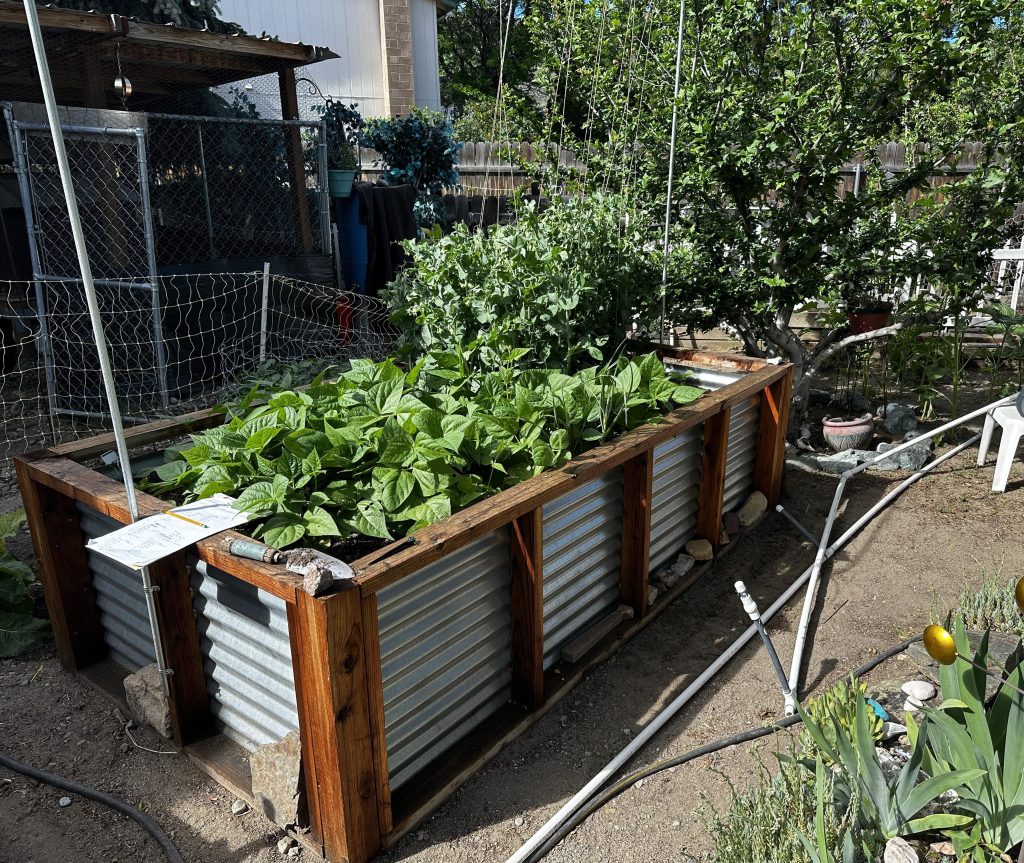
Are you thinking about building a raised garden bed but unsure if treated lumber is safe to use? You want your garden to thrive, but you also want to keep your plants—and yourself—safe from harmful chemicals.
Choosing the right materials can be confusing, especially when it comes to wood that’s been treated to last longer. You’ll discover the truth about treated lumber and whether it’s a good fit for your garden. Keep reading to make a smart choice that protects your plants and your peace of mind.
Treated Lumber Basics
Treated lumber is wood that gets chemicals to protect it from insects and rot. It is often used outdoors for decks, fences, and garden beds.
Knowing the basics about treated lumber helps you decide if it suits your raised garden bed project.
Types Of Treated Wood
There are several kinds of treated wood, each with different chemical treatments and uses. Common types include:
- Pressure-treated pine
- Cedar treated with preservatives
- Redwood with natural resistance
- Composite lumber with added chemicals
Common Chemicals Used
| Chemical | Purpose | Notes |
| Alkaline Copper Quaternary (ACQ) | Fungus and insect protection | Most common today |
| Copper Azole (CA) | Insect and decay resistance | Less corrosive to metal |
| Chromated Copper Arsenate (CCA) | Termite and fungus protection | Less used due to arsenic content |
| Micronized Copper | Fungus and insect defense | Uses smaller copper particles |
Durability And Lifespan
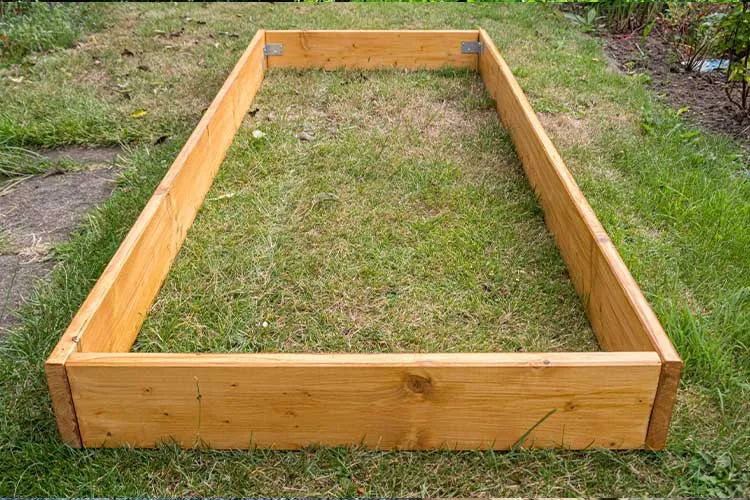
Treated lumber lasts longer than untreated wood. Its lifespan depends on wood type, chemical treatment, and exposure to weather.
- Pressure-treated pine can last 15 to 40 years outdoors.
- Cedar and redwood resist decay for 10 to 30 years.
- Proper sealing and maintenance extend life.
- Soil contact may shorten lifespan if untreated.
Credit: www.farmfreshchoice.com
Safety Concerns
Using treated lumber for raised garden beds raises safety questions. Some worry about chemicals in the wood.
This section covers chemical leaching risks, effects on soil and plants, and health precautions.
Chemical Leaching Risks
Treated lumber contains chemicals to stop rot and insects. These chemicals can leak into soil over time.
- Arsenic and chromium were used in old treatments.
- Newer treatments use safer chemicals but still may leach.
- Leached chemicals can contaminate soil and water.
Impact On Soil And Plants
Chemicals from treated wood can change soil quality. This may harm plants and reduce growth.
| Effect | Description |
| Chemical buildup | Soil can accumulate harmful substances |
| Plant damage | Leaves may wilt or discolor |
| Reduced yield | Fruits and vegetables may grow less |
Health Precautions
Take steps to reduce health risks when using treated lumber in gardens.
- Wear gloves when handling treated wood.
- Use a plastic liner inside garden beds.
- Do not burn treated wood due to toxic fumes.
- Wash hands after working near treated lumber.
Choosing The Right Lumber
When building a raised garden bed, choosing the right lumber is crucial. Some wood types may harm plants or soil.
Treated lumber is popular for its durability. Yet, it may contain chemicals that affect plant growth.
Alternatives To Treated Wood
Many gardeners prefer natural wood options. They avoid potential chemical exposure.
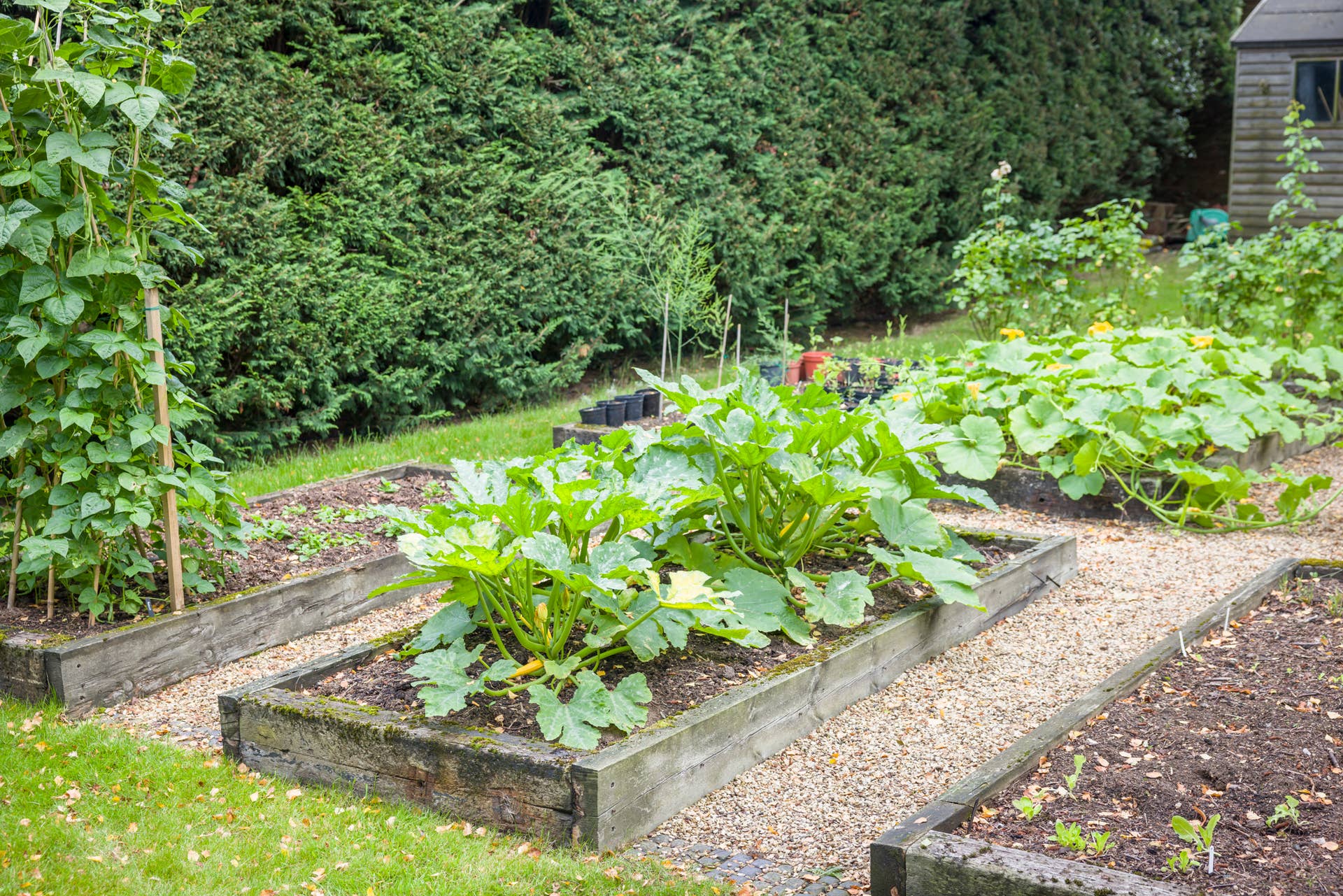
- Cedar: Naturally rot-resistant and long-lasting.
- Redwood: Known for its durability and resistance to decay.
- Untreated Pine: Cost-effective but may not last as long.
Certifications To Look For
Certifications help ensure wood safety for gardening. Look for eco-friendly options.
FSC (Forest Stewardship Council) certification means the wood is sustainably sourced. It minimizes environmental impact.
Cost Vs. Benefits
Consider the cost of lumber against its benefits. Treated wood may last longer but could harm plants.
Untreated wood might need replacement sooner. However, it offers a safer option for garden beds.
- Cedar: Higher cost, long-lasting.
- Pine: Lower cost, shorter lifespan.
- Redwood: Moderate cost, durable.
Credit: dengarden.com
Preparation And Installation
Using treated lumber for a raised garden bed requires careful preparation. It helps protect plants and soil from chemicals in the wood. Proper installation ensures the bed lasts longer and stays safe.
This guide covers sealing and lining options, construction tips, and maintenance advice. Following these steps will make your raised bed strong and healthy for your garden.
Sealing And Lining Options
Sealing treated lumber reduces chemical leaching into the soil. Lining the bed adds an extra barrier to protect plants and water quality. Choose safe materials for your garden.
- Use a non-toxic wood sealer made for outdoor use.
- Apply several coats of sealer to all wood surfaces.
- Line the inside with heavy-duty plastic or pond liner.
- Make sure the liner has drainage holes to prevent water buildup.
- Keep the liner slightly loose to allow wood expansion.
Proper Construction Tips
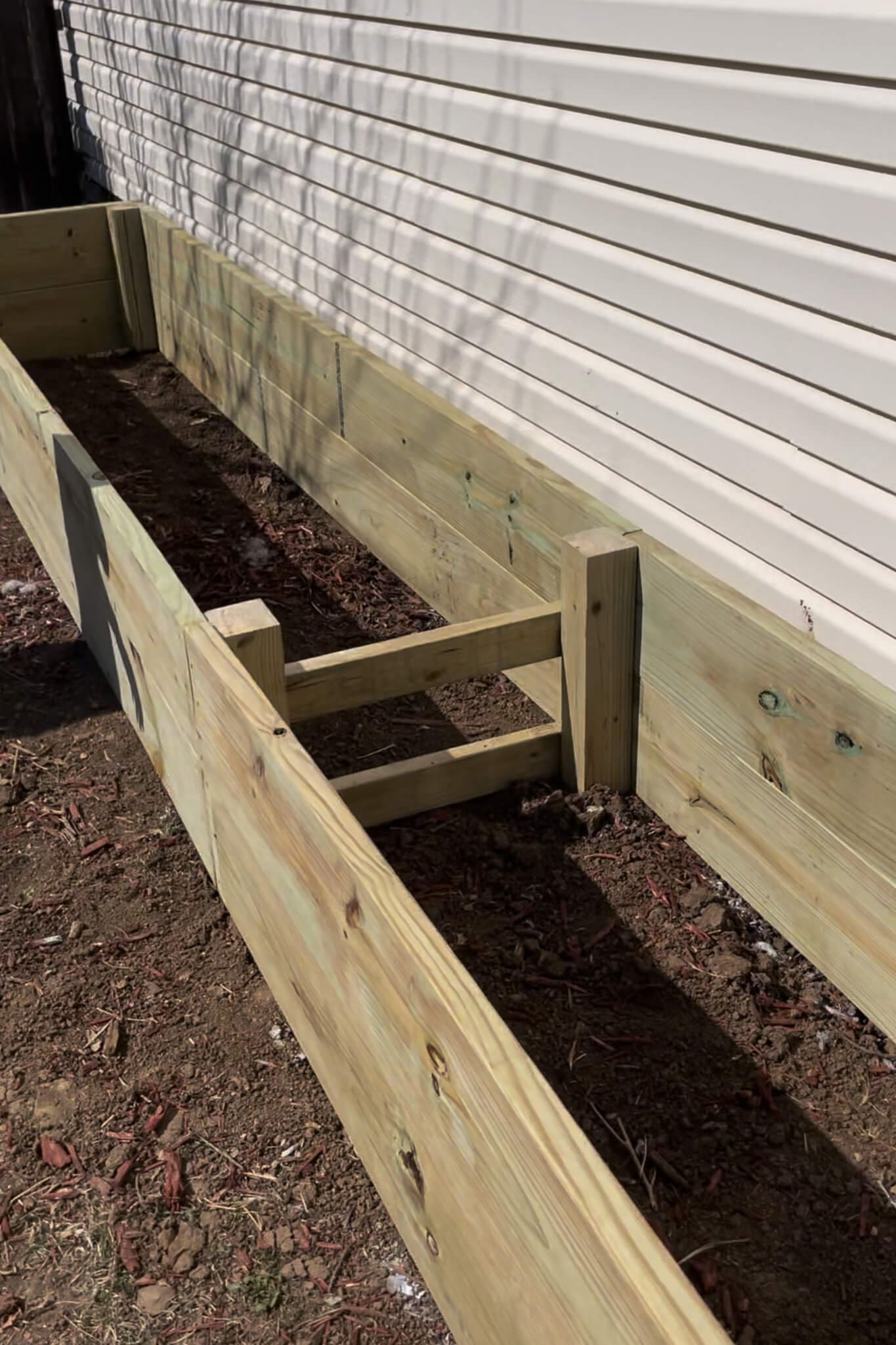
Build the raised bed with care to ensure stability and durability. Use screws designed for treated wood to avoid corrosion. Level the ground before placing the bed.
| Construction Tip | Reason |
| Use galvanized or stainless steel screws | Prevent rust and wood damage |
| Level the soil surface | Ensure even water distribution |
| Leave small gaps between boards | Allow wood to expand and contract |
| Secure corners firmly | Increase bed stability |
| Avoid direct soil contact under the bed | Reduce rot and decay risks |
Maintenance Guidelines
Regular care keeps your raised bed safe and lasting. Check for damage and clean the bed yearly. Replace any worn parts to avoid problems.
- Inspect wood for cracks or splinters.
- Reapply wood sealer every two years.
- Clear debris and dead plants from the bed.
- Check liner for holes or tears.
- Ensure drainage holes stay open.
Expert Recommendations
Treated lumber is common for raised garden beds. It lasts longer than regular wood. But many wonder if it is safe for growing food.
This guide shares expert advice on using treated wood. It covers when to use it, safety tips, and how to care for your garden bed.
When To Use Treated Lumber
Treated lumber is best for garden beds that need strong support. It resists rot, insects, and weather damage well.
Use treated wood if you want your raised bed to last many years. It is good for large or heavy garden beds.
- Choose treated lumber for beds near the ground
- Use it when moisture is high in your area
- Avoid if you want completely organic wood options
Best Practices For Safety
Some treated wood contains chemicals to stop bugs and rot. These chemicals can be harmful if they enter the soil.
Experts suggest lining the inside of the bed with plastic. This prevents chemicals from reaching your plants and food.
- Wear gloves when handling treated wood
- Use a heavy plastic liner inside the bed
- Do not burn treated wood as it releases toxic fumes
- Wash hands after working with treated lumber
Long-term Garden Bed Care
Regularly check your raised bed for cracks or damage. Treated wood can still wear down over time.
Replace any broken boards quickly. Keep the plastic liner intact to keep soil safe from chemicals.
- Inspect wood yearly for signs of rot or damage
- Keep soil away from direct contact with wood if possible
- Replace liners if they tear or degrade
- Refresh soil to avoid buildup of chemicals over time
Credit: crystelmontenegrohome.com
Frequently Asked Questions
Can Treated Lumber Be Safe For Raised Garden Beds?
Yes, modern treated lumber is safe for raised garden beds. It uses non-toxic chemicals that do not leach harmful substances. Always check for labels indicating it’s suitable for gardening to ensure safety for plants and soil.
How Long Does Treated Lumber Last In Garden Beds?
Treated lumber can last 15 to 20 years outdoors. Its chemical treatment protects against rot, insects, and moisture damage. This longevity makes it a durable choice for raised garden beds.
Does Treated Lumber Affect Soil Or Plants?
Properly treated lumber does not harm soil or plants. The newer treatments prevent chemical leaching, keeping your garden safe. Using a liner can provide extra protection if you’re concerned about contamination.
What Alternatives Exist To Treated Lumber For Garden Beds?
Alternatives include cedar, redwood, composite wood, and recycled plastic lumber. These materials resist rot naturally or through synthetic means. They are often more expensive but provide chemical-free options for raised beds.
Conclusion
Treated lumber can work well for raised garden beds if chosen carefully. It lasts longer and resists rot and insects. Make sure the wood is safe for growing food. Line the bed with a barrier to keep chemicals away from plants.
Regular checks help spot any damage early. Raised beds with treated wood stay strong for many seasons. Good soil and care make your garden grow healthy and green. Simple steps lead to a safe, long-lasting garden space.