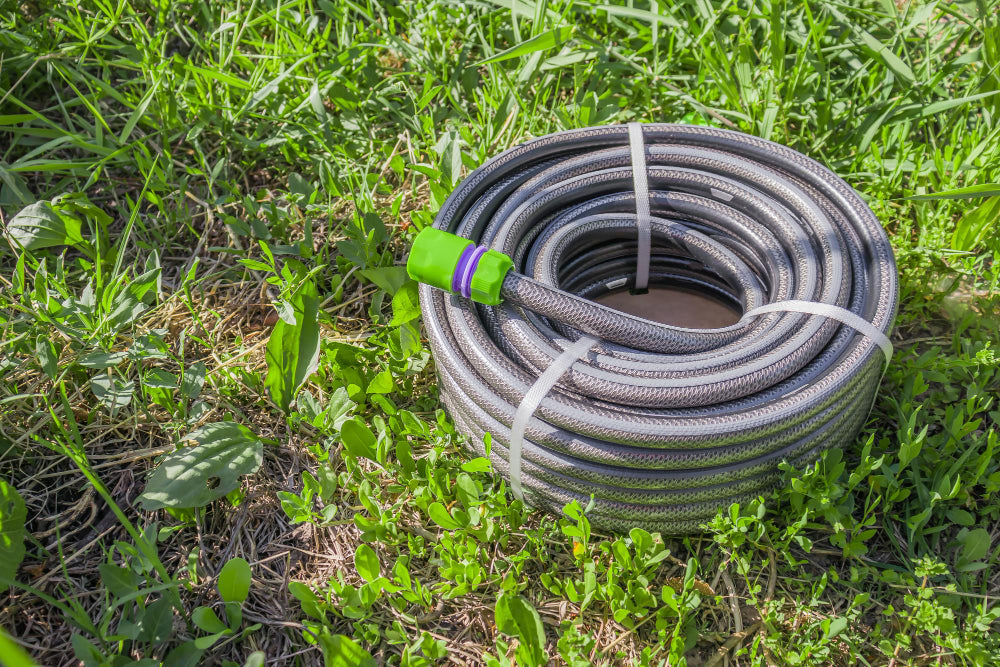
Have you ever wondered what happens to your old garden hose when it’s time to replace it? You might be surprised to learn that not all garden hoses are created equal when it comes to recycling.
If you care about the environment and want to make sure your worn-out hose doesn’t end up in a landfill, you need to know the facts. You’ll discover whether your garden hose is recyclable, how to recycle it properly, and smart tips to reduce waste in your garden.
Keep reading to find out how a simple choice can make a big difference for the planet—and for you.

Credit: www.alibaba.com
Garden Hose Materials
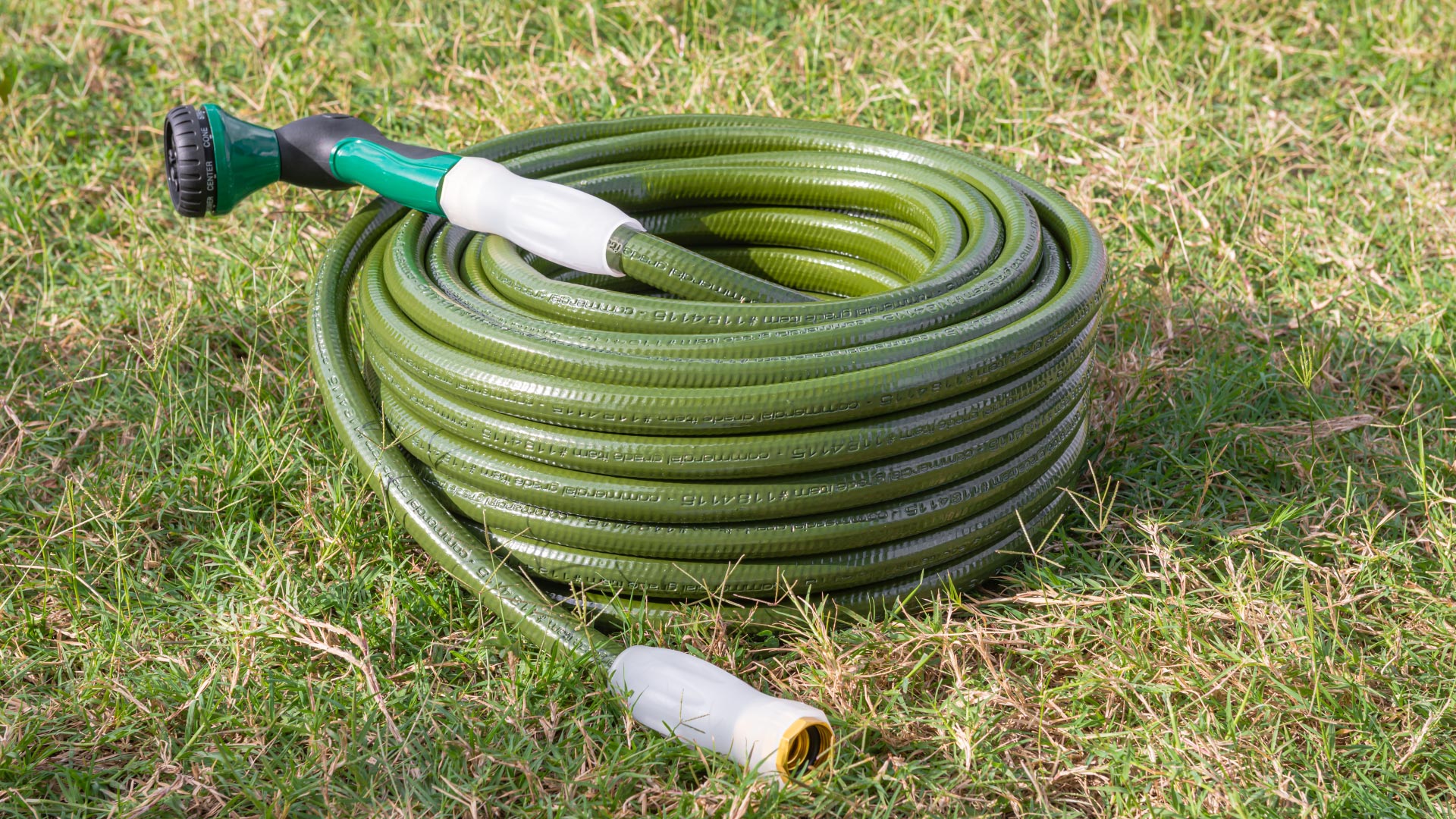
Garden hoses come in many types and materials. Knowing their makeup helps understand recycling options.
Different materials affect the hose’s flexibility, durability, and how it can be recycled.
Common Hose Types
There are several common garden hose types. Each type uses different materials for specific needs.
- Rubber hoses: known for flexibility and strength.
- Vinyl hoses: lightweight and affordable but less durable.
- Reinforced hoses: combine materials for extra strength.
- Expandable hoses: made with elastic inner tubes and fabric covers.
Material Composition
Most garden hoses contain multiple materials. These include plastics, rubber, and metals.
| Material | Purpose | Recyclability |
|---|---|---|
| Rubber | Provides flexibility and durability | Can be recycled but requires special facilities |
| PVC (Polyvinyl Chloride) | Common plastic for hose walls | Difficult to recycle due to chemical additives |
| Metal fittings | Connects hose to water source | Usually recyclable as scrap metal |
| Fabric mesh | Reinforces hose strength | Not typically recyclable |
Credit: anacondapipeandhose.com
Recycling Challenges
Recycling garden hoses can be difficult because of their materials and condition. Many hoses use different plastics and metals mixed together.
These mixed materials cause problems at recycling centers. Contamination from dirt or chemicals also lowers recycling quality.
Material Blends
Garden hoses often contain several materials like rubber, plastic, and metal. These materials are fused, making separation hard.
- Rubber for flexibility
- Plastic layers for durability
- Metal connectors for strength
- Reinforcements like fabric or wire
Recyclers need to sort these parts before processing. This step is costly and time-consuming, so many hoses are not recycled.
Contamination Issues
| Type of Contamination | Effect on Recycling |
|---|---|
| Dirt and soil | Clogs machines and lowers material quality |
| Plant residues | Causes odors and mold growth |
| Chemical residues | Can release toxins during recycling |
| Water inside hoses | Increases weight and processing costs |
Cleaning hoses before recycling is necessary but not always done. This adds extra work and cost to the recycling process.
Eco-friendly Disposal Methods
Garden hoses can be tricky to recycle. They are made from various materials like rubber and plastic. Finding the right disposal method helps the environment.
Understanding eco-friendly methods for disposing of garden hoses is important. This guide explores recycling options in your community.
Local Recycling Options
Some local recycling programs accept garden hoses. Check with your local waste management to see if hoses are accepted. Not all centers handle them.
Recycling centers that do accept them may have specific guidelines. It’s best to call ahead and ask about their rules.
- Contact local waste management offices
- Ask about specific recycling days
- Ensure hoses are clean and coiled
Specialized Drop-off Centers
Specialized drop-off centers may accept garden hoses. These centers focus on recycling items that general centers cannot process.
Research nearby centers that handle complex materials. They may have better facilities for processing garden hoses.
- Search online for specialized recycling centers
- Verify accepted materials with the center
- Prepare hoses as per guidelines

Credit: www.amazon.ca
Creative Hose Repurposing
Old garden hoses do not have to go to waste. You can reuse them in many creative ways. This saves money and reduces trash.
Repurposing garden hoses is a smart choice for anyone who enjoys DIY projects or home improvement. Let’s explore some ideas.
Diy Garden Projects
Garden hoses can be turned into useful items for your garden. They are flexible and strong, making them easy to work with.
- Create plant ties by cutting the hose into strips. These ties are gentle and hold plants firmly.
- Make garden edging by cutting the hose lengthwise and placing it around flower beds.
- Build a hose wreath by coiling the hose and securing it with zip ties for a unique garden decoration.
- Use pieces to protect tree trunks from lawn mower damage by wrapping the hose around the base.
Home Improvement Uses
Besides garden projects, old hoses can help with many home tasks. They offer durability and flexibility.
| Use | Description |
| Door Draft Stopper | Cut a hose to fit under doors to stop drafts and save energy. |
| Protective Padding | Slice the hose to cover sharp edges on furniture or tools. |
| Cable Organizer | Cut and slit hose pieces to hold and organize electrical cables. |
| Step Edge Grip | Attach hose strips to stair edges to reduce slipping risks. |
Tips To Extend Hose Life
Garden hoses can last longer with proper care. Taking simple steps helps avoid cracks and leaks.
Good maintenance saves money and keeps your hose ready to use whenever needed.
Proper Storage Techniques
Store your garden hose in a cool, dry place. Avoid leaving it under direct sunlight for long hours.
Use a hose reel or hanger to keep it off the ground. This stops kinks and damage.
- Drain water before storing to prevent freezing damage
- Keep hose away from sharp objects and rough surfaces
- Coil hose loosely to avoid bends and twists
Routine Maintenance
Check your hose regularly for leaks and cracks. Fix small holes with repair tape or patches.
Clean the hose to remove dirt and debris. This keeps water flowing smoothly and stops blockages.
- Flush the hose with clean water after use
- Inspect fittings and tighten them if loose
- Replace worn-out washers to prevent leaks
Environmental Impact Of Hose Waste
Garden hoses are common in many homes. When thrown away, they add to waste problems.
Most hoses are made from plastic and rubber. These materials take a long time to break down.
Plastic Pollution Concerns
Garden hoses contain plastics that can harm the environment. When they break, small pieces spread.
These plastic pieces pollute soil and water. They can hurt animals and plants in nature.
- Plastic pieces can enter rivers and oceans
- They affect fish and other wildlife
- Plastic stays in the environment for many years
Benefits Of Responsible Disposal
Disposing of garden hoses properly helps reduce pollution. Recycling or reusing hoses is better than trashing.
Some parts of hoses can be recycled. This lowers waste and helps protect the environment.
- Reduces plastic pollution in landfills
- Conserves natural resources by reusing materials
- Prevents harmful chemicals from leaking into soil
Frequently Asked Questions
Can Garden Hoses Be Recycled In Regular Bins?
Most garden hoses cannot be recycled in regular bins due to mixed materials. They often contain rubber and plastic, which require special recycling facilities. Check local recycling programs for specific garden hose recycling options to ensure proper disposal.
What Materials Are Garden Hoses Made Of?
Garden hoses are typically made from rubber, vinyl, or a combination of both. These materials make recycling difficult because they need specialized processing to separate and reuse effectively.
How To Recycle A Garden Hose Properly?
To recycle a garden hose, locate a specialized recycling center or a garden store with a recycling program. Alternatively, consider repurposing the hose for crafts or gardening projects to reduce waste.
Why Is Recycling Garden Hoses Important?
Recycling garden hoses prevents harmful materials from entering landfills. It also conserves resources and reduces environmental pollution by ensuring materials are reused or disposed of responsibly.
Conclusion
Garden hoses are not easy to recycle in regular programs. Most contain mixed materials that make recycling hard. Some stores offer special recycling for old hoses. Cutting hoses into small pieces can help reuse them. Consider donating hoses if they still work.
Taking care of your hose extends its life. This reduces waste and helps the environment. Choosing hoses made from recyclable materials is smart. Small steps can make a big difference. Keep recycling simple and effective.