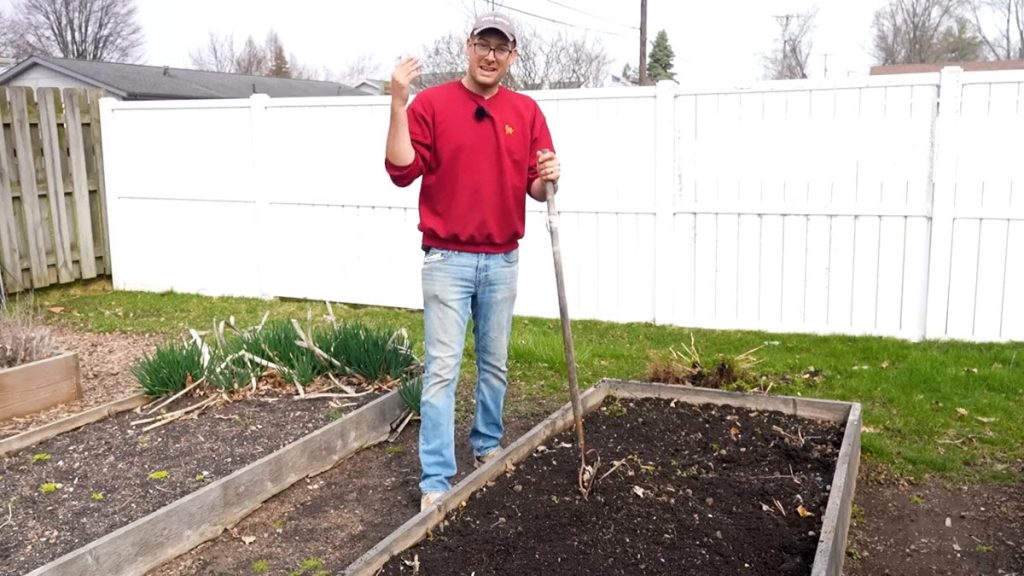
Are you ready to start your raised garden bed but unsure how much soil you’ll need? Getting the right amount of soil is key to helping your plants grow strong and healthy.
Too little soil means your plants won’t have enough room for roots, and too much can be a waste of money and effort. You’ll discover simple ways to calculate the perfect amount of soil for your raised garden bed. By the end, you’ll feel confident filling your bed just right, so your garden can thrive from the very start.
Keep reading to learn how to get it exactly right!

Credit: www.reddit.com
Choosing The Right Raised Bed Size
Picking the right size for your raised garden bed helps plants grow well. The size affects how much soil you need and how easy it is to care for your plants.
Think about space, plant types, and how much soil you want to fill before building your bed.
Common Dimensions
Raised beds come in many sizes. The width is important because it affects how far you can reach into the bed without stepping inside.
- Common widths are 3 to 4 feet to allow easy reach from both sides.
- Lengths vary from 4 feet to 12 feet or more depending on space.
- Square beds are popular for small gardens.
Depth Considerations
Depth is key for root growth and water retention. Most vegetables need at least 6 to 12 inches of soil.
| Plant Type | Recommended Soil Depth |
|---|---|
| Leafy Greens | 6-8 inches |
| Root Vegetables | 12-18 inches |
| Tomatoes and Peppers | 12 inches or more |
Shape Options
Choose a shape that fits your garden space and style. Shapes also affect the soil volume needed.
- Rectangular beds are common and fit well along fences or walls.
- Square beds work well in small or square gardens.
- Round beds offer a unique look but may need more soil.
- L-shaped beds can fit corner spaces efficiently.
Calculating Soil Volume
To fill a raised garden bed, you need the right amount of soil. Calculating soil volume helps you buy enough soil without waste.
This guide shows how to measure and calculate soil volume for your raised bed.
Measuring Length And Width
First, measure the length and width of your raised garden bed. Use a tape measure for accuracy.
Write down the measurements in feet or meters. These numbers are the base area of your bed.
- Length: Measure the longest side
- Width: Measure the shorter side
Determining Bed Depth
Next, measure the height or depth of your raised bed. This is how tall the soil layer will be.
Most raised beds are 6 to 12 inches deep. Measure from the bottom to the top edge.
- Use the same unit as length and width
- Check if soil will fill to the top
Using Volume Formulas
Calculate soil volume by multiplying length, width, and depth. The result shows how much soil you need.
If your measurements are in feet, the answer is in cubic feet. Convert if needed to cubic yards or meters.
- Volume = Length × Width × Depth
- Example: 6 ft × 4 ft × 1 ft = 24 cubic feet
- To convert cubic feet to cubic yards, divide by 27
Types Of Soil Mixes
Filling a raised garden bed needs the right soil mix. This helps plants grow healthy and strong.
Understanding different types of soil can guide you in choosing the best mix for your garden.
Garden Soil
Garden soil is the foundation for any garden bed. It holds nutrients and provides a base for roots.
Compost
Compost enriches soil with organic matter. It improves drainage and adds vital nutrients.
- Boosts soil fertility
- Improves soil structure
- Enhances water retention
Topsoil
Topsoil is the uppermost layer of soil. It is rich in minerals and organic material.
| Soil Type | Nutrient Level |
| Topsoil | Moderate |
| Garden Soil | High |
| Compost | Very High |
Soil Amendments
Soil amendments modify soil properties. They can improve soil texture and fertility.
Credit: www.thunderbirddisco.com
Estimating Soil Weight And Cost
Knowing how much soil to fill a raised garden bed helps with planning. It can save you money and effort.
Estimating soil weight and cost depends on several factors. This guide explains key points to consider.
Soil Density Factors
Soil density affects the total weight of soil needed. Moisture content, soil type, and compaction change density.
- Dry soil weighs less than wet soil.
- Sandy soil is lighter than clay soil.
- Compacted soil increases weight.
Bulk Purchase Vs Bags
Buying soil in bulk is cheaper for large beds. Bags are better for small projects or top-ups.
| Purchase Type | Cost per Cubic Foot | Advantages | Disadvantages |
| Bulk Soil | $10 – $25 | Lower cost, faster delivery | Requires large space for storage |
| Bagged Soil | $3 – $6 per bag (1.5 cu ft) | Easy to handle, no storage needed | More expensive per volume |
Budgeting Tips
Plan your soil purchase to avoid extra costs. Measure your bed size and calculate soil volume.
- Calculate the volume: length × width × depth (in feet).
- Multiply volume by soil density to estimate weight.
- Compare prices for bulk and bags in your area.
- Consider delivery fees for bulk orders.
- Buy a little extra to fill settling gaps.
Filling Techniques For Raised Beds
Filling a raised garden bed needs the right soil and good techniques. Using the right materials helps plants grow well.
Proper filling keeps soil healthy and lets water flow well. It also avoids problems like soil compaction.
Layering Materials
Start by layering different materials in your raised bed. This creates good drainage and nutrition for plants.
Use coarse materials at the bottom and finer soil on top. This keeps the bed from getting soggy and helps roots grow.
- Place sticks or straw at the bottom for air flow
- Add compost or aged manure next for nutrients
- Top with good garden soil or loam for planting
Avoiding Soil Compaction
Soil compaction stops roots from growing and blocks water. Avoid pressing down too hard when filling your bed.
Fill the bed loosely and break up big clumps. This keeps the soil light and easy for roots to spread.
- Do not step on the soil inside the bed
- Use a rake to spread soil evenly without packing it
- Add organic matter to keep soil soft
Watering After Filling
Water the raised bed right after filling it. This helps the soil settle and removes air pockets.
Water gently and deeply to avoid washing away soil. Check moisture regularly to keep soil ready for plants.
- Use a watering can or gentle hose spray
- Water until soil feels damp but not soggy
- Repeat watering if soil looks dry after settling
Maintaining Soil Quality
Good soil is key for healthy plants in your raised garden bed. It holds nutrients, water, and air needed for growth. Keeping soil quality high helps plants grow strong and produce well.
Knowing how much soil to fill your raised bed with is important. It affects soil health and plant roots. Let’s look at ways to keep soil fresh and full of nutrients.
Regular Amendments
Adding organic matter often keeps soil rich and loose. Compost, manure, and leaf mold improve soil texture and add nutrients. Mix these into your soil each season.
- Add 2-3 inches of compost yearly
- Use aged manure for extra nutrients
- Mix organic matter into top 6 inches of soil
Avoiding Soil Depletion
Growing the same plants repeatedly uses up certain nutrients. Crop rotation helps prevent this. Plant different types of crops each season to balance nutrient use.
Using cover crops also protects soil from erosion and adds nutrients. Plants like clover or rye grow in empty beds, then get turned into the soil.
- Change crop types each season
- Use nitrogen-fixing cover crops
- Keep soil covered to stop erosion
Seasonal Checks
Check soil health every season before planting. Test pH and nutrient levels to see if you need to add anything. Simple soil tests help keep plants happy.
Look for signs like poor plant growth or color changes. These may show soil problems. Adjust soil amendments based on what your soil needs.
- Test soil pH twice a year
- Check nutrient levels with a soil kit
- Observe plant health for clues

Credit: migardener.com
Frequently Asked Questions
How Much Soil Do I Need For A 4×8 Raised Bed?
For a 4×8 raised bed, fill it with about 1. 5 cubic yards of soil. This ensures plants have enough space to grow well.
What Soil Depth Is Ideal For Raised Garden Beds?
A soil depth of 12 to 18 inches is ideal. It provides enough room for most vegetable roots to develop properly.
Can I Use Regular Garden Soil In Raised Beds?
Regular garden soil can be heavy and compacted. Use a mix of compost, peat moss, and topsoil for better drainage and fertility.
How Often Should I Add Soil To Raised Beds?
Add fresh soil or compost annually. This replenishes nutrients and maintains healthy soil structure for optimal plant growth.
Conclusion
Filling your raised garden bed with the right amount of soil helps plants grow well. Measure the bed’s length, width, and depth to find the right soil volume. Use a mix of topsoil, compost, and other materials for healthy soil.
Avoid overfilling or underfilling the bed to keep roots happy. Regularly check soil levels and add more if needed. Good soil makes gardening easier and more enjoyable. Start with the right soil, and your plants will thank you. Simple steps lead to a thriving garden space.