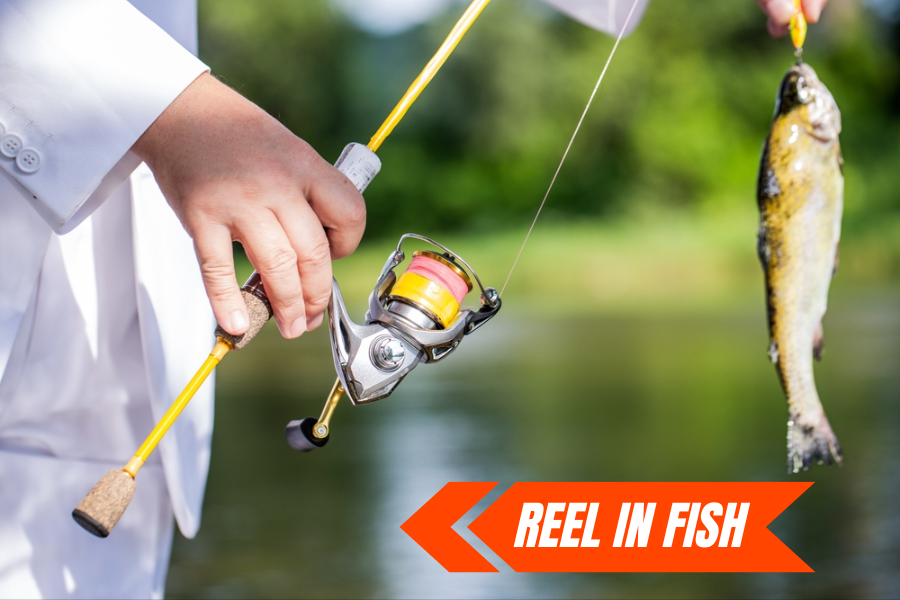
Have you ever felt the thrill of a fish tugging on your line, only to fumble when it’s time to reel it in? Knowing how to reel in a fishing rod properly can make all the difference between landing your catch or losing it.
Whether you’re a beginner or just want to improve your technique, this guide will help you master the skill step by step. By the end, you’ll feel confident and ready to enjoy more successful fishing trips. Let’s dive in and get your fishing game on point!
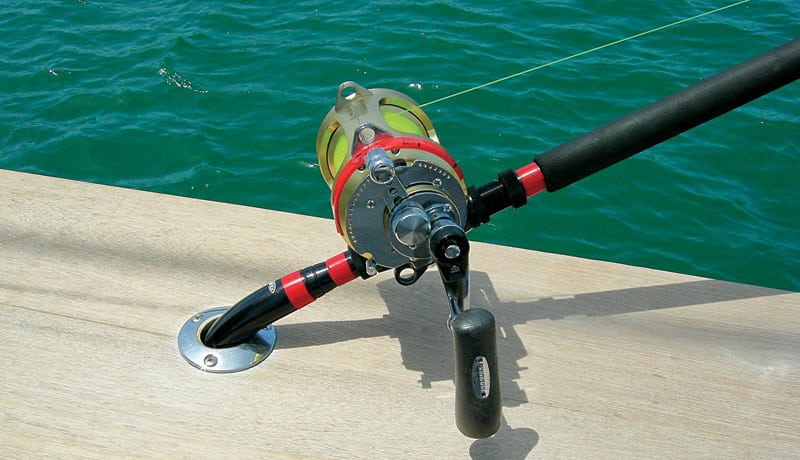
Credit: www.marlinmag.com
Choosing The Right Rod And Reel
Choosing the right fishing rod and reel helps you catch fish more easily. The right gear fits your fishing style and target fish.
Focus on the type of rod, reel, and line to get the best setup for your fishing trips.
Types Of Fishing Rods
Fishing rods come in many types. Each type fits different fishing needs and fish sizes.
Some rods work well for light freshwater fishing. Others handle big fish in saltwater.
- Spinning rods: Good for beginners and light fishing
- Baitcasting rods: Better for bigger fish and heavier lures
- Fly rods: Made for fly fishing with special lines
- Trolling rods: Used for fishing from boats at slow speeds
Matching Reels To Rods
Your reel must fit the rod well. A good match makes casting and reeling easier.
Spinning rods use spinning reels. Baitcasting rods need baitcasting reels. Fly rods match with fly reels.
- Spinning reels are easy to use and light
- Baitcasting reels give more control for heavy lines
- Fly reels balance the rod and hold special fly lines
Selecting The Proper Line
Pick a fishing line that works with your rod and reel. The line strength affects your fishing success.
Light lines work for small fish. Heavy lines hold bigger fish but need stronger rods and reels.
- Monofilament lines are flexible and easy to handle
- Fluorocarbon lines are less visible in water
- Braid lines are strong and thin, good for heavy fishing
Preparing Your Gear
Before you start fishing, you need to prepare your gear carefully. This helps you catch fish easily and enjoy your time on the water.
Getting your fishing rod ready includes setting up the reel, attaching the line, and adding hooks and baits.
Setting Up The Reel
First, attach the reel to the rod. Make sure it fits tightly in the reel seat. This keeps the reel steady while you fish.
Check that the reel handle turns smoothly. If it feels stiff, clean or oil the parts before fishing.
Attaching The Line
Start by threading the fishing line through the rod guides. Then tie the line to the reel spool using a strong knot.
Wind the line evenly onto the spool. Keep tension on the line to prevent tangles or loose loops.
- Thread line through all rod guides
- Tie line to reel spool with an arbor knot
- Turn the handle slowly to spool line evenly
- Keep slight tension on the line as you wind
Adding Hooks And Baits
Choose the right hook size for the fish you want to catch. Smaller hooks work for small fish and bigger hooks for large fish.
Attach the hook to the line using a secure knot. Then add bait to the hook to attract fish.
- Pick hook size based on fish type
- Tie hook with improved clinch knot
- Use live bait or artificial bait on hook
- Make sure bait covers hook well
Mastering Casting Techniques
Casting a fishing rod is an essential skill for anglers. It helps you reach the spots where fish hide. Different techniques suit various conditions and targets.
Learning to cast properly improves your fishing experience. Practice makes casting smoother and more effective.
Basic Casting Methods
Basic casting involves simple movements. It helps beginners learn how to handle a rod.
Start by holding the rod with both hands. Use your wrist to flick the rod forward, letting the line fly out.
Overhead Casting Tips
Overhead casting is a common method. It involves swinging the rod over your head.
Stand with feet apart for balance. Swing the rod back and then forward swiftly. Release the line at the right moment.
- Keep your eyes on the target
- Follow through with your arm
- Avoid jerking the rod
Sidearm Casting Tricks
Sidearm casting is useful in windy conditions. It keeps the line low to the water.
Position the rod to your side. Swing it parallel to the ground. Release the line smoothly.
| Sidearm Casting Tips |
| Aim low to avoid wind |
| Use a steady motion |
| Practice near open water |
Reeling In Efficiently
Reeling in a fishing rod correctly helps you catch fish easier. It saves your energy and keeps the line from tangling.
Good technique makes fishing more fun and less frustrating. Focus on smooth movements and steady control.
Proper Hand Placement
Hold the rod with your dominant hand near the reel handle. Your other hand should support the rod base for balance.
Keep your fingers relaxed but firm around the handle. This grip helps you turn the reel smoothly and with control.
Controlling Reel Speed
Turn the reel handle at a steady pace to pull the line in smoothly. Avoid jerking or sudden fast turns.
Slow reeling works best when a fish is pulling hard. Speed up gently when the fish tires to bring it closer.
- Reel slow when the fish pulls
- Increase speed as the fish slows down
- Keep movements even and steady
Managing Line Tension
Keep the line tight but not too tight. Too much tension can break the line or pull the hook free.
Let the fish run if it pulls hard, then reel in when the line loosens. This balance protects your gear.
- Watch the line for slack
- Keep tension steady during reeling
- Adjust pressure based on fish behavior
Handling Common Challenges
Fishing can be fun but sometimes it has small problems. Learning to handle these issues helps you enjoy fishing more.
This guide covers common challenges and ways to fix them for a smoother fishing experience.
Avoiding Line Tangles
Line tangles are a common problem. They waste time and can break your line. Preventing tangles keeps your fishing smooth.
- Check your reel before casting to make sure the line is even.
- Use the right type of line for your rod and reel.
- Keep the line tight when you reel in to avoid loops.
- Practice smooth casting to reduce slack in the line.
- Replace old or damaged line regularly to prevent weak spots.
Dealing With Snags
Snags happen when your hook or lure catches on underwater objects. Knowing how to act can save your gear.
| Action | Reason |
| Pull slowly and steady | Gives the snag a chance to release |
| Change your rod angle | May free the hook from weeds or rocks |
| Cut the line if stuck | Protects your rod and reel from damage |
| Use a snag-resistant lure | Reduces chance of catching underwater obstacles |
Adjusting For Wind And Weather
Wind and weather affect casting and reeling. Adjusting your technique helps you fish better in different conditions.
Try these tips to handle wind and weather:
- Cast into the wind for better control.
- Use heavier lures on windy days to keep line steady.
- Wear weather-appropriate clothing to stay comfortable.
- Check weather updates before you fish to stay safe.

Credit: www.aftco.com
Maintaining Your Equipment
Taking care of your fishing rod and reel helps them last longer. It also keeps them working well every time you fish.
Simple steps like cleaning and safe storage protect your gear. Regular checks catch small problems early.
Cleaning The Rod And Reel
Clean your rod and reel after every fishing trip. Salt, dirt, and fish slime can damage the parts.
Use fresh water and a soft cloth to wipe everything down. Avoid strong soaps that can harm the finish.
- Rinse rod and reel with fresh water gently
- Use a soft cloth to dry and clean surfaces
- Check for stuck parts and remove debris carefully
- Do not soak the reel; water can enter inside
Storing Gear Safely
Store your fishing rod and reel in a dry place. Avoid direct sunlight and extreme temperatures.
Keep your gear off the ground and away from heavy objects. Use rod holders or cases to protect them.
- Store rods vertically or in padded cases
- Keep reels covered or in protective bags
- Choose a cool, dry spot for storage
- Avoid stacking gear to prevent bending
Regular Maintenance Tips
Check your equipment regularly for signs of wear. Fix small issues before they become big problems.
Lubricate reel parts lightly to keep them moving smoothly. Replace broken or worn parts quickly.
- Inspect line guides and reel handles for damage
- Apply reel oil to moving parts every few months
- Replace fishing line if it shows frays or cracks
- Tighten loose screws and fittings

Credit: anglersresource.net
Frequently Asked Questions
How Do You Properly Reel In A Fishing Rod?
To reel in a fishing rod, keep your wrist steady and turn the handle smoothly. Maintain consistent tension on the line to avoid losing the fish. Use slow, steady cranks and adjust your speed based on the fish’s movements for better control.
When Should I Start Reeling After Casting?
Start reeling after the lure or bait hits the water. Wait a moment if using a sinking bait to allow it to reach the desired depth. Begin slow and steady reeling to mimic natural movement and attract fish effectively.
How Can I Avoid Line Tangles While Reeling?
Prevent line tangles by keeping the line taut and reeling evenly. Avoid rapid or jerky movements that cause slack. Regularly check the line and spool for twists and correct them immediately to ensure smooth reeling.
What Is The Best Reeling Speed For Fishing?
The best reeling speed varies by lure and fish species. Generally, a slow and steady speed mimics natural prey and works well. Adjust speed based on fish activity and water conditions to improve your chances of a catch.
Conclusion
Reeling in a fishing rod takes practice and patience. Keep your hand steady and reel smoothly. Watch the line closely to feel the fish’s pull. Adjust your speed to avoid breaking the line. Enjoy the quiet moments by the water.
Each cast teaches you something new. Fishing can be relaxing and fun for everyone. Keep trying, and your skills will grow. Simple steps lead to better catches over time.