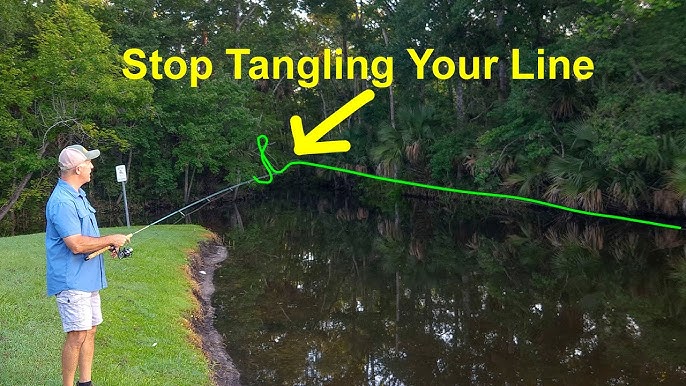
Are you tired of dealing with fishing line that curls and tangles every time you cast? It’s frustrating when your gear doesn’t work the way it should, and it can ruin an otherwise perfect day on the water.
But what if you could stop that curling before it even starts? You’ll discover simple, effective tips to keep your fishing line straight and smooth, so you can focus on catching fish—not fixing knots. Keep reading to learn how to make your fishing experience easier and more enjoyable.
Causes Of Fishing Line Curling
Fishing line curling is a common issue that can affect your casting and control. Understanding why your line curls helps you stop it from happening.
Several factors cause fishing line to curl, including its memory, how it is stored, and water temperature. Knowing these causes can improve your fishing experience.
Line Memory Explained
Line memory is the tendency of fishing line to keep the shape it was on the spool. This happens because the line is tightly wound for a long time.
Lines with high memory curl more easily and can cause tangles and poor casting. Low memory lines stay straighter and perform better.
- Monofilament lines usually have higher memory
- Fluorocarbon lines have medium memory
- Braided lines have very low memory
Impact Of Storage
How you store your fishing line affects its curling. Leaving the line on the reel for too long causes it to take the reel’s shape.
Storing line in a warm place or in direct sunlight can also damage it. Proper storage helps reduce curling and extends line life.
- Remove line from reel if not used for months
- Keep line in a cool, dry place
- Use line conditioners to reduce memory
Effect Of Water Temperature
Water temperature changes how fishing line behaves. Cold water can make the line stiffer and more likely to curl.
Warmer water softens the line, helping it to straighten. Adjust your fishing line choice based on the temperature for better results.

Credit: www.youtube.com
Choosing The Right Line
Fishing line curling can cause frustration while fishing. Picking the right line helps reduce this problem. Different lines have unique features that affect curling.
Understanding the types of fishing lines and their properties helps you choose the best one. This guide covers key points about line choice and curling.
Monofilament Vs. Fluorocarbon
Monofilament line is soft and flexible but curls easily. It stores well but can twist during casting. Fluorocarbon is stiffer and less stretchy. It resists curling better than monofilament.
Fluorocarbon sinks faster and is harder to see in water. Monofilament floats more and is easier to handle for beginners. Choose based on your fishing style and need for curl resistance.
Benefits Of Braided Line
Braided line has no memory, so it resists curling well. It is very strong and thin compared to other lines. This makes it easier to cast straight without twists.
Braided line lasts longer and handles rough conditions better. It does not stretch much, giving better control. This line works well if you want to avoid curling during fishing.
Line Diameter And Flexibility
Thinner lines curl more because they are flexible. Thicker lines are stiffer and resist curling. Flexibility affects how the line behaves on the reel and in water.
Choose a line with the right thickness for your fishing needs. A balance between strength and stiffness helps reduce curling and improves casting.
Proper Line Storage Techniques
Fishing line curling is a common issue that can affect your casting. Proper storage techniques can help prevent this problem.
Learn how to store your fishing line correctly to maintain its quality and performance.
Avoiding Over-tight Spools
Keeping your fishing line at the right tension is crucial. Over-tight spools can lead to curling and tangles.
- Loosen the drag on your reel when storing.
- Avoid winding the line too tightly.
- Check the tension regularly.
Using Line Conditioners
Line conditioners can help maintain the flexibility of your fishing line. They reduce friction and prevent curling.
Here is a simple way to apply line conditioner:
- Spray the conditioner onto a clean cloth.
- Run the cloth along the line as you spool it.
- Let it dry before storing the line.
Best Practices For Re-spooling
Re-spooling your line correctly can prevent curling and extend its life. Follow these best practices to ensure smooth fishing trips.
| Action | Benefit |
| Use a line winder | Even tension on the spool |
| Keep the line tight | Prevents loose loops |
| Store in a cool place | Maintains line strength |
Techniques To Straighten Curled Line
Fishing line often curls after storage or use. Curled line can cause casting problems and tangles. There are simple ways to straighten it out at home.
These methods help bring the line back to its original shape. Use heat, stretching, or natural elements to fix curls.
Heat Treatment Methods
Heat can soften the fishing line, making it easier to straighten. Use warm water or a hairdryer carefully to avoid damage.
- Fill a bowl with warm water, not boiling.
- Soak the curled line for 5–10 minutes.
- Remove and gently pull the line to straighten.
- If using a hairdryer, keep it 6 inches away and move constantly.
- Do not overheat or melt the line.
Manual Stretching Tips
Stretching the line by hand helps remove curls and kinks. This method works best after heat treatment.
| Action | Description |
| Hold both ends | Grasp the line firmly with both hands. |
| Pull gently | Stretch the line slowly, not too hard. |
| Release tension | Let the line relax before repeating. |
| Repeat | Do 3–5 times for best results. |
Using Water And Sunlight
Sunlight and water soften the line naturally. This method is safe and easy but takes more time.
Follow these tips for this method:
- Wet the fishing line with fresh water.
- Lay the line in a sunny spot for a few hours.
- Check the line often and gently pull to straighten.
- Avoid strong wind that can tangle the line again.
Preventing Curling During Casting
Curling fishing line can cause tangles and reduce casting distance. It also makes your line weak and harder to control.
Stopping the line from curling helps you cast smoothly and keeps your fishing gear in good shape.
Adjusting Reel Tension
Reel tension affects how the line flows during casting. If the tension is too loose, the line may curl or tangle.
Set the reel tension so the spool spins easily but stops quickly when you stop casting.
- Turn the tension knob clockwise to tighten
- Turn counterclockwise to loosen
- Test by letting the line flow freely a few feet
Optimal Casting Angles
How you cast affects the line’s shape. Casting at wrong angles can cause the line to twist and curl.
Keep your rod tip low and aim straight ahead to reduce curling.
- Hold the rod at about 10 to 20 degrees above the water
- Make smooth, straight casts without jerking the rod
- Avoid casting too high or too far to the sides
Regular Line Maintenance
Old or damaged line curls more easily. Clean and replace your line often to keep it smooth.
Check your line for twists and knots before each fishing trip.
- Rinse the line with fresh water after use
- Store the reel in a cool, dry place
- Replace line every few months or after heavy use

Credit: www.reddit.com
Tools And Accessories To Help
Fishing line curling can cause casting problems and reduce fishing success. Using the right tools and accessories helps keep your line straight and ready to use.
Here are some common tools that anglers use to stop fishing line from curling and improve their fishing experience.
Line Straighteners
Line straighteners work by removing twists and curls from your fishing line. They keep the line smooth and reduce tangles.
- Use a line straightener tool after spooling new line.
- Run the line through the device slowly to remove twists.
- Some straighteners use rollers or guides to help untwist the line.
- They work best with monofilament and fluorocarbon lines.
Spooling Tools
Spooling tools help load line onto your reel evenly. This prevents uneven tension that causes curling.
| Spooling Tool | Purpose | Benefit |
|---|---|---|
| Line Spooler | Holds line spool steady | Prevents line twist and tangles |
| Line Tensioner | Applies consistent tension | Keeps line tight and smooth |
| Manual Crank | Controls line winding speed | Allows even line placement on reel |
Line Condition Sprays
Line condition sprays help keep fishing line flexible and less prone to curls. They also protect line from dirt and UV damage.
Common ingredients in line sprays include:
- Silicone to add smoothness
- UV blockers to protect line strength
- Lubricants to reduce friction
Apply sprays regularly, especially after fishing in saltwater or rough conditions.

Credit: www.reddit.com
Frequently Asked Questions
Why Does Fishing Line Curl Or Twist?
Fishing line curls due to memory from spool tension and heat. Reeling under tension or improper storage causes twisting. This affects casting accuracy and line strength.
How Can I Prevent Fishing Line From Curling?
Prevent curling by storing line in a cool, dry place. Use line conditioner or soak line before use. Avoid tight spooling and regularly replace old line.
Does Line Type Affect Curling Issues?
Yes, monofilament lines tend to curl more than braided or fluorocarbon lines. Braided lines have less memory and resist curling better.
Can Heat Or Sunlight Cause Fishing Line To Curl?
Prolonged exposure to heat or sunlight softens line, causing it to lose shape and curl. Store line away from direct sunlight to maintain quality.
Conclusion
Fishing line curling can be frustrating but is easy to fix. Use the right storage and handle your line with care. Keep your line dry and avoid tight spools. Regularly check your gear for twists or damage. Small steps prevent big problems on your next trip.
Enjoy smoother casts and better fishing success. Keep practicing these tips to protect your line. Simple actions make your fishing more fun and effective. Stay patient and watch your skills improve over time.