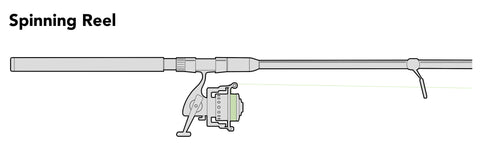
If you want to enjoy a successful day out on the water, knowing how to put fishing line on a rod and reel is a must. It might seem tricky at first, but once you learn the simple steps, you’ll be ready to cast with confidence.
This guide will walk you through the process, making it easy and stress-free. Keep reading, and you’ll discover tips that save you time and help your fishing gear perform at its best. Your next great catch starts with the right setup—let’s get your line on right now!
Credit: monsterbass.com
Choose The Right Line
Choosing the right fishing line is important for a good fishing experience. The line must fit your rod, reel, and the type of fish you want to catch.
Different fishing lines have different features. Knowing these features helps you pick the best line for your needs.
Types Of Fishing Line
There are three main types of fishing line: monofilament, fluorocarbon, and braided. Each has its own strengths and uses.
- Monofilament:Flexible and easy to handle. Good for beginners.
- Fluorocarbon:Less visible in water. Sinks faster than monofilament.
- Braided:Very strong and thin. Does not stretch much.
Line Strength And Thickness
Fishing lines come in different strengths and thicknesses. The strength is called “pound test.” It shows how much weight the line can hold before breaking.
| Pound Test | Line Diameter (inches) |
| 4-6 lbs | 0.008 – 0.012 |
| 8-12 lbs | 0.014 – 0.018 |
| 15-20 lbs | 0.020 – 0.025 |
| 25-30 lbs | 0.028 – 0.035 |
Matching Line To Fish Species
Different fish need different line strengths. Small fish need light lines. Big fish need strong lines to avoid breaks.
- Small fish (trout, panfish):Use 4-8 lb test line.
- Medium fish (bass, walleye):Use 8-15 lb test line.
- Large fish (pike, catfish):Use 20-30 lb test line or more.
Prepare Your Rod And Reel
Setting up your fishing gear is crucial for a good fishing experience. Follow these steps to ensure your rod and reel are ready.
Proper preparation ensures smooth casting and reeling. Let’s get started by setting up your rod and reel correctly.
Attach The Reel To The Rod
Attaching the reel is the first step in setting up your fishing gear. Make sure the reel is aligned properly with the rod.
Open The Reel Bail
Opening the reel bail is necessary for winding the fishing line. This allows the line to move freely onto the spool.
- Hold the rod firmly.
- Flip the bail arm up to open it.
- Ensure the line flows through the line roller.
Check The Reel Spool
Checking the spool ensures the line is loaded correctly. This prevents tangles and helps in smooth casting.
| Spool Type | Line Capacity |
| Spinning | 200 yards |
| Baitcasting | 150 yards |
| Fly | 100 yards |
Thread The Line
Putting fishing line on a rod and reel is an important skill for anglers. The first step is threading the line through the rod guides and tying it to the spool.
This process helps the line move smoothly and stay secure during fishing.
Pass Line Through Guides
Start by pulling the fishing line from the spool. Hold the rod with the reel facing down. Pass the line through each guide, beginning at the tip of the rod.
Make sure the line goes through every guide until it reaches the reel. This helps the line flow smoothly during casting.
Tie Line To Spool
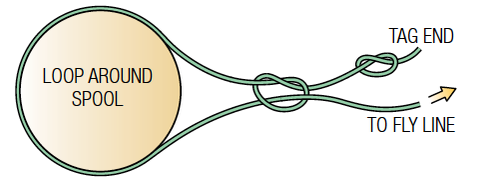
After threading the line through the guides, tie it to the reel spool. Use a strong knot like the arbor knot. This keeps the line from slipping on the spool.
- Wrap the line around the spool
- Tie an overhand knot around the main line
- Tighten the knot securely
- Trim any extra line close to the knot

Credit: www.youtube.com
Spool The Line
Putting fishing line on your rod and reel correctly is important. It helps your fishing setup work well and last longer.
This guide focuses on spooling the line with care. Follow these tips to avoid common problems.
Apply Tension While Winding
Keep the fishing line tight as you wind it onto the spool. This stops loose loops that can cause tangles or knots.
Use your fingers or a cloth to hold the line firmly. Make sure the reel handle turns steadily to keep tension even.
Avoid Line Twists
Line twists make casting and reeling hard. Here are ways to prevent twists during spooling:
- Let the line spool off the filler spool in the same direction as the reel.
- Keep the line straight and avoid letting it twist or loop.
- Use a swivel if your line tends to twist often.
- Check the line regularly for twists while spooling.
Fill The Spool Properly
Fill the spool almost to the edge but not too full. Overfilling or underfilling causes problems.
| Spool Fill Level | Effect |
| Too Full | Line may spill off during casting |
| Just Right (About 1/8 inch below edge) | Best casting and less tangles |
| Too Low | Less casting distance, more line twists |
Secure And Trim The Line
Putting fishing line on a rod and reel needs care. You must secure the line tightly to avoid slipping.
Trimming the line neatly helps prevent tangles and makes your setup clean. Follow the steps below to finish well.
Cut Excess Line
After winding the line on the reel, cut off the extra line. Leave about a half inch to keep it secure.
Use sharp scissors or a line cutter for a clean cut. A clean cut stops the line from fraying or slipping.
Tie A Leader Or Lure
Tie a leader or lure to the end of your fishing line. Use a strong knot like the improved clinch knot.
Make sure the knot is tight and trim any extra tag ends to avoid snags when casting or fishing.
Test The Setup
After putting fishing line on your rod and reel, it is important to test the setup. This helps you avoid problems while fishing.
Testing makes sure the line is tight and the reel works smoothly. Take some time to check these details.
Check Line Tension
Line tension must be even and firm. Loose line can cause tangles and affect casting distance.
- Hold the rod and pull the line gently.
- Look for any slack or uneven spots on the spool.
- Tighten the drag knob if the line feels too loose.
- Make sure the line moves smoothly without sticking.
Ensure Smooth Reel Operation
A smooth reel helps you cast farther and reel in fish easily. Check that the reel spins without noise or roughness.
| Check Point | What to Look For | Action if Problem |
|---|---|---|
| Reel Handle | Turns smoothly with steady resistance | Lubricate or tighten the handle |
| Drag System | Adjusts smoothly without sudden slips | Clean or replace drag washers |
| Spool Rotation | Spins evenly without wobbling | Re-align or replace spool |
Maintenance Tips
Keeping your fishing rod and reel in good shape helps them last longer. Regular care prevents problems while fishing.
Below are simple tips to maintain your gear by replacing old fishing line and cleaning the reel often.
Replace Old Line
Old fishing line can weaken and cause breaks. Replace it regularly to keep your fishing smooth and strong.
- Cut off the old line completely from the reel.
- Check the rod guides for any damage or dirt.
- Attach the new line securely to the reel spool.
- Wind the new line evenly on the reel without overlaps.
- Trim any excess line after filling the spool.
Clean The Reel Regularly
Dirt and salt can damage your reel. Clean it often to keep it working well and prevent rust.
| Cleaning Step | Details |
| Rinse | Use fresh water to rinse off dirt and salt after each use. |
| Dry | Wipe the reel dry with a soft cloth to avoid moisture buildup. |
| Lubricate | Apply reel oil to moving parts to keep them smooth. |
| Check | Inspect screws and parts for tightness and wear. |
Credit: windrider.com
Frequently Asked Questions
How Do I Start Putting Line On A Fishing Reel?
Start by threading the line through the rod guides. Tie the line securely to the reel spool. Wind the line tightly and evenly onto the spool, keeping tension with your fingers to avoid tangles.
What Type Of Fishing Line Should I Use?
Choose line strength and type based on target fish and water conditions. Monofilament is versatile, braid offers strength, and fluorocarbon is nearly invisible underwater.
How Much Fishing Line Should I Put On A Reel?
Fill the spool to about 1/8 inch below the rim. Too little line reduces casting distance; too much can cause tangles and backlashes.
How Do I Avoid Line Tangles When Spooling?
Keep steady tension while winding line onto the spool. Ensure the line feeds from the spool in the correct direction to prevent twists.
Conclusion
Putting fishing line on your rod and reel is simple with practice. Start slow and follow the steps carefully. Make sure the line is tight and even on the spool. Check for knots or tangles before you finish. A well-spooled reel helps you fish better and enjoy more.
Keep your gear clean and ready for your next trip. Try it yourself, and you’ll get better each time. Fishing becomes easier and more fun with the right setup. Give it a go, and enjoy your time on the water!