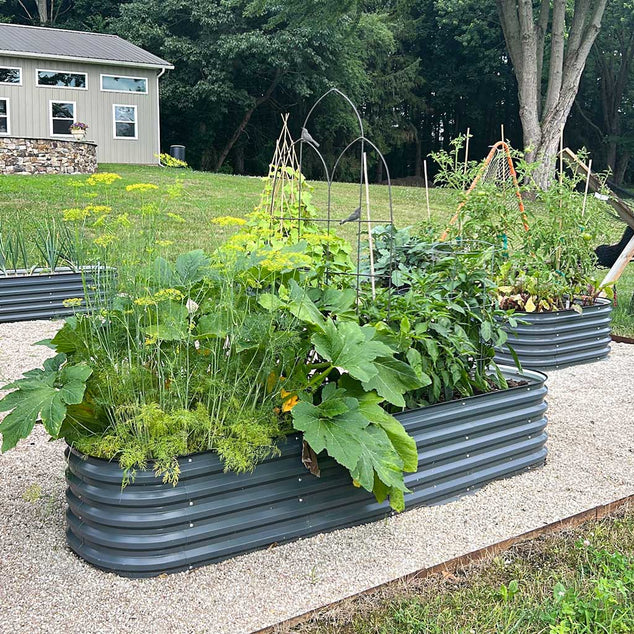
Are you ready to transform your raised garden bed into a thriving green oasis? Choosing the right plants can make all the difference between a patch of wasted space and a vibrant, fruitful garden.
Whether you want fresh veggies, colorful flowers, or fragrant herbs, knowing what to grow will help you get the most out of your garden bed. In this guide, you’ll discover easy and rewarding options perfect for your raised garden bed.
Keep reading to unlock the secrets that will turn your garden into a flourishing success!

Credit: www.vegega.com
Choosing Plants For Raised Beds
Raised garden beds offer great control over soil and drainage. Picking the right plants helps them grow strong and healthy.
Some plants do better in raised beds than others. It is important to choose those suited for this type of garden.
Vegetables That Thrive
Many vegetables grow well in raised beds because of good soil and drainage. These plants often produce more and stay healthier.
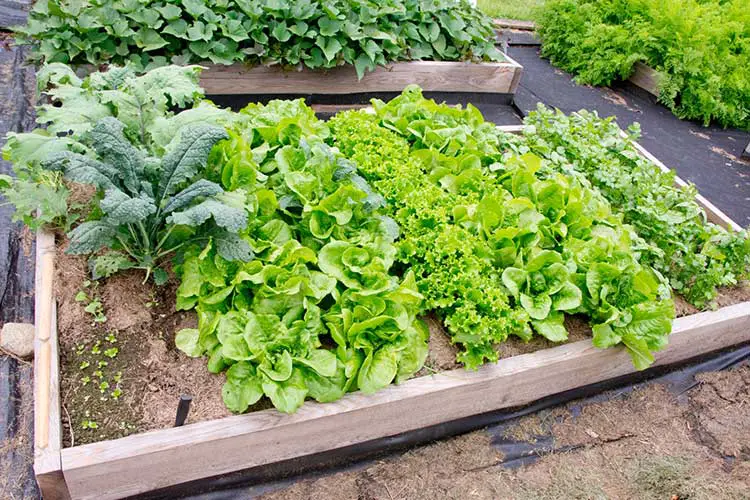
Leafy greens and root vegetables are great choices. They need loose soil to grow their roots easily.
- Lettuce
- Spinach
- Carrots
- Radishes
- Beets
- Green beans
- Tomatoes
- Peppers
Herbs For Fresh Flavors
Herbs are perfect for raised beds because they need good soil and good air flow. They add fresh flavors to your meals.
Many herbs stay small and fit well in limited space. You can harvest them often to keep plants growing.
- Basil
- Parsley
- Thyme
- Chives
- Oregano
- Mint
- Cilantro
Fruits Suited To Raised Beds
Some fruits grow well in raised beds because they get good sun and drainage. Small fruits fit best in these spaces.
Berries and dwarf fruit plants are popular choices. They produce fruit without needing a lot of room.
- Strawberries
- Blueberries
- Dwarf raspberries
- Dwarf blueberries
- Dwarf apple trees
Credit: www.farmfreshchoice.com
Soil And Sunlight Needs
Choosing what to grow in a raised garden bed starts with soil and sunlight. Both are key for healthy plants.
Good soil gives plants the nutrients they need. Sunlight helps plants make food through photosynthesis.
Selecting The Right Soil Mix
Raised beds need soil that drains well but holds moisture. This helps roots grow strong and healthy.
A good soil mix combines garden soil, compost, and some sand or perlite. This mix lets air and water move easily.
- Use 40% garden soil for structure
- Add 40% compost for nutrients
- Mix in 20% sand or perlite for drainage
Optimizing Sun Exposure
Most vegetables need at least six hours of sunlight each day. Find a sunny spot for your raised bed.
Keep tall plants on the north side to avoid shading smaller plants. This way, all plants get enough light.
- Place bed in full sun area if possible
- Avoid shadows from buildings or trees
- Arrange plants by height to maximize light
Companion Planting Tips
Companion planting helps plants grow better together. It improves soil and keeps pests away.
Using companion plants in raised garden beds makes your garden healthy and productive.
Plants That Grow Well Together
Some plants help each other by improving growth or keeping bugs away. These pairs work well in raised beds.
- Tomatoes and basil: Basil improves tomato flavor and repels insects.
- Carrots and onions: Onions keep carrot flies away.
- Cucumbers and radishes: Radishes deter cucumber beetles.
- Beans and corn: Beans add nitrogen to soil for corn.
- Marigolds and almost any vegetable: Marigolds repel many pests.
Avoiding Common Plant Conflicts
Some plants do not grow well near each other. They compete for nutrients or attract pests.
| Plants | Reason to Avoid |
| Tomatoes and potatoes | Both attract blight disease |
| Carrots and dill | Dill slows carrot growth |
| Fennel and most vegetables | Fennel blocks growth of neighbors |
| Onions and beans | Onions reduce bean yields |
| Cabbage and strawberries | Compete for nutrients and space |
Seasonal Planting Choices
Raised garden beds are great for growing fresh vegetables. Choosing the right plants for each season can make your garden thrive.
Let’s explore the best crops to plant in spring, summer, and fall. Each season offers unique growing opportunities.
Best Spring Crops
Spring is the perfect time for planting cool-weather crops. These plants love the mild temperatures and grow quickly.
- Lettuce and spinach grow fast and taste great in salads.
- Radishes and carrots add crunch and color to meals.
- Peas and broccoli are nutritious and easy to grow.
Summer Favorites
Summer is ideal for warm-weather vegetables. These plants love the sun and produce plenty of fruits and vegetables.
- Tomatoes and peppers thrive in hot weather and are versatile.
- Cucumbers and zucchini grow fast and are great for snacks.
- Beans and corn are classic summer garden choices.
Fall Harvest Options
Fall is perfect for planting hardy vegetables. These crops enjoy the cooler weather and can often be harvested late into the season.
- Kale and cabbage are nutritious and withstand cold temperatures.
- Beets and turnips store well and add flavor to dishes.
- Brussels sprouts and cauliflower are excellent fall choices.
Maximizing Space In Raised Beds
Raised garden beds are great for growing many plants in a small area. Using smart techniques helps you fit more plants and get a better harvest.
Two good ways to save space are vertical gardening and succession planting. These methods make your garden more productive.
Vertical Gardening Techniques
Growing plants upward uses less ground space. It also keeps plants healthy by improving air flow and sunlight exposure.
- Use trellises for beans, peas, and cucumbers.
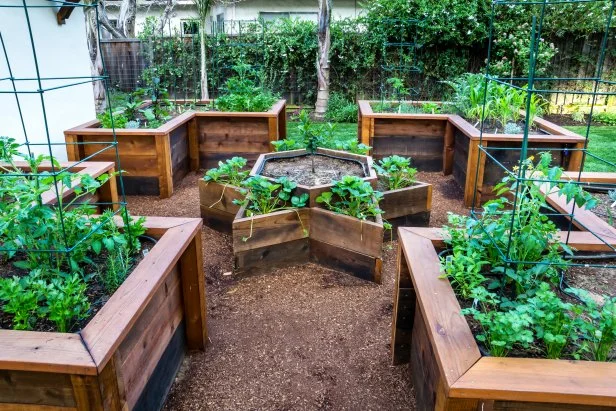
- Grow vining plants like tomatoes on cages or stakes.
- Try hanging baskets for strawberries or herbs.
- Plant tall crops like corn or sunflowers at the back.
- Stack planters or shelves to add more layers.
Succession Planting Strategies
Succession planting means growing crops one after another. This keeps your garden producing food all season long.
| Plant | Planting Time | Harvest Time |
| Lettuce | Early Spring | 4-6 Weeks |
| Radishes | After Lettuce | 3-4 Weeks |
| Carrots | After Radishes | 8-12 Weeks |
| Spinach | Late Summer | 6-8 Weeks |
Maintaining Healthy Raised Beds
Raised garden beds provide great control over soil and growing conditions. Keeping them healthy helps plants grow strong and produce well.
Good care includes proper watering, drainage, and protecting plants from pests and diseases. This guide covers simple tips for these tasks.
Watering And Drainage Tips
Water your raised beds carefully to keep soil moist but not soggy. Good drainage stops water from pooling and hurting roots.
- Water early in the morning to reduce evaporation.
- Use drip irrigation or soaker hoses for even watering.
- Check soil moisture by sticking your finger about 2 inches deep.
- Add organic mulch to keep soil moist longer.
- Make sure bed soil drains well to avoid root rot.
Pest And Disease Management
Protect plants from pests and diseases by keeping beds clean and choosing resistant plants. Early action helps stop problems from spreading.
| Common Pest | Control Method |
| Aphids | Spray water or use insecticidal soap |
| Slugs | Handpick or use beer traps |
| Powdery Mildew | Remove infected leaves, improve airflow |
| Tomato Hornworms | Pick off by hand or use natural predators |
Credit: www.hgtv.com
Frequently Asked Questions
What Vegetables Grow Best In Raised Garden Beds?
Leafy greens, tomatoes, peppers, carrots, and beans thrive in raised beds. These vegetables benefit from improved soil drainage and warmth in raised beds, leading to healthier growth and higher yields.
Can Herbs Be Grown Effectively In Raised Garden Beds?
Yes, herbs like basil, parsley, thyme, and rosemary grow well in raised beds. Raised beds offer good soil control, ensuring herbs get the right nutrients and drainage for optimal growth.
How Do Raised Beds Improve Plant Growth?
Raised beds provide better soil drainage, reduce soil compaction, and warm up faster in spring. These factors create ideal growing conditions, promoting stronger roots and healthier plants.
Are Root Vegetables Suitable For Raised Garden Beds?
Root vegetables such as carrots, radishes, and beets are ideal for raised beds. The loose, well-drained soil in raised beds allows roots to expand easily without restriction.
Conclusion
Raised garden beds offer many options for growing plants. Choose vegetables and herbs that suit your space and climate. Keep soil healthy and water plants regularly. Small fruits and flowers also grow well in raised beds. Enjoy fresh produce right from your garden.
Start small, learn as you go, and have fun gardening. Raised beds make growing easier and more enjoyable. Happy planting!