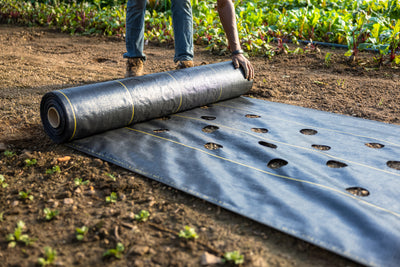
Are you struggling to create perfect holes in your landscape fabric without ruining it? Whether you’re planting new flowers, setting up irrigation, or adding garden features, burning holes can be the easiest and cleanest way to get the job done.
But how do you do it right? You’ll discover simple, safe, and effective methods to burn holes in your landscape fabric. By the end, you’ll have the confidence to tackle your garden project like a pro—and keep your fabric strong where it needs to be.
Keep reading to learn the secrets that will make your gardening work faster and neater.
Choosing The Right Tools
Burning holes in landscape fabric needs the right tools to work well. Picking proper tools makes the job safer and easier.
Before you start, know what tools fit your project. This helps you cut cleanly and keep control while working.
Types Of Cutting Tools
Different cutting tools work for burning holes in landscape fabric. Choose one that suits your size and shape needs.
- Utility Knife – Sharp blade for precise cuts on fabric.
- Rotary Cutter – Good for straight lines and quick cuts.
- Hot Knife – Cuts and seals edges by burning.
- Scissors – Simple option for small or odd shapes.
- Box Cutter – Strong blade for tougher fabric areas.
Safety Equipment Needed
Using tools to burn holes means safety is very important. Protect yourself from burns, cuts, and fumes.
| Equipment | Purpose |
| Heat-Resistant Gloves | Protect hands from burns while handling hot tools. |
| Safety Glasses | Keep eyes safe from sparks and flying debris. |
| Long-Sleeve Shirt | Cover arms to prevent skin contact with heat or fabric. |
| Face Mask | Reduce inhaling fumes from burning fabric. |
| Fire Extinguisher | Quickly put out any accidental fires. |

Credit: www.youtube.com
Preparing The Fabric
Preparing landscape fabric before burning holes is important for a neat and effective job. Proper preparation helps the fabric stay in place and protects your plants.
This section covers how to measure, mark, and secure the fabric before you burn holes.
Measuring And Marking
Measure the area where you will place the fabric. Use a tape measure to get exact dimensions. Mark where each hole should go to fit your plants.
- Measure length and width of planting beds
- Mark holes for each plant location
- Space holes according to plant size and type
- Use a pencil or chalk to mark the fabric
Securing The Fabric
Secure the fabric tightly to keep it from moving. This step prevents wrinkles and gaps that can let weeds grow.
| Method | Tools Needed | Purpose |
| Pinning | Landscape fabric pins or staples | Holds fabric flat and tight to soil |
| Weighting | Rocks or bricks | Keeps fabric from shifting temporarily |
| Trenching | Shovel | Buries fabric edges to secure firmly |
Techniques For Burning Holes
Burning holes in landscape fabric helps plants grow while keeping weeds away. It creates perfect spots for seeds or seedlings. Using heat tools makes clean and neat holes without tearing the fabric.
Below are easy ways to burn holes in your fabric. Each method uses common tools and simple steps. Choose the one that suits your needs and tools.
Using A Heated Nail Or Rod
Heat a clean nail or metal rod with a flame until it glows red. Press it gently on the fabric where you want a hole. The heat will burn through the fabric, making a neat hole.
- Use pliers to hold the nail or rod safely.
- Heat it with a lighter or small torch.
- Press the hot tip firmly on the fabric for 1-2 seconds.
- Lift and move to the next spot.
- Let the fabric cool before planting.
Applying A Soldering Iron
A soldering iron gives you more control over the size and shape of holes. Use a tip that matches the hole size you want. Heat the iron, then touch the fabric lightly to burn a hole.
| Tip Size | Hole Diameter | Use |
| 1 mm | Small | Seeds and tiny plants |
| 3 mm | Medium | Seedlings and small bulbs |
| 5 mm | Large | Large plants or multiple seeds |
Other Effective Methods
Some people use different tools to burn holes safely and quickly. These tools can work well based on what you have at home.
- Wood-burning tool: Offers steady heat and control for detailed holes.
- Electric hot knife: Cuts and burns fabric cleanly in one motion.
- Heat gun with a pointed tip: Burns holes without touching the fabric.
Credit: www.youtube.com
Tips For Clean And Precise Holes
Burning holes in landscape fabric helps plants grow while keeping weeds away. Doing it right makes the holes neat and stops damage to the fabric.
Use the right tools and follow safety steps. This guide shares tips for clean holes and protecting nearby areas.
Controlling Heat And Timing
Use a tool that heats evenly, like a soldering iron or a wood-burning tool. Avoid open flames to keep control. Heat the tool before touching the fabric.
- Heat the tool for 30 seconds to 1 minute.
- Press the tool gently on the fabric.
- Hold for 5 to 10 seconds only.
- Lift the tool straight up to avoid pulling the fabric.
- Let the fabric cool before moving it.
Avoiding Damage To Surrounding Areas
Protect plants and soil near the hole. Use a heat shield or a small piece of metal around the area. Work in a clear, open space with no dry leaves or mulch nearby.
| Tip | Reason |
|---|---|
| Use a metal shield | Stops heat from reaching plants |
| Clear work area | Prevents accidental fires |
| Work on a calm day | Reduces fire risk from wind |
| Wear gloves and safety glasses | Protects your hands and eyes |
Common Mistakes To Avoid
Burning holes in landscape fabric helps plants grow better. It lets water and nutrients reach the roots. But, mistakes can damage the fabric.
It is important to know what to avoid. This ensures your garden stays healthy and beautiful.
Using The Wrong Tools
Some tools can tear or cut the fabric instead of burning it. This makes the fabric less effective. Choose tools that are safe and easy to control.
- Use a handheld torch for precision
- Avoid sharp knives and scissors
- Test tools on scrap fabric first
Not Measuring Properly
Incorrect measurements can cause problems. Too small or too large holes affect plant growth. Measure carefully before burning.
| Plant Type | Recommended Hole Size |
| Tomatoes | 6 inches |
| Peppers | 4 inches |
| Carrots | 3 inches |
Burning In The Wrong Weather
Weather affects how well the fabric burns. Windy or rainy days make it hard to burn evenly. Choose calm, dry days for this task.

Credit: www.youtube.com
Maintaining Landscape Fabric After Burning
Burning holes in landscape fabric helps plants grow and lets water pass. After burning, you must keep the fabric in good shape. This stops damage and keeps your garden neat.
Proper care makes sure the fabric lasts longer. It also keeps weeds away and helps mulch stay in place.
Preventing Fabric Fraying
Burned holes can fray and tear if not cared for. Stop fraying by sealing the edges around the holes. This keeps the fabric strong and neat.
You can use tape or special fabric glue. Apply it carefully around each hole to stop threads from coming loose.
- Use fabric tape or glue around holes
- Trim loose threads gently
- Check holes regularly for damage
Securing Plants And Mulch
After burning holes, plants and mulch need support. Secure plants to stop them from moving. This helps roots grow well through the fabric.
Keep mulch in place to protect soil and stop weeds. Use garden staples or pins to hold fabric and mulch firmly.
- Place stakes or pins near plants
- Spread mulch evenly over fabric
- Press mulch down gently to secure it
Frequently Asked Questions
How Do You Safely Burn Holes In Landscape Fabric?
Use a soldering iron or heated metal rod to burn holes. Always work in a well-ventilated area and wear gloves to protect your hands from burns and fumes.
What Tools Work Best For Burning Holes In Landscape Fabric?
A soldering iron, heated metal rod, or wood-burning tool works best. These tools create clean, precise holes without fraying the fabric edges.
Can Burning Holes Damage Landscape Fabric’s Durability?
If done carefully, burning holes won’t weaken the fabric significantly. Avoid making holes too large or too close together to maintain fabric strength.
Why Burn Holes Instead Of Cutting Landscape Fabric?
Burning seals the fabric edges, preventing fraying and unraveling. Cutting can leave rough edges that degrade faster and reduce fabric lifespan.
Conclusion
Burning holes in landscape fabric helps plants grow well. Use a safe tool and work carefully. Keep holes just big enough for your plants. This method stops weeds while letting water through. Take your time and check fabric often. You will see healthier plants and less work.
Try this simple step for a better garden.