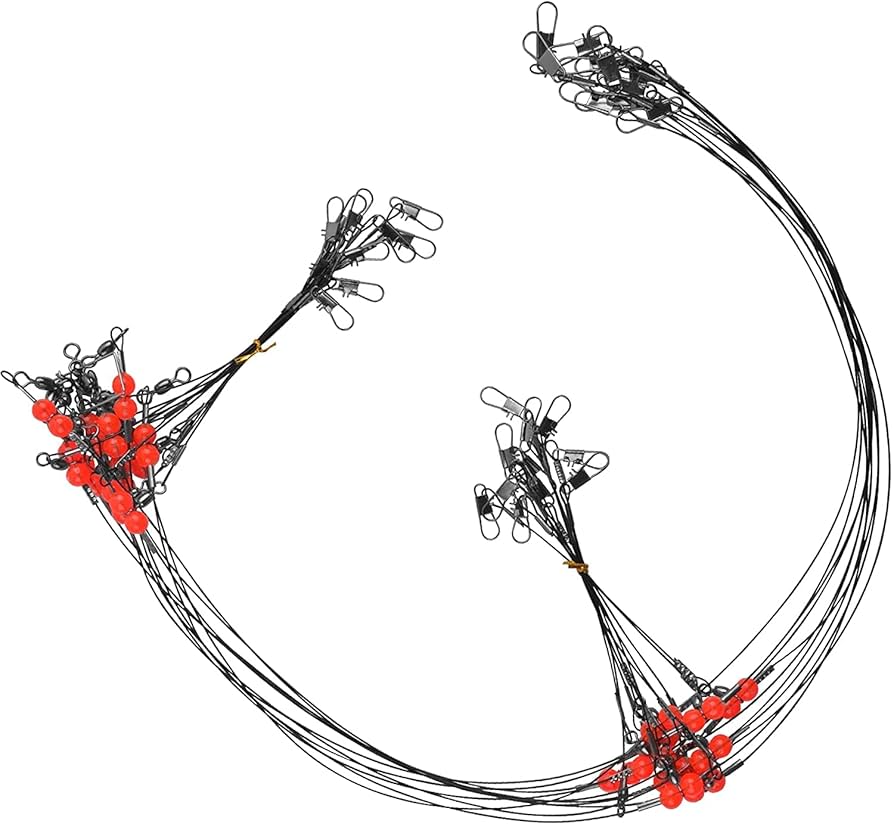
If you want to catch more fish and keep your line strong, understanding what a fishing line leader is can make all the difference. You might be wondering why some anglers seem to land bigger fish while your line breaks or gets tangled.
The secret often lies in the leader—a small but powerful piece of your fishing setup. You’ll discover exactly what a fishing line leader is, why it matters, and how using the right one can improve your fishing game instantly. Keep reading to learn how to protect your line and reel in those hard-to-catch fish with ease.
Fishing Line Leader Basics
A fishing line leader is a short piece of strong line tied between the main fishing line and the hook or lure. It helps improve fishing by adding strength and reducing visibility.
Leaders come in different materials and styles. They are important for catching fish more effectively and protecting your line.
Purpose Of A Leader
The leader protects your main fishing line from sharp teeth, rough surfaces, and strong fish. It also helps keep your lure or bait looking natural.
Leaders reduce line visibility in water. This makes fish less likely to see your fishing line and get scared away.
- Prevents line breakage from fish teeth or rocks
- Reduces visibility to fish for better bites
- Allows use of different materials for special fishing needs
Types Of Leaders
There are several types of leaders. Each type suits different fishing situations and fish species.
Common materials include monofilament, fluorocarbon, and wire. These have different strengths and uses.
- Monofilament:Clear and flexible. Good for general use.
- Fluorocarbon:Nearly invisible underwater. Great for clear water.
- Wire:Strong and tough. Used for fish with sharp teeth.
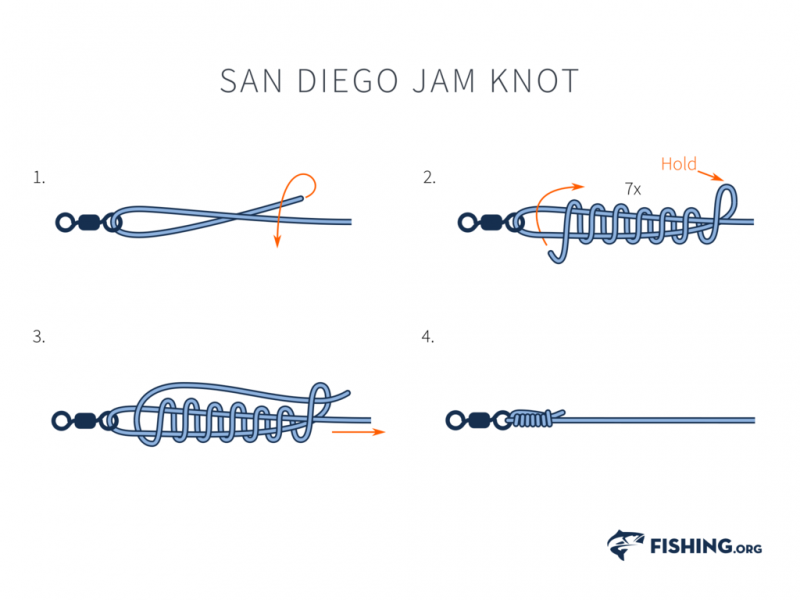
Credit: medium.com
Materials Used For Leaders
Fishing line leaders are essential for protecting your main line. They help prevent bite-offs and provide extra strength. Leaders come in different materials suited for various fishing needs.
Choosing the right leader material depends on fish species, water type, and fishing style. Below, we explore common materials used for fishing leaders.
Monofilament Leaders
Monofilament leaders are made from a single strand of nylon. They are flexible and stretchable, which helps absorb shocks from fish strikes. These leaders are affordable and easy to handle.
Monofilament leaders work well in clear or murky water. They are visible in water but can be treated to reduce shine.
Fluorocarbon Leaders
Fluorocarbon leaders are made from a special plastic that sinks faster than monofilament. They are nearly invisible underwater, making fish less likely to notice them.
- Low visibility in water
- High abrasion resistance
- Less stretch than monofilament
- Good for clear water fishing
Fluorocarbon is harder and less flexible, so it may be tougher to knot but offers better protection against sharp teeth and rough surfaces.
Wire Leaders
Wire leaders use thin metal strands twisted together. They offer strong resistance to sharp teeth from fish like pike or muskie.
| Type of Wire Leader | Strength | Flexibility | Best Use |
|---|---|---|---|
| Stainless Steel | High | Low | Tooth-heavy fish |
| Titanium | High | High | Saltwater and fresh water |
| Coated Wire | Medium | Medium | General fishing |
Choosing The Right Leader
A fishing line leader is a crucial part of your fishing gear. It connects the main fishing line to the hook or lure. The right leader can make your fishing experience more successful.
Choosing the correct leader depends on several factors. This includes the species of fish, the water conditions, and your fishing technique.
Matching Leader To Fish Species
Different fish species require different leaders. Some fish have sharp teeth that can cut through weak leaders. Others might be skittish, needing a more invisible leader.
- For pike, use a steel or wire leader.
- Bass fishing often needs a fluorocarbon leader.
- Trout fishing works well with a monofilament leader.
Leader Strength And Length
The strength of your leader is important. It needs to withstand the pull of the fish. Leader strength is measured in pounds, similar to the main fishing line.
The length of the leader also matters. A longer leader might be needed in clear water. A shorter leader is often used in murky water.
| Leader Strength (lbs) | Fish Type |
| 10-15 lbs | Bass, Trout |
| 20-30 lbs | Pike, Muskie |
Attaching Leaders To Main Line
Connecting a fishing line leader to the main line is an important skill for anglers. It helps prevent line twists and adds strength where it is most needed.
There are several ways to attach leaders. Some use knots, while others prefer swivels or clips. Each method works best for different fishing situations.
Knots For Leader Connection
Knots are the most common way to join a leader to the main line. Anglers choose knots that are strong and easy to tie. Some knots also keep the line from slipping.
- Double Uni Knot:A popular knot that joins two lines of different thicknesses.
- Albright Knot:Good for connecting heavy leader to light main line.
- Blood Knot:Ideal for joining lines of similar diameter.
Using Swivels And Clips
Swivels and clips help anglers attach leaders quickly. They also reduce line twist. Swivels spin freely, while clips allow fast changes of leaders or lures.
| Type | Use | Benefit |
| Barrel Swivel | Join main line to leader | Prevents line twist |
| Snap Swivel | Attach leader or lure | Quick leader changes |
| Crimp Sleeve | Secure leader to line | Strong, permanent hold |
Common Leader Mistakes
A fishing line leader plays a key role in catching fish. Many anglers make simple mistakes with leaders. These errors can cause lost fish and broken lines.
Knowing the common mistakes helps you choose and use leaders better. This guide covers two main mistakes to avoid.
Wrong Material Selection
Picking the wrong leader material can cause problems on the water. Each material has strengths and limits. Using the wrong one lowers your chances of success.
- Nylon leaders stretch too much and may scare fish.
- Fluorocarbon is less visible but can be too stiff in cold water.
- Steel leaders prevent bites from sharp-toothed fish but are heavy.
- Monofilament leaders are cheaper but degrade faster in sunlight.
Improper Knot Tying
Tying knots incorrectly weakens your leader. A poor knot can slip or break under tension. It is important to learn strong and reliable knots.
| Knot Type | Common Problems |
| Uni Knot | Not tightened properly, slips |
| Improved Clinch Knot | Too few wraps, weak hold |
| Palomar Knot | Knot not doubled, breaks easily |
| Loop Knot | Loop too small, restricts bait action |
Tips For Leader Maintenance
Fishing line leaders help protect your line from sharp fish teeth and rough surfaces.
Good maintenance keeps your leader strong and reliable during fishing trips.
Inspecting For Damage
Check your leader often for cuts, nicks, or worn spots before and after fishing.
- Look closely for any frays or weak points in the material.
- Run your fingers along the leader to feel for rough patches.
- Examine knots to make sure they are tight and not slipping.
- Replace the leader if you see visible damage or feel softness.
Replacing Leaders Regularly
Even if your leader looks fine, replace it after several uses to avoid breakage.
| Replacement Frequency | Reason |
| After 3 to 5 fishing trips | Material weakens from wear and sun exposure |
| After catching a large or toothy fish | Stress and sharp teeth can cause hidden damage |
| After visible damage appears | To prevent line failure during fishing |
Advanced Leader Techniques
Fishing line leaders help control how the bait moves and how fish bite. Advanced techniques improve your chances of catching fish.
Two key methods are tapered leaders and shock leaders. Both serve different purposes but work together for better fishing.
Tapered Leaders
Tapered leaders start thick at the fishing line end and get thinner toward the bait. This design helps cast farther and more smoothly.
- Reduce line visibility near the bait
- Allow better fly presentation in fly fishing
- Help with smooth energy transfer from the rod to the bait
- Decrease the chance of line breakage during a fish fight
Using Shock Leaders
Shock leaders are strong, thick lines placed between the main line and the leader. They absorb sudden force from big fish or heavy casting.
| Type | Purpose | Common Material | Typical Length |
| Shock Leader | Absorbs heavy force | Braided or heavy monofilament | 3 to 6 feet |
| Tapered Leader | Smooth energy transfer and low visibility | Monofilament or fluorocarbon | 7 to 12 feet |
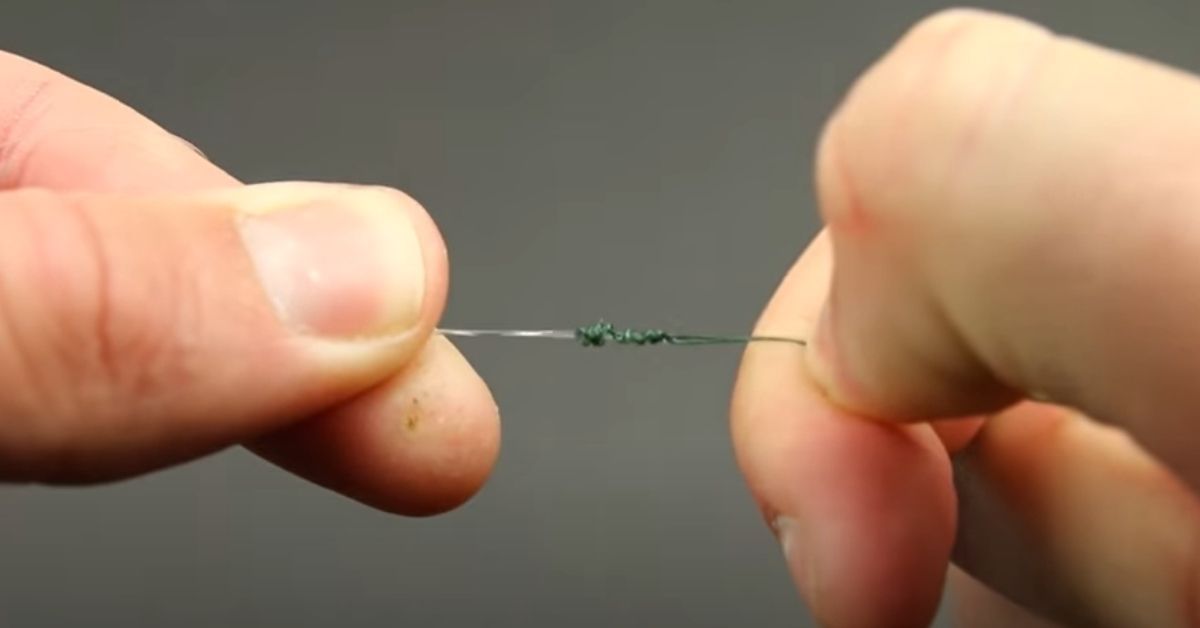
Credit: mysterytacklebox.com

Credit: woolybuggin.com
Frequently Asked Questions
What Is The Purpose Of A Fishing Line Leader?
A fishing line leader protects the main line from sharp teeth and rough surfaces. It reduces line visibility and increases catch rates. Leaders also prevent line breakage, ensuring stronger and longer-lasting fishing setups.
What Materials Are Fishing Line Leaders Made Of?
Leaders are commonly made from fluorocarbon, monofilament, or wire. Fluorocarbon is nearly invisible underwater. Wire leaders resist sharp teeth, ideal for toothy fish species. Material choice depends on target fish and fishing conditions.
How Do You Choose The Right Leader Length?
Leader length varies between 12 to 36 inches. Short leaders offer better lure control, while longer ones reduce line visibility. Choose length based on water clarity, fishing depth, and species targeted for optimal results.
Can A Fishing Line Leader Improve Casting Distance?
Yes, leaders reduce line memory and friction, enhancing casting distance. They create a smoother transition between line and lure, allowing longer, more accurate casts. Proper leader choice benefits both casting and presentation.
Conclusion
A fishing line leader helps protect your main line from damage. It keeps your bait or lure strong and less visible to fish. Leaders come in different materials and lengths for various fishing needs. Choosing the right leader can improve your catch rate.
Remember, a good leader makes fishing easier and more fun. Try using one on your next fishing trip. It can make a real difference.